Finding a stray cat near your home can pull at your heartstrings. You want to help, but what if you don’t have any cat food on hand?
You might wonder, “What can I safely feed a stray cat without cat food? ” Feeding a stray isn’t just about giving them something to eat—it’s about keeping them healthy and gaining their trust. You’ll discover simple, safe, and effective ways to nourish a stray cat using everyday foods you probably already have.
Keep reading to learn how you can make a real difference for that furry visitor.
Credit: www.petco.com
Safe Human Foods For Stray Cats
Feeding a stray cat without cat food can be tricky. It is important to offer safe human foods that meet their nutritional needs. Cats are obligate carnivores. Their diet should mainly include proteins and fats. Some human foods are safe and helpful for stray cats. These foods provide energy and essential nutrients. Avoid harmful ingredients like onions, garlic, and chocolate. Always serve plain, unseasoned food to stray cats.
Cooked Meat Options
- Plain cooked chicken without skin or bones
- Boiled turkey, shredded into small pieces
- Lean cooked beef, cut into small bits
- Cooked fish like salmon or tuna, without bones
Cooked meat is a great protein source. Avoid seasoning and oils. Make sure no bones remain, as they can cause choking.
Vegetables That Cats Can Eat
- Cooked carrots, soft and chopped
- Steamed green beans, cut into small pieces
- Cooked pumpkin, mashed for easy eating
- Peas, cooked and plain
Vegetables provide fiber and vitamins. Serve cooked, never raw. Small amounts are enough for cats.
Fruits Suitable For Cats
- Small pieces of peeled apple, without seeds
- Blueberries, fresh or thawed from frozen
- Banana slices, in moderation
- Watermelon chunks, seedless and plain
Fruits are treats, not main food. Avoid citrus fruits and grapes, which are toxic.
Grains And Carbohydrates
- Plain cooked rice, soft and easy to digest
- Oatmeal, cooked with water only
- Small amounts of cooked pasta
- Plain bread pieces without butter or spices
Carbohydrates offer extra energy. Use sparingly. Avoid any seasoned or flavored grains.
Foods To Avoid For Stray Cats
Feeding a stray cat without traditional cat food means you must be extra cautious about what you offer. Some common human foods can harm or even poison cats. Knowing which foods to avoid is just as important as knowing what is safe to feed.
Toxic Foods
Many everyday foods are poisonous to cats, even in small amounts. Chocolate, onions, garlic, grapes, and raisins can cause serious health problems or death. Even something as simple as caffeine or alcohol should never reach a cat's plate.
Have you ever wondered why a cat avoids certain smells? Their bodies naturally reject harmful substances, but when you're feeding a stray, you become their safeguard. Always keep these toxic foods far away from them.
Dairy And Its Effects
Contrary to popular belief, most cats are lactose intolerant. Giving a stray milk or cheese can upset their stomach, causing diarrhea or vomiting. If you want to offer something creamy, try specially formulated lactose-free cat milk.
I once fed a stray a bowl of regular milk, and the poor thing was sick the next day. That experience taught me to avoid dairy unless it's a safe alternative. Your stray cat deserves to stay healthy, so skip the dairy treats.
Spices And Seasonings To Skip
Spices like salt, pepper, onion powder, and garlic powder can irritate a cat’s digestive system. Seasoned or flavored foods might seem tempting to you but can cause discomfort or toxicity in strays. Always serve plain, unseasoned food to avoid risks.
Think about your own reaction to spicy or salty snacks—would you want to eat those when you’re sick? Stray cats are sensitive and need simple, clean food to regain strength. Keep their meals free from any seasoning or additives.
Creating Balanced Meals
Feeding a stray cat without traditional cat food means you need to focus on creating balanced meals that meet their nutritional needs. Stray cats require a mix of proteins, fats, and carbohydrates to stay healthy and energetic. Understanding how to combine these elements will help you provide food that supports their well-being.
Combining Proteins And Carbs
Proteins are essential for a cat’s muscle health and energy. You can offer cooked chicken, turkey, or small amounts of fish as good protein sources. Pair these with easily digestible carbs like cooked rice or mashed sweet potatoes to give the cat a balanced meal.
Have you noticed how cats often prefer meat but sometimes nibble on grains? This shows that a small portion of carbs can complement their diet without overwhelming it. Avoid raw meat to reduce the risk of bacteria and parasites.
Ensuring Hydration
Water is as important as food. Stray cats might not drink enough if they rely on dry scraps. Always provide fresh, clean water alongside their meals to prevent dehydration.
You can also add moisture by mixing wet foods or water into dry offerings. This helps maintain hydration and supports kidney health, which is crucial for cats living outdoors.
Portion Sizes For Stray Cats
Determining how much to feed a stray cat can be tricky. Start with small portions, roughly the size of a chicken breast or a half-cup of mixed food. Observe how much the cat eats and adjust accordingly.
Overfeeding can cause digestive upset, while underfeeding leaves them weak. Watch for signs like leftover food or increased scavenging to find the right balance. How often do you think a stray cat should eat during the day? Twice daily meals usually work well.
Feeding Tips For Stray Cats
Feeding stray cats without regular cat food requires care and attention. Strays may not be used to human food, so patience is key. Providing safe, nutritious options helps keep them healthy and strong. Simple steps improve their chances of trusting you and eating well.
How To Introduce New Foods
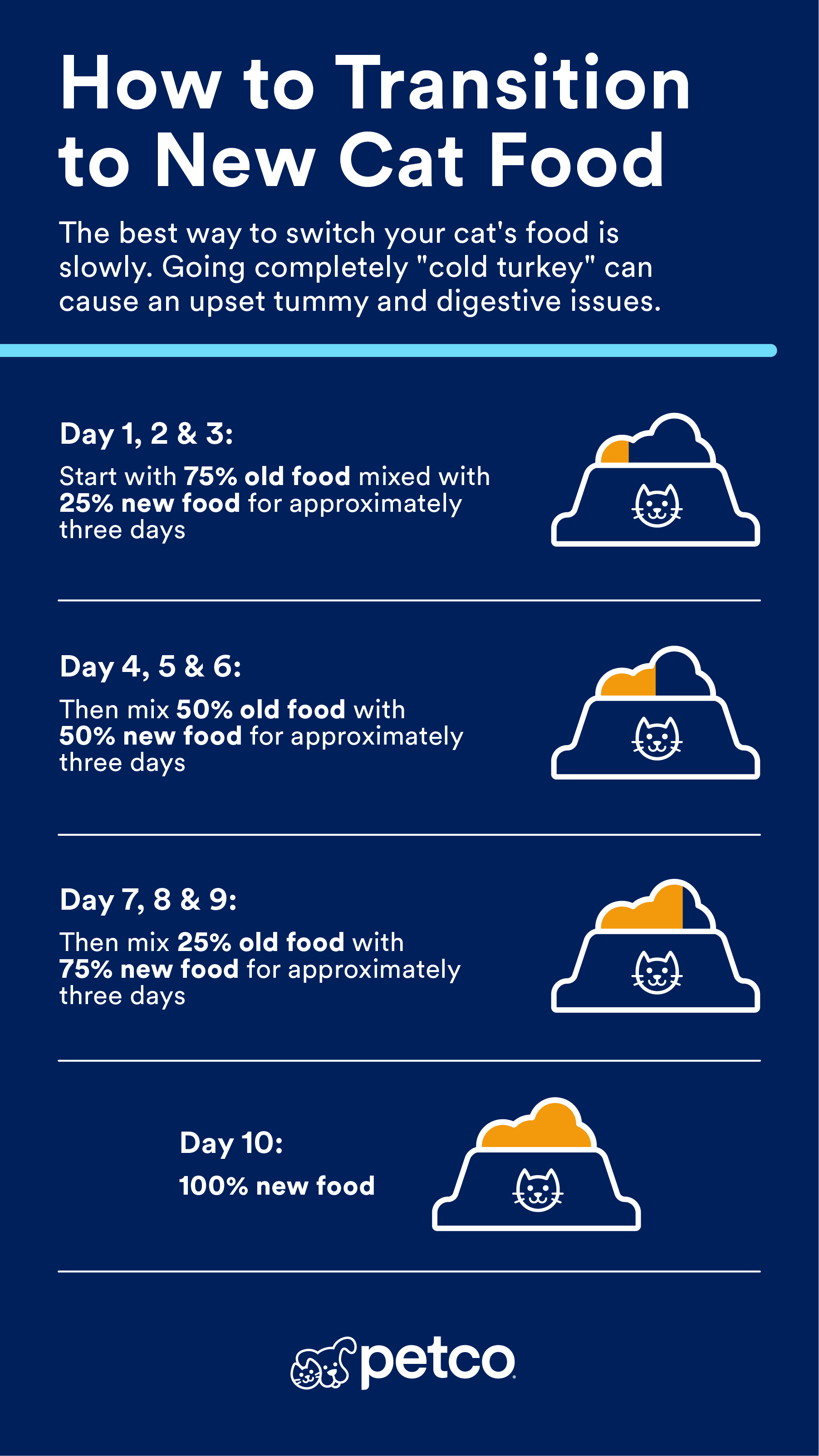
Start with small amounts of food near where the cat stays. Use soft, easy-to-digest options like cooked chicken or tuna. Avoid spices, salt, and sauces. Watch if the cat eats or shows interest. If not, try a different food after a day or two. Slowly change the food to avoid stomach upset. Keep fresh water nearby at all times.
Feeding Schedule Recommendations
Feed stray cats at the same time every day. Consistency builds trust and routine. Early morning and evening are good times to feed. Offer small portions to avoid waste and spoilage. Remove leftover food after one hour to prevent pests. Observe the cat’s appetite and adjust amounts as needed.
Safe Feeding Locations
- Choose a quiet, sheltered spot away from traffic.
- Pick a place with some cover like bushes or a porch.
- Keep food off the ground using a shallow dish or plate.
- Avoid busy areas with many people or dogs.
- Keep the area clean to avoid attracting other animals.
When To Seek Veterinary Help
Knowing when to seek veterinary help for a stray cat you’re feeding without cat food is crucial. Stray cats often have hidden health problems that worsen without proper care. Recognizing warning signs early can save a cat’s life and improve its quality of life.
Signs Of Malnutrition
Malnutrition shows up in many ways. You might notice a stray cat looking very thin, with visible ribs and a sunken belly. Its fur could be dull, patchy, or falling out, which signals nutrient deficiency.
Other signs include lethargy, weakness, and slow movements. If the cat seems confused or has trouble walking, these are serious red flags. Don’t ignore persistent vomiting or diarrhea, as these symptoms indicate the cat isn’t absorbing nutrients properly.
Health Risks From Improper Diets
Feeding a stray cat without cat food can lead to dangerous health risks. Human foods often lack essential vitamins and minerals cats need, like taurine, which supports their heart and eye health.
Improper diets can cause problems like digestive upset, liver disease, and even blindness. You might think feeding leftovers is helpful, but some foods are toxic to cats, such as onions, garlic, and chocolate.
Have you ever wondered if a stray cat’s diet is doing more harm than good? If you notice any worrying symptoms, it’s time to take the cat to a vet. Early intervention can prevent serious illness and give the cat a better chance at recovery.

Credit: www.youtube.com
Credit: www.petscare.com
Frequently Asked Questions
What Homemade Foods Can I Safely Feed A Stray Cat?
Cooked chicken, turkey, plain rice, and scrambled eggs are safe. Avoid onions, garlic, and seasoning. Fresh water is essential alongside food.
Can I Feed A Stray Cat Canned Tuna Or Salmon?
Occasional canned tuna or salmon is fine, but not daily. These lack complete nutrients. Use as a treat, not a meal replacement.
Is It Okay To Give Stray Cats Milk Or Dairy?
Most adult cats are lactose intolerant. Milk can cause stomach upset. Offer fresh water instead of dairy products.
How Often Should I Feed A Stray Cat Without Cat Food?
Feed small portions twice a day. Avoid overfeeding to prevent health issues. Ensure clean water is always available.
Conclusion
Feeding a stray cat can be simple and kind. Offer cooked chicken or fish. Avoid spices and bones. A plain boiled egg works too. Plain rice or pasta is filling. Fresh water is essential. Cats need hydration. Cheese is okay, but not too much.
Yogurt can be a treat. Vegetables like carrots are safe. Sharing food helps build trust. This small act of kindness makes a big difference. Stray cats need love and care. Your efforts provide them comfort. A happy cat is a healthy cat.
Keep caring and sharing. Your actions matter.