Is your furry friend battling tick fever? You're not alone in this challenging situation.
When your dog is unwell, it can be a daunting experience, but the good news is that you can make a significant difference in their recovery by choosing the right foods. The right diet can provide essential nutrients that help strengthen your dog's immune system and speed up the healing process.
Are you curious about what to feed a dog with tick fever to ensure they get back on their paws as quickly as possible? Dive into the full article to discover the best dietary options that can support your pet’s health and well-being during this tough time. Your dog deserves the best care, and you have the power to provide it.

Credit: veteris.co.uk
Symptoms And Impact Of Tick Fever
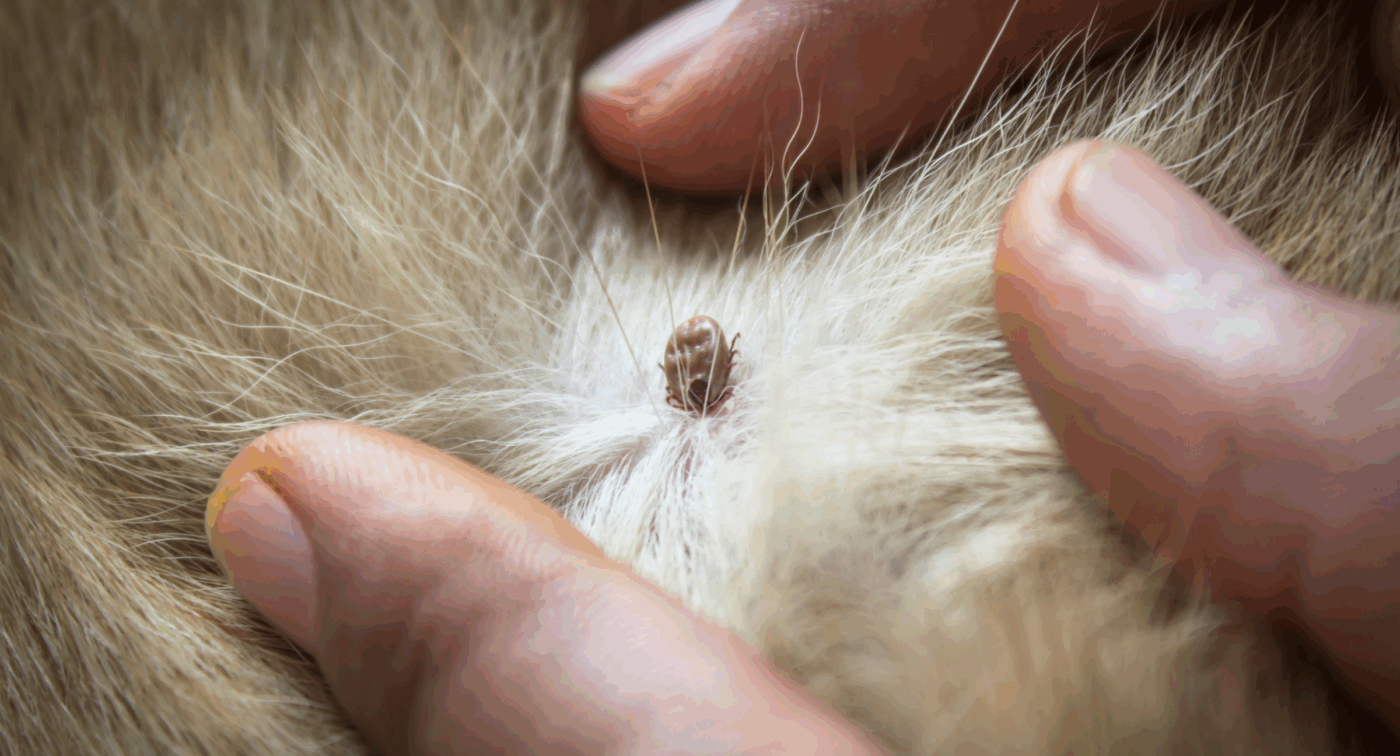
Tick fever is a serious illness that affects dogs after a tick bite. It causes various symptoms and can weaken your dog's health quickly. Early detection helps to treat the disease better. Knowing the signs and health impact guides you to care for your dog properly during recovery.
Common Signs To Watch
- High fever and chills
- Lethargy and weakness
- Loss of appetite
- Swollen lymph nodes
- Yellow gums or eyes (jaundice)
- Bleeding or bruising easily
- Vomiting or diarrhea
- Dark urine
How Tick Fever Affects Dogs' Health
Tick fever attacks the dog's blood cells and organs. It lowers red blood cell count, causing anemia. This leads to tiredness and pale gums. The immune system weakens, making infections more likely.
The liver and kidneys may fail if untreated. Dogs can bleed internally or externally. Severe cases may result in death without quick care. Feeding a balanced diet supports healing and energy.
Dietary Needs During Recovery
Proper diet supports a dog’s healing after tick fever. Careful food choices help rebuild strength. Nutrients aid in fighting infection and restoring energy. Tailoring meals to recovery needs improves overall health.
Boosting Immunity With Nutrition
Nutrition plays a key role in strengthening a dog’s immune system. Protein helps repair tissues and build antibodies. Foods rich in antioxidants protect cells from damage. Vitamins like A, C, and E enhance immune response.
Include lean meats, eggs, and low-fat dairy for protein. Bright fruits and vegetables supply antioxidants and vitamins. Omega-3 fatty acids from fish oil reduce inflammation and support immunity.
Hydration Importance
Hydration is critical during recovery from tick fever. Fever and illness cause fluid loss and dehydration. Fresh water must always be available to your dog. Wet foods can boost fluid intake and ease feeding.
Offer small amounts of water frequently to encourage drinking. Avoid sugary drinks or milk, which may upset the stomach. Proper hydration helps flush toxins and supports organ function.
Best Foods For Dogs With Tick Fever
Choosing the right foods helps a dog recover from tick fever faster. Nutritious meals support the immune system and rebuild strength. Proper feeding eases symptoms and promotes healing. Focus on easy-to-digest, nutrient-rich options. Avoid heavy, spicy, or processed foods that stress the body.
Protein Sources For Healing
Protein repairs tissues and boosts immunity. Select lean, high-quality sources that dogs can digest easily.
- Boiled chicken breast without skin
- Cooked turkey meat
- Boiled eggs
- Lean fish like salmon or cod, cooked thoroughly
- Low-fat cottage cheese
Cook all proteins plainly. Avoid seasoning or oils. Small portions given often help maintain energy levels.
Vitamins And Minerals To Include
Vitamins and minerals strengthen the immune system and improve recovery.
- Vitamin C-rich foods to fight infection
- Vitamin E for cell repair
- Zinc to support healing
- Iron to prevent anemia
- Calcium for bone health
Supplements may be necessary if vet advises. Balanced meals with variety provide most nutrients naturally.
Safe Vegetables And Fruits
Fruits and vegetables add fiber, antioxidants, and hydration. Choose safe, mild options.
- Cooked carrots
- Steamed pumpkin
- Green beans
- Apple slices without seeds
- Blueberries in small amounts
Serve veggies soft to ease digestion. Avoid onions, garlic, grapes, and raisins as they are toxic.

Credit: wholesomespetfood.com
Foods To Avoid
Feeding a dog with tick fever requires careful attention to what goes into their bowl. Certain foods can worsen their condition or interfere with their recovery. Knowing which foods to avoid helps you support your dog’s healing process effectively.
Harmful Ingredients And Toxins
Some common ingredients can be toxic or harmful to dogs, especially when their immune system is weakened by tick fever.
- Onions and garlic:These can damage your dog’s red blood cells and worsen anemia, a common symptom of tick fever.
- Chocolate and caffeine:Both contain substances that affect your dog’s heart and nervous system negatively.
- Grapes and raisins:These can cause kidney failure, making recovery much harder.
- Artificial sweeteners (like xylitol):Found in sugar-free gums and candies, they can cause dangerous drops in blood sugar and liver damage.
Avoiding these toxins is crucial. Would you risk feeding your dog something that could slow their recovery or cause additional health issues?
Foods That May Trigger Allergies
Allergies can make your dog’s condition worse by increasing inflammation and stress on their immune system.
- Dairy products:Many dogs are lactose intolerant, and dairy can cause digestive upset.
- Wheat and gluten:These can trigger allergic reactions or sensitivities in some dogs.
- Eggs and soy:Common allergens that may cause itching, swelling, or digestive issues.
If your dog has shown signs of allergies before, it's wise to steer clear of these foods during their illness. Have you noticed any reactions your dog has after eating certain foods? Keeping a food diary can help identify and avoid triggers during this sensitive time.
Meal Preparation Tips
Proper meal preparation supports recovery for dogs with tick fever. Nutritious and easy-to-digest food helps maintain energy and strength. Careful planning ensures your dog gets the right nutrients without stress. Focus on gentle, balanced meals to aid healing and comfort.
Homemade Vs. Commercial Diets
Homemade meals allow control over ingredients. You can include fresh vegetables, lean meats, and rice. Avoid spices, onions, garlic, and fatty foods. Cooking food well helps digestion and reduces stomach upset. Commercial diets offer convenience and balanced nutrition. Choose high-quality, vet-approved brands designed for sick dogs. Wet food can be easier to eat and more hydrating.
Portion Control And Feeding Frequency
Small, frequent meals are better than large ones. They reduce nausea and help steady energy levels. Divide the daily food amount into 3 to 4 servings. Watch your dog’s appetite and adjust portions as needed. Avoid overfeeding to prevent digestive issues. Keep fresh water available at all times to stay hydrated.
Supplements To Support Recovery
Supplements can help a dog recover from tick fever faster. They support the immune system and improve overall health. Choosing the right supplements aids healing and reduces discomfort. Always consult a vet before adding supplements to your dog’s diet.
Probiotics And Digestive Aids
Tick fever may upset your dog’s stomach. Probiotics restore good bacteria in the gut. This helps digestion and nutrient absorption. Common probiotic supplements include:
- Lactobacillus acidophilus
- Bifidobacterium
- Enterococcus faecium
Digestive enzymes can also ease digestion. They break down food for better nutrient use. Probiotics and enzymes together support gut health and comfort.
Omega Fatty Acids And Antioxidants
Omega fatty acids reduce inflammation from tick fever. They improve skin and coat health too. Sources of omega fatty acids are:
- Fish oil
- Flaxseed oil
- Krill oil
Antioxidants protect cells from damage during illness. Vitamins C and E are powerful antioxidants. They help the immune system fight infections. Including these nutrients aids recovery and energy levels.
Monitoring And Adjusting Diet
Monitoring and adjusting your dog's diet during tick fever is crucial for their recovery. The right food supports their immune system and energy levels, but you must watch how they respond. Changes in appetite, energy, and overall health tell you if the diet is working or if tweaks are needed.
Signs Of Improvement Or Decline
Keep an eye on your dog's eating habits. Are they finishing their meals or leaving food behind? Eating well usually means they feel better.
Look for increased energy and alertness. If your dog starts to play or respond to you more, it’s a good sign their diet and treatment are helping.
On the other hand, if your dog shows weakness, refuses food, or has vomiting and diarrhea, it could mean their condition is worsening. Changes in stool color or consistency are also important to note.
When To Consult A Veterinarian
If you notice your dog’s appetite decreases for more than a day or they seem lethargic, contact your vet promptly. These signs may indicate the diet isn’t meeting their needs or the illness is progressing.
Sudden weight loss or persistent vomiting requires immediate professional advice. Your vet might suggest supplements, a different diet, or additional treatments to support recovery.
Remember, you know your dog best. Trust your observations and don’t hesitate to seek help if something feels off.
Credit: www.petmd.com
Frequently Asked Questions
What Foods Are Safe For Dogs With Tick Fever?
Dogs with tick fever need easily digestible, nutritious foods. Boiled chicken, rice, and plain pumpkin are safe options. Avoid fatty, spicy, or processed foods to prevent stomach upset. Always consult your vet for tailored dietary advice during recovery.
Can I Feed My Dog Homemade Meals During Tick Fever?
Yes, homemade meals can support your dog's recovery. Use simple, bland ingredients like boiled chicken, rice, and vegetables. Ensure meals are free from seasonings and oils. Homemade food helps maintain nutrition and hydration but should complement vet-prescribed treatments.
Should I Give My Dog Supplements While Treating Tick Fever?
Supplements can aid recovery but only under veterinary guidance. Probiotics, vitamins, and antioxidants support immune health. Avoid self-medicating as some supplements may interfere with medications. Always discuss supplement use with your vet for safe options.
How Often Should I Feed A Dog With Tick Fever?
Feed your dog small, frequent meals throughout the day. This helps maintain energy and eases digestion during illness. Monitor appetite changes and adjust feeding times accordingly. Consistent hydration is also crucial for recovery.
Conclusion
Feeding a dog with tick fever needs care and patience. Choose foods that are gentle and nutritious. Soft, easy-to-digest meals help your dog recover faster. Keep your dog hydrated with plenty of water. Avoid rich or spicy foods that may upset their stomach.
Consult a vet for the best diet plan. Watch your dog’s appetite and energy closely. Proper feeding supports their strength and healing. Small, frequent meals work well during illness. Your care makes a big difference in recovery. Stay patient and attentive to your dog’s needs.