Is your furry friend struggling with tummy troubles? If your dog has been diagnosed with leaky gut, it can feel overwhelming to know what to do next.
You're not alone in this. Many pet owners face the same challenge and the good news is that understanding the right foods to feed your dog can make a world of difference. Imagine your beloved pet bouncing back with energy and vitality, all because you chose the right diet for their sensitive stomach.
In this guide, we'll explore what you can feed your dog with leaky gut to help them feel their best. Dive in and discover how you can turn mealtime into a healing moment for your four-legged family member.

Credit: www.amazon.com
Symptoms Of Leaky Gut In Dogs
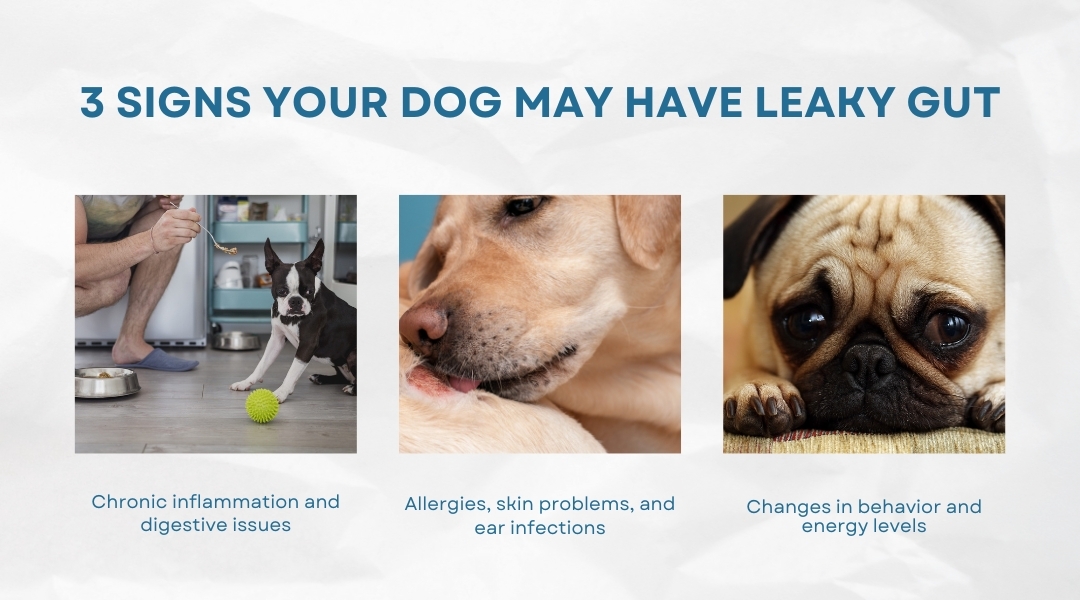
Leaky gut in dogs affects more than just digestion. It can cause various signs that pet owners must notice early. Recognizing symptoms helps in managing and improving your dog's health. Symptoms vary but often include physical and behavioral changes. Understanding these signs supports timely care and dietary adjustments.
Digestive Issues To Watch For
- Frequent diarrhea or loose stools
- Chronic gas and bloating
- Constipation or irregular bowel movements
- Vomiting without clear cause
- Loss of appetite or picky eating habits
- Weight loss despite normal food intake
- Visible discomfort after meals
Behavioral Changes Linked To Gut Health
- Increased irritability or restlessness
- Excessive licking or chewing of skin
- Unusual lethargy or tiredness
- Signs of anxiety or stress
- Difficulty concentrating or reduced playfulness
- Frequent scratching or skin inflammation
Causes Of Leaky Gut In Dogs
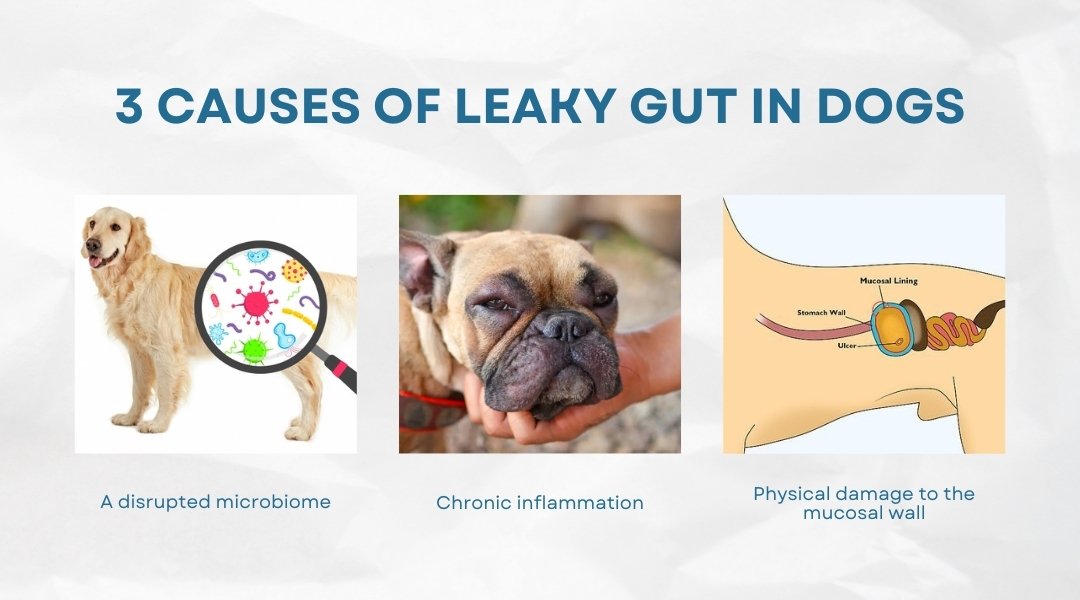
Understanding what causes leaky gut in dogs is crucial for choosing the right diet and care. This condition happens when the lining of your dog’s intestines becomes damaged, allowing harmful substances to enter the bloodstream. Let’s break down some common causes that might be affecting your furry friend.
Dietary Triggers
What your dog eats plays a huge role in gut health. Foods high in artificial additives, preservatives, or common allergens like grains and dairy can irritate the intestinal lining. Have you noticed your dog’s symptoms worsen after certain meals? That’s often a sign of dietary triggers causing or worsening leaky gut.
Processed kibble with fillers and low-quality ingredients can also contribute to inflammation. Switching to whole, natural foods might reduce irritation and support healing. You might want to keep a food diary to track what seems to cause flare-ups.
Environmental Factors
Dogs are exposed to many environmental toxins that can harm their gut. Chemicals in pesticides, cleaning products, or polluted air can stress the digestive system. Do you live in an area with heavy pollution or use harsh chemicals around your pet?
Stress is another environmental factor that often gets overlooked. Just like in humans, stress can increase gut permeability in dogs. Consider your dog’s daily routine and whether sudden changes or anxiety might be playing a role.
Underlying Health Conditions
Sometimes, leaky gut is a symptom of other health problems. Chronic infections, autoimmune diseases, or hormone imbalances can weaken the gut lining. Has your dog been diagnosed with any ongoing health issues that might link to gut problems?
Parasites and bacterial imbalances are common culprits too. Treating these underlying conditions is essential for restoring gut health. Working closely with your vet can help identify and address these hidden causes.
Key Nutrients For Gut Healing
Healing a dog’s leaky gut requires specific nutrients that support the digestive system. These key nutrients help reduce inflammation, repair the gut lining, and restore healthy bacteria. Feeding the right foods can improve your dog’s comfort and overall health.
Probiotics And Prebiotics
Probiotics are good bacteria that boost gut health. They balance the digestive system and fight harmful microbes. Prebiotics feed these good bacteria, helping them grow stronger.
- Yogurt with live cultures
- Fermented vegetables like sauerkraut
- Chicory root and pumpkin
Including probiotics and prebiotics can ease digestion and support healing.
Omega-3 Fatty Acids
Omega-3 fatty acids reduce inflammation in the gut. They help repair damaged tissues and improve immune function.
- Fish oil supplements
- Flaxseed oil
- Fatty fish such as salmon
These fats promote a healthy gut lining and reduce discomfort.
Amino Acids And Vitamins
Amino acids help rebuild the gut lining and support immune health. Vitamins like A, C, and E protect cells and reduce inflammation.
- Bone broth for amino acids
- Carrots and spinach for vitamin A
- Blueberries for vitamin C
- Sunflower seeds for vitamin E
Proper intake of these nutrients accelerates gut recovery and strengthens your dog’s body.
Credit: www.volharddognutrition.com
Top Healing Foods For Dogs
Choosing the right foods for a dog with leaky gut can make a significant difference in their healing process. The goal is to soothe the digestive tract, reduce inflammation, and support gut lining repair. Here are some top healing foods that you can easily add to your dog’s diet to promote recovery and improve their overall health.
Bone Broth Benefits
Bone broth is a powerful healing food for dogs with leaky gut. It contains collagen, gelatin, and amino acids that help rebuild the gut lining and reduce inflammation.
Many pet owners, including myself, have seen noticeable improvements after adding bone broth to meals. It’s easy to prepare at home by simmering bones with water, and you can even freeze it in portions for convenience.
Have you tried giving your dog bone broth yet? It’s a simple step that could bring big benefits.
Pumpkin And Sweet Potatoes
Pumpkin and sweet potatoes are gentle on your dog’s stomach and packed with fiber, which supports healthy digestion. These foods help regulate bowel movements and provide essential vitamins like beta-carotene and vitamin C.
Adding a small amount of cooked pumpkin or mashed sweet potatoes to your dog’s meals can soothe irritation and improve gut health. They’re also low in calories, making them great options for dogs needing weight management.
Why not mix a spoonful into their next meal and observe how their digestion responds?
Fermented Foods
Fermented foods such as plain yogurt, kefir, or specially formulated dog probiotics introduce beneficial bacteria to your dog’s gut. These probiotics help restore balance and strengthen the immune system.
Be cautious with store-bought options; always choose unsweetened and natural products. You can start with small amounts to see how your dog tolerates them.
Have you noticed changes in your dog’s energy or stool quality after adding probiotics?
Lean Proteins
Lean proteins like chicken, turkey, or fish provide the building blocks your dog’s body needs without causing extra digestive stress. Avoid fatty cuts or processed meats, which can aggravate gut issues.
Cooking these proteins thoroughly and serving them plain helps ensure they’re easy to digest. This encourages your dog’s gut to heal while still getting enough protein for energy and muscle repair.
What lean protein does your dog prefer, and how do they respond when it’s cooked simply?
Foods To Avoid With Leaky Gut
Choosing the right foods for a dog with leaky gut is crucial. Certain ingredients can worsen symptoms and delay healing. Avoiding these foods helps protect the digestive lining and supports recovery.
Grains And Fillers
Many commercial dog foods contain grains like wheat, corn, and soy. These can irritate the gut lining and cause inflammation. Fillers, such as by-products and cheap starches, provide little nutrition. They may trigger allergic reactions or digestive upset.
- Wheat
- Corn
- Soy
- Rice (in large amounts)
- By-products and fillers
Artificial Additives
Artificial colors, flavors, and preservatives often appear in dog treats and foods. These chemicals can disrupt gut bacteria and harm intestinal cells. Avoid products with artificial additives to reduce gut stress.
- Artificial colors (e.g., Red 40, Blue 2)
- Artificial flavors
- Preservatives like BHA, BHT, and ethoxyquin
Dairy And Sugars
Dairy products can be hard for dogs to digest. Lactose intolerance is common and causes bloating or diarrhea. Sugars feed harmful gut bacteria and worsen inflammation. Skip sugary treats and limit dairy to support gut health.
- Milk and cheese
- Ice cream
- Added sugars and sweeteners

Credit: www.amazon.com
Sample Meal Plans For Gut Repair
Creating meal plans that support gut repair is essential for dogs with leaky gut. Proper nutrition helps soothe the digestive system and rebuild the gut lining. Balanced meals with the right ingredients can improve your dog’s health and comfort.
Below are sample meal ideas to guide you. These plans focus on gentle, nutrient-rich foods that support healing and reduce inflammation.
Homemade Recipes
- Chicken and Pumpkin Stew:Boiled chicken breast, cooked pumpkin, and a small amount of bone broth. Pumpkin aids digestion and soothes the gut.
- Turkey and Sweet Potato Mix:Ground turkey cooked with mashed sweet potato and steamed green beans. Sweet potatoes provide fiber and vitamins for gut health.
- Fish and Rice Bowl:Steamed white fish with cooked white rice and a splash of olive oil. Fish offers omega-3 fatty acids to reduce inflammation.
- Bone Broth Soup:Homemade bone broth with soft vegetables like carrots and zucchini. Bone broth supports gut lining repair and hydration.
Commercial Diet Options
- Limited Ingredient Diets:These diets use fewer ingredients to reduce allergens and gut irritants. Brands often focus on novel proteins like duck or venison.
- Hydrolyzed Protein Formulas:Proteins broken down into small parts, making them easier to digest and less likely to trigger reactions.
- Grain-Free Gut Support Foods:Special diets designed without grains to lower inflammation. Look for formulas with added probiotics and prebiotics.
- Prescription Gut Health Diets:Vet-recommended foods formulated for gut healing and immune support. These diets contain balanced nutrients for repair.
Supplement Options For Support
Supporting a dog with leaky gut requires more than just diet changes. Supplements can play a key role in healing and comfort. They help improve digestion and reduce inflammation.
Choosing the right supplements helps ease symptoms and promotes gut repair. It is important to select safe and gentle options tailored for dogs.
Digestive Enzymes
Digestive enzymes aid in breaking down food effectively. They help the dog's body absorb nutrients better. This reduces stress on the gut lining and supports healing.
- Look for enzymes containing protease, lipase, and amylase.
- These enzymes target proteins, fats, and carbohydrates.
- They can reduce gas, bloating, and discomfort.
- Always use enzyme supplements designed specifically for dogs.
Adding digestive enzymes to meals can improve nutrient absorption. This supports the damaged gut lining and overall health.
Herbal Remedies
Herbal remedies offer natural support for leaky gut in dogs. Many herbs have anti-inflammatory and soothing properties.
- Slippery elm helps coat and protect the digestive tract.
- Chamomile reduces inflammation and calms the gut.
- Licorice root supports tissue repair and balances gut flora.
- Marshmallow root soothes irritation and promotes healing.
These herbs are gentle and work well with other treatments. Always consult a vet before starting herbal supplements to ensure safety.
Tips For Feeding And Monitoring
Feeding a dog with leaky gut requires careful attention and patience. You want to provide foods that support healing without causing more irritation. Monitoring your dog’s reaction to new foods helps you make better choices and adjust the diet as needed.
Transitioning Diets Safely
Switch your dog’s food slowly over 7 to 10 days. Start by mixing a small amount of the new diet with their current food. Gradually increase the new food portion while decreasing the old.
This slow change reduces digestive upset and lets you spot any negative reactions early. If your dog shows signs of discomfort, pause the transition and consult your vet.
Tracking Progress And Symptoms
Keep a daily journal to note your dog’s appetite, stool quality, energy levels, and any unusual behavior. This record helps you identify patterns or triggers that might worsen symptoms.
Ask yourself: Is your dog’s stool firmer or looser? Are they more or less energetic? Such details guide you in tweaking their meals or seeking medical advice.
- Note food ingredients that seem to cause flare-ups
- Record any new supplements or medications
- Track hydration and water intake
Patience and observation are your best tools. This approach not only supports healing but also deepens your understanding of your dog’s unique needs.
Frequently Asked Questions
What Foods Help Heal A Dog’s Leaky Gut?
Feeding easily digestible proteins like boiled chicken or turkey aids healing. Include pumpkin and sweet potatoes for fiber. Probiotics also support gut health by restoring good bacteria and reducing inflammation.
Can Grain-free Diets Improve Leaky Gut In Dogs?
Grain-free diets can reduce gut irritation for some dogs. Avoid common allergens like corn and wheat. Instead, focus on wholesome, natural ingredients to promote gut healing and reduce inflammation.
Should I Add Supplements For My Dog’s Leaky Gut?
Yes, supplements like probiotics, digestive enzymes, and omega-3 fatty acids help. They support digestion, reduce inflammation, and strengthen the gut lining. Always consult your vet before adding supplements to your dog’s diet.
How Often Should I Feed A Dog With Leaky Gut?
Feed smaller, frequent meals throughout the day. This eases digestion and reduces gut stress. Aim for three to four meals daily with balanced, gut-friendly ingredients.
Conclusion
Feeding a dog with leaky gut needs care and patience. Choose foods that heal and soothe the gut lining. Avoid ingredients that cause inflammation or allergies. Include easy-to-digest proteins and natural fibers. Always watch your dog's reaction to new foods.
Consistency helps your dog’s gut recover and stay strong. Healthy eating supports overall health and comfort. Keep learning and adjusting to your dog’s needs. Small changes can make a big difference over time. Your dog deserves gentle care and good nutrition every day.