If your dog is struggling with constipation, you’re likely worried and eager to help. You want to see your furry friend comfortable and happy again, but figuring out what to feed can feel confusing.
The right foods can make a big difference in easing your dog’s discomfort and getting their digestion back on track. You’ll discover simple, effective feeding tips that can relieve constipation and keep your dog healthy. Keep reading—you’re just a few steps away from helping your dog feel better fast.
Causes Of Dog Constipation
Constipation in dogs occurs when bowel movements become infrequent or difficult. Understanding the causes helps in choosing the right diet and care. Several factors can lead to constipation, affecting a dog’s comfort and health.
Dietary Factors
Food plays a major role in digestion. Low fiber diets often cause hard stools. Lack of water intake also makes stools dry and tough. Feeding inappropriate or spoiled food can disrupt digestion. Sudden changes in diet may upset the bowel routine.
Lack Of Exercise
Exercise stimulates bowel movement. Dogs that stay inactive tend to have slow digestion. Muscle tone in the intestines weakens without regular activity. Daily walks and playtime help keep the digestive system active. Lack of movement often leads to constipation.
Medical Conditions
Health issues can block or slow stool passage. Conditions like dehydration, kidney disease, or arthritis may cause constipation. Obstructions or tumors in the intestines also create problems. Certain medications may cause digestive side effects. Regular vet check-ups can identify these causes early.
Symptoms To Watch For
Spotting constipation in your dog early can make a big difference in how quickly you help them feel better. Knowing what signs to look for helps you act fast and adjust their diet or seek care if needed. Keep an eye on specific changes in their habits and behavior to catch constipation before it becomes serious.
Changes In Bowel Movements
One of the clearest signs of constipation is a change in your dog’s bathroom routine. You might notice fewer trips outside or difficulty during bowel movements. Hard, dry stools or straining without producing much can indicate your dog is constipated.
Have you ever seen your dog spend a long time trying to poop but nothing comes out? That’s a red flag. Also, watch for smaller or pellet-like stools, which often mean they need more fiber or water in their diet.
Behavioral Signs
Your dog might act differently if they’re uncomfortable from constipation. They can become restless or irritable, pacing or whining more than usual. Some dogs avoid their usual activities or seem less interested in playing or eating.
Think about how your dog usually behaves—any sudden change could be a clue. If your pet is hiding or seems withdrawn, constipation might be causing them discomfort they can’t express.
Physical Discomfort
Constipation often comes with clear signs of pain or discomfort. Your dog might have a tucked tail, a tense belly, or show sensitivity when you gently press their abdomen. Some dogs even scoot on the floor or lick their rear more frequently.
Have you felt your dog’s belly and noticed unusual tightness or swelling? That can mean their intestines are backed up. Paying attention to these physical clues helps you decide when to change their food or visit a vet.
Foods That Help Relieve Constipation
When your dog is dealing with constipation, the right foods can make a big difference. Certain ingredients help soften stools and encourage regular bowel movements. Knowing which foods to feed can ease your dog's discomfort and support digestive health naturally.
High-fiber Options
Fiber is essential for moving things along in your dog’s digestive tract. Adding high-fiber foods can bulk up stool and stimulate bowel movements.
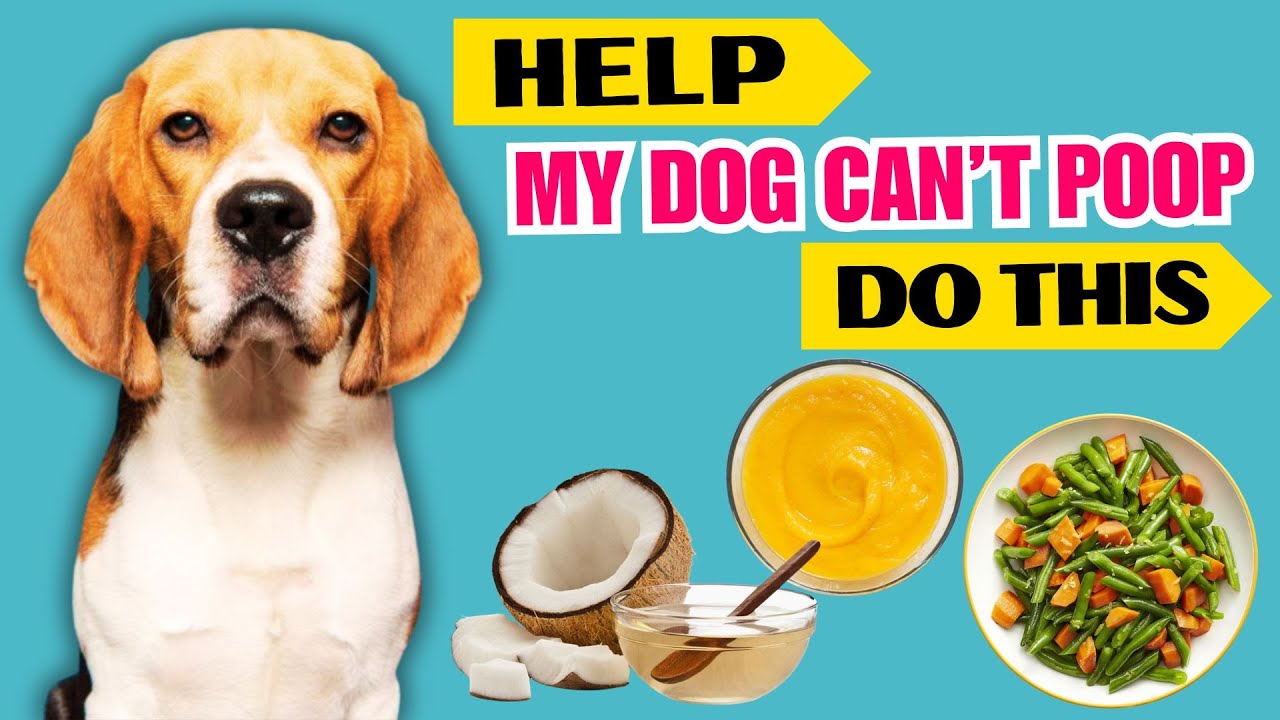
- Pumpkin:Plain canned pumpkin (not pie filling) is a favorite among pet owners. It’s rich in soluble fiber that helps regulate digestion.
- Oatmeal:Cooked plain oatmeal provides gentle fiber and is easy on your dog’s stomach.
- Green Beans:Steamed or boiled green beans add fiber and moisture without extra calories.
Hydrating Ingredients
Dehydration often worsens constipation. Feeding foods with high water content helps keep stools soft and easier to pass.
- Cucumber:This crunchy veggie contains mostly water and can hydrate your dog while adding fiber.
- Watermelon:Small amounts of seedless watermelon can provide hydration and natural sugars to encourage digestion.
- Broth:Adding low-sodium chicken or beef broth to your dog’s food can increase fluid intake without forcing water down.
Natural Laxatives
Some natural foods act like gentle laxatives and can help relieve constipation safely.
- Aloe Vera:A tiny amount of aloe vera juice may soothe the digestive tract and promote bowel movements. Always check with your vet before use.
- Olive Oil:Adding a small spoonful of olive oil to your dog’s meal can lubricate the intestines and ease stool passage.
- Prunes:While not common dog food, a small amount of mashed prunes can stimulate bowel activity, but use sparingly to avoid diarrhea.
Have you ever noticed how even small changes in your dog’s diet can quickly improve their bathroom habits? Paying attention to what you feed during constipation can save you stressful vet visits and keep your furry friend comfortable.

Credit: www.petmd.com
Homemade Remedies For Constipated Dogs
When your dog is struggling with constipation, you want to help quickly and safely. Homemade remedies can be a gentle way to ease their discomfort without rushing to medications. These options are simple, natural, and often found right in your kitchen.
Pumpkin Puree
Pure pumpkin is a top choice for relieving constipation in dogs. It’s high in fiber, which helps soften stool and encourages regular bowel movements.
Add a small spoonful of plain canned pumpkin (not pumpkin pie filling) to your dog’s food. You’ll likely see results within a day or two. Have you noticed how just a little fiber can make a big difference?
Olive Oil
A bit of olive oil can lubricate your dog's digestive tract, making it easier for stool to pass. It also adds healthy fats that support digestion.
Mix about a teaspoon of olive oil into your dog’s meal. Avoid giving too much to prevent diarrhea. Have you tried this simple oil trick before?
Probiotic Supplements
Probiotics help balance the good bacteria in your dog’s gut, which supports healthy digestion and regular bowel movements. They can be especially useful if constipation follows a course of antibiotics.
You can find probiotic supplements designed specifically for dogs at pet stores or from your vet. Adding these to your dog’s diet might take a few days to show effects, but they promote long-term digestive health. Could boosting gut bacteria be the key to your dog’s comfort?
Foods To Avoid During Constipation
Choosing the right foods for a constipated dog is key. Some ingredients can make constipation worse. Avoiding certain foods helps your dog feel better faster. Here are the main types of foods to keep away from during constipation.
Low-fiber Ingredients
Low-fiber foods slow digestion. This can make constipation last longer. Examples include white rice, white bread, and plain pasta. These foods do not add bulk to the stool. Avoid feeding these to your constipated dog.
Dairy Products
Dairy can upset a dog’s stomach. Many dogs cannot digest lactose well. Milk, cheese, and yogurt may cause diarrhea or worsen constipation. Skip dairy until your dog's digestion improves.
Fatty And Processed Foods
Fatty foods slow down the gut movement. Processed snacks and fast food are high in fat and low in nutrients. These foods can lead to harder stools and discomfort. Keep your dog away from greasy or processed items during constipation.
Credit: www.youtube.com
When To See A Vet
Knowing when to seek veterinary care for your constipated dog is crucial. Not every case needs a vet visit, but some signs indicate a deeper problem. Paying attention to these signs can save your dog from unnecessary pain and complications.
Persistent Symptoms
If your dog's constipation lasts more than two days despite dietary changes, it's time to see a vet. Occasional constipation can happen, but persistent symptoms suggest something more serious.
Watch for repeated straining or dry, hard stools that don’t improve. Ignoring this can lead to discomfort and other health risks.
Severe Discomfort
Notice if your dog is whining, pacing, or showing signs of pain. These behaviors often mean your dog is struggling and needs professional help.
Loss of appetite and lethargy combined with constipation signal severe discomfort. Don’t wait; prompt vet attention is necessary to relieve their suffering.
Underlying Health Issues
Constipation can be a symptom of other health problems like dehydration, obstructions, or diseases affecting the digestive tract.
If your dog has other symptoms like vomiting, weight loss, or changes in behavior, consult your vet immediately. Only a professional can diagnose and treat these underlying issues properly.
Preventing Future Constipation
Preventing future constipation in your dog is key to keeping them happy and healthy. Consistent care through diet, exercise, and hydration plays a huge role in maintaining smooth digestion. Let’s look at simple, practical ways you can help your furry friend avoid constipation down the road.
Balanced Diet Tips
A diet rich in fiber is essential for your dog’s digestive health. Adding small amounts of pumpkin or sweet potato can make a big difference. You might also want to include high-quality dog food that supports gut health without too many fillers.
Be careful with treats and avoid foods that are too rich or low in fiber. Have you noticed how your dog reacts to different foods? Paying attention can help you adjust their meals for better digestion.
Regular Exercise
Exercise isn’t just good for your dog’s muscles—it keeps their digestive system active too. Daily walks or play sessions help stimulate bowel movements naturally. Even gentle stretching or light activity after meals can encourage regularity.
If your dog seems sluggish, try increasing their activity gradually. How often do you make time for active play with your dog? This small habit can have a big impact on preventing constipation.
Hydration Strategies
Water is crucial to prevent constipation. Ensure your dog always has fresh, clean water available throughout the day. Some dogs prefer running water, so a pet water fountain might encourage them to drink more.
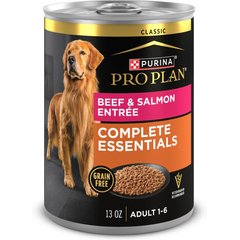
You can also add moisture to their food by mixing in wet dog food or broth. Have you tried offering ice cubes or flavored water? These little changes might help your dog stay hydrated and avoid future digestive issues.
Credit: www.petmd.com
Frequently Asked Questions
What Foods Help Relieve Dog Constipation Quickly?
High-fiber foods like pumpkin, canned green beans, and sweet potatoes help relieve dog constipation. These foods soften stool and improve digestion. Always introduce fiber gradually and provide plenty of fresh water to support bowel movements.
Can I Feed My Constipated Dog Pumpkin?
Yes, plain canned pumpkin is excellent for dog constipation. It is rich in fiber and moisture, which eases stool passage. Avoid pumpkin pie filling as it contains added sugars and spices harmful to dogs.
How Much Water Should A Constipated Dog Drink?
Ensure your constipated dog drinks plenty of fresh water daily. Hydration softens stool and prevents constipation. Offer water frequently and encourage drinking, especially if feeding high-fiber foods that require extra fluids.
Are There Foods To Avoid For Constipated Dogs?
Avoid feeding dogs high-fat, processed, or dairy-heavy foods when constipated. These can worsen constipation or upset digestion. Stick to a bland, fiber-rich diet until normal bowel movements resume.
Conclusion
Feeding a constipated dog requires care and attention. Prioritize high-fiber foods. Pumpkin and sweet potatoes can help. Ensure your dog drinks plenty of water daily. Regular hydration is key. Avoid giving dry kibble alone. Mix it with wet food. It's also wise to consult your vet.
They can provide guidance tailored to your dog's needs. Remember, every dog is different. Some may need more help than others. Keep a close watch on your dog's condition. Addressing constipation early can prevent complications. Your furry friend deserves comfort and health.