If your cat is scratching more than usual or showing signs of digestive trouble, food allergies might be the hidden cause. You want to give your furry friend the best diet, but finding the right food can feel confusing and overwhelming.
What exactly should you feed a cat with food allergies? You’ll discover simple, effective tips to choose safe and healthy meals that keep your cat happy and comfortable. Keep reading to learn how to protect your cat’s health and enjoy worry-free mealtime together.
Common Cat Food Allergies
Common cat food allergies affect many cats and cause discomfort. These allergies occur when a cat’s immune system reacts to certain ingredients in their food. Knowing which foods often cause allergies helps in choosing the right diet for your cat.
Some ingredients trigger allergic reactions more than others. Protein sources like beef, chicken, and fish are frequent allergens. Grains such as corn and wheat can also cause issues. Dairy products might upset sensitive cats too.
Symptoms Of Food Allergies
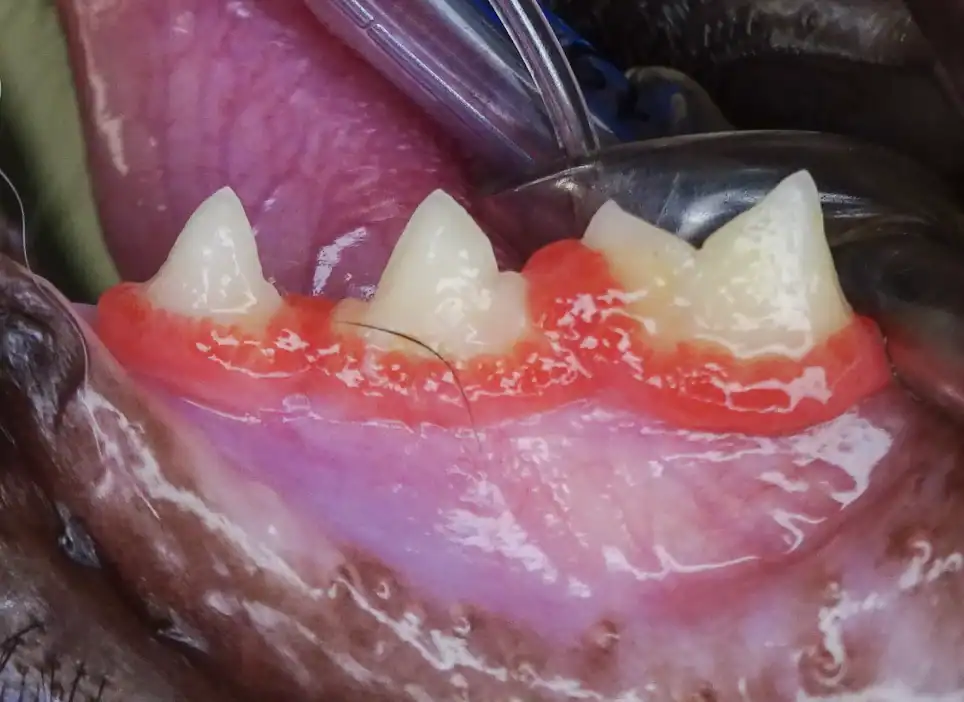
Symptoms vary but often include itchy skin and hair loss. Cats may scratch or bite themselves a lot. Red, inflamed skin is common around the face, ears, and paws. Some cats develop ear infections or have chronic vomiting and diarrhea. Changes in appetite or behavior can also signal allergies.
Identifying Allergens
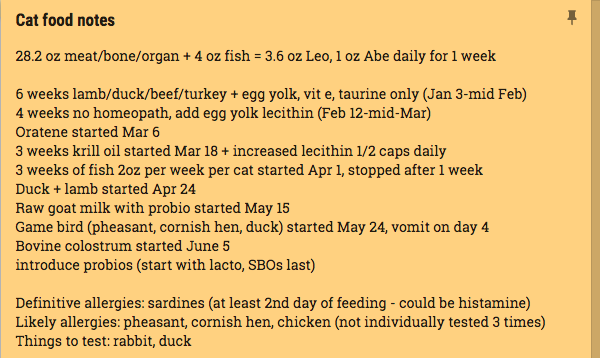
Finding the allergen requires careful observation and testing. A food elimination trial helps by feeding a simple diet without common allergens. Slowly adding ingredients back one at a time shows which cause reactions. Veterinary guidance is important to ensure safe testing. Keeping a food diary tracks what your cat eats and any symptoms.
Credit: www.fullbuckethealth.com
Choosing Hypoallergenic Cat Foods
Choosing hypoallergenic cat foods can make a huge difference if your feline friend suffers from food allergies. These specialized diets aim to reduce allergic reactions by limiting exposure to common allergens. Understanding the types of hypoallergenic options available helps you make informed choices for your cat's health and happiness.
Limited Ingredient Diets
Limited ingredient diets focus on using fewer ingredients to minimize the chance of triggering allergies. These foods often contain one protein source and a limited number of carbohydrates. This simplicity helps you pinpoint exactly what your cat can tolerate.
Look for products that list a single animal protein, such as chicken or fish, and avoid meals with fillers like corn, wheat, or soy. I once switched my cat to a limited ingredient diet after constant itching. Within weeks, her symptoms improved noticeably, proving how effective these diets can be.
Novel Protein Sources
Novel protein sources are proteins your cat hasn’t eaten before, making them less likely to cause allergic reactions. Examples include duck, venison, rabbit, or even kangaroo. These proteins provide alternatives when common ones like beef or chicken trigger issues.
Have you considered what proteins your cat has never tried? Introducing novel proteins could be the key to reducing allergy flare-ups. Many pet food brands now offer formulas with these unique proteins, giving you more options to try.
Safe Protein Options
Choosing the right protein is crucial when feeding a cat with food allergies. Proteins are the building blocks of your cat’s diet, but some common sources can trigger allergies. Finding safe alternatives not only supports your cat’s health but also keeps mealtime enjoyable.
Duck And Rabbit
Duck and rabbit are less common proteins, which makes them excellent choices for cats with allergies. These proteins often avoid the typical allergens found in chicken or beef. You might find rabbit especially gentle on sensitive stomachs, while duck offers rich nutrients and a unique flavor.
Many cat owners notice improvement in allergy symptoms after switching to these options. Have you ever considered trying duck or rabbit if your cat’s current food causes itching or digestive upset?
Venison And Bison
Venison and bison are great novel protein sources for allergic cats. These meats are lean and nutrient-dense, providing essential amino acids without common allergens. Venison, in particular, can help reduce inflammation linked to allergies.
Adding venison or bison to your cat’s diet can be a game-changer. They are less processed and often come from grass-fed animals, which might contribute to better overall health for your pet.
Fish Varieties
Fish like salmon, whitefish, and trout can be safe protein options, but you should proceed with caution. Some cats develop allergies to fish, so it’s important to introduce these proteins slowly. Fish is rich in omega-3 fatty acids, which can help soothe skin irritation.
Have you checked whether your cat tolerates fish well? Rotating fish varieties may prevent allergic reactions and keep your cat interested in meals.
Credit: www.petmd.com
Grain-free And Alternative Carbohydrates
Cats with food allergies benefit from diets free of common grains. Grain-free and alternative carbohydrates often reduce allergy symptoms. These carbs provide energy without triggering allergic reactions. They also support digestion and overall health. Choosing the right alternatives helps keep your cat happy and healthy.
Sweet Potatoes And Peas
Sweet potatoes offer a gentle, nutritious carb source. They are rich in fiber and vitamins. Peas provide protein and fiber, aiding digestion. Both ingredients are less likely to cause allergies. Many grain-free cat foods include sweet potatoes and peas.
Quinoa And Pumpkin
Quinoa is a seed with high protein and essential amino acids. It is easy to digest and grain-free. Pumpkin supports digestion and adds fiber to the diet. These ingredients help maintain a balanced diet for sensitive cats. They offer variety while avoiding common allergens.
Homemade Diets For Allergic Cats
Creating a homemade diet for a cat with food allergies can be a safe and healthy choice. It allows control over every ingredient, helping to avoid allergens. Homemade meals can be tailored to meet your cat’s specific dietary needs. Preparing food at home ensures freshness and quality, which benefits your cat’s overall health.
Balanced Meal Preparation
Ensure the meal contains protein, fats, and carbohydrates in correct amounts. Use novel protein sources like duck, rabbit, or venison to avoid common allergens. Include easily digestible carbohydrates such as rice or sweet potatoes. Vegetables like carrots and peas add fiber and vitamins. Cook all ingredients thoroughly to improve digestion and kill bacteria. Avoid using onion, garlic, or spices that can harm cats.
Measure ingredients carefully to maintain balance in nutrients. Protein should be the main part of the meal, about 40-50%. Carbohydrates should be limited but present for energy. Fats are essential for skin and coat health. Water must always be available to keep your cat hydrated.
Supplements And Vitamins
Homemade diets often lack some essential nutrients. Use supplements to fill gaps and keep your cat healthy. Common supplements include taurine, calcium, and omega-3 fatty acids. Taurine supports heart and eye health. Calcium is vital for bones and teeth. Omega-3 helps reduce inflammation and supports the immune system.
Consult your veterinarian to choose the right supplements. Use them as directed to avoid over-supplementing. Keep a consistent schedule for supplement administration. Monitor your cat’s response to the diet and adjust as needed. Regular vet visits help ensure your cat stays healthy on a homemade diet.
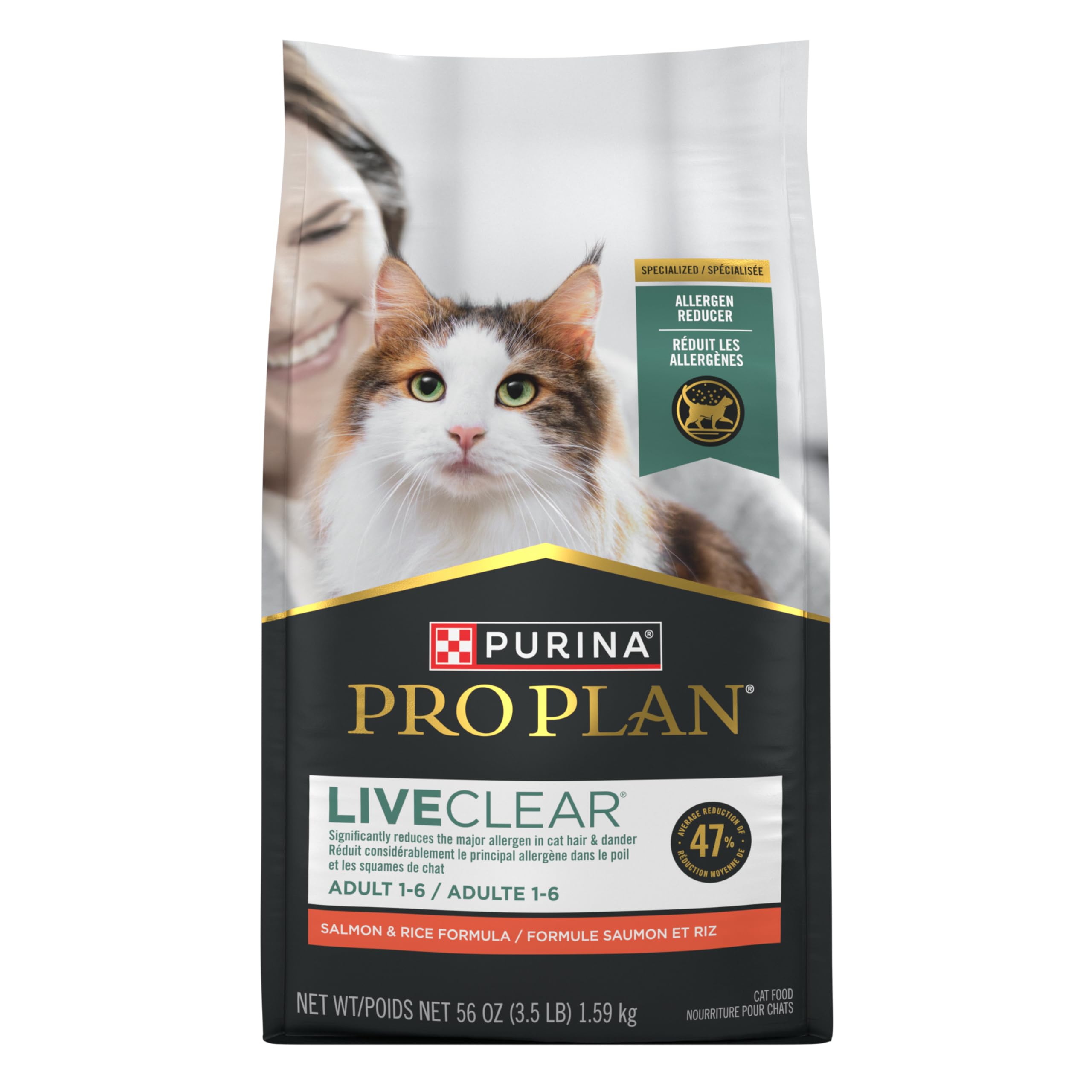
Credit: www.amazon.ca
Treats And Snacks For Sensitive Cats
Treats and snacks can brighten your cat’s day. Sensitive cats with food allergies need special care. Their treats must avoid common allergens. Choosing the right snacks supports their health and happiness.
Safe Store-bought Treats
Many brands offer treats designed for sensitive cats. Look for labels that say “hypoallergenic” or “limited ingredient.” These treats often exclude common allergens like wheat, corn, and dairy. Some safe options include:
- Freeze-dried meat treats (chicken, turkey, or fish)
- Grain-free cat treats
- Novel protein treats (rabbit, venison, or duck)
Check ingredient lists carefully. Avoid artificial colors, flavors, and preservatives. Small, simple treats reduce allergy risks.
Diy Treat Ideas
Homemade treats let you control every ingredient. Use fresh, single-protein foods your cat tolerates well. Here are easy ideas:
- Baked chicken strips (no seasoning)
- Pureed pumpkin frozen in small cubes
- Boiled fish flakes (no bones or skin)
Always introduce new treats slowly. Watch for any allergy symptoms like itching or vomiting. Homemade snacks can be safe, tasty rewards for sensitive cats.
Monitoring And Adjusting Diet
Keeping a close eye on your cat’s diet is key when managing food allergies. The right food today might need a tweak tomorrow. Monitoring and adjusting your cat’s diet helps you spot what works and what doesn’t, ensuring your furry friend stays comfortable and healthy.
Tracking Reactions
Start by keeping a detailed log of everything your cat eats and any reactions that follow. Note symptoms like itching, digestive upset, or changes in behavior. This record helps you identify patterns and pinpoint problem ingredients.
Use a simple notebook or a mobile app to track daily meals and reactions. Include the brand, flavor, and portion size. Don't forget to jot down treats and supplements, as these can also trigger allergies.
Ask yourself: Does your cat’s itching flare up after eating a certain food? Is there a pattern to their digestive issues? This ongoing tracking gives you clear clues about which foods to avoid or reintroduce carefully.
Working With Your Veterinarian
Your veterinarian is your best ally in managing your cat’s food allergies. Share your detailed food and reaction log during visits to help them make informed recommendations. They might suggest an elimination diet or allergy testing.
Regular check-ins allow your vet to assess your cat’s progress and adjust the diet plan as needed. Sometimes, what worked initially might need changes if symptoms persist or new issues arise.
Don’t hesitate to ask questions like: Could there be hidden allergens in the food? Is a prescription diet necessary? Your vet’s guidance combined with your observations creates a powerful strategy for keeping your cat allergy-free.
Frequently Asked Questions
What Are Common Food Allergies In Cats?
Common food allergies in cats include beef, dairy, fish, and chicken. These proteins often trigger allergic reactions such as itching and digestive upset.
How Can I Identify My Cat’s Food Allergy?
Look for symptoms like itching, vomiting, diarrhea, or hair loss. A vet can perform tests or recommend an elimination diet for accurate diagnosis.
What Foods Are Safe For Cats With Allergies?
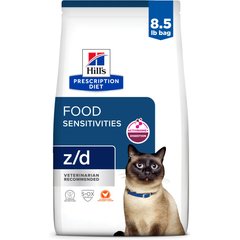
Hypoallergenic or limited ingredient diets are safest. Novel proteins like duck or venison often work well for allergic cats.
Can Homemade Diets Help Allergic Cats?
Yes, homemade diets allow control over ingredients. Consult a vet for balanced recipes that avoid allergens and meet nutritional needs.
Conclusion
Feeding a cat with food allergies requires careful attention. Stick to hypoallergenic foods. Consult your vet for personalized advice. They know your cat's needs best. Always check labels for allergens. Homemade diets can be an option. Ensure balanced nutrition. Consider limited ingredient foods.
Monitor your cat's reaction to new foods. Patience is key in finding the right diet. Your cat's health will improve with the right care. Stay informed and observant. Your furry friend deserves the best. Happy and healthy cats bring joy to the home.
You can make a difference in their well-being.