If your dog’s paw pad is ripped, you might feel worried and unsure about what to do next. Paw pads are tough, but injuries can happen easily when your dog walks on rough surfaces or steps on something sharp.
Ignoring the injury could cause your dog pain and make it harder for them to walk. You want to help your furry friend heal quickly and avoid infections. Keep reading to find out exactly how to handle a ripped paw pad, so you can act fast and keep your dog comfortable and safe.
Assessing The Injury
Assessing your dog's ripped paw pad is the first step to proper care. A careful check helps you know how bad the injury is. Early detection can prevent infection and speed healing. Stay calm and gentle to avoid stressing your pet.
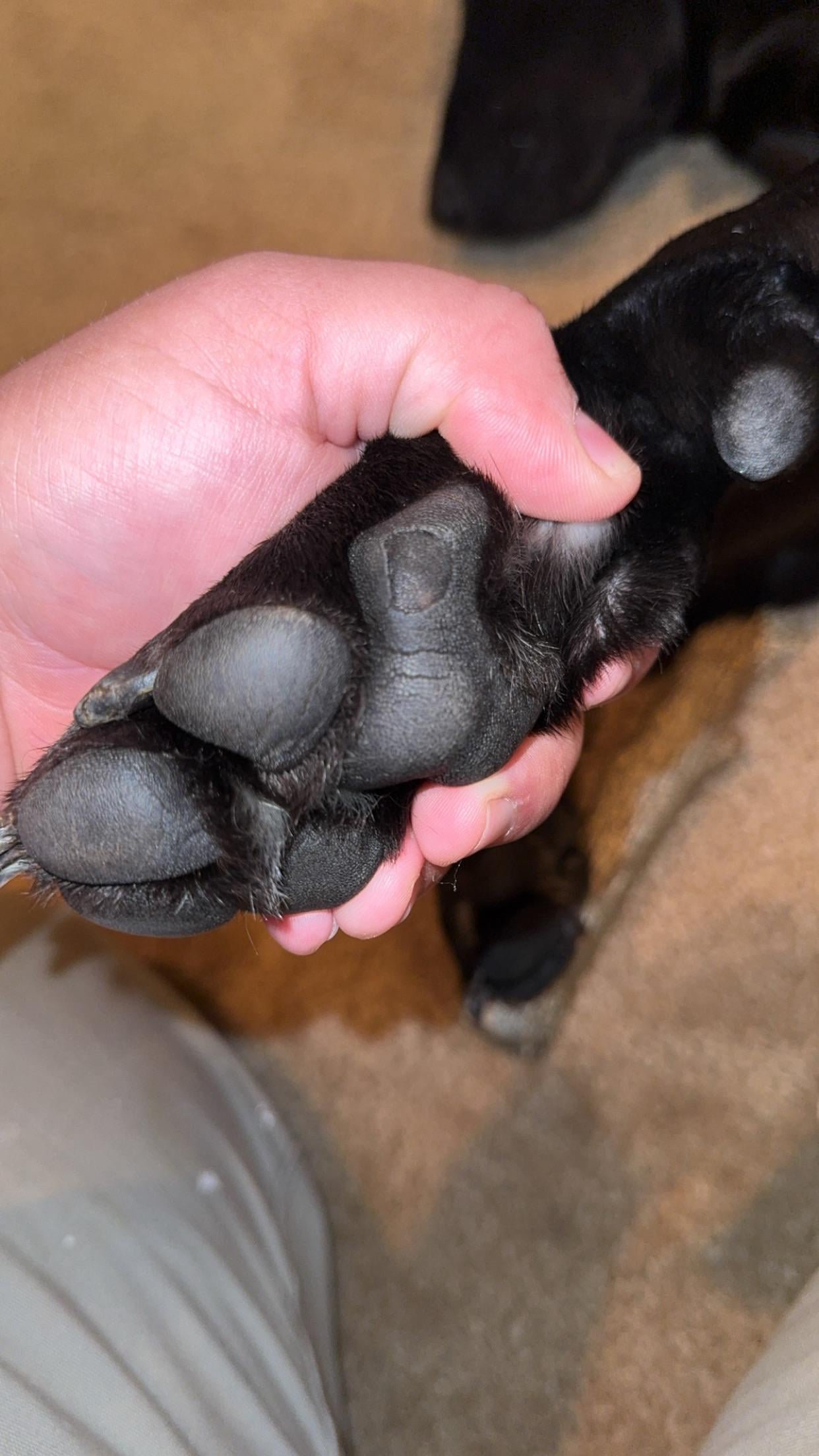
Signs Of A Torn Paw Pad
- Visible cuts or tears on the pad surface
- Bleeding or oozing from the injured area
- Swelling or redness around the paw
- Limping or reluctance to put weight on the paw
- Excessive licking or biting at the paw
- Whining or signs of pain when the paw is touched
Severity Levels To Watch For
| Severity | Signs | Action Needed |
|---|---|---|
| Mild | Small cuts, little bleeding, slight limping | Clean and monitor at home |
| Moderate | Deep tears, noticeable bleeding, swelling | Clean, bandage, and consult vet soon |
| Severe | Large open wound, heavy bleeding, severe pain | Immediate veterinary care required |

Credit: www.reddit.com
Immediate First Aid Steps
When a dog's paw pad is ripped, acting quickly is key. Immediate care helps reduce pain and prevent infection. Start by gently assessing the injury without causing more harm. Follow clear steps to clean, stop bleeding, and protect the wound properly.
Cleaning The Wound
Use lukewarm water to rinse dirt and debris from the paw. Avoid harsh soaps or chemicals that may irritate the skin. Gently pat the area dry with a clean cloth or gauze. Keep the wound as clean as possible to reduce infection risk.
Stopping The Bleeding
Apply gentle pressure with a sterile gauze or cloth. Hold pressure for several minutes until bleeding slows or stops. Avoid lifting the cloth to check too soon. If bleeding persists for more than 10 minutes, seek veterinary help immediately.
Applying A Bandage
Cover the wound with a non-stick sterile pad. Wrap the paw with a soft bandage, ensuring it is snug but not too tight. Check circulation by pressing a nail; color should return quickly. Change the bandage daily and watch for signs of swelling or discomfort.
When To See A Vet
Knowing when to see a vet after your dog’s paw pad is ripped can make all the difference in your pet’s recovery. Some injuries might look minor but can quickly turn serious if ignored. It’s important to recognize the signs that require professional care to prevent long-term damage or infection.
Critical Symptoms
- Excessive Bleeding:If the wound keeps bleeding even after applying pressure for several minutes, don’t wait. This could indicate a deep cut that needs stitches.
- Swelling and Redness:Noticeable swelling or a red, hot area around the injury can signal infection or inflammation.
- Limping or Refusal to Walk:If your dog suddenly stops putting weight on the paw, it’s a clear sign of pain or more severe injury.
- Visible Foreign Objects:Dirt, glass, or other debris stuck in the wound requires professional removal to avoid infection.
- Foul Odor or Discharge:Pus or an unpleasant smell suggests infection and needs immediate veterinary attention.
Potential Complications
Ignoring a ripped paw pad can lead to complications that are harder and more expensive to treat. Infection is the most common risk, which might spread and cause systemic illness. If your dog’s wound doesn’t heal properly, it could develop chronic pain or even permanent damage to the paw.
Sometimes, a damaged pad affects your dog’s ability to walk normally, leading to stress on other joints and muscles. Have you noticed your dog favoring one leg for days? This could be a sign of deeper issues caused by the original injury.
Don’t hesitate to call your vet if the injury worsens or fails to improve within a few days. Early professional care can save your dog from unnecessary pain and prevent long-term problems.

Credit: www.reddit.com
Home Care Tips
Dealing with a ripped paw pad on your dog can be stressful, but your care at home plays a crucial role in their recovery. Proper attention can help prevent infection, ease your dog's discomfort, and speed up healing. Here are essential home care tips that you can apply right away to support your furry friend's paw pad healing process.
Keeping The Paw Clean
Start by gently rinsing the injured paw with lukewarm water to remove dirt and debris. Avoid using harsh soaps or chemicals that can irritate the wound further. Pat the paw dry with a clean, soft towel—never rub, as this can cause more damage.
After cleaning, apply a vet-approved antiseptic solution to reduce the risk of infection. You might find it helpful to prepare a small basin for soaking the paw if your dog tolerates it, which can keep the area clean without too much fuss.
Preventing Licking And Chewing
Dogs instinctively lick wounds, but this can introduce bacteria and delay healing. To stop your dog from licking or chewing the ripped pad, consider using an Elizabethan collar or a soft recovery cone. These tools are effective and usually well-tolerated once your dog gets used to them.
Alternatively, protective booties or bandages can shield the paw, but make sure they fit properly and don’t restrict circulation. Check the covering frequently to ensure it stays clean and dry, changing it as needed.
Monitoring Healing Progress
Watch your dog’s paw daily for signs of improvement or problems. Healthy healing looks like reduced redness, swelling, and discharge over time. If you notice increased swelling, foul odor, or your dog seems in more pain, these could be signs of infection requiring vet attention.
Keeping a simple journal of changes can help you track progress and provide useful information to your vet if needed. What small changes have you noticed that suggest your dog is healing well? Noticing these details can make a big difference in care decisions.
Pain Management Options
Pain management is crucial when a dog’s paw pad is ripped. Proper care helps reduce suffering and speeds healing. It prevents the dog from licking or biting the wound, which can cause infections. There are both safe home remedies and veterinary options to ease your dog’s pain.
Safe Over-the-counter Remedies
Some over-the-counter products can help manage your dog’s pain at home. Use only those made for pets. Avoid human medications, as many are toxic to dogs.
- Topical antiseptics:These clean the wound and reduce pain.
- Pet-safe pain relief sprays:They provide temporary relief and soothe inflammation.
- Cold compress:Applying a cold pack for a few minutes can ease swelling and numb pain.
- Protective booties:These prevent further injury and reduce discomfort while walking.
Always follow label instructions carefully. Watch your dog for any allergic reactions or worsening symptoms.
Veterinary Pain Relief
A vet can prescribe stronger pain medications if needed. These medicines are safe and effective under professional guidance.
- Non-steroidal anti-inflammatory drugs (NSAIDs):Reduce pain and swelling.
- Opioids:Used for severe pain in short-term cases.
- Antibiotics:Prevent or treat infections that cause pain.
- Bandaging and wound care:Vets may apply special dressings to protect the paw and reduce pain.
Veterinary care ensures proper healing and comfort. Never give your dog prescription medicine without vet advice.
Preventing Future Injuries
Preventing future injuries to your dog's paw pads is essential after a painful rip. Protecting their paws helps avoid infections and long healing times. Consistent care and smart choices keep your dog's paws healthy and strong. Take steps to reduce the risk of tears and cuts during walks and playtime.
Protective Footwear
Dog boots or paw protectors shield sensitive paw pads. They guard against rough surfaces, hot pavement, and sharp objects. Choose boots that fit well without causing discomfort. Look for durable materials that allow paw movement. Clean and dry the boots after each use to prevent irritation.
Safe Outdoor Practices
Check walking paths for hazards like broken glass or sharp stones. Avoid walking on hot or icy surfaces that can damage paw pads. Stick to grassy or smooth trails when possible. Trim your dog's nails regularly to prevent snagging. After outdoor activities, inspect paws for cuts, debris, or swelling.

Credit: www.reddit.com
Frequently Asked Questions
How Can I Tell If My Dog's Paw Pad Is Ripped?
Look for bleeding, limping, swelling, or visible tears on the paw pad. Your dog may lick or favor the injured paw.
What Immediate Steps Should I Take For A Ripped Paw Pad?
Clean the wound gently with warm water and mild soap. Apply a sterile bandage and keep your dog calm to prevent further injury.
When Should I Visit A Vet For A Ripped Paw Pad?
If bleeding is heavy, the wound is deep, or your dog shows severe pain, visit a vet immediately for proper treatment.
How Can I Prevent Infection In A Ripped Paw Pad?
Keep the wound clean and dry. Change bandages daily and use vet-approved antiseptics to avoid infection and promote healing.
Conclusion
Caring for your dog's ripped paw pad is important. Start with cleaning the area gently. Use an antiseptic to prevent infection. Keep the pad dry and protected. Bandage it securely, but not too tight. Watch for signs of healing or infection.
Rest is crucial for recovery. Avoid long walks and rough surfaces. If the injury worsens, consult your vet. Your dog's comfort and health are priorities. A little patience and care go a long way. Soon, your furry friend will be back on their paws, happy and healthy.