If your dog suddenly starts coughing and seems uncomfortable, you might be dealing with kennel cough. It’s a common but contagious illness that can worry any pet owner.
You want to help your furry friend feel better fast, but what exactly should you do? You’ll discover clear and simple steps to take if your dog has kennel cough. By the end, you’ll know how to ease their symptoms, protect other pets, and when to see a vet.
Keep reading to make sure your dog gets the care they need right away.

Credit: www.lilyskitchen.co.uk
Signs Of Kennel Cough
Recognizing the signs of kennel cough early can make a big difference in how quickly your dog recovers. This contagious respiratory infection often looks like a simple cough but can sometimes lead to more serious health issues if ignored. Knowing what to watch for helps you act fast and keep your furry friend comfortable.
Common Symptoms
You might notice a persistent, dry cough that sounds harsh or like your dog is trying to clear something from their throat.
Other symptoms include:
- Gagging or retching after coughing
- Runny nose or sneezing
- Loss of appetite or lethargy in some cases
- Occasional mild fever
Sometimes, the cough gets worse after exercise or excitement. Have you ever seen your dog suddenly start coughing after playing? That’s a key sign to pay attention to.
When To See A Vet
If the cough lasts more than two weeks or worsens, it’s time to consult your vet. Difficulty breathing, high fever, or coughing up blood are urgent signs that need immediate medical attention.
Your vet can provide treatments like antibiotics or cough suppressants to ease your dog's symptoms. Don’t wait until symptoms escalate—early care often prevents complications.

Credit: www.rover.com
Immediate Care Steps
Dealing with kennel cough in your dog can be stressful, but quick and thoughtful action makes a big difference. Immediate care focuses on reducing the spread of infection and helping your dog feel better fast. Let’s look at key steps you can take right away to support your furry friend’s recovery.
Isolate Your Dog
Keep your dog separated from other pets to avoid spreading kennel cough. Use a separate room or a confined area where your dog can rest comfortably. This helps protect both your other pets and dogs in your neighborhood if you have visitors.
Think about your dog’s social habits. Does your dog often meet other dogs at the park? Limiting contact for a few weeks can prevent a cycle of reinfection. Isolation doesn’t mean loneliness—spend quiet time with your dog to keep them company.
Keep Your Dog Hydrated
Hydration is essential when your dog is sick. Offer fresh water frequently, and watch if your dog drinks enough. Dehydration can worsen coughing and delay healing.
If your dog isn’t drinking on their own, try adding a little low-sodium broth to the water. Some dogs prefer wet food or ice cubes to encourage fluid intake. Have you noticed your dog drinking less water when under stress?
Create A Comfortable Space
A calm, warm, and draft-free space helps your dog rest and recover. Provide a soft bed away from noisy areas and avoid exposing your dog to cold or smoke. A humidifier can ease coughing by moistening your dog’s airways.
Consider your dog’s favorite toys or blankets to make the space inviting. Rest is more effective when your dog feels safe and comfortable. How can you adjust your home environment to make your dog feel cared for during illness?
Home Remedies For Relief
If your dog has kennel cough, managing the symptoms at home can make a big difference in their comfort and recovery. While veterinary care is essential, certain home remedies can provide soothing relief and help ease your dog's cough. These simple approaches are easy to try and can support your dog's healing process without extra stress.
Warm Steam Therapy
Warm steam helps loosen mucus and clear your dog's airways. You can create a steam-filled environment by running a hot shower in a bathroom and sitting with your dog in the room for about 10-15 minutes. Make sure your dog stays at a comfortable distance to avoid overheating, but close enough to benefit from the moisture in the air.
This method mimics the relief humans feel when using steam for colds. Have you noticed how your dog breathes easier after a humid environment? That’s the effect steam therapy aims for.
Honey For Soothing Throat
Honey is a natural throat soother and can reduce coughing spasms. Give your dog a small amount—about half a teaspoon—to coat their throat and calm irritation. Use raw, organic honey for the best effect, but avoid giving honey to puppies under one year old due to their sensitive digestive systems.
Many pet owners find honey helpful because it’s safe and easy to administer. Have you tried this sweet remedy with your dog during a cough episode?
Humidifiers To Ease Cough
Using a humidifier in your dog’s resting area adds moisture to the air, which can prevent dry, irritating coughs. Keep the humidifier clean to avoid mold and bacteria buildup that could worsen respiratory issues. Running it overnight can help your dog breathe more comfortably while they sleep.
Consider how dry air affects your own throat and lungs—your dog’s respiratory system reacts similarly. Could a simple humidifier be the missing piece in your dog’s recovery routine?
When To Use Medication
Knowing when to use medication for your dog’s kennel cough can make a big difference in their recovery. Not every case needs drugs, but sometimes medication is necessary to ease symptoms and prevent complications. Understanding the options available helps you make the best choice for your furry friend.
Over-the-counter Options
Some mild kennel cough cases can improve with over-the-counter (OTC) remedies. These include cough suppressants and throat soothers designed for dogs. Always check the label to ensure the product is safe for your pet, and avoid human medicines unless advised by a vet.
OTC options can help reduce coughing and discomfort, especially if your dog is otherwise healthy and eating well. However, if symptoms last more than a week or worsen, it’s a sign you might need stronger treatment.
Veterinary Prescriptions
Your vet may prescribe antibiotics if kennel cough symptoms are severe or last long. This is especially true if your dog shows signs of a secondary bacterial infection, like fever or lethargy. Medications like anti-inflammatory drugs can also reduce airway swelling and make breathing easier.
Some dogs need cough suppressants or bronchodilators prescribed by the vet to control persistent coughing. It’s crucial to follow the vet’s instructions exactly and never stop medication early, even if your dog seems better. Have you noticed your dog’s cough getting worse despite home care? That’s a clear signal to seek veterinary advice.
Preventing Kennel Cough
Preventing kennel cough protects your dog from this common, contagious illness. Taking simple steps reduces your dog’s risk and keeps them healthy. Focus on key areas like vaccination, avoiding risky places, and keeping clean spaces.
Vaccination Importance
Vaccines help build your dog’s defense against kennel cough. They reduce the chance of severe symptoms. Speak with your vet about the right vaccines for your dog. Regular boosters keep protection strong over time.
Avoiding High-risk Areas
Places with many dogs can spread kennel cough quickly. Avoid crowded dog parks, boarding kennels, and doggy daycares during outbreaks. Watch for signs of illness in other dogs. Keep your dog away from sick animals to lower infection risk.
Maintaining Clean Environments
Clean spaces help stop kennel cough germs from spreading. Regularly wash your dog’s bedding, toys, and bowls. Disinfect areas where your dog spends time. Good hygiene protects all pets in your home.
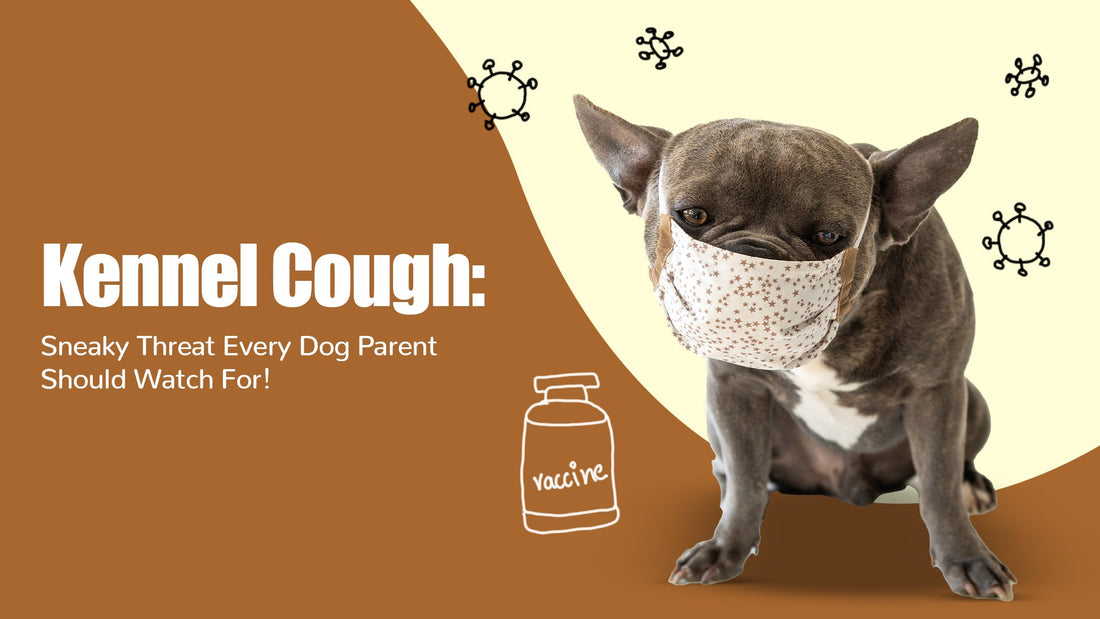
Credit: zigly.com
Monitoring Recovery
Monitoring your dog’s recovery from kennel cough is essential to ensure they heal properly and avoid complications. Careful observation helps you understand if treatments are working or if you need to seek further help. Staying attentive to subtle changes can make all the difference in your dog’s comfort and health.
Tracking Symptom Progress
Keep a daily log of your dog's symptoms, noting any coughing episodes, sneezing, or changes in energy levels. Is the cough becoming less frequent or less harsh? Are they eating and drinking normally?
Use simple tools like a notebook or a phone app to record these details. This habit helped me spot early signs of improvement in my dog’s condition, preventing unnecessary vet visits.
Look for positive signs such as reduced coughing, clearer breathing, and a return to normal behavior. If symptoms linger or worsen, it’s a signal to adjust care or seek advice.
Knowing When To Follow Up
Ask yourself: Is your dog still coughing heavily after two weeks? Are they showing signs of lethargy or loss of appetite? Persistent or worsening symptoms mean it’s time to consult your vet again.
Don’t ignore new symptoms like fever, nasal discharge, or difficulty breathing. These could indicate complications requiring immediate attention.
Remember, your vet’s guidance is crucial if your dog’s recovery stalls or if you notice anything unusual. Staying proactive can prevent kennel cough from becoming a bigger problem.
Frequently Asked Questions
What Are The First Signs Of Kennel Cough In Dogs?
Early signs include a dry, hacking cough, sneezing, and mild fever. Dogs may also show nasal discharge and decreased appetite. Recognizing these symptoms early helps in timely treatment and prevents spreading the infection to other dogs.
How Can I Treat Kennel Cough At Home?
Provide plenty of rest and fresh water for your dog. Use a humidifier or take your dog outside for fresh air. Avoid strenuous activities and exposure to smoke or dust. Always consult a vet before giving any medication.
When Should I See A Vet For Kennel Cough?
See a vet if your dog’s cough lasts more than two weeks. Also, seek help if your dog has difficulty breathing, high fever, or lethargy. Early veterinary care can prevent complications and ensure proper treatment.
Can Kennel Cough Spread To Other Dogs?
Yes, kennel cough is highly contagious among dogs. It spreads through coughing, sneezing, or sharing water bowls and toys. Isolate infected dogs and disinfect their environment to prevent transmission.
Conclusion
Taking quick action can ease your dog's kennel cough. Start with a vet visit to get proper advice. Ensure your pet rests and drinks plenty of water. Use a humidifier to soothe their throat. Give prescribed medications as directed. Keep your dog away from other dogs until they recover.
Clean their toys and bedding regularly. Good care speeds up healing. Your pet will soon be back to wagging its tail. Stay attentive and patient. Your furry friend will thank you.