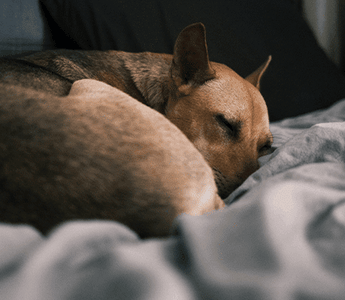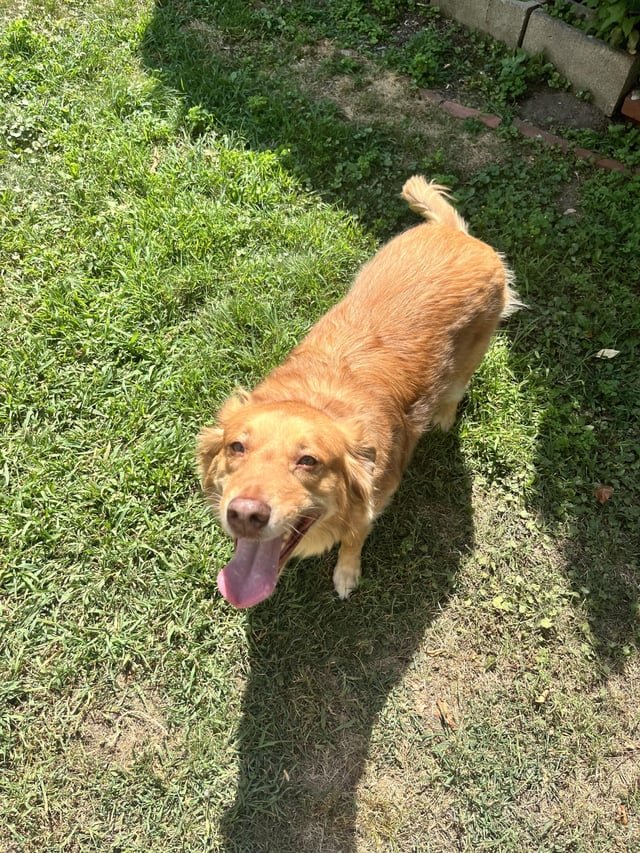
Finding a dog without a collar can catch you off guard. You might wonder if the dog is lost, scared, or even dangerous.
What should you do next? Your quick actions could make all the difference in reuniting this furry friend with its owner or keeping it safe. This guide will walk you through simple, effective steps to help you handle the situation with confidence.
Keep reading—you might just save a life today.

Credit: www.reddit.com
Check For Identification
Finding a dog without a collar can be worrying, but your first move should be to check for any form of identification. Identification helps reunite lost pets with their owners quickly and reduces the time the dog spends stressed or confused. Taking a moment to look closely could make all the difference for that furry friend.
Look For Tags Or Microchip
Start by examining the dog’s neck for any tags. Tags often display the owner's contact details, like a phone number or address, and sometimes the dog’s name. Even if the collar looks old or worn, the tags might still hold vital information.
Sometimes, dogs wear a tag on their harness or have a tattoo that could serve as identification. Don’t overlook these less obvious places. Have you ever noticed a small tag tucked under the fur? It’s worth checking carefully.
Scan With A Microchip Reader
If the dog has no visible tags, the next step is to check for a microchip. Microchips are implanted under the dog's skin and can be scanned with a microchip reader. Many vets, animal shelters, and some pet stores have these scanners.
Scanning the microchip can immediately provide the owner’s contact information stored in a national database. If you don’t have access to a scanner, take the dog to a nearby vet or shelter—they usually offer this service for free. Have you thought about how many lost pets never get scanned, missing a quick way home?
Keep The Dog Safe
Finding a dog without a collar means the dog might feel scared and lost. Keeping the dog safe is the first priority. This helps the dog stay calm and healthy while you figure out the next steps. Simple actions can protect the dog from harm and show kindness.
Provide Food And Water
Offer fresh water right away. Dogs get thirsty quickly, especially if they have been outside long. Give small amounts of water first to avoid stomach upset. Provide easy-to-digest food like plain cooked chicken or dog food. Avoid giving human food that might hurt the dog. Feeding the dog helps build trust and keeps energy up.
Create A Comfortable Space
Find a quiet, safe spot for the dog to rest. Use a soft blanket or towel to make a cozy bed. Keep the area away from loud noises and traffic. Make sure the space is warm, dry, and sheltered from the weather. A calm environment helps reduce the dog’s stress and fear.
Search For The Owner
Finding a dog without a collar can be worrying. The best thing you can do is try to find its owner quickly. Dogs often get lost close to home, so searching nearby can lead you right to the person who is missing their furry friend.
Ask Nearby Residents
Start by talking to neighbors and people around the area where you found the dog. Someone might recognize the dog or know who it belongs to.
Be clear and friendly when you describe the dog. You can even show a photo if you have your phone handy.
Sometimes, owners live just a few houses away but haven't realized their dog is missing yet. Asking around can be faster than waiting for them to find the dog on their own.
Use Social Media And Online Platforms
Social media is a powerful tool to reunite lost pets with their owners. Posting a clear picture of the dog, along with the location and time you found it, can reach many people quickly.
Try local Facebook groups, community forums, or apps dedicated to lost and found pets. Include details like the dog's size, color, and any unique markings.
Have you seen how often lost pet posts get shared? This can increase the chances of connecting with the owner faster than traditional methods.
Contact Local Authorities
Finding a dog without a collar can be worrying. You want to help, but you might not know the best way to act. Contacting local authorities is a crucial step to ensure the dog’s safety and increase the chances of reuniting it with its owner.
Reach Out To Animal Shelters
Animal shelters are often the first place lost pets are taken. By contacting them, you can report the dog’s location and description. Shelters keep records of found animals and can quickly notify owners who are searching.
If you decide to bring the dog to a shelter, make sure you provide detailed information about where and when you found it. This helps shelter staff connect the dots if an owner calls. Have you ever thought how many owners must be anxiously waiting for a call from these places?
Notify Animal Control
Animal control officers have the authority and resources to handle lost pets safely. They can check for microchips, provide medical care if needed, and hold the dog until the owner is found. Reporting the dog to animal control ensures it is protected under local laws.
Sometimes, animal control may also post alerts or updates online or in the community. This widens the search beyond just shelters. Could your quick call be the key that helps a worried owner find their furry friend?
Consider Temporary Care
Finding a dog without a collar means the dog may be lost or in need of help. Providing temporary care keeps the dog safe while you find a permanent solution. It also gives the dog comfort and reduces stress during this uncertain time. Temporary care helps you prepare the dog for a better future.
Assess Your Ability To Foster
Think about your time and space for a dog. Can you feed, walk, and care for it daily? Some dogs need medicine or gentle handling. Make sure your home suits the dog's size and energy. Consider your family members and pets. Will they accept the new dog? Honest answers protect both you and the dog.
Find A Trusted Foster Or Rescue
Look for local animal rescues or shelters that help lost dogs. They often have foster networks ready to care for dogs temporarily. Contact them with details about the dog’s condition and behavior. These groups have experience and resources to find the dog’s owner or a forever home. Trust their guidance to keep the dog safe and happy.

Credit: tractive.com
Avoid Common Mistakes
Finding a dog without a collar can be stressful. Mistakes at this moment can cause trouble for both you and the dog. Avoiding common errors helps keep the dog safe and increases chances of reuniting it with its owner. Stay calm and think carefully before acting.
Don’t Assume The Dog Is Stray
Not all dogs without collars are lost or stray. Some dogs may have slipped out of their homes or yards. They could be well cared for but momentarily without ID. Watch the dog's behavior and look for signs like cleanliness and health. This helps decide the right action and avoids unnecessary worry.
Avoid Immediate Adoption Decisions
Taking the dog home immediately might seem kind. Yet, this can cause problems if the dog belongs to someone else. Owners often feel worried and upset when their dog is missing. Give time and effort to find the owner first. Use local shelters, social media, and community boards before making long-term decisions.
Credit: www.businessinsider.com
Frequently Asked Questions
How To Identify A Lost Dog Without A Collar?
Check for a microchip at a nearby vet or animal shelter. Look for tags or distinctive features. Ask neighbors if they recognize the dog.
Should I Take A Collarless Dog To A Vet?
Yes, a vet can scan for a microchip and assess the dog’s health. It ensures proper care and helps find the owner quickly.
Can I Keep A Stray Dog Without A Collar?
Temporarily, but report it to local shelters or authorities first. Keeping the dog without checking may delay reuniting it with its owner.
How To Safely Approach A Dog Without A Collar?
Approach slowly and calmly. Avoid direct eye contact. Let the dog sniff your hand before attempting to pet or catch it.
Conclusion
Finding a dog without a collar can be concerning. Act with kindness and patience. Ensure the dog's safety first. Check for signs of illness or injury. Approach slowly to avoid scaring the dog. Use treats to gain trust. Contact local shelters or animal control for help.
They can scan for a microchip. Ask neighbors if they know the dog. Post on social media and community boards. This might help find the owner. Remember, your actions can reunite a lost dog with its family. Stay calm and caring throughout the process.