If your dog has peed on your couch, you’re probably feeling frustrated and unsure about what to do next. You want to protect your furniture and keep your home smelling fresh, but cleaning up pet accidents can be tricky.
The good news is, with the right steps, you can tackle the mess quickly and stop it from happening again. You’ll learn simple, effective ways to clean the couch and prevent future accidents—so you can relax and enjoy your space without worry.
Keep reading, because these tips will save you time, money, and stress.
Immediate Actions
Act quickly when your dog pees on the couch to prevent stains and odors. Immediate action helps stop the urine from soaking deep into the fabric and cushions. Acting fast also makes cleaning easier and more effective.
Blotting The Area
Use paper towels or a clean cloth to blot the wet spot. Press gently to soak up as much urine as possible. Avoid rubbing, as it pushes urine deeper into the fabric. Change towels or cloths often to absorb more moisture.
Removing Excess Moisture
After blotting, place a dry towel over the spot. Press down firmly to draw out leftover liquid. You can also use a wet/dry vacuum if available. Let the area air dry completely before moving on to further cleaning steps.

Credit: www.yahoo.com
Cleaning Solutions
Dealing with dog urine on your couch can feel overwhelming, but the right cleaning solutions make a huge difference. Choosing the correct approach depends on the materials of your couch and the severity of the stain. Let’s look at practical options that you can try immediately to restore freshness and protect your furniture.
Homemade Remedies
Simple ingredients you already have at home can tackle the problem effectively. A mixture of white vinegar and water works wonders by neutralizing odors and breaking down urine stains.
- Mix equal parts white vinegar and water in a spray bottle.
- Spray the affected area generously but avoid soaking the fabric.
- Blot with a clean cloth, pressing gently to lift moisture.
- Sprinkle baking soda over the spot to absorb lingering smells.
- Let it sit for a few hours, then vacuum thoroughly.
This method is safe for most fabrics and doesn’t involve harsh chemicals. Have you noticed how vinegar’s smell disappears after drying? That’s a sign it’s working to neutralize odors rather than just masking them.
Commercial Cleaners
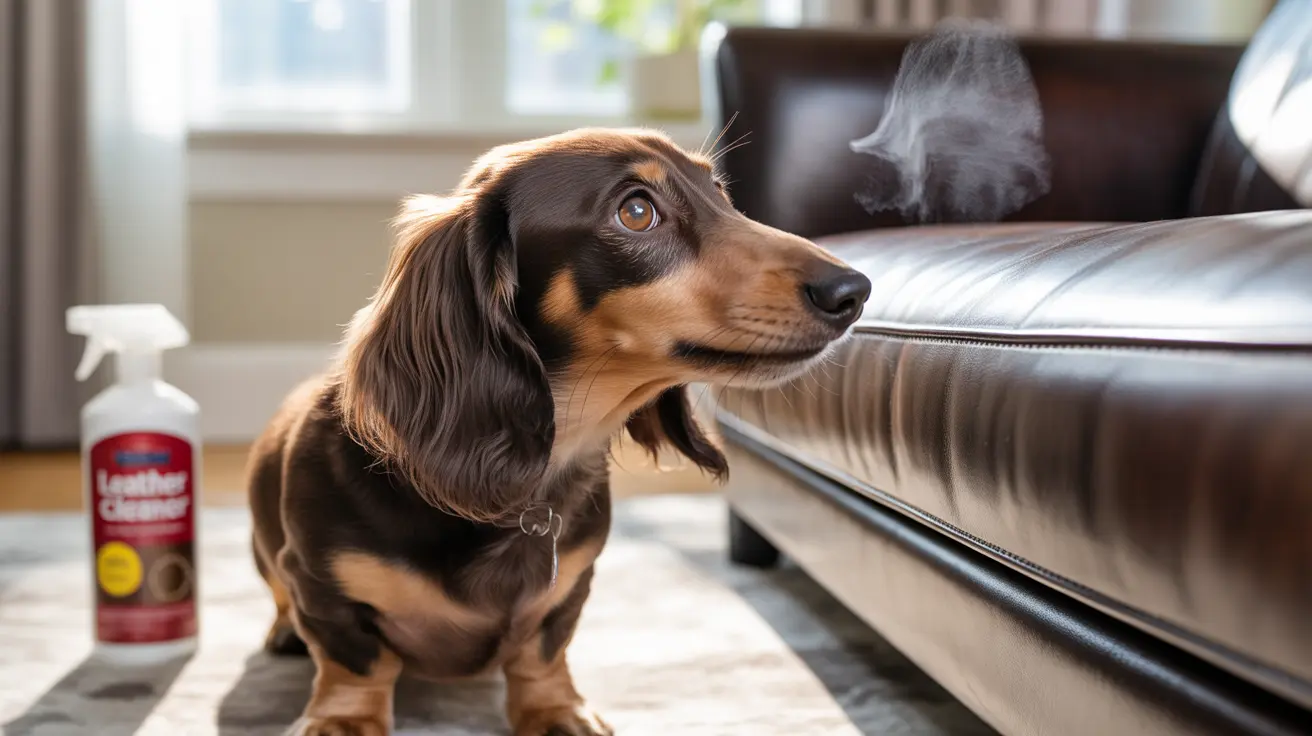
If you want a quicker or more powerful solution, commercial pet stain removers are designed specifically for urine. Look for enzymatic cleaners, which break down the proteins in urine to eliminate both stains and odors at the source.
- Test the cleaner on a small hidden spot to ensure it doesn’t damage your couch fabric.
- Apply the cleaner according to the label instructions, usually spraying and letting it sit.
- Blot or wipe away excess moisture with a clean cloth.
- Repeat if necessary for stubborn stains or smells.
Keep in mind that some cleaners work better on certain materials, so choosing one labeled for upholstery is crucial. Could a product that targets odor-causing bacteria be exactly what your couch needs?
Deep Cleaning Techniques
Dealing with dog urine on your couch can be frustrating, but deep cleaning techniques can make a huge difference. Tackling the stain thoroughly helps remove odors and prevents your pet from returning to the same spot. Let’s look at two effective ways to give your couch a fresh start.
Using Enzyme Cleaners
Enzyme cleaners break down the proteins in urine, targeting the source of the smell instead of just masking it. You want to apply the cleaner generously to the affected area and let it sit for at least 10-15 minutes. This allows the enzymes to work deep into the fabric and padding.
After soaking, blot the area with a clean cloth—avoid rubbing, which can spread the stain. Some enzyme cleaners require rinsing afterward, so check the label for instructions. Have you noticed how regular household cleaners sometimes leave a lingering smell? Enzyme cleaners tackle this better because they digest the odor-causing molecules.
Steam Cleaning
Steam cleaning uses hot vapor to penetrate the fabric and kill bacteria, which helps eliminate both stains and odors. If you have a steam cleaner at home, make sure to use the upholstery attachment for best results. Move the cleaner slowly over the stain, allowing the heat to loosen dirt and urine residues.
If you don’t own a steam cleaner, many rental services offer them at reasonable prices. Steam cleaning is especially useful for deep-set stains that enzyme cleaners alone might not fully remove. Have you ever tried steam cleaning on your couch? You might be surprised at how much fresher it can smell afterward.
Deodorizing The Couch
Dealing with the smell after your dog pees on the couch can feel overwhelming. The odor can linger long after the stain dries, making your living space uncomfortable. Deodorizing the couch effectively is key to restoring freshness and preventing your pet from returning to the same spot.
Baking Soda Application
Baking soda is a powerful and natural deodorizer that absorbs unpleasant smells from fabric. After blotting the urine, sprinkle a generous amount of baking soda over the affected area.
Let it sit for several hours or overnight to allow the baking soda to soak up the odor. Once dry, vacuum the area thoroughly. You might be surprised how much this simple step reduces the smell without harsh chemicals.
Air Circulation Tips
Good air circulation speeds up the drying process and helps remove trapped odors from your couch. Open windows and doors to let fresh air flow through the room.
If possible, use a fan to direct airflow toward the couch. This continuous movement of air not only dries the fabric faster but also carries away lingering smells.
Preventing Future Accidents
Stopping your dog from peeing on the couch again takes more than just cleaning up the mess. You need to understand why it happened and then take clear steps to prevent future accidents. With the right approach, you can protect your furniture and keep your home smelling fresh.
Training Your Dog
Training is key to changing your dog's behavior. Start by watching for signs that your dog needs to go outside, like sniffing or pacing. When you catch these signs, take your dog out immediately and praise them when they go potty outside.
Consistency matters a lot here. Set regular bathroom breaks, especially after meals or naps. If your dog pees inside, avoid punishment—this can confuse them and make things worse.
Try crate training if your dog isn’t already used to it. Dogs usually avoid soiling their sleeping area, so a crate can teach bladder control. Have you noticed your dog’s behavior changes during certain times or situations? Adjust your training to those patterns for better results.
Protective Couch Covers
Using protective covers can save your couch while you work on training. Waterproof covers or slipcovers are easy to clean and prevent stains and odors from settling in.
Choose covers made of durable, washable materials. Some come with anti-slip backing, which keeps them in place even if your dog jumps around.
Another idea is to place a washable blanket or towel in your dog’s favorite spot on the couch. This not only protects your furniture but also gives your dog a designated area to relax.
Have you tried combining training with physical barriers like covers? It can make a big difference in managing accidents and keeping your couch looking new.
:strip_icc()/train-a-dog-to-take-a-bow-1117287_2374-2a7ec25ca7204b07ba5269175caf7b31.jpg)
Credit: www.thesprucepets.com
When To Call Professionals
Knowing when to call professionals after your dog pees on the couch is important. Some stains or odors need expert care to avoid lasting damage. Experts have tools and cleaning agents that remove deep stains and smells. They can save your furniture and keep your home fresh. Recognizing the signs that need professional help prevents frustration and wasted time.
Signs The Stain Is Deep And Persistent
Sometimes, urine soaks deep into the couch cushions and frame. If the stain remains after home cleaning efforts, it is time to call experts. A strong, lasting smell also signals deep contamination. Professionals can reach areas that regular cleaners cannot.
When Odor Does Not Fade
Urine odor can be tough to remove fully. If the smell lingers despite cleaning, it may affect your home’s air quality. Professionals use special enzymes and treatments to break down odor molecules. This stops the smell from returning.
Furniture Material Requires Special Care
Delicate or expensive fabrics need careful cleaning. Certain materials can be damaged by home cleaning solutions. Experts know how to treat various fabrics safely without harm. This protects your investment and keeps the couch looking good.
Repeated Accidents Signal Behavior Issues
Multiple accidents on the couch might show health or behavior problems. Professionals can advise on cleaning and suggest solutions for your dog’s habits. This helps prevent future messes and keeps your couch clean longer.

Credit: www.amazon.com
Frequently Asked Questions
How To Clean Dog Urine From Couch Fabric?
Blot the urine with paper towels immediately. Use a mixture of water and white vinegar to clean. Avoid harsh chemicals that damage fabric. Let it air dry and vacuum to remove residue and odor.
What Products Remove Dog Urine Smell From Couch?
Enzyme-based cleaners are best to eliminate urine odors. They break down urine molecules completely. Avoid ammonia-based products as they may worsen the smell and confuse your dog.
Can Dog Urine Stain Couch Permanently?
Yes, urine can stain if untreated quickly. Immediate cleaning reduces staining risk. Use stain removers suitable for your couch material. Regular cleaning prevents permanent damage and odors.
How To Prevent Dogs From Peeing On Couch Again?
Train your dog with positive reinforcement and regular bathroom breaks. Use deterrent sprays on the couch. Provide a comfortable, designated potty area for your dog.
Conclusion
Dealing with a dog's pee on the couch can be tough. Quick action helps manage the mess. Blot the spot immediately to absorb moisture. Use a mild cleaning solution to remove odors. Consistency in potty training reduces future accidents. Patience is key.
Remember, dogs often learn from their mistakes. Create a routine to keep your home clean and fresh. If accidents continue, consult a vet for advice. A healthy environment makes for a happy pet and owner. Your couch and your dog can coexist peacefully.
Keep calm and stay proactive.