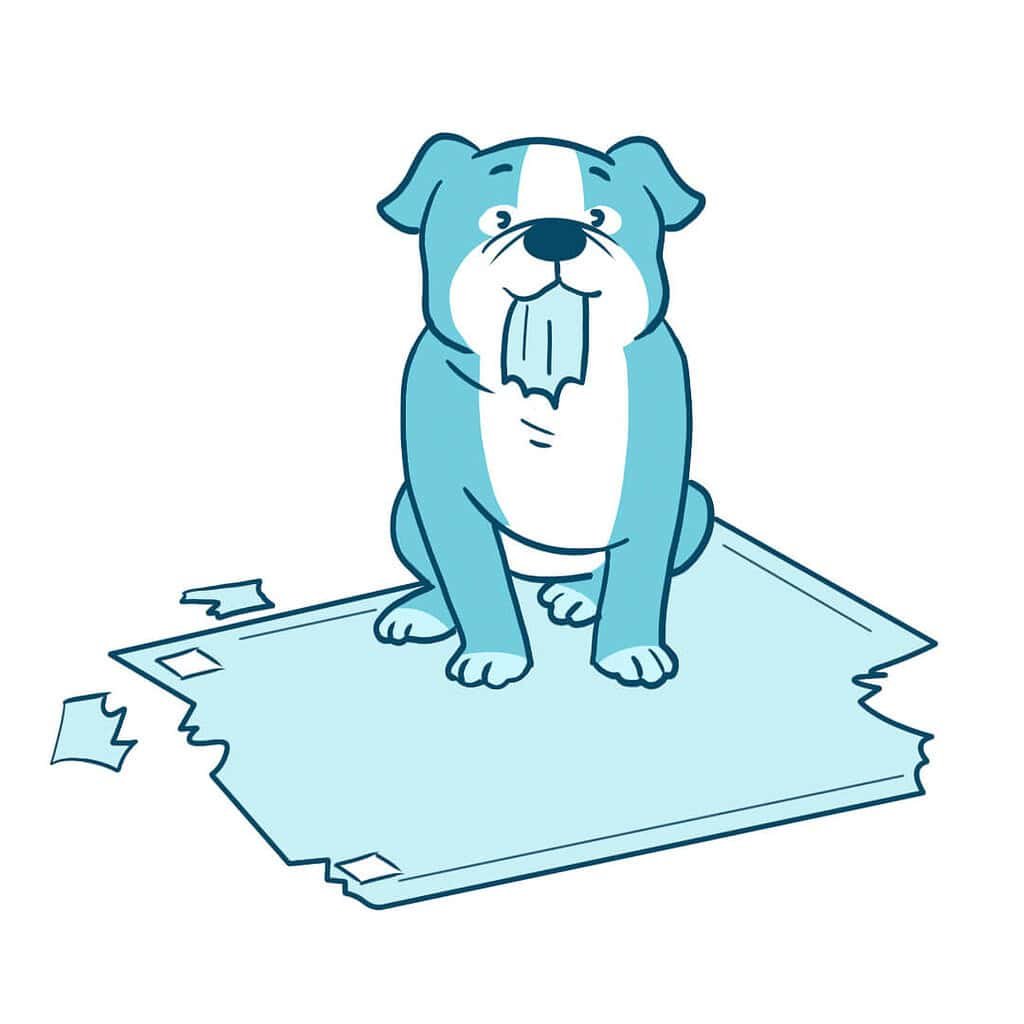
If your dog has just eaten a pee pad, you’re probably feeling worried and unsure about what to do next. It’s a common mishap that can happen to any pet owner, but acting quickly and knowing the right steps can make all the difference.
You’ll discover practical advice to keep your dog safe and calm, plus tips to prevent this from happening again. Keep reading—your dog’s health and your peace of mind depend on it.
Signs Your Dog Ate A Pee Pad
Noticing that your dog has eaten a pee pad can be unsettling. The signs might not always be obvious right away, but staying alert can help you act quickly. Recognizing changes in your dog's behavior and physical condition is key to preventing serious health issues.
Behavioral Changes To Watch
Watch for sudden restlessness or unusual agitation. If your dog seems uncomfortable or keeps trying to vomit, it could be a red flag. Some dogs may also become lethargic or show signs of distress, like whining or pacing.
Has your dog stopped eating or drinking as usual? A loss of appetite often signals that something is wrong. Pay attention if your pet avoids usual activities or hides more than normal.
Physical Symptoms To Notice
Look for vomiting or gagging, which often follow ingestion of foreign objects like pee pads. Diarrhea or constipation can also occur if the pad blocks the digestive tract.
Check your dog’s abdomen for swelling or tenderness. Difficulty in passing stools or urine may indicate an obstruction. If you spot any blood in vomit or stool, seek veterinary help immediately.
Credit: www.chewy.com
Immediate Actions To Take
Discovering your dog has eaten a pee pad can be alarming. Taking quick action helps prevent serious health issues. Immediate steps focus on safety and comfort for your pet.
Remove Remaining Pee Pads
Clear away all pee pads from your dog's reach. Prevent further chewing or swallowing. Keep the area clean and free of any tempting items.
Check For Choking Or Blockage
Look closely at your dog’s mouth and throat. Watch for coughing, gagging, or difficulty breathing. Check if your dog shows signs of pain or discomfort.
Observe your dog’s behavior. Notice any vomiting, lethargy, or loss of appetite. These signs may indicate a blockage inside the digestive system.
Call Your Veterinarian
Contact your vet immediately for advice. Describe what and how much your dog ate. Follow their instructions carefully to ensure your dog’s safety.
Keep emergency numbers handy for quick access. Early professional help can prevent severe complications.
Potential Health Risks
Finding out your dog has eaten a pee pad can be alarming. Beyond the mess, there are real health concerns you need to watch for. Understanding these potential risks can help you act quickly and protect your furry friend's well-being.
Toxic Chemicals In Pee Pads
Pee pads often contain chemicals to neutralize odor and absorb moisture. These substances can be harmful if ingested by your dog. Some pads use fragrances or gel beads that may cause poisoning or allergic reactions.
Have you ever noticed your dog licking or chewing on something unusual? That habit could expose them to these toxins without you realizing it. Keep an eye on your dog’s behavior after they swallow part of a pad, and contact your vet immediately if symptoms like vomiting or lethargy appear.
Digestive System Issues
Dog stomachs aren't built to digest the materials used in pee pads, such as plastic or synthetic fibers. Eating these can irritate their digestive tract, leading to discomfort, nausea, or diarrhea.
Imagine your dog’s tummy reacting badly after eating something it can’t break down. This irritation can cause your pet to feel unwell quickly. Watch for signs like decreased appetite or frequent vomiting, which indicate your dog needs veterinary attention.
Risk Of Intestinal Blockage
One of the most serious dangers is the risk of intestinal blockage. Pieces of the pee pad can clump together and block your dog's intestines.
This blockage can stop food and fluids from passing through, which is life-threatening if not treated promptly. You might notice your dog straining to poop, bloating, or severe discomfort. If you see these signs, don’t wait—seek emergency veterinary care immediately.
At-home Care Tips
When a dog eats a pee pad, quick and careful at-home care can help avoid serious problems. Watch your dog closely and create a calm space for recovery. Simple steps can reduce discomfort and keep your dog safe until you know if a vet visit is needed.
Monitoring Your Dog’s Behavior
Observe your dog carefully for unusual signs. Look for vomiting, diarrhea, or lack of appetite. Notice if your dog seems restless or lethargic. Check for signs of stomach pain, like whining or a swollen belly. Keep a daily log of symptoms to track any changes.
Providing Hydration And Comfort
Offer fresh water in small amounts often. Avoid giving food for a few hours to rest your dog’s stomach. Provide a quiet, comfortable place to lie down. Use soft bedding and keep the area warm. Stay close and calm to reduce your dog’s stress.
When To Seek Emergency Care
Call your vet immediately if your dog vomits repeatedly or shows severe diarrhea. Seek urgent help if your dog has trouble breathing or collapses. Rapid swelling of the belly or signs of pain need emergency attention. Early care can prevent serious health risks from pad ingestion.
Preventing Future Incidents
Preventing your dog from eating pee pads again is key to maintaining a clean home and keeping your pet safe. The right setup and training can stop this behavior before it starts. Let’s look at practical steps you can take to protect your dog and your pads.
Safe Placement Of Pee Pads
Place pee pads in areas that are easy for your dog to access but hard to chew. Corners or behind furniture can work well, as they reduce temptation. Avoid putting pads in spots where your dog likes to chew or play with objects.
Think about your dog’s habits. If your dog likes to chew when nervous, pick a quieter, less stimulating spot for the pad. Also, keep extra pads out of reach to prevent snacking.
Training Alternatives
Teach your dog to use the pad properly without biting it. Reward your dog with treats or praise immediately after using the pad correctly. This positive feedback helps your dog understand what behavior you want.
Try leash training indoors to guide your dog to the pad. If your dog starts chewing the pad, redirect attention to a chew toy. Consistency here is crucial — patience pays off.
Using Deterrents
Apply safe deterrent sprays on the edges of the pee pad. Bitter apple spray is popular and generally safe for dogs. The unpleasant taste discourages chewing without harming your pet.
You can also try placing a lightweight cover or a shallow tray over the pad. This makes it harder to grab the edges and chew. Have you noticed your dog avoids certain textures? Use that to your advantage.

Credit: www.amazon.com
Credit: pomeranian.org
Frequently Asked Questions
What Should I Do Immediately If My Dog Eats A Pee Pad?
First, remove any remaining pee pad pieces from your dog’s mouth. Monitor for choking or vomiting. Contact your vet if symptoms like lethargy or diarrhea appear. Keep fresh water available to help flush out any toxins.
Can Eating Pee Pads Harm My Dog’s Health?
Yes, pee pads contain chemicals and plastics that can cause digestive blockages or poisoning. Eating them can lead to vomiting, diarrhea, or intestinal obstruction. Prompt veterinary care is essential to prevent serious complications.
How Can I Prevent My Dog From Eating Pee Pads?
Keep pee pads out of your dog’s reach when not in use. Use training methods to discourage chewing. Provide plenty of toys and mental stimulation to reduce boredom and destructive behavior.
When Should I Contact A Vet After My Dog Eats A Pee Pad?
Contact your vet immediately if your dog shows vomiting, diarrhea, lethargy, or abdominal pain. Even if symptoms are mild, professional advice is crucial for safe recovery.
Conclusion
Caring for a dog can be challenging. Especially when they eat things like pee pads. Take swift action if this happens. Monitor your pet closely for any signs of distress. Contact a vet if needed. They can provide professional advice.
Prevention is also key. Keep pee pads out of reach. Consider training alternatives. Always prioritize your pet’s health and safety. They rely on you for their well-being. Stay informed and prepared. With the right approach, you can handle these situations calmly and effectively.
Your furry friend will thank you with wagging tails and happy barks.