Have you ever wondered if your furry friend needs a coat when the temperature drops? As a loving pet owner, you want to keep your dog comfortable and safe, no matter the weather.
But how do you know when it's time to bundle up your pup? This decision can be puzzling, especially with so many factors to consider, like breed, size, and age. You're not alone in this dilemma, and we're here to help clear things up.
You'll uncover the ideal temperatures for dogs to wear coats and how to spot the signs that your pet might be feeling the chill. Stick around to ensure your canine companion stays cozy and happy all year round.
When Dogs Need Coats
Knowing when your dog needs a coat is essential for keeping them comfortable and safe during chilly days. Not all dogs react the same to cold weather, so recognizing the right moments to dress them up can make a big difference. Let’s break down the key factors that tell you when it’s time to add that extra layer for your furry friend.
Cold Weather Thresholds
Generally, dogs benefit from coats when temperatures dip below 45°F (7°C). However, this number isn’t set in stone—it depends on your dog’s tolerance and activity level.
If you see your dog shivering, lifting their paws off the ground, or trying to find shelter, those are clear signs they feel cold. Short walks in temperatures below freezing (32°F or 0°C) usually call for a coat, especially if your dog isn’t very active outdoors.
Have you ever noticed your dog’s behavior change on a cold day? That’s your cue to consider adding a coat to their wardrobe.
Breed And Coat Type Impact
Thick-coated breeds like Huskies and Malamutes are naturally equipped for cold weather. They rarely need extra layers unless the weather is extreme or they’re wet.
On the other hand, short-haired breeds such as Chihuahuas or Greyhounds lose body heat quickly. For them, a coat isn’t just a fashion statement—it’s a necessity during cold months.
Mixed breeds can be tricky; observe how your dog reacts to cold. If their fur is thin or patchy, a coat will help maintain their body warmth.
Age And Health Factors
Puppies and senior dogs usually have a harder time regulating their body temperature. A warm coat can protect them from the cold and reduce the risk of illness.
Dogs with health issues like arthritis or hypothyroidism might feel colder than usual. A well-fitted coat can ease discomfort and improve mobility during winter walks.
Think about your dog’s unique needs. Could a coat help improve their quality of life during colder days?
Choosing The Right Coat
Choosing the right coat for your dog protects them from cold weather. It helps keep them warm, dry, and comfortable. Different dogs need different types of coats based on their size, breed, and health. A good coat should fit well and suit the weather conditions. Consider materials, fit, and weather resistance before buying.
Materials And Insulation
Look for coats made of warm, soft materials. Fleece, wool, and padded fabrics provide good insulation. These materials trap heat close to your dog’s body. Avoid thin or rough fabrics that do not keep warmth. Insulation matters most in very cold weather.
Proper Fit And Comfort
Choose a coat that fits snugly but not too tight. It should allow your dog to move freely. Check for adjustable straps or Velcro for a better fit. A comfortable coat will not cause chafing or restrict breathing. Measure your dog’s neck, chest, and length before buying.
Waterproof And Windproof Features
Waterproof coats keep your dog dry in rain or snow. Look for materials like nylon or polyester with waterproof coatings. Windproof layers block cold wind from reaching your dog. These features help keep your dog warm and comfortable outdoors. A good coat protects against wet and windy weather.
Temperature Guidelines For Coats
Knowing when to put a coat on your dog can be tricky. Temperature guidelines help you make smart choices to keep your pet comfortable and safe. Here’s a clear breakdown of when your dog might need a coat based on the temperature outside.
Below 45°f (7°c)
When temperatures drop below 45°F (7°C), many dogs start to feel the chill. Small breeds, short-haired dogs, and older pups are especially sensitive at this point. You might notice your dog shivering or reluctant to go outside, which are signs it’s time to add a layer.
Think about your dog’s natural coat and health. If your dog has a thin coat or health issues, a coat will help prevent discomfort and keep their body temperature stable. You don’t need a heavy jacket yet—something light and breathable works well here.
Between 32°f And 45°f (0°c To 7°c)
Temperatures in this range require more attention. Dogs with little fur or those not used to cold weather will benefit greatly from a cozy, insulated coat. This is the zone where many owners start to see their pets needing extra warmth during walks.
Consider layering with a waterproof option if it’s wet outside. Dampness combined with cold can make your dog’s body lose heat quickly. Does your dog seem less energetic or eager to come in? That’s a sign it’s time to bundle up.
Below Freezing Temperatures
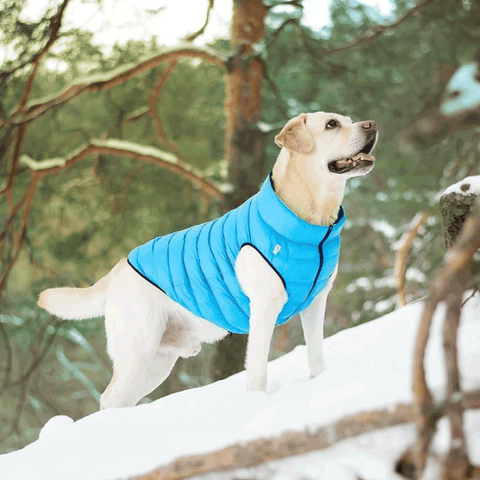
When temperatures hit freezing or below, a coat isn’t just a comfort—it’s a necessity. At this point, frostbite and hypothermia become real risks, especially for small, thin-coated, or senior dogs. A thick, insulated coat with good coverage will protect your dog from harsh winds and icy conditions.
Don’t forget about paws, ears, and tail. Along with a coat, consider protective booties and maybe even a hat if your dog tolerates it. If your dog refuses to wear gear, keep outdoor time brief and monitor them closely for signs of cold stress.

Credit: www.nonstopdogwear.com
Signs Your Dog Needs Extra Warmth
Not every dog needs a coat, but some clearly show when the cold is too much for them. Recognizing these signs early can keep your furry friend comfortable and safe during chilly days. Pay close attention to their behavior and body language—it can tell you when they need extra warmth.
Shivering And Restlessness
Shivering is your dog's body's way of generating heat. If you notice your dog trembling, it’s a clear sign they are feeling cold. Restlessness, like pacing or inability to settle, often goes hand-in-hand with shivering and signals discomfort.
I once took my dog out on a chilly evening without a coat, and she started shivering within minutes. Putting on her jacket instantly calmed her down, showing me how crucial warmth is for her comfort.
Cold Paws And Ears
Touch your dog’s paws and ears—if they feel icy to the touch, your dog is likely cold. These extremities lose heat faster, making them good indicators of your dog’s overall warmth. Cold paws can also lead to discomfort or even injury on frosty surfaces.
Try observing your dog after a walk on cold pavement. If they lift their paws frequently or seem hesitant to walk, it’s a sign they need protection like booties or a coat with coverage.
Reluctance To Go Outside
When your dog suddenly refuses to go outside or seems anxious about walks, the cold might be the culprit. Dogs that usually love outdoor play might hesitate or try to turn back quickly in chilly weather. This behavior is your pet telling you they need extra warmth to feel safe and comfortable outdoors.
Have you noticed your dog dragging their leash or standing by the door, unwilling to step out? Consider adding a warm coat before your next outing to make walks enjoyable again.
Additional Tips For Cold Weather Care
Keeping your dog comfortable in cold weather goes beyond just putting on a coat. There are several important steps you can take to protect your furry friend from chilly temperatures and harsh conditions. These additional tips ensure your dog stays safe, warm, and happy during winter walks and indoor rest.
Limiting Outdoor Time
Even with a coat, your dog’s exposure to cold air should be limited. Shorter walks help prevent hypothermia and frostbite, especially if the temperature drops below freezing.
Watch your dog closely for signs of discomfort like shivering or lifting paws off the ground. If your dog seems cold, it’s time to head back inside. Have you noticed how your dog behaves differently in winter? Paying attention to these cues can make a big difference.
Protecting Paws From Ice And Salt
Ice and salt on sidewalks can harm your dog’s paws. Salt can cause irritation, and ice can lead to cuts or frostbite.
- Use dog booties to shield paws during walks.
- After walks, rinse paws with warm water to remove salt and debris.
- Check between toes for any cracks or redness.
Taking these steps helps your dog avoid painful paw problems. Have you ever seen your dog lick its paws excessively after a winter walk? That might be a sign of irritation from ice or salt.
Using Blankets And Heated Beds
Inside your home, provide extra warmth with soft blankets and heated beds. These create a cozy spot for your dog to rest and recover from the cold outdoors.
Heated beds with low temperature settings are especially helpful for older dogs or those with arthritis. Make sure the heated bed has an automatic shut-off for safety.
Does your dog have a favorite resting spot that gets chilly in winter? Adding a blanket or heated bed there can keep them comfortable and relaxed all season long.

Credit: waudog.com

Credit: waudog.com
Frequently Asked Questions
When Should A Dog Wear A Coat For Cold Weather?
Dogs should wear coats when temperatures drop below 45°F (7°C). Small, short-haired, or elderly dogs need extra warmth. Coats protect against chills, wind, and moisture, keeping dogs comfortable outdoors in cold weather.
What Temperature Is Too Cold For Dogs Without Coats?
Temperatures below 45°F can be uncomfortable for many dogs without coats. Small and short-haired breeds are more sensitive. Below 32°F (0°C), most dogs benefit from wearing a coat to avoid hypothermia and cold-related health issues.
How Do I Know If My Dog Needs A Coat?
Observe your dog’s behavior outdoors. Shivering, lifting paws, or reluctance to walk indicate cold discomfort. Also consider breed, age, and coat type. When in doubt, providing a coat helps ensure your dog stays warm and safe.
Can All Dog Breeds Wear Coats In Cold Weather?
Most dog breeds can wear coats, but it depends on their natural fur and cold tolerance. Short-haired, small, and senior dogs benefit most. Thick-coated breeds may need coats only in extreme cold or wet conditions.
Conclusion
Dogs feel cold just like we do. A coat helps when temperatures drop below 45°F (7°C). Small or short-haired dogs need coats sooner. Always watch your dog’s behavior for signs of cold. Keep them warm and comfortable outside. Choosing the right coat can make walks enjoyable.
Stay safe and keep your dog cozy all winter. Simple care goes a long way. Your dog will thank you with happy tails and wagging!