Are you struggling to keep cats out of certain areas around your home? You’re not alone.
Cats can be curious and persistent, but did you know that some smells can actually repel them? If you want an easy and natural way to keep cats away without causing harm, understanding what smells cats hate is key. You’ll discover which scents work best and how to use them effectively.
Keep reading to find out how you can protect your space and enjoy peace of mind.
Scents Cats Avoid
Understanding which scents cats avoid can be a game-changer if you want to keep your furry friend away from certain areas or objects. Cats have a much stronger sense of smell than humans, so even a faint odor might be overwhelming or unpleasant for them. Identifying these smells can help you create a safe and cat-free zone without causing harm or stress.
Citrus Fragrances
Cats tend to dislike the sharp, tangy smell of citrus fruits like oranges, lemons, and limes. The strong oils in citrus peel can irritate their sensitive noses, making them steer clear of these areas. You might find that placing orange or lemon peels near plants or furniture can gently discourage your cat from getting too close.
Strong Herbs
Herbs like rosemary, lavender, and rue produce potent smells that many cats avoid. These scents can act as natural repellents, especially when fresh or crushed. If you want to keep your cat out of your garden, planting these herbs along the borders could be an effective and natural solution.
Essential Oils
Essential oils such as eucalyptus, peppermint, and citronella emit strong aromas that cats typically hate. However, be cautious when using oils, as some can be toxic if ingested or applied directly to your pet. Using diffusers in well-ventilated areas or diluted sprays can help you repel cats without risking their health.
Vinegar And Ammonia
The sharp, pungent smell of vinegar and ammonia is another scent cats avoid. These household items can work well as deterrents, especially when diluted and sprayed around doorways or furniture edges. Just remember to use them sparingly and avoid areas where your cat eats or sleeps to prevent stress.
Credit: www.petmd.com
Why Cats Dislike Certain Smells
Ever wondered why your cat suddenly avoids certain areas or backs away from specific scents? Cats have a finely tuned sense of smell that plays a major role in their everyday decisions. Understanding why cats dislike certain smells helps you create a more comfortable environment for them and can even keep them away from places you want to protect.
Sensitivity Of Cat's Nose
Your cat’s nose is incredibly sensitive—far more than yours. They have about 200 million scent receptors, compared to your 5 million. This means odors that seem mild or even pleasant to you can be overwhelming or irritating to them.
Have you noticed how your cat reacts strongly to citrus or vinegar? These smells are sharp and intense, which can easily overstimulate their sensitive noses. It’s not just a preference; it’s a physical response to strong scents.
Natural Instincts And Survival
Cats are natural hunters, and their sense of smell helps them detect danger. Certain smells signal threats or unclean environments. For example, odors from strong herbs or chemical cleaners might remind them of predators or harmful substances.
This survival instinct explains why cats avoid places with smells like ammonia or menthol. They’re hardwired to steer clear of anything that might be risky, so their dislike isn’t random but based on instinct.
Behavioral Responses
When exposed to smells they dislike, cats often show clear behaviors: sniffing then walking away, hiding, or even scratching and pawing at the source. These reactions are their way of protecting themselves and communicating discomfort.
Have you tried using scents like lavender or eucalyptus to keep cats out of your garden? Many cat owners find these smells effective because cats associate them with danger or unpleasantness. Understanding these behavioral cues can help you manage your cat’s environment more thoughtfully.
Effective Natural Repellents
Keeping cats away without harming them or your garden can be tricky. Luckily, nature offers some effective smells that cats dislike, helping you create a peaceful boundary. These natural repellents are safe, easy to use, and often found right in your kitchen or backyard.
Using Citrus Peels
Cats hate the sharp, zesty smell of citrus. You can scatter orange, lemon, or lime peels around areas you want to protect. The oils in these peels release a scent that cats find unpleasant and avoid.
Try placing fresh peels near flower beds or garden edges. Refresh them every few days to keep the scent strong. Have you noticed how even leaving citrus-scented cleaner around your home can deter your feline visitors?
Planting Cat-repellent Herbs
Certain herbs naturally keep cats at bay. Plants like rue, lavender, and rosemary emit aromas cats dislike but humans enjoy. Planting these herbs around your garden or near doorways creates a gentle but effective barrier.
Lavender not only repels cats but also adds a calming scent to your space. Rue is especially powerful but use it carefully as it can be toxic if ingested. Would adding these plants to your garden change how often cats visit?
Diy Essential Oil Sprays
Essential oils offer a concentrated way to keep cats away. Oils like citronella, eucalyptus, and peppermint are especially effective. Mix a few drops with water in a spray bottle and apply around your yard or entry points.
Be cautious not to spray directly on plants, as some oils may harm them. You can refresh the spray every week or after rain. Have you tried making your own spray to see how well it keeps your cat visitors at bay?

Credit: www.amazon.ca
Commercial Cat Repellents
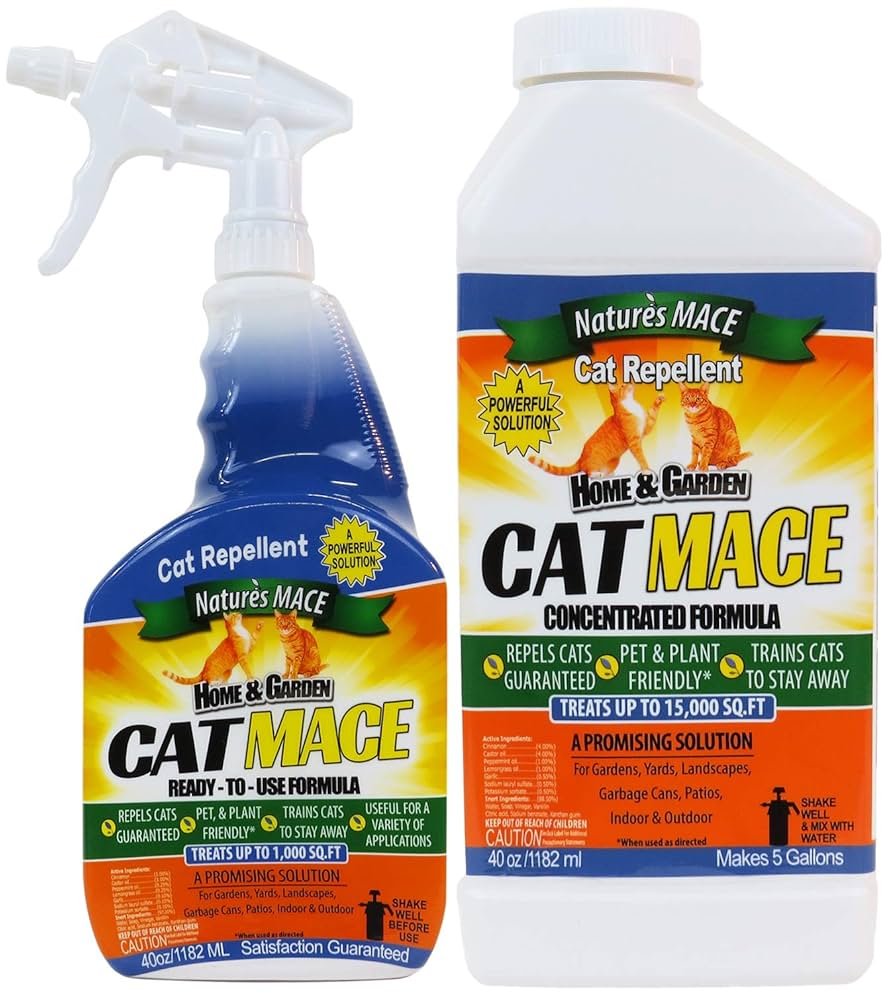
Commercial cat repellents offer a practical way to keep cats away from unwanted areas. These products use specific smells that cats dislike. They help protect gardens, furniture, and other spaces from cat visits. Many repellent options exist, each designed for different needs and environments.
Types Of Products
- Sprays: Liquid solutions sprayed on surfaces to repel cats.
- Granules: Small pellets spread around plants or yards.
- Ultrasonic devices: Emit sounds that cats find unpleasant but humans cannot hear.
- Mat repellents: Textured mats that cats avoid stepping on.
Application Tips
- Apply repellents to areas cats often visit or damage.
- Reapply after rain or cleaning to maintain effectiveness.
- Test sprays on a small surface to avoid damage.
- Follow product instructions carefully for best results.
Safety Considerations
- Choose repellents safe for pets and children.
- Avoid products with harmful chemicals or strong toxins.
- Keep sprays and granules out of reach of pets and wildlife.
- Consult a vet if your pet shows signs of distress.
Tips For Keeping Cats Away Safely
Keeping cats away safely requires gentle and effective methods. Some smells naturally repel cats. Using these scents carefully can help protect your space without causing harm. Combining these smells with other strategies works best. Patience and steady effort bring lasting results.
Avoiding Harmful Chemicals
Choose natural scents instead of harsh chemicals. Essential oils like citrus or eucalyptus can bother cats. Avoid using strong chemicals that may hurt their skin or breathing. Always dilute oils before use. Place scents in areas cats visit often but where they cannot reach the oils directly. This keeps cats away without causing health risks.
Combining Scents With Physical Barriers
Scents work better with physical barriers. Use garden fences or netting to block entry points. Spread citrus peels or coffee grounds near these barriers. This creates a double layer of protection. Cats dislike walking on rough surfaces too. Adding stones or pine cones can discourage them further. This mix of smell and texture keeps cats out safely.
Consistency And Patience
Repeat scent application regularly. Cats may return if the smell fades. Use sprays or fresh peels every few days. Watch the spots cats choose and refresh scents there. Do not give up if cats come back at first. Over time, they learn to avoid the area. Consistency and patience make the best safe cat repellent.
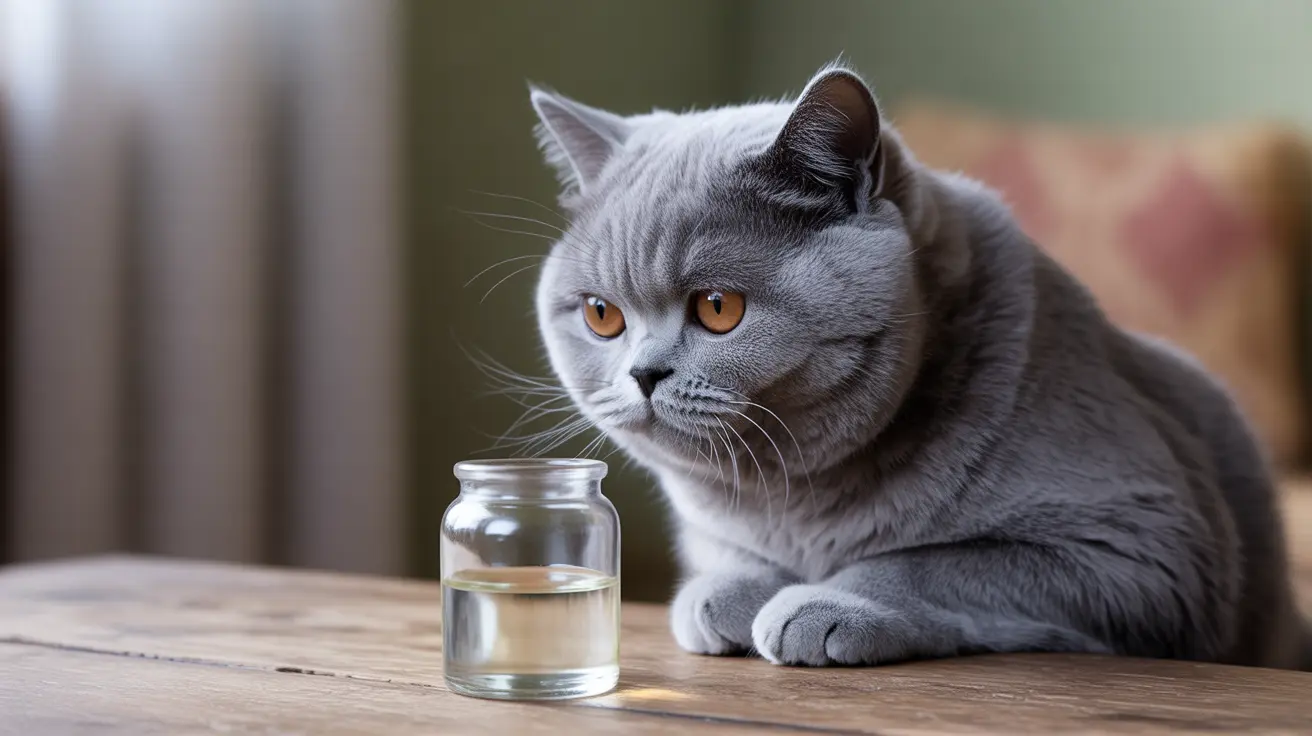
Credit: www.petscare.com
Frequently Asked Questions
What Smells Do Cats Hate Most?
Cats strongly dislike citrus, vinegar, and eucalyptus smells. These scents irritate their sensitive noses and deter them effectively.
Can Essential Oils Keep Cats Away?
Certain essential oils like lavender and citronella repel cats. Use oils cautiously, as some can be toxic to cats.
Why Do Cats Avoid Citrus Scents?
Citrus smells overwhelm cats' olfactory receptors. This causes discomfort, making them avoid areas with these scents naturally.
Are Vinegar Smells Effective For Deterring Cats?
Yes, vinegar’s strong, acidic smell keeps cats away. It's a safe, natural option for discouraging unwanted cat visits.
Conclusion
Cats dislike certain smells. These can help keep them away. Citrus, vinegar, and lavender are strong deterrents. Use them wisely in your home. Ensure these scents are safe for pets. Always prioritize their well-being. Experiment to find what works best.
Each cat may react differently. Stay patient and observant. Keep your space cat-free with these natural solutions. Remember, a happy cat means a happy owner. Embrace these tips and enjoy a peaceful home.