If your dog pulls on the leash every time you go for a walk, you know how frustrating and tiring it can be. You want to enjoy your time outside, not feel like you’re in a tug-of-war match.
That’s where a no pull harness comes in. But what exactly is a no pull harness for dogs, and how can it make your walks easier and safer? Keep reading to discover how this simple tool can change the way you and your dog experience every stroll together.
Benefits Of No Pull Harnesses
No pull harnesses offer many benefits for both dogs and their owners. These harnesses help manage pulling behavior during walks. They improve the walking experience by making control easier and safer. Dogs feel more comfortable, and owners experience less stress. Here are some key benefits of using a no pull harness.
Improved Control And Safety
No pull harnesses give owners better control over their dogs. The design discourages pulling by redirecting the dog's motion. This prevents sudden lunges that can cause accidents. It also reduces strain on a dog’s neck and throat. With better control, walks become safer for dogs and people around.
Comfort For Dogs
These harnesses spread pressure evenly over the chest and shoulders. They avoid putting pressure on the neck. Dogs can walk without pain or choking. Many no pull harnesses use soft, breathable materials. This keeps dogs comfortable during long walks or exercise.
Reduced Stress For Owners
Using a no pull harness helps owners feel more confident. Managing a strong or excited dog becomes easier. Owners worry less about sudden pulls or escapes. This leads to more enjoyable and relaxed walks. The harness supports better training and behavior control.

Credit: www.amazon.ca
Types Of No Pull Harnesses
No pull harnesses come in several types, each designed to manage your dog's pulling in a unique way. Choosing the right one depends on your dog's size, behavior, and comfort preferences. Understanding these options helps you pick the best tool to improve your walks together.
Front-clip Harnesses
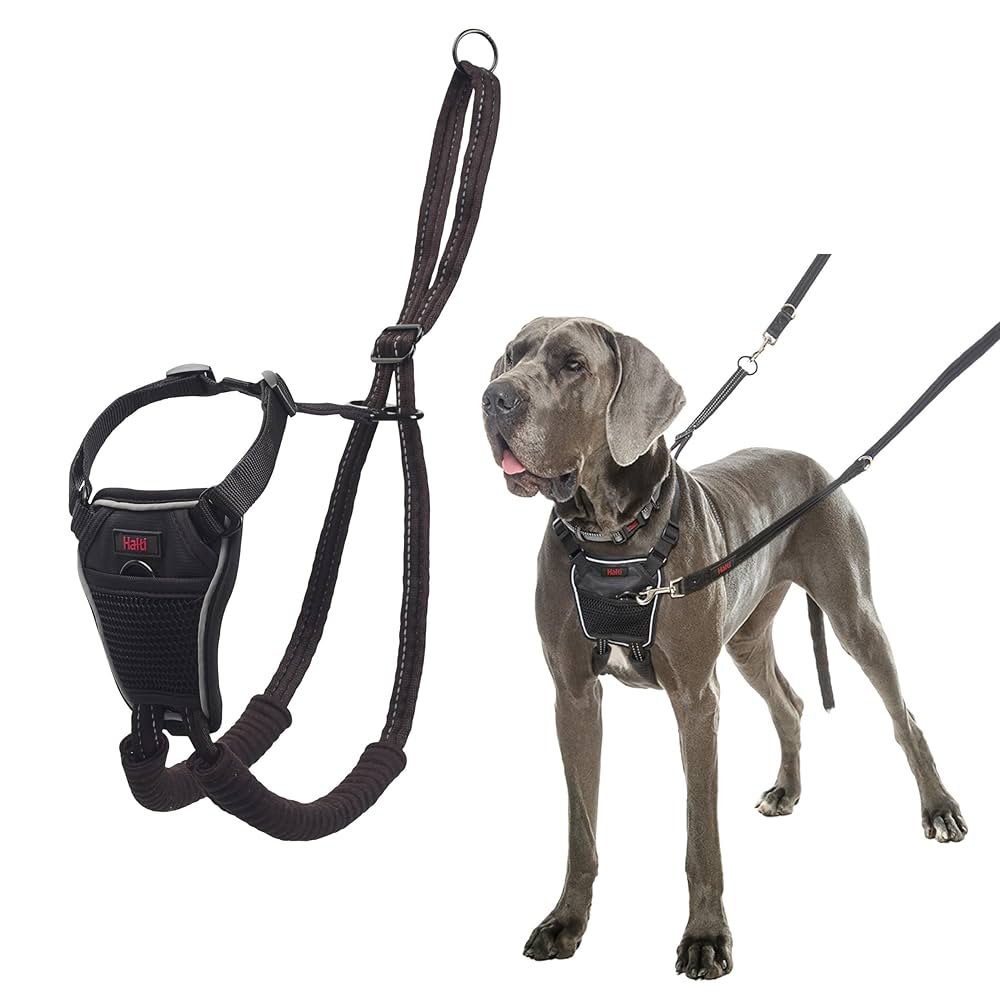
Front-clip harnesses have the leash attachment on the chest, which helps redirect your dog's forward motion. When your dog pulls, the harness gently steers them to the side, discouraging pulling without causing discomfort.
These harnesses work well for dogs that get easily excited or are strong pullers. You might notice your dog slowing down and paying more attention to you during walks with this setup.
Back-clip Harnesses With Anti-pull Features
Back-clip harnesses typically have the leash ring on the dog's back, but some come with anti-pull modifications like dual clips or adjustable straps.
These designs offer more control while keeping your dog comfortable. They are a good choice if your dog pulls less aggressively or if you want an everyday harness with added pulling control.
Head Halters And Alternatives
Head halters fit around your dog’s muzzle and neck, giving you control over their head direction. This can be very effective in stopping pulling because dogs tend to follow their head.
Alternatives include gentle leaders and other face harnesses that work similarly without restricting breathing. While some dogs need time to get used to these, they can transform your walking experience once accepted.
How No Pull Harnesses Work
No pull harnesses help control dogs that pull on the leash during walks. They work by changing how the dog feels when it pulls. This helps teach the dog to walk calmly beside the owner. The design and fit of the harness make a big difference in managing pulling behavior.
Redirecting Pulling Behavior
No pull harnesses guide the dog’s movement without hurting it. When the dog pulls, the harness gently turns its body back toward the owner. This redirection stops forward pulling. The dog learns that pulling does not lead it where it wants.
Pressure Distribution
These harnesses spread pressure evenly over the dog's chest and shoulders. This avoids strain on the neck and throat. The design reduces discomfort, making it safer than collars. Proper pressure helps the dog stay calm and less likely to pull.
Training Reinforcement
No pull harnesses support training by giving clear signals. The gentle pressure reminds the dog to slow down or stop pulling. Owners can reward the dog when it walks nicely. This positive feedback helps the dog learn good walking habits faster.
Choosing The Right Harness
Choosing the right no-pull harness for your dog can make all the difference in your daily walks. It’s not just about stopping pulling; it’s about comfort, control, and safety. Picking the perfect fit means your dog will actually want to wear it, and you’ll enjoy your walks more.
Sizing And Fit Tips
Measure your dog’s chest and neck carefully before buying a harness. Sizes vary between brands, so don’t rely only on weight or breed. A snug fit is key—it should be tight enough to prevent slipping but loose enough to let your dog move freely.
Look for adjustable straps to fine-tune the fit. Remember, an ill-fitting harness can cause chafing or discomfort, making your dog resist wearing it. Try the harness on your dog and observe if they can easily slip out or if any areas seem too tight.
Material And Durability
Choose materials that are strong but gentle on your dog’s skin. Nylon and neoprene are popular for their durability and comfort. If your dog loves to swim or play in muddy areas, a water-resistant or quick-dry fabric will save you cleaning headaches.
Check the stitching and buckles. Reinforced stitching and sturdy clips stand up better to daily wear and energetic dogs. Don’t compromise on quality—cheaper materials might save money upfront but wear out quickly, causing more frustration.
Features To Consider
- Front-clip vs. back-clip:Front-clip harnesses help reduce pulling by steering your dog’s chest, while back-clip harnesses are easier to put on and better for calm dogs.
- Padded straps:Padding prevents rubbing and makes the harness more comfortable, especially for long walks.
- Reflective elements:If you walk at night, reflective stitching or patches improve visibility and safety.
- Handle on the back:A handle gives you quick control in busy or dangerous situations.
What features matter most to you and your dog’s lifestyle? Think about your daily routine and your dog’s behavior to choose a harness that fits your real needs, not just what looks good online.
Training With A No Pull Harness
Training your dog with a no pull harness helps build better walking habits. This tool gently discourages pulling and makes walks more pleasant. Patience and the right approach improve your dog's response quickly.
Introducing The Harness To Your Dog
Let your dog sniff and explore the harness first. Place it near their bed or toys for familiar smells. Put it on gently and praise your dog for calm behavior. Keep sessions short at first to avoid stress.
Techniques To Stop Pulling
Use the harness to guide your dog without force. Stop walking when your dog pulls and wait for them to relax. Reward your dog with treats or praise for walking close. Change direction often to keep your dog focused on you.
Consistency And Patience
Train regularly, even for short times daily. Be patient; habits take time to change. Always use the harness during walks for steady progress. Celebrate small improvements to encourage your dog’s learning.
Credit: www.businessinsider.com
Common Mistakes To Avoid
Using a no pull harness can make walks calmer and more enjoyable. Yet, mistakes reduce its effectiveness and comfort. Avoiding these common errors helps keep your dog safe and happy.
Incorrect Fit Issues
A harness that is too tight can hurt your dog’s skin. Too loose, and the dog might slip out. Measure your dog carefully before buying. Adjust straps to fit snugly but comfortably. Check fit regularly, as dogs grow or change weight.
Using Harnesses As A Punishment
A harness is not a tool for punishment. Dogs respond best to positive training methods. Avoid yanking or jerking the harness. This causes fear and discomfort. Use the harness to guide and teach, not to discipline harshly.
Ignoring Behavioral Causes
Pulling often shows a dog’s excitement or anxiety. A harness alone won’t fix these feelings. Address the root behavior with training and patience. Reward calm walking and use the harness as support. Understanding your dog’s behavior improves results.
Top No Pull Harness Brands
Choosing the right no pull harness for your dog can make walks more enjoyable and less stressful. The market offers a variety of brands, each promising comfort, control, and durability. Knowing which brands stand out helps you make a smart choice for your furry friend.
Popular Choices
Brands like Easy Walkand PetSafeare favorites among dog owners. They offer harnesses designed to discourage pulling without causing discomfort. Many users praise their simple design and effectiveness in training dogs to walk calmly.
Have you noticed how some harnesses can frustrate your dog? These popular choices tend to balance control with comfort, making walks smoother for both of you.
Budget-friendly Options
If you're looking for quality without a high price tag, brands like Rabbitgooand Blue-9offer affordable no pull harnesses. They don’t compromise on safety features and often include adjustable straps for a custom fit.
These harnesses are great if you're just starting out or want to test what works best for your dog. Could a budget-friendly harness meet your needs without breaking the bank?
Premium Picks
For those willing to invest in top-tier gear, Ruffwearand Kurgoprovide premium no pull harnesses. These models often feature advanced materials, ergonomic designs, and extra padding for long-lasting comfort.
Owners who have tried these report fewer issues with chafing and better control during active outings. Would you pay more for a harness that supports your dog’s health and your peace of mind?
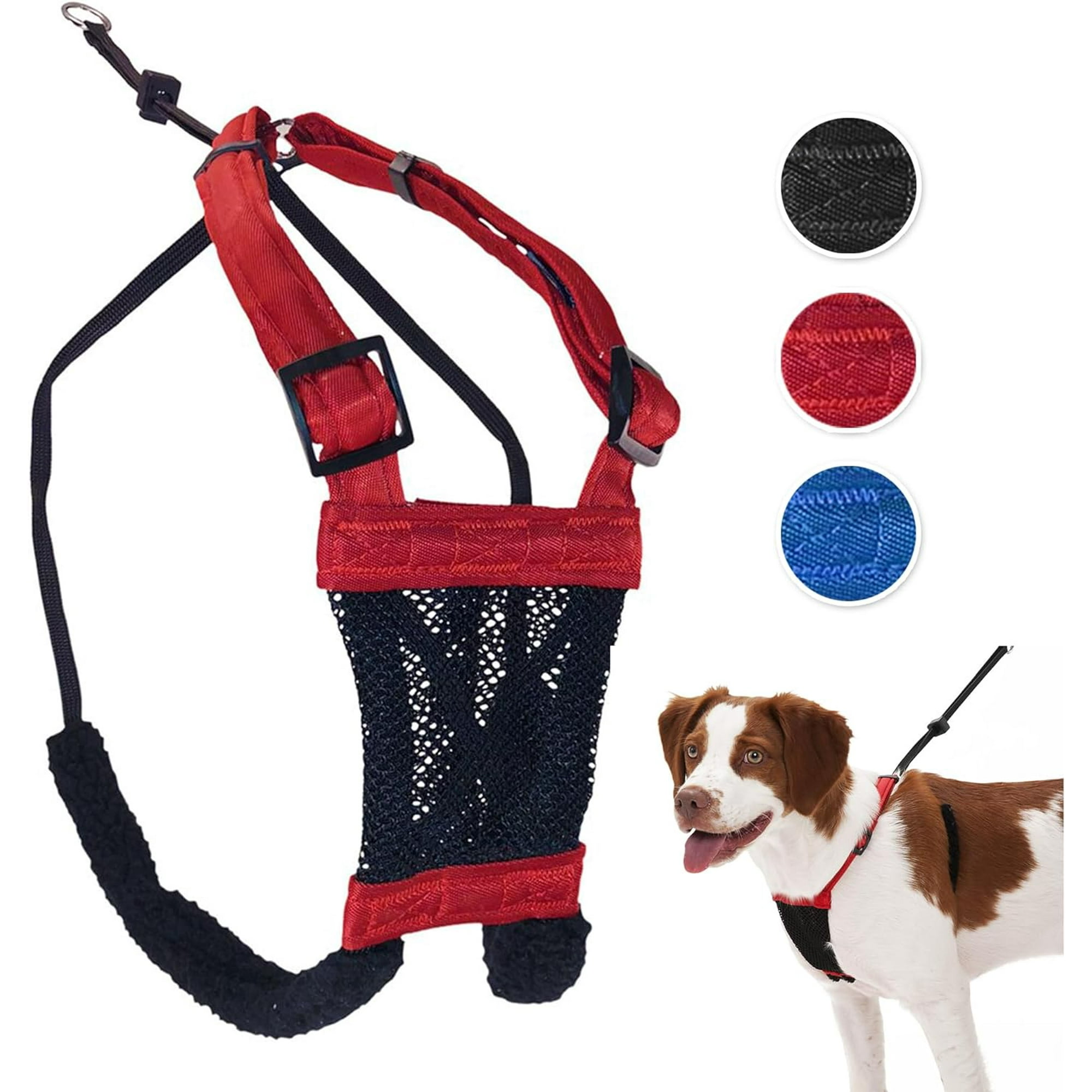
Credit: www.walmart.ca
Maintenance And Care Tips
Proper maintenance keeps a no pull harness safe and comfortable for your dog. Regular care helps the harness last longer. It also prevents skin irritation and discomfort for your pet. Follow simple steps to clean, inspect, and store the harness correctly.
Cleaning Instructions
Use mild soap and warm water to clean the harness. Avoid harsh detergents that can damage the fabric. Hand wash is best to keep the materials intact. Rinse thoroughly to remove all soap. Let the harness air dry completely before use. Avoid direct sunlight or heat sources that may weaken the material.
Checking For Wear And Tear
Inspect the harness regularly for signs of damage. Look for frayed straps, broken buckles, or loose stitching. Check metal parts for rust or corrosion. Replace the harness immediately if you find any damage. A worn harness can cause discomfort or fail during walks. Keep your dog safe by staying vigilant.
Storage Suggestions
Store the harness in a cool, dry place away from direct sunlight. Avoid damp areas to prevent mold and mildew. Keep it away from sharp objects that might tear the fabric. Hang the harness or lay it flat to maintain its shape. Proper storage extends the life of your dog's harness.
Frequently Asked Questions
What Is A No Pull Harness For Dogs?
A no pull harness is a special dog harness designed to reduce pulling during walks. It gently redirects your dog’s movement, making walks safer and more controlled. This harness improves comfort and promotes better walking behavior without causing harm or discomfort to your dog.
How Does A No Pull Harness Work?
It works by applying gentle pressure across the dog’s chest or shoulders when pulling. This pressure discourages pulling and encourages the dog to walk beside you calmly. The design ensures better control and helps train your dog to stop tugging on the leash.
What Are The Benefits Of A No Pull Harness?
No pull harnesses reduce leash pulling, improve walking control, and enhance safety. They prevent neck strain, making walks more comfortable for dogs. Additionally, they help train dogs to walk politely, which benefits both the owner and the pet during daily walks.
Are No Pull Harnesses Suitable For All Dogs?
Yes, no pull harnesses come in various sizes and styles to fit most dogs. They are suitable for small, medium, and large breeds. However, it’s important to choose the correct size and type for your dog’s breed and walking habits for maximum effectiveness.
Conclusion
Choosing a no pull harness can improve your dog walks. It offers comfort and better control. Dogs feel happier with less strain on their necks. Owners enjoy more peaceful walks. A well-fitted harness supports training. It reduces pulling and encourages good behavior.
Many options exist to fit any dog's needs. Regular use can strengthen the bond between you and your dog. Always consult with a professional if unsure. A no pull harness could be the perfect tool for safer, more enjoyable walks.
Make the change today for a better walking experience.