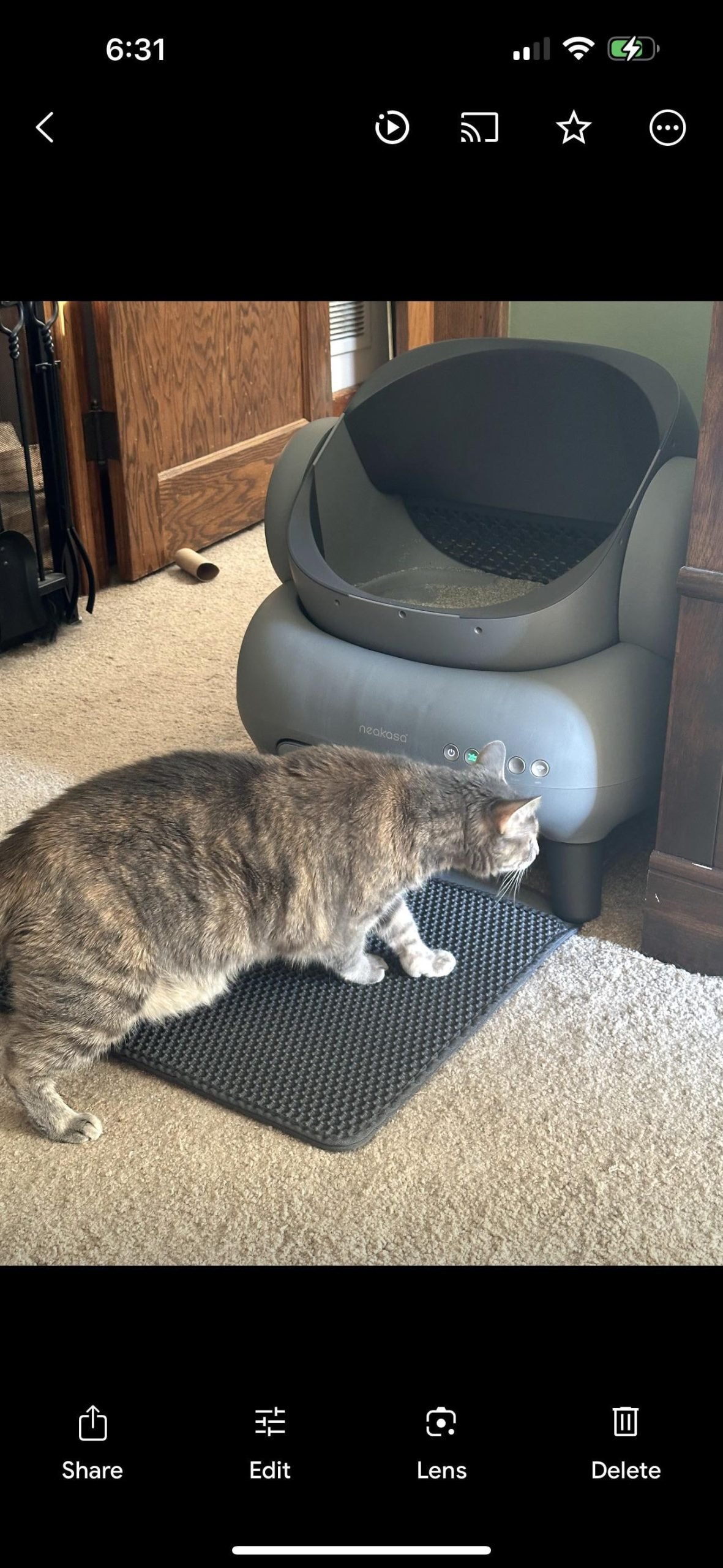
Picture this: You’re running late for work and in the midst of your morning hustle, your cat decides to pay a visit to the Litter Robot. You’re stuck in that moment of panic, wondering if the mechanism will activate while your furry friend is inside.
If you’ve ever owned one of these high-tech litter boxes, you know exactly how this scenario feels. Your heart skips a beat because your cat's safety is your top priority. But what really happens during that cycle delay? Could there be a risk?
We’ll dive deep into what occurs if your cat hops back into the Litter Robot during its delay. You'll discover how these smart devices are designed to ensure your pet’s safety and why you can have peace of mind even when life gets hectic. Stick around to uncover the details that every cat owner with a Litter Robot should know—because understanding this could change how you view your pet’s litter box forever.

Credit: www.reddit.com
Common Causes Of Cat Returning During Delay
Understanding why your cat returns to the Litter Robot during its delay phase can help you improve your pet’s comfort and the device’s effectiveness. Several factors influence this behavior, ranging from timing to the machine's sensitivity. Identifying these causes allows you to make small adjustments that can prevent repeat visits during cleaning cycles.
Timing And Cat Curiosity
Cats are naturally curious creatures. If your cat returns during the delay, it might simply be checking out what’s happening inside the Litter Robot. The delay period is when the device hasn’t started cleaning yet, so the litter inside remains accessible and intriguing.
Think about your cat’s routine: do they often investigate new noises or movements? If so, they might be drawn to the Litter Robot just as it begins its cycle. Adjusting the delay time or distracting your cat with a toy might help reduce this curiosity-driven behavior.
Litter Robot Sensor Sensitivity
The Litter Robot uses sensors to detect when your cat has finished using it. Sometimes, these sensors can be triggered prematurely if the cat moves back inside during the delay. This can confuse the cycle and cause the machine to reset its cleaning process.
Check if the sensors are clean and free of debris, as dirt can cause false readings. You can also observe if your cat’s size or movement style affects sensor activation. Minor tweaks to sensor settings or placement could improve performance.
Cat Anxiety Or Discomfort
Some cats return during the delay because they feel uneasy or uncomfortable. The sudden noises or movements of the Litter Robot might startle them, prompting repeated visits as they try to understand or control the situation.
Have you noticed any signs of stress in your cat around the Litter Robot? Providing a calm environment and ensuring the device operates quietly can help ease anxiety. Sometimes, offering a secondary litter box nearby can also reduce pressure on your cat during the cleaning cycle.

Credit: www.reddit.com
Adjusting Delay Settings
Adjusting the delay settings on your Litter Robot can make a big difference if your cat tends to go back inside during the cleaning cycle. It’s all about finding a balance that keeps your cat safe and comfortable while allowing the machine to do its job effectively. Small tweaks can prevent your cat from feeling rushed or startled, which might encourage better habits over time.
Finding The Right Delay Time
Every cat is different, and their comfort level with the Litter Robot’s cleaning cycle varies. Start by testing the delay times the machine offers, usually ranging from a few seconds up to a couple of minutes. Observe your cat’s behavior closely—does your cat wait calmly or try to sneak back in too soon?
Try increasing the delay by 15 to 30 seconds if your cat returns prematurely. This gives them more time to finish up or feel secure outside before the cleaning starts. On the other hand, if the delay feels too long, the waste may sit exposed, which isn’t ideal for hygiene.
Customizing Settings For Your Cat
Think about your cat’s personality and habits when adjusting the delay. For example, a shy or older cat might need a longer delay to avoid stress. A confident, active cat might do well with a shorter delay to keep the litter box fresh more often.
You can also combine delay adjustments with other settings like night light or odor control options to create a more inviting environment. Have you noticed your cat’s behavior change after tweaking these settings? Sometimes, small changes can lead to big improvements in how your cat uses the Litter Robot.
Improving Litter Robot Placement
Improving the placement of your Litter Robot can significantly reduce the chances of your cat re-entering the unit during delay cycles. Thoughtful positioning can create a more comfortable and inviting environment for your cat, encouraging proper use and minimizing stress. Let’s look at how choosing the right spot and ensuring easy access can make a real difference.
Choosing A Quiet Location
Noise can easily startle your cat, especially when the Litter Robot is cycling. Placing the unit in a quiet corner of your home helps your cat feel safe and less anxious about using it. Avoid areas near loud appliances or heavy foot traffic to reduce disturbances.
Think about where your cat usually prefers to relax. Cats often choose quiet, low-traffic spots for their litter box. Positioning the Litter Robot in a similar area respects their natural instincts and encourages consistent use.
Ensuring Easy Access
If your cat struggles to reach the Litter Robot, it might avoid using it altogether. Make sure there’s a clear, unobstructed path leading to the unit. Remove any furniture or objects that could block or intimidate your cat on the way.
Consider the height and entrance size of the Litter Robot, especially if you have kittens or senior cats. A location on the ground floor or an easily reachable surface lets your cat enter and exit without hesitation. Have you noticed your cat hesitating before entering? This might be a sign to rethink the placement for smoother access.
Training Your Cat
Training your cat to use the Litter Robot can be a smooth experience if you approach it with patience and the right techniques. Cats respond well to clear signals and rewards, so how you introduce the Litter Robot matters a lot. You might notice your cat going back into the Litter Robot during delay cycles, which is a sign they are curious but still learning the routine.
Positive Reinforcement Techniques
Reward your cat every time they use the Litter Robot correctly. Use treats, gentle petting, or verbal praise to make the experience pleasant.
Try to catch your cat’s attention immediately after they exit the Litter Robot to offer a reward. This helps them connect the action with the positive outcome.
If your cat seems hesitant, never force them inside. Instead, wait for them to explore naturally and reward any positive interaction with the device.
Gradual Introduction To The Litter Robot
Start by placing the Litter Robot next to your cat’s current litter box. Let your cat sniff and check it out at their own pace.
Keep both litter boxes accessible for a few days. This prevents stress and lets your cat choose while getting used to the new option.
Slowly increase the time your cat spends near the Litter Robot by engaging them with toys or treats around it. This builds comfort and curiosity.
Have you noticed how your cat reacts when introduced to new objects? Observing their behavior closely can guide how fast or slow you should progress.
Troubleshooting Sensor Issues
Sensor issues can cause the Litter Robot to delay or stop its cleaning cycle. These sensors detect the cat's presence and ensure safety during operation. When a cat returns too soon, the sensors might get confused or blocked. This section helps identify and fix common sensor problems. Follow these tips to keep your Litter Robot working smoothly and your cat happy.
Cleaning And Maintenance Tips
Dirty sensors often cause delays or malfunctions. Clean them regularly for best performance. Use a soft cloth dampened with water to wipe sensor areas gently. Avoid harsh chemicals that might damage sensors. Check sensor windows for dust, litter, or debris that block signals. Keep the unit dry to prevent sensor errors.
- Remove the waste drawer and clean inside parts.
- Clear any litter stuck near sensor openings.
- Inspect the globe for smudges or stains.
- Clean all surfaces lightly once a week.
Resetting The Unit
Resetting the Litter Robot can resolve sensor glitches and delays. This action clears errors and restarts the system. To reset, unplug the unit and wait for 10 seconds. Plug it back in and press the reset button or follow your model’s reset steps. The sensors recalibrate during this process. Test the unit by triggering a cleaning cycle. Repeat if sensor issues persist.
Alternative Solutions
When a cat returns to the Litter Robot during the delay, it may cause frustration or confusion. Alternative solutions can help manage this behavior. These options focus on preventing the cat from interrupting the cycle or adjusting the device settings to suit your cat’s habits. Both approaches aim to keep your cat comfortable and maintain the Litter Robot’s function without issues.
Using External Barriers
External barriers can block the cat’s access to the Litter Robot during the cleaning cycle. You can place physical objects around the unit to discourage entry. For example:
- Use a lightweight gate or screen near the Litter Robot.
- Set up furniture or boxes to create a boundary.
- Place a motion-activated deterrent device nearby.
These barriers give the robot time to complete cleaning without interference. Choose barriers that do not trap the cat or cause stress.
Switching To Manual Modes
Manual modes allow more control over the cleaning cycle. You can start or pause the cycle based on your cat’s behavior. This flexibility helps prevent the cat from entering the unit during delay periods.
- Activate manual cleaning mode on the Litter Robot.
- Monitor your cat and start the cycle when the cat leaves.
- Pause or stop the cycle if the cat returns too soon.
This option requires more attention but reduces unexpected interruptions. It also helps your cat get used to the cleaning process at its own pace.

Credit: www.reddit.com
Frequently Asked Questions
What Happens If A Cat Returns During Litter Robot Delay?
If a cat returns during the cleaning delay, the Litter Robot pauses its cycle. This prevents litter from being sifted while the cat is inside, ensuring safety and comfort. The unit waits until the cat exits before resuming its cleaning process automatically.
Can Repeated Returns Affect Litter Robot Performance?
Yes, repeated cat returns during delay can affect performance. The Litter Robot may take longer to complete cycles. However, it is designed to pause safely and resume cleaning once the cat leaves, maintaining optimal operation without damage.
How Does Litter Robot Detect A Cat Inside?
The Litter Robot uses weight sensors to detect a cat inside. If the cat is present, the unit pauses its cleaning cycle. This sensor ensures the robot only operates when the litter chamber is empty, protecting the cat and preventing malfunctions.
Is It Safe For A Cat To Re-enter During Cleaning Delay?
Yes, it is safe for a cat to re-enter during the delay. The Litter Robot’s safety sensors stop the cleaning process immediately. This design protects cats from injury and ensures a comfortable experience, even if they return unexpectedly.
Conclusion
Delays with the Litter Robot can confuse your cat. Cats may return to the litter before the cleaning ends. This can cause the cycle to restart or stop. Watch your cat’s behavior closely during delays. Keep the area clean to avoid odors or mess.
Regular maintenance helps reduce delays and problems. Patience and care improve your cat’s experience. Small changes make a big difference for both of you. Stay calm, and your cat will adjust in time.