Have you ever wondered what it really means when someone says a dog is “house trained”? If you’re thinking about bringing a dog into your home or struggling with your furry friend’s behavior, understanding this term is key.
Knowing what house training involves can save you time, frustration, and even prevent damage to your home. You’ll discover exactly what house trained means for your dog and how it can make life easier for both of you. Keep reading to find out how this simple concept can change your daily routine for the better.

Credit: sitmeanssit.com
House Training Basics
House training is the foundation for a happy life with your dog. It sets clear boundaries and helps your dog understand where and when to relieve itself. Getting this right early on saves you stress, keeps your home clean, and strengthens your bond with your pet.
What Is House Training
House training means teaching your dog to go to the bathroom only in designated areas, usually outside. This process involves consistent routines, positive reinforcement, and patience. Dogs learn through repetition, so clear signals and timing are key.
Think about your own habits—would you easily change where you go if no one guided you? Dogs need that guidance to avoid accidents and confusion.
Why It Matters For Dogs And Owners
House training matters because it creates a peaceful home environment. For your dog, it reduces anxiety by establishing a predictable schedule. For you, it means fewer messes and less frustration.
Imagine coming home to a clean house and a happy, confident dog. That feeling is worth the effort you put into training. Have you noticed how dogs seem more relaxed when they know the rules? That’s the power of good house training.
Signs Of A House Trained Dog
Recognizing the signs of a house trained dog helps you understand how well your pet has adapted to your home's rules. It goes beyond just knowing where your dog goes to the bathroom; it includes how they behave and interact within your living space. Identifying these signs can make your daily life smoother and strengthen your bond with your furry friend.
Consistent Bathroom Habits
A house trained dog typically waits until they are taken outside to relieve themselves. You might notice your dog giving subtle signals, like sniffing around or pacing near the door, when they need to go. This consistency means fewer accidents inside and less stress for you.
Have you ever caught your dog trying to hide in a corner or behind furniture? These are common signs they need to go out but haven’t yet learned to communicate clearly. Over time, a house trained dog will develop a reliable routine that fits your schedule.
Behavior Around The House
A dog that is house trained understands boundaries within your home. They won’t chew on furniture or leave messes around because they know what’s allowed and what isn’t. This respect for your space shows they’ve internalized your rules.
Notice how your dog reacts when you say “no” or guide them away from certain areas. A house trained dog usually responds calmly without confusion. This behavior reflects trust and an understanding of your expectations.
Steps To House Train Your Dog
House training a dog requires patience and consistency. The process helps your pet learn where and when to relieve itself. Following clear steps makes training easier and more effective. Each dog learns at its own pace. The key is to create a structured environment that supports good habits.
Setting A Routine
Dogs thrive on routine. Take your dog outside at the same times each day. Common times include after meals, naps, and playtime. Consistent bathroom breaks prevent accidents indoors. Use a specific spot outside to help your dog associate the area with bathroom time. Watch for signs your dog needs to go, like sniffing or circling.
Using Positive Reinforcement
Reward your dog with praise or treats when it goes outside. Positive reinforcement encourages repeat good behavior. Be quick with rewards to link the action with praise. Avoid punishment for accidents. Instead, focus on rewarding correct behavior to build trust and confidence.
Managing Accidents
Accidents happen during training. Clean the area thoroughly to remove odors. Use enzyme cleaners to prevent your dog from returning to the same spot. Never yell or punish your dog for accidents. Stay calm and guide your dog to the right place next time.
Crate Training Benefits
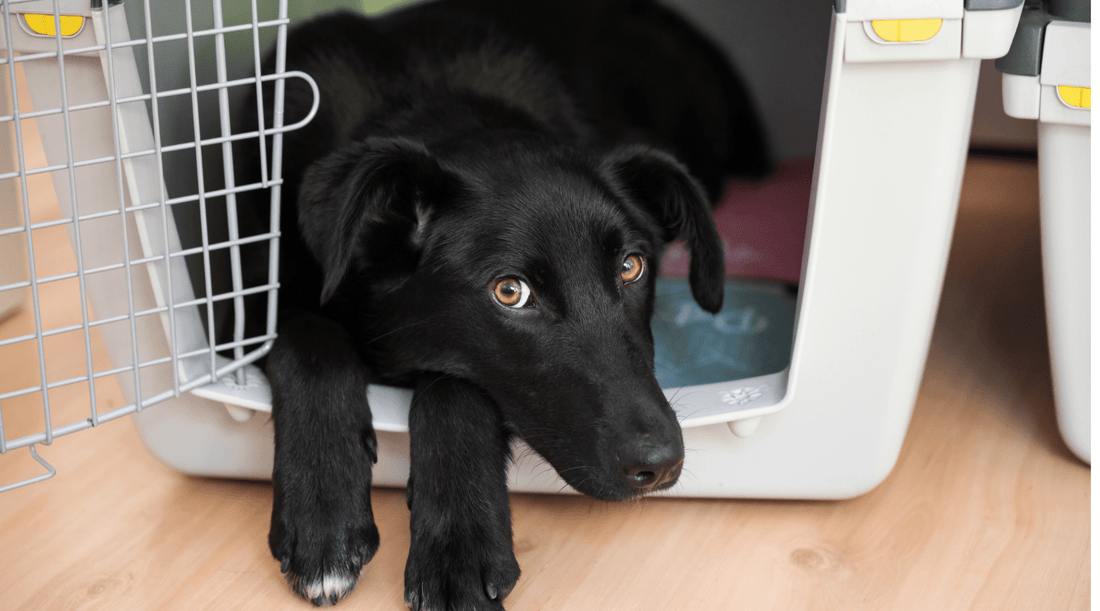
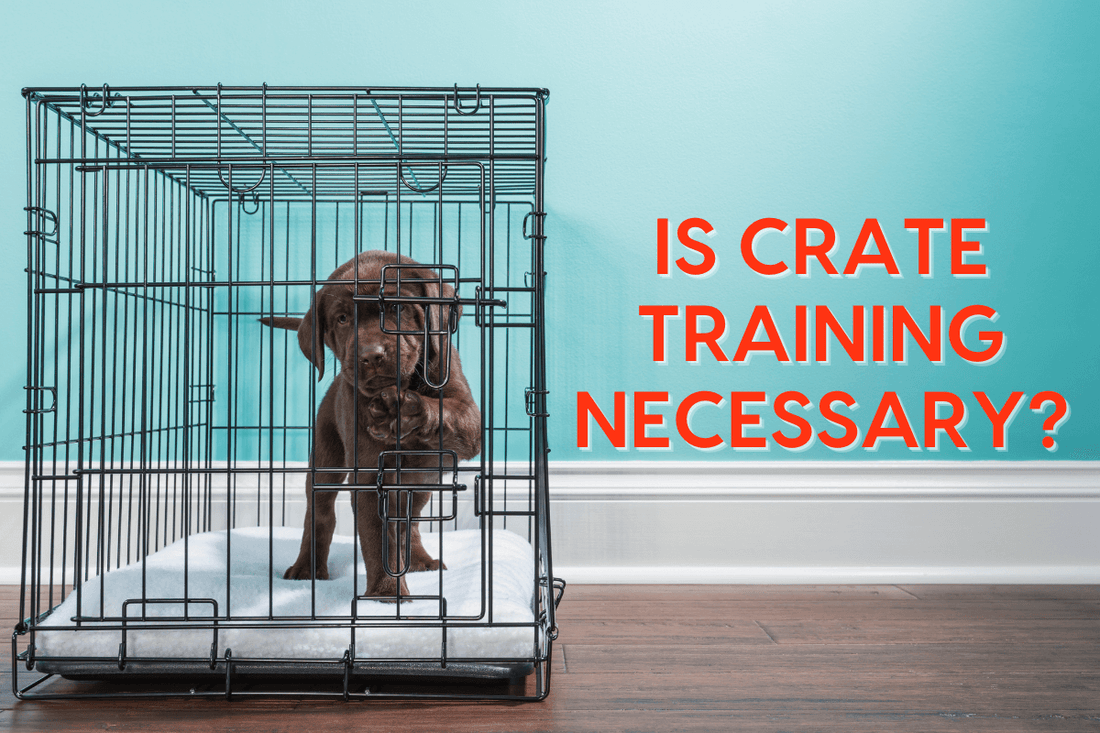
Crate training helps teach control and routine. Dogs usually avoid soiling their sleeping area. Use the crate as a safe space, not a punishment. Start with short periods and gradually increase time. A crate can reduce accidents and make travel easier for your dog.
Common Challenges In House Training
House training a dog often comes with its own set of challenges that can test your patience and consistency. Understanding these obstacles helps you stay prepared and respond effectively. Let’s look at some common issues dog owners face during this process.
Puppy Vs Adult Dog Training
Puppies have smaller bladders and less control, so accidents are more frequent. They need more frequent bathroom breaks and shorter training sessions to stay engaged.
Adult dogs, on the other hand, may already have established habits that are hard to break. You might face resistance or confusion if their past environment was inconsistent with house training.
Have you noticed how your adult dog reacts differently compared to a puppy? Adjusting your approach based on age can speed up progress.
Dealing With Regression
Even well-trained dogs can regress, especially during stressful times like moving to a new home or after illness. This setback can be frustrating but is often temporary.
Instead of punishment, observe what might be causing the behavior change. Reintroduce basic training routines and offer plenty of positive reinforcement.
What small changes in your dog's environment could be triggering these setbacks? Identifying triggers helps you prevent further regression.
Health Issues Affecting Training
Sometimes, accidents are not about behavior but health. Conditions like urinary tract infections or digestive problems can make it difficult for your dog to hold it.
If your dog suddenly starts having accidents after being trained, a vet visit is crucial. Addressing medical problems often resolves training challenges quickly.
Are you keeping track of your dog’s health alongside training progress? This dual focus ensures you don’t miss critical warning signs.
Tips For Long-term Success
House training a dog takes time and effort. Success comes from steady habits and clear signals. Keeping routines helps your dog learn faster. Here are key tips for long-term success in house training.
Consistency Is Key
Use the same commands and routines every day. Take your dog out at regular times. Praise and reward good behavior immediately. Avoid confusing your dog with different rules. Consistent actions build trust and clear understanding.
Patience And Persistence
Accidents will happen. Stay calm and avoid punishment. Repeat training steps as needed without losing hope. Celebrate small wins to encourage your dog. Patience helps your dog feel safe and ready to learn.
Seeking Professional Help
Sometimes, training needs extra support. A professional trainer can offer expert advice. They show effective techniques tailored to your dog. Early help stops bad habits from forming. Don’t hesitate to ask for guidance.
Credit: pupford.com

Credit: pethelpful.com
Frequently Asked Questions
What Does Being House Trained Mean For Dogs?
Being house trained means a dog consistently eliminates outside or in a designated spot. It shows they understand where and when to relieve themselves, keeping your home clean and odor-free.
How Long Does It Take To House Train A Dog?
House training typically takes 4 to 6 months but varies by dog. Consistency, patience, and positive reinforcement speed up the process effectively.
What Are Common House Training Mistakes To Avoid?
Common mistakes include inconsistent schedules, lack of praise, and punishing accidents. These hinder learning and confuse your dog during training.
Can Older Dogs Be House Trained Successfully?
Yes, older dogs can be house trained with patience and consistent routines. Age does not prevent learning but may require more time.
Conclusion
Training a dog takes time, patience, and consistency. House training means your dog knows where to go potty. It’s about understanding and respecting your home. Start with a routine. Stick to it. Use positive reinforcement. Praise your dog for good behavior.
Avoid harsh punishment; it confuses dogs. Keep your expectations realistic. All dogs learn at their own pace. Celebrate small victories. Patience and love are key. Your bond with your dog grows stronger. A well-trained dog means a happier home. Both for you and your furry friend.