If you’re training your dog, you’ve probably heard the word “heel” more than once. But what does heel really mean when it comes to your dog’s training?
Understanding this simple command can make a huge difference in how your dog behaves on walks and around others. Imagine having full control, with your dog calmly walking right by your side, no pulling, no distractions. That’s the power of teaching your dog to heel.
Keep reading, and you’ll discover exactly what heel means and how it can transform your time together.

Credit: www.youtube.com
Heel Command Basics
Mastering the heel command is a key part of training your dog. It sets the foundation for better control and safer walks. Understanding the basics will help you communicate clearly with your furry friend and enjoy every outing together.
What Heel Means
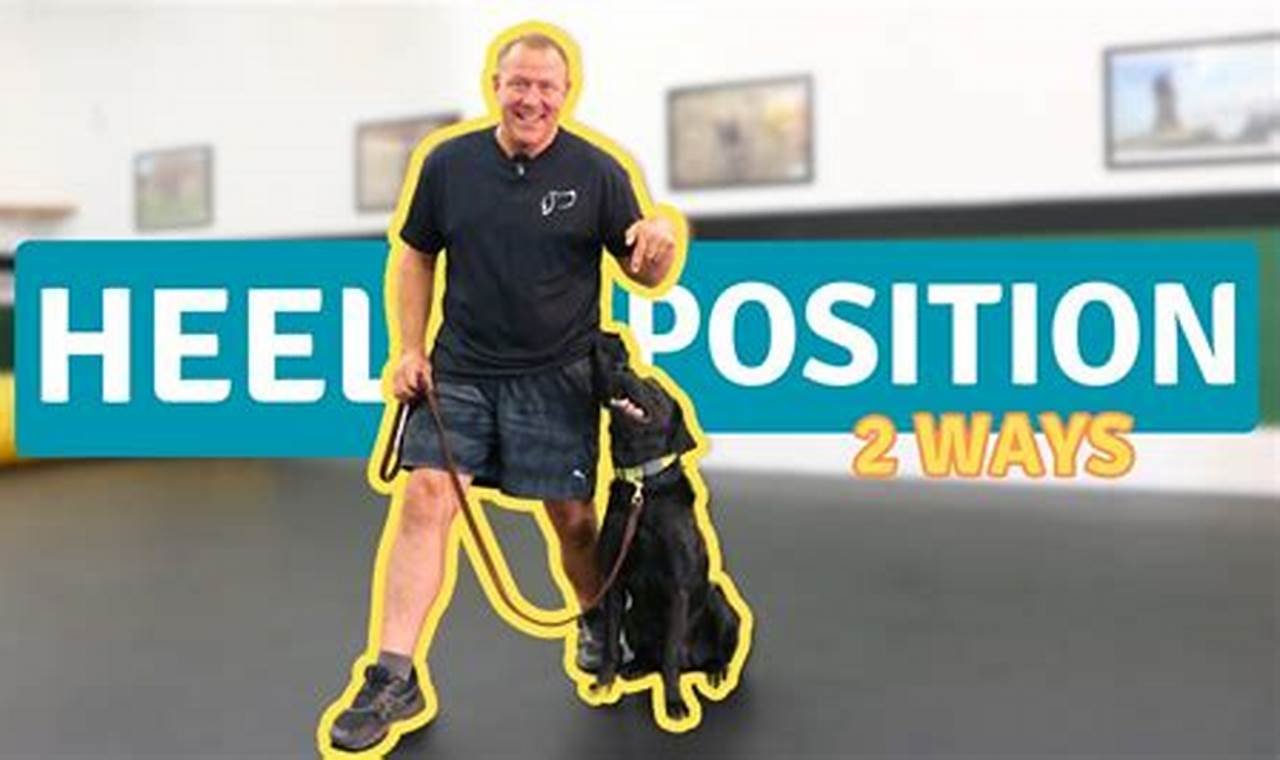
The heel command asks your dog to walk closely by your side, usually on your left, matching your pace. This keeps your dog from pulling ahead or lagging behind during walks.
It’s not just about proximity; it’s about your dog staying attentive to your movements and cues. This connection makes your walks smoother and more enjoyable.
Why Heel Is Important
Imagine trying to navigate a busy street with a dog tugging on the leash—heel training prevents this struggle. It keeps your dog safe from traffic and other hazards by maintaining close control.
Heel also boosts your dog’s focus and discipline. When your dog learns to heel, it’s easier to teach other commands because they’re already tuned into your guidance.
Have you noticed how walks become more relaxing when your dog stays by your side? That calm control comes from solid heel training, making your time outside less stressful and more fun.
Preparing To Teach Heel
Preparing to teach your dog the heel command sets the stage for effective and enjoyable training sessions. This phase is about creating the right conditions where your dog can focus, understand, and succeed. If you start with distractions or without the proper tools, your dog might get confused or frustrated, making the process slower for both of you.
Choosing The Right Environment
Pick a quiet, familiar spot where your dog feels comfortable. A low-distraction area helps your dog focus on you rather than on noises, smells, or other animals. For example, your backyard or a quiet park corner works better than a busy street or crowded dog park.
As your dog improves, gradually add distractions to test and strengthen their focus. This way, your dog learns to heel even when things get exciting around them. Have you noticed how your dog reacts to noises or other dogs? That’s a good clue about where to start.
Gathering Training Tools
Keep your training tools simple but effective. A standard leash, a collar or harness, and a handful of small, tasty treats are essential. Treats should be easy to chew and special enough to motivate your dog.
Consider using a clicker if you want clear communication with your dog. It marks the exact moment they perform the right behavior. Also, bring a favorite toy to reward your dog with playtime after a successful session.
Having everything ready before you start saves time and keeps your dog engaged. It’s frustrating for both of you if you have to stop because you forgot treats or your leash. What tools do you find your dog responds to best?
Step-by-step Heel Training
Teaching your dog to heel can transform walks from chaotic to calm. It means your dog walks closely beside you, matching your pace without pulling ahead or lagging behind. Achieving this takes patience and clear communication, but the result is a more enjoyable experience for both of you.
Introducing The Command
Start by choosing a quiet spot with few distractions. Hold a treat in your hand and let your dog see it. Say the word "heel"clearly as you begin walking, encouraging your dog to stay by your side.
If your dog moves ahead or falls behind, gently guide them back to your side using the leash. Keep your tone positive and calm. Repeating this in short sessions helps your dog understand what you want without becoming overwhelmed.
Using Treats And Rewards
Treats are powerful tools for reinforcing good behavior. Offer a small treat every few steps when your dog stays in the correct position. This rewards focus and encourages your dog to keep up the good work.
Mix up treats with praise and petting to keep your dog motivated. You might notice your dog starts anticipating the treat and naturally stays close. Have you tried using different types of rewards to see what excites your dog most?
Correcting Unwanted Behavior
When your dog pulls ahead or lags, stop walking immediately. This pause signals that walking only continues when your dog is in the right spot. Avoid harsh corrections; instead, use a firm but gentle tone to say "heel"again.
If pulling persists, gently reel in the leash to regain control without yanking. Consistency is key—your dog needs to know that pulling delays the walk. How do you usually handle unwanted behavior during training? Adjusting your approach might make all the difference.

Credit: www.walkiesandwaggietails.co.uk
Common Challenges In Heel Training
Heel training your dog often brings rewarding moments, but it also comes with hurdles that can test your patience and consistency. Understanding these challenges helps you stay calm and focused during training sessions. Let's look at some common issues you might face and how to tackle them effectively.
Dealing With Distractions
Distractions can derail your dog’s attention quickly, especially in busy places. It’s normal for your dog to get curious about other dogs, people, or noises around. To keep your dog focused, start training in a quiet area and gradually add distractions over time.
Try using high-value treats or favorite toys to regain your dog’s attention. Have you noticed which distractions pull your dog’s focus the most? Identifying these helps you plan better training sessions.
Managing Pulling And Lagging
Pulling on the leash or lagging behind can disrupt the rhythm of heel walking. If your dog pulls, stop walking immediately and wait for them to come back to your side before moving on. This teaches your dog that pulling won’t get them anywhere faster.
When your dog lags, encourage them with a cheerful voice or gentle tug on the leash. Sometimes, mixing short bursts of running or changes in pace can motivate your dog to stay close. How do you respond when your dog falls behind during a walk?
Handling Overexcitement
Overexcitement can make heel training a challenge, especially with puppies or highly energetic breeds. When your dog gets too excited, pause and wait for them to calm down before continuing. Teaching a "calm" cue can be very helpful here.
Use deep breaths and a steady tone to help your dog settle. Have you tried rewarding calm behavior right before starting heel work? This can set the tone for a more focused walk.
Advanced Heel Techniques
Mastering advanced heel techniques takes your dog's training beyond the basics. It challenges both you and your dog to stay sharp, adaptable, and responsive in varied situations. These techniques help your dog maintain focus and control, no matter the distractions or pace.
Heel At Different Paces
Training your dog to heel at different speeds tests their ability to stay connected with you. Start by walking slowly, then gradually pick up the pace to a brisk walk or even a light jog. Watch how your dog adjusts their stride to match yours without pulling ahead or falling behind.
Try mixing these paces unpredictably during your walks. This keeps your dog attentive and ready to respond instantly. Have you noticed how your dog’s focus improves when they don’t know what speed you’ll choose next?
Use clear verbal cues or hand signals to indicate speed changes. This helps your dog anticipate your movements and stay in sync. Patience is key here—some dogs might need extra practice to keep up smoothly.
Heel With Off-leash Control
Off-leash heeling is the ultimate test of trust and obedience. It means your dog follows your lead without the physical guidance of a leash. This level of control requires consistent training and strong communication.
Begin practicing off-leash heel in a safe, enclosed area. Use positive reinforcement like treats or praise whenever your dog stays by your side. Gradually increase distractions to simulate real-world environments.
Think about how your dog responds to your body language and voice. Are they tuned in enough to follow subtle cues? If not, slow down and reinforce the basics before trying again.
Remember, off-leash control isn’t just about obedience—it’s about building a deep connection with your dog. This connection makes your walks more enjoyable and safer for both of you.
Maintaining Heel Behavior
Maintaining heel behavior is key to keeping your dog well-behaved and safe during walks and training sessions. It’s not just about teaching your dog to walk beside you once; it’s about making this behavior a natural part of their routine. Consistency and patience play a huge role in ensuring your dog stays focused and responsive to the heel command over time.
Regular Practice Tips
Practice makes perfect, especially with heel training. Short, frequent sessions work better than long, tiring ones. Try practicing heel in different places to help your dog stay attentive regardless of distractions.
- Use treats or praise as rewards immediately when your dog stays in the heel position.
- Keep training sessions under 10 minutes to prevent your dog from losing interest.
- Gradually increase the duration your dog holds the heel position before rewarding.
Have you noticed how your dog reacts when distractions pop up? Use those moments as training opportunities rather than setbacks. It’s a chance to strengthen your dog’s focus.
Incorporating Heel In Daily Walks
Daily walks are perfect for reinforcing heel behavior in a real-world setting. Instead of just letting your dog pull ahead, gently guide them back to your side and reward them for staying there.
- Start your walk with a clear heel command to set expectations.
- If your dog pulls, stop walking and wait for them to return to your side before continuing.
- Keep your tone calm and encouraging to maintain a positive association with walking close to you.
Think about your own walks—how often do you remind your dog to heel? Making this part of your routine helps build a strong habit. What small changes can you make today to improve your dog’s walking manners?
Benefits Of Consistent Heel Training
Consistent heel training offers more than just a neat walking pattern for your dog. It builds a foundation for safety and trust between you and your furry friend. By dedicating time to this practice, you create a routine that benefits both your daily walks and your dog's overall behavior.
Enhanced Safety
Training your dog to heel helps you maintain control in busy or unpredictable environments. When your dog stays close to your side, it's easier to prevent sudden dashes into traffic or encounters with aggressive animals.
Imagine walking near a busy street. A dog trained to heel won't pull away or run ahead, reducing risks significantly. This control also means fewer surprises during outdoor adventures, letting you focus on enjoying the moment together.
Improved Dog-human Bond
Heel training encourages communication and cooperation between you and your dog. This shared activity builds trust because your dog learns to pay attention to your cues and respond calmly.
Think about the satisfaction of a walk where your dog walks calmly beside you, looking up for direction. That connection grows stronger with every successful training session, making your relationship more rewarding for both of you.

Credit: www.followtheleaderinc.com
Frequently Asked Questions
What Does "heel" Mean In Dog Training?
"Heel" means teaching a dog to walk closely beside its owner. The dog stays near the left leg. This command ensures control and safety during walks.
Why Is Heel Training Important For Dogs?
Heel training improves dog obedience and focus. It prevents pulling and keeps dogs safe around traffic. It also strengthens the bond between dog and owner.
How Do You Teach A Dog To Heel?
Start with short walks using treats as rewards. Use a leash and say "heel" while guiding your dog to stay close. Practice regularly for best results.
When Should You Start Heel Training Your Dog?
Begin heel training as soon as your puppy adapts to basic commands. Early training creates good walking habits and prevents future behavior problems.
Conclusion
Teaching your dog to heel creates a stronger bond. It boosts safety during walks. Consistent practice is key for success. Make training sessions short and enjoyable. Always reward good behavior promptly. Patience is essential in this process. Your dog learns at its own pace.
Enjoy the journey together. Happy training!