Are you a cat owner who's recently noticed something unusual in your kitty's litter box? Discovering blood in your cat's litter can be alarming, and it's natural to feel concerned about your furry friend's health.
But before you panic, understanding what blood in cat litter looks like is the first step in addressing the issue. In this guide, we'll explore the signs to watch for, what might be causing it, and what steps you should take next.
With the right information, you can better care for your pet and ensure their well-being. Keep reading to uncover the insights you need to protect your beloved feline companion.
Credit: www.petforums.co.uk
Common Colors In Cat Litter
Noticing unusual colors in your cat's litter can be unsettling. Understanding what different colors mean helps you spot potential health issues early. Let’s look at the common colors you might see in cat litter and what they indicate.
Normal Litter Appearance
Most cat litters have a natural beige, gray, or white color before use. After use, urine typically changes the litter to a yellow or light brown shade. Solid waste usually appears as dark brown or black.
You might also see some clumps if your litter is clumping type. These clumps are usually a mix of urine and litter, turning slightly darker than dry litter. This range of colors is generally normal and nothing to worry about.
Variations Due To Food And Health
Changes in your cat’s diet can alter the colors in the litter. Foods rich in beetroot or certain dyes might tint urine pink or red, which can be mistaken for blood.
However, persistent red or rusty spots in the litter could signal bleeding. Other health issues like urinary tract infections or bladder stones might also cause visible blood in the litter.
Have you noticed any unusual colors in your cat’s litter lately? Paying attention to these subtle changes can help you catch problems before they get serious.
Identifying Blood In Cat Litter
Noticing blood in your cat’s litter can be alarming. Recognizing what it looks like helps you act quickly. Blood does not always appear the same. It varies in color and form. Careful observation is key to spotting the signs.
Color Shades Of Blood
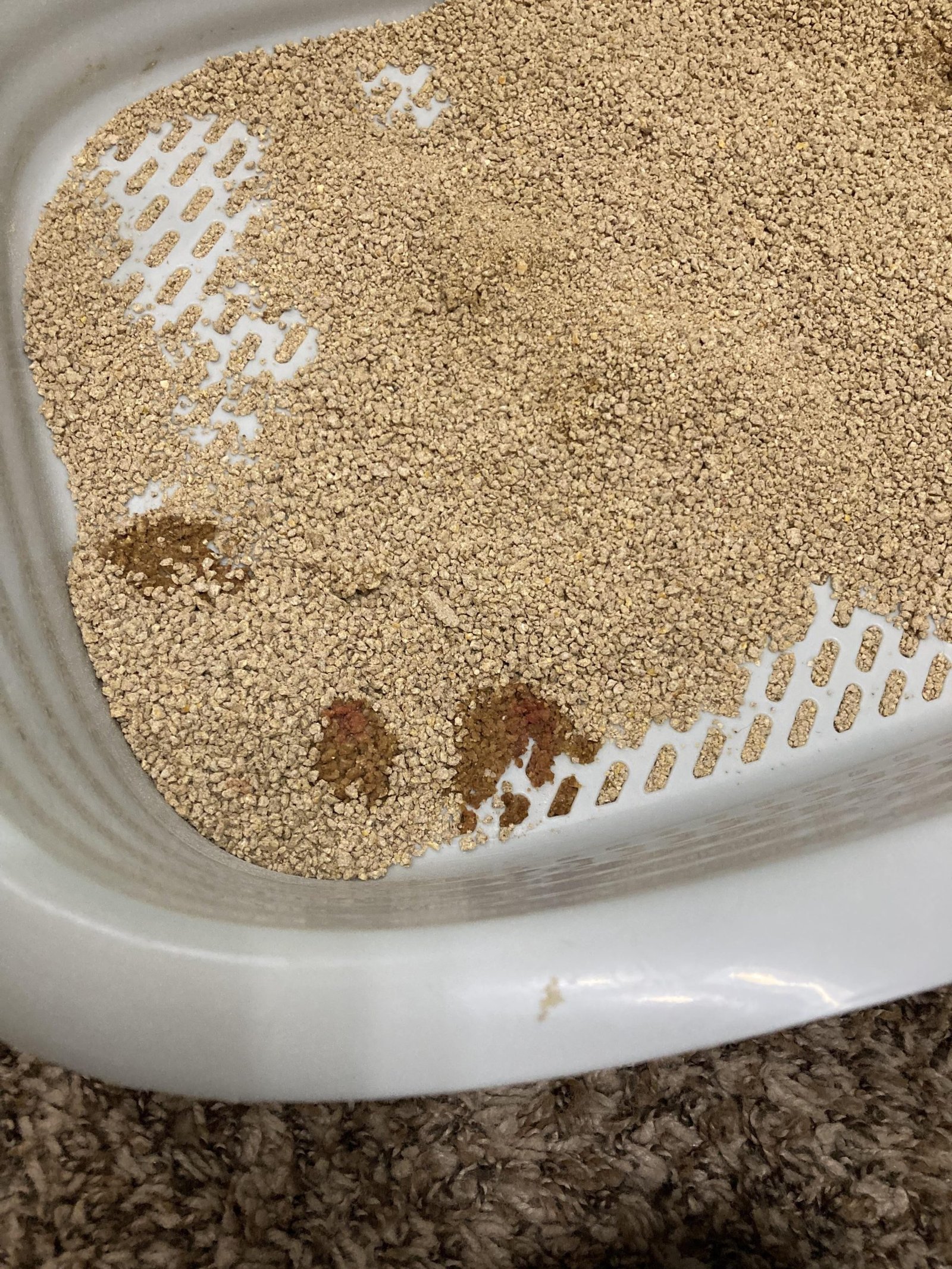
Blood in cat litter can show different colors. Fresh blood is bright red, clear, and vivid. Older blood turns darker, often brown or rust-colored. Sometimes, it looks pink when mixed with urine or litter dust. Small spots or streaks can also appear in these shades.
Texture And Patterns To Notice
Blood can be wet or dry in the litter box. Wet blood looks shiny and smooth. Dried blood feels rough and crumbly. Patterns may include spots, streaks, or smears. Clumps of blood mixed with litter might stick together. Look for unusual patches that stand out from normal waste.
Possible Causes Of Blood In Litter
Seeing blood in your cat's litter can be alarming, and understanding the possible causes is crucial for your pet's health. Blood in the litter isn’t always obvious—it may appear as small red spots, streaks, or a pinkish tint in the urine or stool. Identifying the source of the blood helps you decide when to seek veterinary care and what questions to ask your vet.
Urinary Tract Infections
Urinary tract infections (UTIs) are a common cause of blood in cat litter. They often cause your cat to urinate more frequently, sometimes with visible blood mixed in the urine. If your cat is straining to urinate or licking their genital area excessively, a UTI might be the issue.
UTIs can be painful and lead to more serious problems if left untreated. Have you noticed your cat avoiding the litter box or showing discomfort? These signs point toward an infection that needs prompt attention.
Injuries And Wounds
Injuries to your cat’s paws or genital area can cause bleeding that shows up in the litter box. Cuts, scratches, or even rough play can lead to blood spotting in the litter. Check your cat’s paws and fur for any visible wounds or swelling.
Sometimes, the bleeding might be minor and easy to miss unless you look closely. If your cat is limping or grooming a specific spot obsessively, take a closer look for hidden injuries.
Digestive Issues
Blood in your cat’s litter can also come from digestive problems. Conditions like constipation, diarrhea, or intestinal parasites may cause blood to appear in the stool. You might notice a change in your cat’s bathroom habits alongside the blood.
If your cat strains in the litter box or has loose stools with blood, it’s a sign to check with your vet. Digestive issues can be uncomfortable and sometimes indicate more serious health concerns.
Other Health Conditions
Sometimes blood in the litter points to other health conditions, such as kidney disease, bladder stones, or even certain cancers. These conditions might cause internal bleeding that shows up in urine or stool. Regular vet visits and early diagnosis can make a big difference in treatment.
Have you considered how your cat’s overall behavior has changed? Appetite loss, lethargy, or weight changes combined with blood in the litter should never be ignored. Your vet can run tests to pinpoint the exact cause.
When To Seek Veterinary Care
Noticing blood in your cat’s litter can be alarming. But how do you know when it’s time to call the vet? Understanding the signs that indicate a serious problem can help you act quickly and protect your cat’s health.
Severity And Frequency
Ask yourself how much blood you see in the litter. Is it just a small spot, or is the litter soaked with blood? Small, isolated stains might be less urgent, but large amounts or continuous bleeding require immediate attention.
Also, consider how often you notice blood. A single occurrence might be a minor issue, but repeated bleeding over several days should never be ignored. Consistent bleeding may point to infections, injuries, or other serious conditions.
Additional Symptoms To Monitor
Look beyond the blood itself. Is your cat showing signs of pain when urinating or defecating? Are they hiding more than usual or losing appetite? These behaviors can signal discomfort or illness connected to the bleeding.
Check for other symptoms like vomiting, lethargy, or swelling around the abdomen. These can indicate internal problems that need urgent veterinary care. Have you noticed changes in your cat’s bathroom habits or energy levels alongside the blood? These details matter.
Preventive Measures And Care Tips
Preventing blood in cat litter involves simple care steps. These steps keep your cat healthy and your home clean. Good habits stop problems before they start. Focus on hygiene, health checks, and diet to protect your cat.
Maintaining Litter Hygiene
Clean litter boxes daily. Remove waste and clumps often. Use unscented, dust-free litter to avoid irritation. Wash the litter box weekly with mild soap and water. Change litter completely every one to two weeks. A clean box reduces infection risks. It also helps spot blood or other issues early.
Regular Health Check-ups
Visit the vet at least once a year. Older cats need more frequent visits. Early detection of urinary or digestive problems prevents serious illness. Tell the vet about any changes in behavior or litter box habits. Blood in litter can signal infections, stones, or injuries. Timely care keeps your cat comfortable and safe.
Diet And Hydration
Feed high-quality food suited for your cat’s age and health. Proper nutrition supports the immune system and urinary tract. Always provide fresh water to keep your cat hydrated. Dehydration increases the risk of urinary tract problems. Wet food helps increase water intake. Watch your cat’s eating and drinking habits closely for changes.
Credit: www.worldsbestcatlitter.com

Credit: www.reddit.com
Frequently Asked Questions
What Does Blood In Cat Litter Typically Look Like?
Blood in cat litter usually appears as small red or pink spots. It may mix with the litter or form streaks. The color can range from bright red to dark brown, depending on its freshness and amount.
How Can I Tell If Blood In Litter Is Serious?
If blood in litter is frequent or accompanied by other symptoms, it is serious. Look for signs like lethargy, vomiting, or changes in urination. Persistent bleeding requires immediate veterinary attention.
What Common Causes Lead To Blood In Cat Litter?
Common causes include urinary tract infections, bladder stones, or injuries. Other reasons might be parasites or tumors. Identifying the cause early helps in proper treatment and recovery.
Can Blood In Litter Indicate A Urinary Tract Infection?
Yes, blood in litter often signals a urinary tract infection. Cats may strain or urinate frequently. Prompt veterinary care can prevent complications and relieve discomfort.
Conclusion
Blood in cat litter can be a sign of health problems. It may look like red spots or streaks in the litter. This can happen if your cat has a urinary tract infection or injury. You should watch your cat's behavior closely.
If you see blood, contact your vet quickly. Early care helps your cat get better fast. Keep your cat's litter box clean every day. This can help you notice changes early. Taking care of your cat’s health is very important.
Stay alert and act fast for your pet’s safety.