Are you tired of finding your garden dug up or your furniture covered in fur? If you're nodding along, you're not alone.
Many people love cats, but there are times when you need to keep them away from certain areas of your home. But what do cats hate that will actually keep them at bay? Understanding the things that cats dislike can be your secret weapon in maintaining a peaceful and cat-free zone.
We’ll dive into the simple yet effective solutions to help you reclaim your space, ensuring both you and your feline visitors stay happy. Keep reading to uncover the surprising tips and tricks that will have those curious kitties steering clear of your property.
Smells Cats Avoid
Cats have a keen sense of smell that often guides their behavior more than anything else. Certain scents can make them uncomfortable and keep them away from places you want to protect. Understanding these smells can help you create natural barriers without harming your feline friends.
Citrus Scents
Most cats strongly dislike the sharp, fresh smell of citrus fruits like oranges, lemons, and limes. You can use peels or sprays made from citrus oils around areas you want to keep cat-free. I once scattered orange peels in my garden, and within days, the neighborhood cats stopped visiting.
Try placing citrus peels near furniture or plants to gently discourage cats. Just be careful not to use concentrated citrus oils directly on your cat, as they can be harmful.
Vinegar
The strong, sour smell of vinegar is another scent cats tend to avoid. It’s cheap, easy to find, and can be diluted to spray on surfaces like carpets or doorways. I sprayed diluted vinegar near my kitchen counters, and my cat quickly learned to stay away.
Use a 50/50 mix of water and vinegar in a spray bottle for best results. Avoid spraying on fabrics that might get damaged, and always test a small area first.
Essential Oils
Some essential oils, such as lavender, eucalyptus, and peppermint, are unpleasant to cats. You can diffuse these oils or apply diluted versions near areas to deter them. Just remember, many essential oils can be toxic if ingested or applied directly to cats, so use with caution.
Consider placing cotton balls soaked in diluted essential oils around entry points or garden beds. Have you noticed any particular scents your cat avoids? Using these smells thoughtfully can help protect your space without stress.
Credit: www.petmd.com
Textures That Repel Cats
Cats are very sensitive to textures under their paws. Certain surfaces feel uncomfortable or even unpleasant to them, which makes these textures perfect for keeping cats away from specific areas. Using textures that repel cats can be a simple and effective way to protect your furniture, plants, or countertops without causing harm.
Aluminum Foil
Aluminum foil is one of the most popular textures that cats dislike. Its crinkly sound and cool, slippery surface make cats avoid stepping on it. You can lay sheets of foil on surfaces you want your cat to stay away from, like kitchen counters or shelves.
One time, I placed foil on my coffee table to stop my cat from jumping up. Within a day, she stopped trying altogether. Have you noticed how cats jump carefully around foil-covered areas?
Double-sided Tape
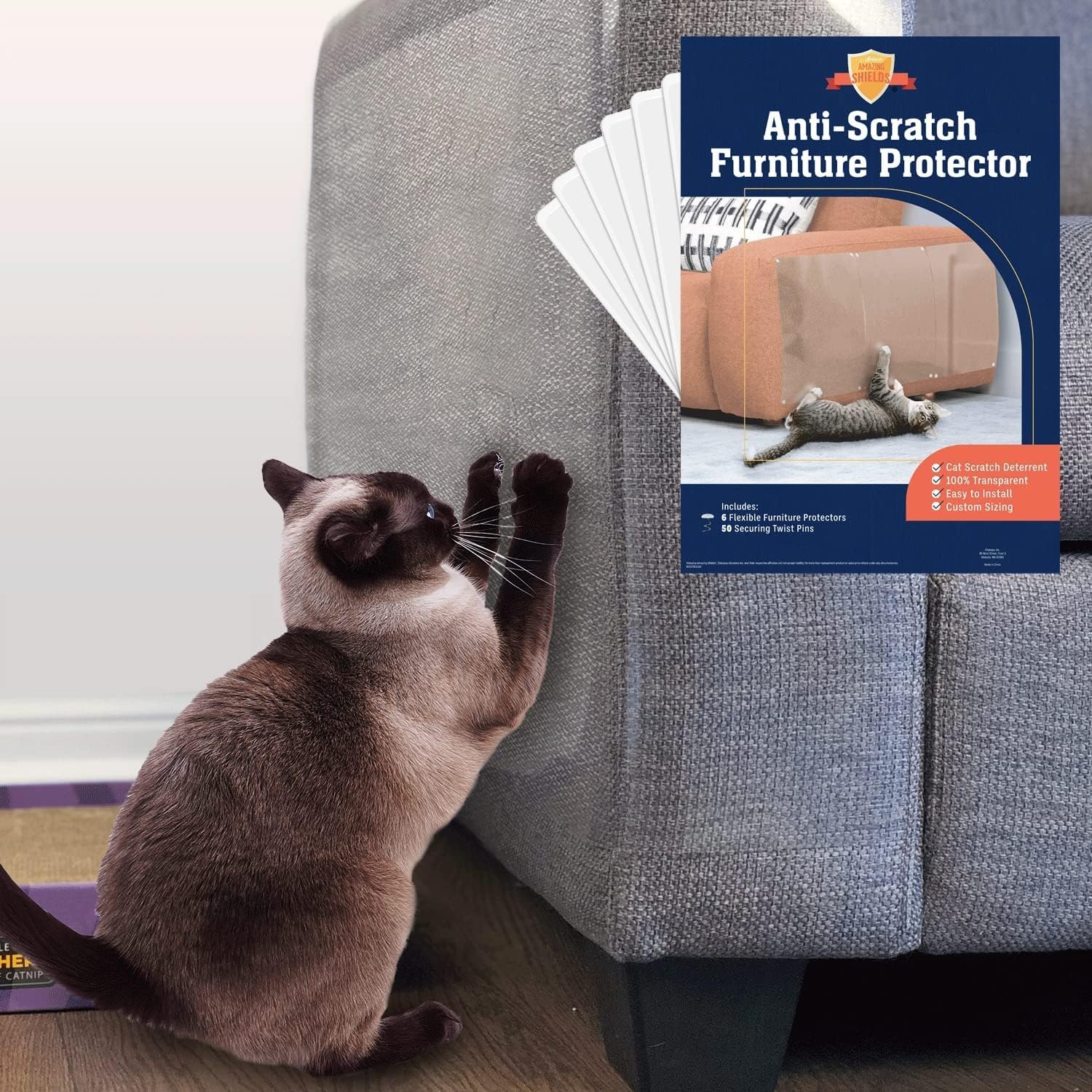
Double-sided tape feels sticky and strange under a cat’s paws, which they find unpleasant. Applying strips of this tape on furniture edges or windowsills can discourage your cat from scratching or sitting there. It’s safe and easy to remove once your cat learns to avoid the area.
Try to place the tape in spots your cat frequents. You might be surprised how quickly they retreat once they experience the sticky feeling.
Plastic Mats With Nubs
Plastic mats with raised nubs or spikes create an uncomfortable surface for cats to walk on. These mats are usually flexible and can be placed discreetly on floors or shelves. Cats dislike the uneven texture and will avoid areas covered with these mats.
If you want to protect a certain corner, placing one of these mats there can work wonders. Have you ever seen your cat tiptoe around a certain spot? That could be the texture at work.
Sounds Cats Dislike
Sounds play a powerful role in shaping your cat’s behavior. Certain noises can make them uncomfortable or anxious, encouraging them to stay away from specific areas. Understanding which sounds cats dislike can help you create a peaceful environment while keeping your feline friend out of places you want them to avoid.
Ultrasonic Devices
Ultrasonic devices emit high-frequency sounds that are inaudible to humans but very unpleasant for cats. These sounds can deter cats from entering gardens, furniture, or rooms without causing them harm.
Many pet owners have found ultrasonic repellents effective because cats quickly learn to associate the noise with an unwanted area. Have you tried an ultrasonic device around your home to gently guide your cat’s movements?
Loud Noises
Cats have sensitive ears, so loud noises like vacuum cleaners, thunder, or banging doors can startle them. These sounds create an unpleasant environment, prompting cats to avoid the area entirely.
Using loud noises strategically can help train your cat to steer clear of certain spots. However, it’s important to avoid causing stress or fear that could harm your pet’s well-being.
Clapping And Shouting
Sudden clapping or shouting often grabs a cat’s attention and signals disapproval. Many cat owners use these sounds as quick, harmless corrections to stop unwanted behavior.
Try clapping your hands sharply or raising your voice firmly to interrupt your cat if they’re doing something you don’t want. This method works best when paired with positive reinforcement elsewhere, so your cat understands boundaries without feeling scared.
Credit: www.amazon.com
Plants That Keep Cats Away
Cats dislike certain plants because of their strong smells or tastes. Planting these around your home can help keep cats away naturally. They create a barrier without harming the animals.
These plants are safe for most pets and easy to grow. They also add beauty and fragrance to your garden. Choose the right plants to create a cat-free zone.
Rue
Rue has a strong, bitter smell that cats avoid. Its scent is powerful and unpleasant for them. Plant rue near gardens or entryways to deter cats. It thrives in sunny spots and needs little care.
Lavender
Lavender’s fresh scent is loved by humans but disliked by cats. This fragrant plant repels cats naturally. Place lavender pots near doors or windows to keep cats away. Lavender also attracts bees and other pollinators.
Coleus Canina
Coleus Canina is also known as the "scaredy cat plant." Its strong odor keeps cats and other animals at a distance. It grows well in pots or garden beds. Use it to protect flower beds and outdoor furniture.
Physical Barriers
Physical barriers are one of the most straightforward ways to keep cats away from certain areas. They create a clear boundary that cats find difficult or unpleasant to cross. If you want to protect your garden or a specific part of your yard, these barriers can save you a lot of frustration.
Fences And Nets
Fences designed to keep cats out need to be tall enough and smooth to prevent climbing. Adding a slight inward curve at the top can stop cats from getting a grip. Nets are especially useful over gardens or ponds, blocking access without harming plants or animals.
Have you noticed how even a small gap in fencing invites a curious cat? Sealing every opening is crucial to make these barriers effective. Try combining fences with other deterrents for better results.
Motion-activated Sprinklers
Motion-activated sprinklers surprise cats with a sudden burst of water, which most dislike intensely. They work well because the cat associates the area with an unpleasant experience. Plus, they’re environmentally friendly and safe for pets and wildlife.
Setting the sensitivity correctly is key. Too sensitive, and the sprinkler might go off unnecessarily. Not sensitive enough, and the cat might sneak through. You might find that your neighborhood cats quickly learn to avoid your yard after a few sprays.
Cat Repellent Mats
Cat repellent mats have small, raised points that feel uncomfortable under a cat’s paws. They don’t hurt but discourage walking or sitting on treated surfaces. These mats are ideal for doorways, flower beds, or decks where cats tend to hang out.
One tip is to place mats in spots where cats naturally walk or rest. If you leave mats in random places, cats might just avoid those and find another route. Have you tried using mats with natural scents like citrus or lavender? Combining textures and smells can boost effectiveness.
Behavioral Tips To Deter Cats
Behavioral tips help keep cats away without harming them. These tips focus on changing the environment and habits that attract cats. Using natural behaviors against them works best. Cats avoid certain smells, places, and changes in routine. Understanding these can reduce unwanted visits and damage.
Removing Food Sources
Food draws cats to your yard or home. Never leave pet food outside overnight. Clean up fallen fruits and birdseed under feeders. Secure trash bins with tight lids to block access. Removing these attractants lowers the chance cats will come near.
Providing Alternative Spaces
Cats seek comfort and safety in quiet spots. Offer a cozy area away from problem zones. Soft bedding, shade, and shelter help redirect their attention. Use cat grass or a small outdoor cat house. Giving cats their own space reduces unwanted roaming and scratching.
Consistent Deterrent Application
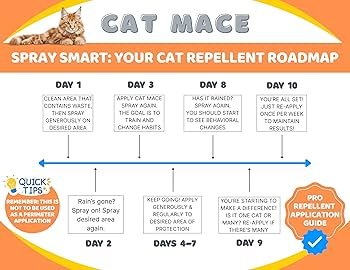
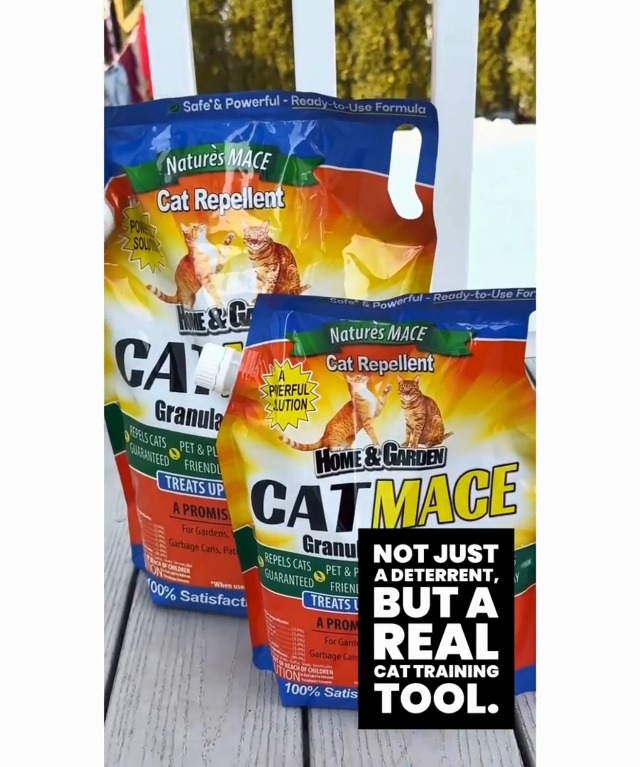
Consistency is key to keeping cats away. Apply deterrents regularly, especially in favorite cat spots. Use safe repellents like citrus peels, coffee grounds, or vinegar sprays. Motion-activated devices can startle cats gently. Regular use trains cats to avoid those areas.
:max_bytes(150000):strip_icc()/GettyImages-987124336-cfedea8ab77e4e97b7f0b142f8163e2d.jpg)
Credit: www.thespruce.com
Frequently Asked Questions
What Smells Do Cats Dislike The Most?
Cats hate citrus scents like orange, lemon, and lime. They also avoid strong smells like vinegar and eucalyptus. Using these scents can help keep cats away from certain areas effectively.
Which Sounds Keep Cats Away Effectively?
Loud noises such as vacuum cleaners, aluminum foil crinkling, and ultrasonic repellents deter cats. These sounds make cats uncomfortable and encourage them to avoid the area.
Can Certain Plants Repel Cats Naturally?
Yes, plants like lavender, rue, and pennyroyal repel cats. Their strong scents are unpleasant to cats and can help keep them away from your garden or home.
Are There Safe Sprays To Keep Cats Away?
Yes, commercial cat repellents and homemade sprays with citrus or vinegar work well. They are safe for pets and discourage cats from entering unwanted spaces.
Conclusion
Cats dislike certain smells and sounds that keep them away. Citrus scents, strong spices, and vinegar are common examples. Loud noises and sudden movements also make cats avoid places. Using these simple tips can help protect your space. Remember, always be gentle and patient with cats.
Understanding what cats hate helps create a peaceful environment for everyone. Try these ideas and see what works best for you. Safe and happy living is possible with a little effort.