
Are you wondering when your puppy will be ready to stop having accidents around the house? Knowing the right age to start toilet training your dog can save you a lot of frustration and mess.
If you get the timing right, you’ll make the process smoother for both you and your furry friend. You’ll discover the ideal age to begin toilet training and practical tips to help your dog learn faster. Keep reading to find out how to set your dog up for success from the very start.
Ideal Age For Toilet Training
Knowing the ideal age to start toilet training your dog can make a huge difference in how quickly and smoothly the process goes. It’s not just about picking a number—it’s about understanding your dog’s development and readiness. Starting too early or too late might lead to frustration for both you and your pet.
Puppy Development Stages
Puppies typically begin toilet training between 8 and 12 weeks old. At this age, their bladder muscles start to gain control, allowing them to hold their pee for longer periods.
During the first few weeks, puppies are still learning basic motor skills and rely on their mother for cleanliness. Around two to three months, they become more aware of their surroundings and can start understanding where to go.
Have you noticed how your puppy reacts when it needs to go? This awareness is a key sign that they are entering the right stage for training.
Signs Your Dog Is Ready
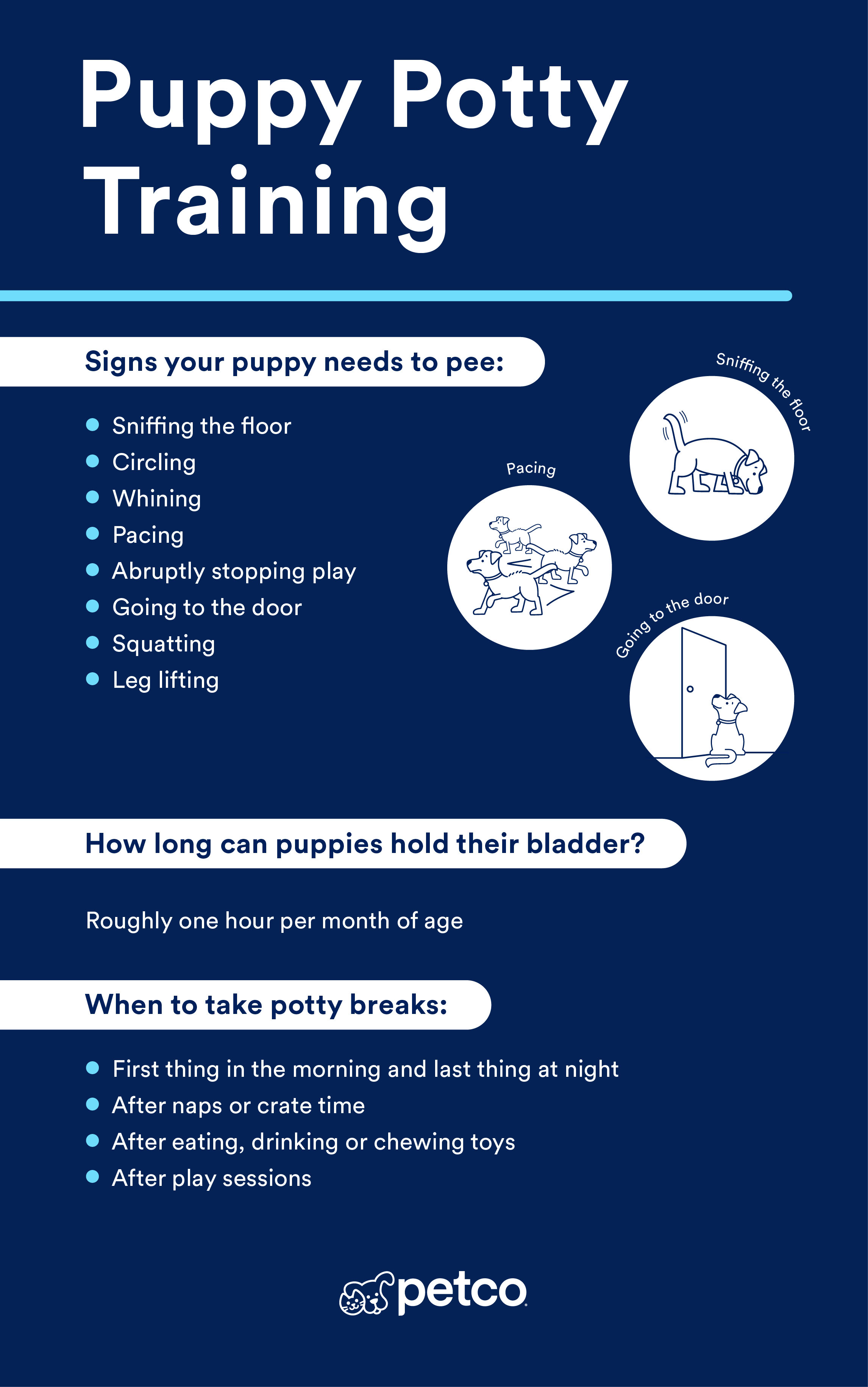
Look for signs like sniffing around, circling, or suddenly stopping play. These behaviors often mean your dog needs to go outside.
If your puppy can hold its bladder for at least an hour and follows simple commands, it’s a good time to begin focused toilet training. Your dog's ability to follow basic instructions will speed up the process.
Patience is crucial here. Don’t rush if your dog isn’t showing these signs yet—waiting can save you from setbacks.
Breed And Size Considerations
Smaller breeds usually have smaller bladders, so they might need more frequent breaks during training. This means their toilet training period can be longer compared to larger breeds.
Larger dogs may hold their bladder longer but can be more physically challenging to manage during training. Tailoring your approach based on size and breed traits helps you set realistic expectations.
What breed is your dog? Adjusting your training schedule according to their specific needs will make your efforts more effective and less stressful for both of you.
Credit: www.purina.com
Preparing For Toilet Training
Preparing for toilet training your dog is more than just setting a schedule. It requires thoughtful planning and the right environment to help your furry friend succeed. Getting these elements right can save you from frustration and speed up the learning process.
Setting Up A Training Space
Create a designated area for your dog’s toilet training. This space should be quiet, easily accessible, and away from their eating and sleeping zones. If you have a puppy, consider using puppy pads or a small enclosed space like a playpen to help contain accidents.
Think about the spot you want your dog to use outdoors. Consistency in location helps dogs recognize where they should go. Have you noticed how dogs tend to return to the same spot? That’s their way of marking territory and feeling secure.
Essential Supplies
Gather all the tools you’ll need before you start training. Items like puppy pads, cleaning sprays to remove odors, treats for rewards, and a leash for outdoor training sessions are crucial. Having these ready prevents interruptions during training.
Don’t forget a sturdy leash and collar or harness. These help keep control during outdoor toilet trips and teach your dog where to go. Also, keep a towel handy for quick cleanups to maintain a positive environment.
Creating A Routine
Dogs thrive on routine. Set specific times for toilet breaks, such as after meals, playtime, and naps. This predictability helps your dog learn faster and reduces accidents.
Try to stick to the same times every day. Consistency signals to your dog when it’s time to go. How often do you think your dog needs a break? Usually, puppies need to go out every 1-2 hours, while adult dogs can wait longer.
Effective Training Techniques
Training your dog to use the toilet properly is a crucial part of welcoming a new pet into your home. Effective training techniques can make this process smoother and less stressful for both you and your dog. Understanding and applying the right methods will help you achieve consistent results and build a strong bond with your furry friend.
Positive Reinforcement
Rewarding your dog immediately after they go to the toilet in the right place encourages them to repeat the behavior. Use treats, praise, or playtime as rewards to make the experience enjoyable. Dogs respond well to positive feedback, so avoid punishment—it can confuse and frighten them.
Think about how quickly your dog learns when you celebrate their success. Have you noticed how your dog’s tail wags faster when you’re genuinely happy? That’s the power of positive reinforcement in action.
Crate Training Benefits
Crate training helps your dog develop bladder control because dogs naturally avoid soiling their sleeping area. Keeping your dog in a crate for short periods can prevent accidents and teach them to hold it until you take them outside. Make sure the crate is comfortable and not used as a form of punishment.
Using a crate also creates a safe space where your dog feels secure. Have you tried observing how your dog reacts when inside their crate? Many dogs settle down quickly, which helps reinforce calm behavior during toilet training.
Consistency And Patience
Consistency in your approach is key to successful toilet training. Take your dog out at regular intervals—first thing in the morning, after meals, and before bedtime. Keeping a schedule helps your dog understand when and where to go.
Patience is essential because every dog learns at their own pace. If accidents happen, stay calm and clean up without fuss. Ask yourself: How can I improve my timing or signals to help my dog understand better?
Common Challenges And Solutions
Toilet training your dog is rarely a smooth journey. You will face some bumps along the way, but knowing the common challenges helps you stay calm and focused. Here are practical solutions to keep your training on track.
Dealing With Accidents
Accidents are part of the process, not a sign of failure. Clean the spot thoroughly to remove any lingering smell—dogs tend to return to the same place if the scent remains.
If your dog has an accident, avoid punishment. Instead, calmly take them outside to their designated bathroom area. Reward them when they go in the right place to reinforce good behavior.
Handling Regression
Sometimes your dog may suddenly forget their training, especially after changes like moving or new family members. This regression is frustrating but normal.
Return to basic training steps: increase outdoor bathroom breaks and keep a close eye on your dog indoors. Consistency is key—your patience will guide your dog back on track.
Managing Distractions
Distractions like loud noises or visitors can interrupt your dog’s focus during toilet training. Your dog might get too excited or anxious to remember where to go.
Create a calm, quiet environment during training sessions. Gradually introduce distractions and reward your dog when they succeed despite them. This builds their confidence and focus.
Advanced Toilet Training Tips
Advanced toilet training goes beyond basic routines. It suits dogs that need extra guidance or have unique challenges. These tips help build better habits and improve consistency.
Training Older Dogs
Older dogs can learn new habits, but patience is key. Start by setting a regular schedule for bathroom breaks. Use clear commands and praise immediately after success. Keep training sessions short to hold attention. Watch for signs that your dog needs to go. Avoid punishment for accidents to build trust. Consistency helps older dogs adjust faster to new routines.
Outdoor Vs Indoor Training
Deciding between outdoor and indoor training depends on your space and lifestyle. Outdoor training encourages dogs to go outside only. Use a designated potty spot to avoid confusion. Indoor training suits apartments or bad weather days. Use puppy pads or indoor grass mats for this. Keep indoor areas clean to prevent odors. Switch gradually between indoor and outdoor to avoid accidents.
Using Training Aids
Training aids can support toilet training efforts effectively. Consider using:
- Clickers for positive reinforcement
- Puppy pads to protect floors
- Crates to create safe, cozy spaces
- Leashes to guide outdoor potty trips
- Enzymatic cleaners to remove stains and smells
Choose aids that suit your dog’s personality and your home. Proper use of these tools encourages better habits faster.
Credit: www.petco.com

Credit: m.youtube.com
Frequently Asked Questions
At What Age Can Puppies Start Toilet Training?
Puppies can begin toilet training as early as 8 weeks old. Early training helps establish good habits quickly. Consistency and patience are key for successful toilet training.
How Long Does Toilet Training Usually Take?
Toilet training typically takes 4 to 6 months. The timeline varies based on the dog’s breed, age, and consistency of training. Regular routines speed up the learning process.
Can Older Dogs Be Toilet Trained Effectively?
Yes, older dogs can learn toilet training. It may take longer due to established habits, but with patience and positive reinforcement, success is achievable.
What Are The Signs A Dog Is Ready For Toilet Training?
Signs include bladder control, showing interest in outside areas, and ability to follow basic commands. These indicate your dog is ready for structured toilet training.
Conclusion
Toilet training your dog requires patience and consistency. Start when your puppy is around 12 weeks old. They can learn faster at this age. Remember, each dog is different. Some dogs may take longer to learn. Always use positive reinforcement.
Praise them when they do well. Accidents will happen. Stay calm and clean up without fuss. Consistency is key to success. Stick to a routine. Take them out at regular intervals. Soon, your dog will understand where to go. With time and effort, your dog will be toilet trained.
Enjoy the journey together.