Are you wondering if it’s okay to mix wet and dry cat food for your furry friend? You’re not alone.
Many cat owners face this question and want to make sure they’re giving their cat the best nutrition possible. Mixing these two types of food might seem simple, but it can impact your cat’s health, digestion, and happiness more than you realize.
Keep reading to discover the surprising facts and expert tips that will help you make the right choice for your cat’s diet.
Benefits Of Wet Cat Food
Wet cat food offers several benefits that can improve your cat's health and happiness. It provides essential moisture, tastes great, and supplies important nutrients. These factors make wet food a valuable choice for many cats.
Hydration Support
Wet cat food contains a high water content, which helps keep cats hydrated. Cats often do not drink enough water on their own. Wet food adds extra fluids to their diet. Proper hydration supports kidney function and overall health.
Enhanced Palatability
Wet food has a strong aroma and soft texture that many cats enjoy. It is easier to chew and swallow, especially for older cats or those with dental issues. The appealing smell encourages picky eaters to consume more food.
Nutrient Content
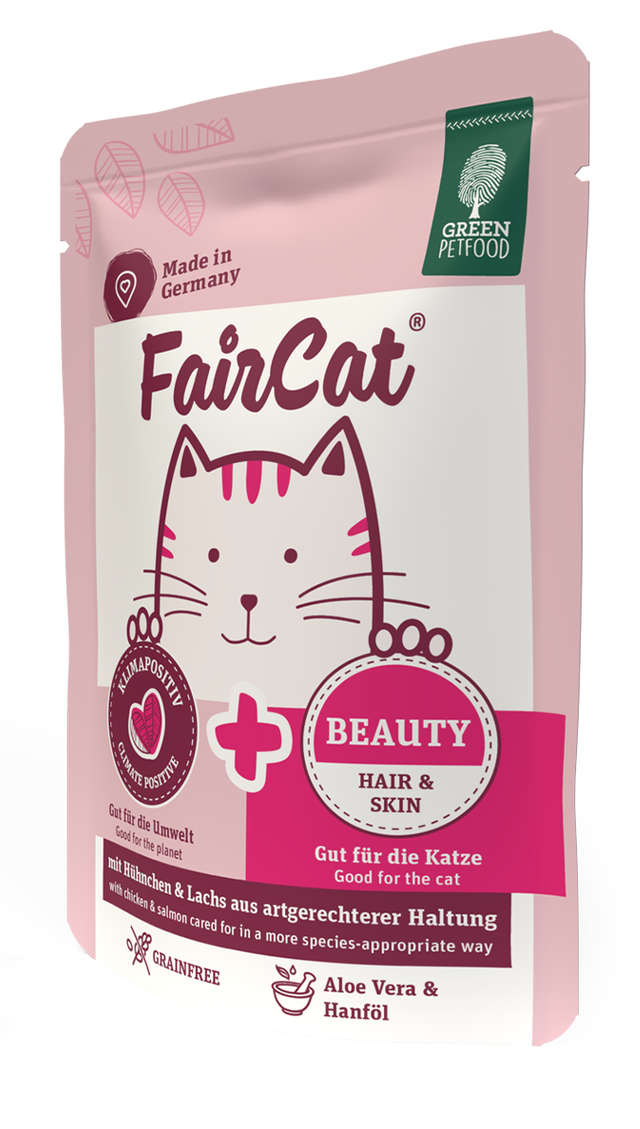
Wet cat food is rich in protein and essential nutrients. It often contains higher meat content than dry food. This helps support muscle health and energy levels. Many wet foods also include vitamins and minerals vital for your cat’s well-being.
Credit: www.green-petfood.com
Advantages Of Dry Cat Food
Dry cat food has a range of advantages that make it a popular choice among cat owners. It’s not only practical but also offers benefits that can support your cat’s health and your daily routine. Understanding these advantages can help you decide if dry food should be part of your cat’s diet.
Convenience And Storage
Dry cat food is incredibly easy to store and handle. You can leave it out for your cat throughout the day without worrying about spoilage, making it perfect for busy schedules or multiple feedings.
It doesn’t require refrigeration and has a longer shelf life once opened, which means fewer trips to the store. Have you ever noticed how much simpler feeding time becomes with dry food ready to serve anytime?
Dental Health Benefits
One of the often overlooked perks of dry cat food is its positive impact on dental health. The crunchiness helps reduce plaque and tartar buildup as your cat chews.
This can lead to fresher breath and fewer dental problems over time. Could this be a simple way to support your cat’s oral care without extra effort?
Cost-effectiveness
Dry cat food tends to be more affordable compared to wet food, especially if you have multiple cats. It offers a good balance of nutrition at a lower price point.
This makes it easier to maintain a consistent feeding routine without stretching your budget. How much could you save by switching to or mixing in dry food with your cat’s diet?
Combining Wet And Dry Food
Combining wet and dry cat food can provide many benefits for your pet’s diet. It brings together the best qualities of both types, making mealtime more enjoyable and nutritious. This approach helps meet your cat’s needs in different ways while keeping feeding simple and flexible.
Nutritional Balance
Wet food offers high moisture content, which helps keep cats hydrated. Dry food provides crunchy texture and supports dental health. Mixing both types ensures a wider range of nutrients. Cats get essential vitamins, minerals, and proteins from each form. This balance supports overall health and wellbeing.
Feeding Flexibility
Combining wet and dry food allows for easy feeding schedules. Dry food can stay out longer without spoiling. Wet food is great for specific meal times or treats. This mix suits busy owners and varied cat preferences. It also helps adjust portion sizes to control weight.
Encouraging Picky Eaters
Some cats refuse to eat only one type of food. Mixing wet and dry can make meals more appealing. The texture and flavor variety attract finicky cats. It can help them try new foods without stress. This way, cats get the nutrition they need without fuss.
Potential Risks Of Mixing Foods
Mixing wet and dry cat food may seem like a good idea for variety. Yet, some risks can affect your cat’s health and well-being. Understanding these risks helps in making better feeding choices.
Digestive Issues
Combining wet and dry food can upset your cat’s stomach. The different textures and moisture levels may cause diarrhea or vomiting. Cats with sensitive digestion might struggle more with mixed diets. Sudden changes in food type also increase the risk of digestive problems.
Overfeeding Concerns
Mixing foods can lead to overfeeding. Cats might eat more calories than needed without you realizing. It becomes harder to measure exact portions with two food types. Overfeeding can cause weight gain and related health problems.
Allergy Considerations
Some cats have allergies to specific ingredients. Mixing foods increases the chance of exposing your cat to allergens. It also complicates identifying the cause of allergic reactions. Sticking to one type of food helps manage and spot allergies easier.
Expert Feeding Tips
Feeding cats both wet and dry food can offer balanced nutrition. Experts suggest smart feeding tips to keep cats healthy and happy. Proper portions, good ingredient choices, and health checks matter most.
Portion Control Strategies
Measure food carefully to avoid overfeeding. Use a kitchen scale or measuring cup. Divide daily food into small meals for steady energy. Watch your cat’s weight and adjust portions if needed. Avoid leaving dry food out all day to prevent overeating.
Choosing Quality Ingredients
Select foods with real meat or fish listed first. Avoid products with fillers like corn or soy. Look for options rich in protein and low in carbohydrates. Check labels for added vitamins and minerals. Fresh ingredients support your cat’s overall health and digestion.
Monitoring Your Cat’s Health
Observe your cat’s behavior and coat condition. Look for changes in appetite or bathroom habits. Regular vet visits help catch problems early. Keep track of your cat’s weight and energy levels. Adjust feeding routines based on health feedback and vet advice.
Credit: www.chewy.com
Signs Your Cat Prefers One Type
Noticing whether your cat prefers wet or dry food can help you make better feeding choices. Cats often show clear signs that lean toward one type, and understanding these signs can improve their eating experience. Observing your cat closely can reveal their true preference and guide you in mixing foods effectively.
Behavioral Cues
Watch how your cat reacts when you offer wet or dry food. Does your cat eagerly approach the bowl when you serve one type? Some cats paw at or sniff the food more intensely before eating. If your cat seems excited or impatient for one type, it’s a strong hint about their favorite.
You might notice your cat leaving the other bowl untouched or only nibbling at it. This behavior shows clear preference rather than a balanced choice. Have you ever seen your cat turning away from dry food but diving straight into wet food? That’s a behavioral cue worth noting.
Eating Patterns
Your cat’s eating habits reveal a lot. For example, cats that prefer dry food often eat smaller amounts throughout the day. They might graze at the kibble repeatedly instead of finishing a full serving quickly.
On the other hand, cats that like wet food usually eat in distinct mealtime bursts and may finish their portion quickly. Pay attention to whether your cat leaves food behind or eats everything presented. Consistently unfinished food can indicate dislike or preference for the other type.
Health Indicators
Your cat’s health can provide clues about their preferred food type. Wet food can help cats with urinary tract health and hydration, so if your cat drinks less water but stays healthy, they might prefer wet food. Dry food often supports dental health, so signs like bad breath or tartar buildup might hint your cat needs more dry food.
Notice changes in your cat’s weight or coat condition after switching or mixing foods. A shiny coat and steady weight often mean your cat is happy with their food. If your cat shows digestive issues or lethargy, it could be a sign to reconsider the food type or the mix ratio.
Credit: www.green-petfood.com
Frequently Asked Questions
Can I Mix Wet And Dry Cat Food Safely?
Yes, mixing wet and dry cat food is safe. It provides balanced nutrition and keeps cats hydrated. Always ensure the total daily calories meet your cat’s needs to avoid overfeeding.
Does Mixing Wet And Dry Food Benefit Cats?
Mixing wet and dry food offers benefits like improved hydration and dental health. Wet food adds moisture, while dry food supports teeth cleaning. This combo can enhance overall feline health.
How Do I Transition My Cat To Mixed Food?
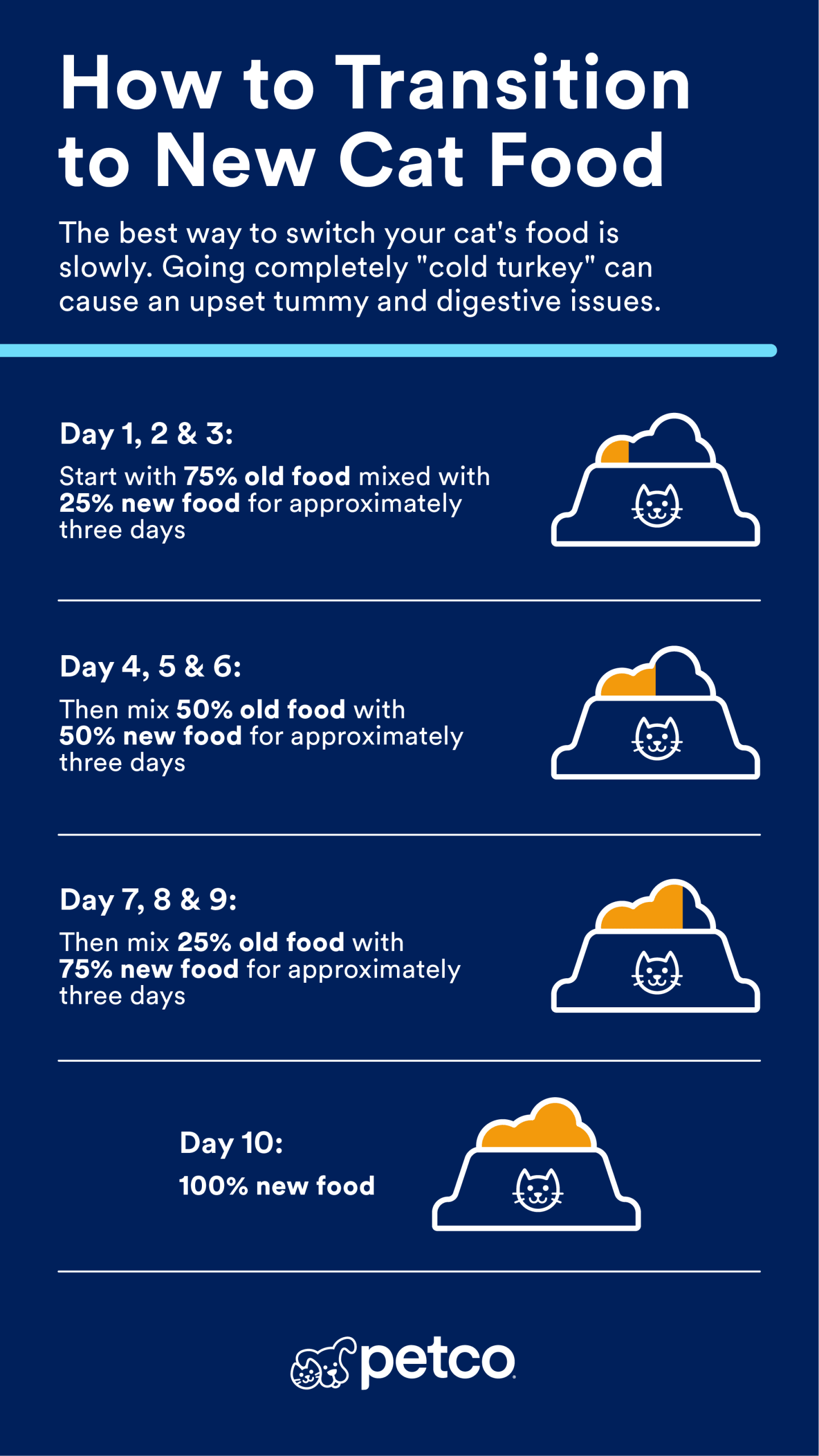
Transition gradually over 7-10 days by mixing increasing amounts of the new food. Monitor your cat for digestive upset or allergies. This smooth change prevents stress and ensures acceptance.
Will Mixing Wet And Dry Food Cause Digestive Issues?
Mixing wet and dry food usually doesn’t cause digestive problems. However, sudden changes or poor-quality food may lead to upset stomach. Always choose high-quality products and introduce changes slowly.
Conclusion
Mixing wet and dry cat food offers benefits and drawbacks. Wet food provides hydration. Dry food supports dental health. Consider your cat’s preferences and health needs. Consult your vet for personalized advice. Balance is key for a happy cat. Some cats prefer one type over the other.
Monitor your cat’s response to changes. Adjust as needed for their well-being. Mixing could enhance nutrition and enjoyment. Always prioritize your cat’s health and happiness. A thoughtful approach ensures your cat thrives.