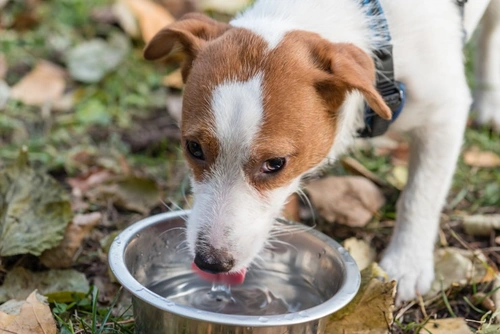
You want the best for your dog, especially when it comes to something as simple as water. But have you ever stopped to wonder if tap water or bottled water is better for your furry friend?
You might think it’s just water, but the choice you make can affect your dog’s health and happiness. Keep reading to discover what experts say, what you should watch out for, and how to make the right decision for your dog’s well-being.
Your dog’s next drink could be more important than you realize.

Credit: www.mountainvalleyspring.com
Tap Water Basics
Understanding tap water is important for your dog's health. Tap water is the most common water source for many households. It goes through various processes before it reaches your pet's bowl. Knowing where it comes from and what it contains helps you make a better choice.
Common Tap Water Sources
Tap water usually comes from two main places:
- Surface water, like rivers, lakes, and reservoirs.
- Groundwater, which is found underground in wells.
Both sources provide water that is treated before use.
Water Treatment Processes
Water treatment makes tap water safe to drink. It often includes several steps:
- Filtration to remove dirt and particles.
- Disinfection using chlorine or other chemicals.
- Testing to check for harmful bacteria and chemicals.
This process aims to keep water clean and healthy for everyone.
Potential Contaminants In Tap Water
Even treated tap water can have some contaminants:
- Trace amounts of heavy metals like lead or copper.
- Chlorine or chloramine used for disinfection.
- Possible bacteria or viruses if treatment fails.
- Minerals and chemicals from pipes and environment.
Most tap water is safe but knowing these helps you decide for your dog.
Credit: www.goodrx.com
Bottled Water Types
Choosing the right bottled water for your dog can feel confusing with so many options on the market. Each type offers different qualities that might affect your pet’s health and hydration. Understanding these bottled water types helps you make a better choice for your furry friend’s daily water needs.
Spring Water
Spring water comes from natural springs and is often appreciated for its fresh taste. It contains natural minerals that can benefit your dog’s hydration without added chemicals. However, the mineral content varies, so checking the label is important to ensure it suits your pet’s health.
Purified Water
Purified water undergoes processes like distillation or reverse osmosis to remove impurities and contaminants. This makes it very clean and safe, especially if your tap water quality is questionable. Keep in mind, though, purified water lacks minerals, so your dog might miss out on some natural nutrients.
Mineral Water
Mineral water is rich in essential minerals like calcium and magnesium, which can support your dog’s overall well-being. The minerals come from natural deposits and remain in the water after bottling. If your dog has specific health needs, mineral water might offer added benefits, but too many minerals can sometimes cause digestive issues.
Health Impacts On Dogs
Choosing the right water for your dog can impact their health in subtle but important ways. Water isn’t just about quenching thirst—it supports digestion, skin health, and overall well-being. Understanding the health effects of tap versus bottled water helps you make a smarter choice for your furry friend.
Benefits Of Tap Water
Tap water in many areas is regulated and treated to meet safety standards. It often contains essential minerals like calcium and magnesium, which support your dog’s bone strength and muscle function.
Plus, tap water is usually tested regularly for contaminants. This means you’re less likely to encounter harmful bacteria or chemicals if your local water supply is well-maintained. Have you checked your city’s water quality report? It might surprise you how clean your tap water really is.
Risks Of Bottled Water
Bottled water might seem pure, but it can lack important minerals that dogs need. Some brands use reverse osmosis or distillation, which strip away these nutrients, leaving water that’s essentially “empty.”
There’s also a risk of chemical leaching from plastic bottles, especially if they’re stored in warm places. These chemicals can affect your dog’s hormonal balance over time.
Consider this: is the convenience of bottled water worth potential exposure to microplastics and environmental waste? Your dog’s health and the planet both pay the price.
Hydration And Nutrient Balance
Hydration goes beyond just water intake; it’s about maintaining the right balance of electrolytes. Both tap and mineral-rich water help support this balance better than pure distilled water.
Dogs need minerals like potassium and sodium to keep their nerves and muscles working well. Without them, your dog might suffer from fatigue or muscle cramps.
Next time you fill your dog’s bowl, think about what’s in that water. Could it be contributing to their energy levels and overall health? Small changes in hydration can lead to big differences in how your dog feels.
Cost And Environmental Factors
Choosing between tap water and bottled water for your dog involves more than just health concerns. Cost and environmental factors play a big role in making a responsible and practical decision. Understanding these elements can help you balance your budget and care for the planet while keeping your furry friend hydrated.
Cost Comparison
Bottled water for dogs can quickly add up, especially if your pet drinks a lot daily. A single bottle might seem cheap, but the cost multiplies over weeks and months.
Tap water, on the other hand, is significantly less expensive. Most households pay only a small fraction for gallons of tap water, making it a budget-friendly choice without sacrificing quality.
Have you ever calculated how much you spend on bottled water each month? You might be surprised at the difference compared to tap water.
Environmental Impact Of Bottled Water
Bottled water production requires plastic, which contributes to pollution and landfill waste. Even with recycling efforts, many plastic bottles end up in oceans or dumps, harming wildlife.
Transporting bottled water also adds to carbon emissions. Trucks, ships, and planes consume fuel, increasing your carbon footprint every time you choose bottled water.
Think about the last time you grabbed a bottle for your dog’s water bowl. Did you consider where that bottle might end up?
Sustainability Considerations
Using tap water helps conserve resources and reduces plastic waste. Many cities treat and monitor tap water, ensuring it meets safety standards for daily use.
Investing in a quality water filter can improve tap water taste and safety, making it a sustainable and healthy option for your dog.
What small changes can you make at home to reduce waste and save money while keeping your dog hydrated?
When To Choose Bottled Water
Choosing the right water for your dog matters a lot. Bottled water can be a better choice in some cases. It helps keep your pet safe and healthy. Knowing when to pick bottled water is important for every dog owner.
Local Water Quality Issues
Some areas have water that is not clean or safe. Tap water might contain chemicals or germs. These can harm your dog’s health. Bottled water is often purified and tested. It provides a safer option in places with poor water quality.
Special Health Conditions
Dogs with certain health problems need extra care. They may be sensitive to minerals or contaminants in tap water. Bottled water can reduce the risk of stomach upset or infections. Using purified water supports their health and recovery.
Travel And Outdoor Situations
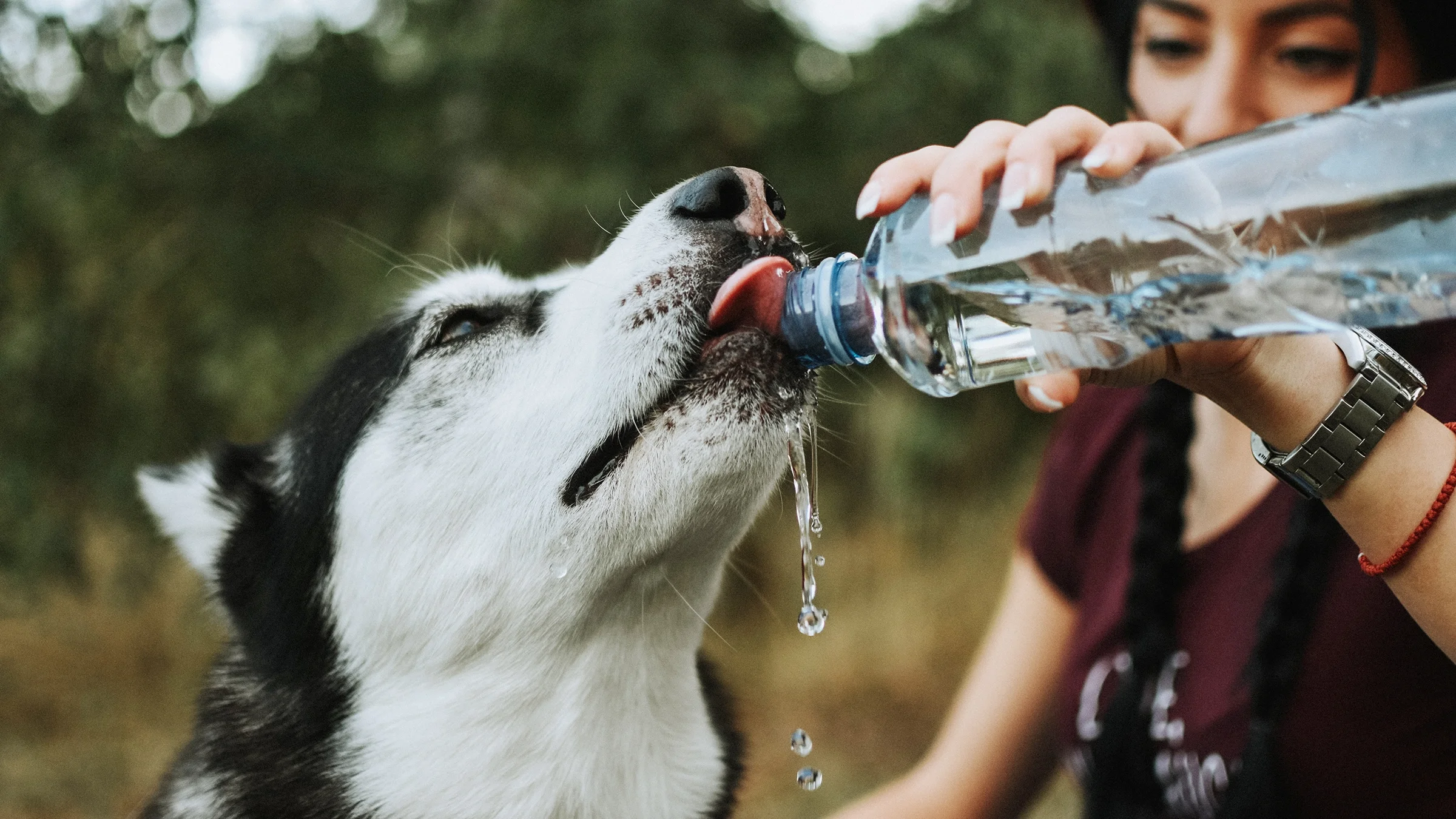
Traveling with your dog means uncertain water sources. Outdoor water may have bacteria or parasites. Bottled water ensures your dog drinks clean and safe water. It is easy to carry and use anywhere you go.
Tips For Safe Water For Dogs
Ensuring your dog has access to safe drinking water is crucial for their health and happiness. Water quality can vary greatly, whether it’s from the tap or a bottle. Paying attention to how you manage your dog’s water can prevent illness and encourage better hydration.
Regular Water Testing
Have you ever thought about what’s really in your tap water? Regularly testing your water can reveal contaminants like chlorine, heavy metals, or bacteria that could harm your dog. You can get affordable home testing kits or have your water tested professionally for peace of mind.
Keeping track of test results helps you decide if tap water is safe or if you need to filter it. Don’t wait until your dog shows signs of discomfort; proactive testing protects their health before problems arise.
Proper Water Storage
How you store your dog’s water affects its freshness and safety. Use clean, food-grade containers and change the water daily to prevent bacterial growth. Avoid leaving water bowls outside for long periods, especially in hot weather, as this encourages algae and germs.
Consider using stainless steel or ceramic bowls instead of plastic, which can harbor bacteria in scratches. Proper storage keeps water tasty and safe, making your dog more likely to drink enough.
Encouraging Water Intake
Getting your dog to drink enough water isn’t always easy. You can make water more appealing by adding a splash of low-sodium broth or ice cubes, especially on hot days. Some dogs prefer running water, so a pet water fountain might be worth trying.
Watch your dog’s behavior—if they seem lethargic or their urine is dark, they might need more water. Offering water frequently and in clean bowls encourages consistent hydration, which supports their overall health.
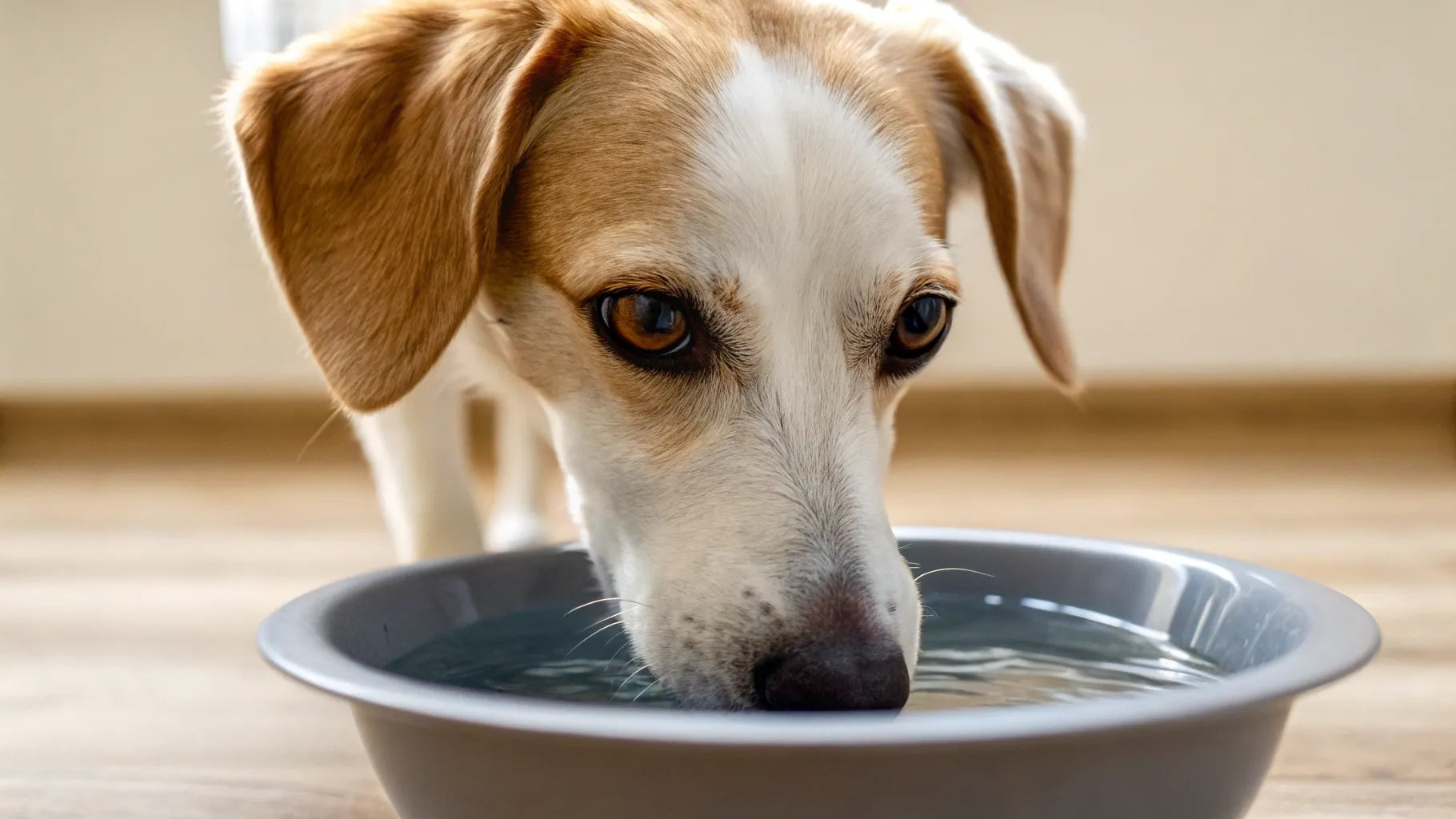
Credit: www.houndsy.com
Frequently Asked Questions
Is Tap Water Safe For Dogs To Drink Regularly?
Tap water is usually safe for dogs if it meets local safety standards. It contains essential minerals and is regularly tested. However, some areas may have contaminants or chlorine, which can affect sensitive dogs. Always check your local water quality and consult your vet if unsure.
Does Bottled Water Benefit Dogs More Than Tap Water?
Bottled water is generally pure and free from contaminants. However, it lacks minerals found in tap water that benefit dogs. Bottled water can be costly and less eco-friendly. It’s best used when tap water quality is questionable or during travel.
Can Tap Water Cause Health Problems In Dogs?
In rare cases, tap water with high chlorine or contaminants can cause mild digestive issues in dogs. Long-term exposure to poor-quality water may affect their health. Always monitor your dog’s reaction to water and consider filtered or bottled water if problems arise.
How To Choose The Best Water For My Dog?
Choose water that is clean, fresh, and free from harmful chemicals. Tap water is fine if your local supply is safe. Consider filtered or bottled water if your area has poor water quality. Always provide fresh water daily to keep your dog hydrated and healthy.
Conclusion
Choosing between tap and bottled water for your dog can be tricky. Both have pros and cons. Tap water is easy and cheap. Yet, it may contain contaminants. Bottled water is often purer, but costs more. Always check water quality where you live.
Some places have safer tap water. Consider your dog's health needs too. Sensitive stomachs might need bottled water. Your vet can give advice based on your dog's health. Keep your furry friend hydrated with the safest option. Ensure their water is fresh and clean daily.
Happy, healthy dogs need good hydration. Your care makes a big difference.