
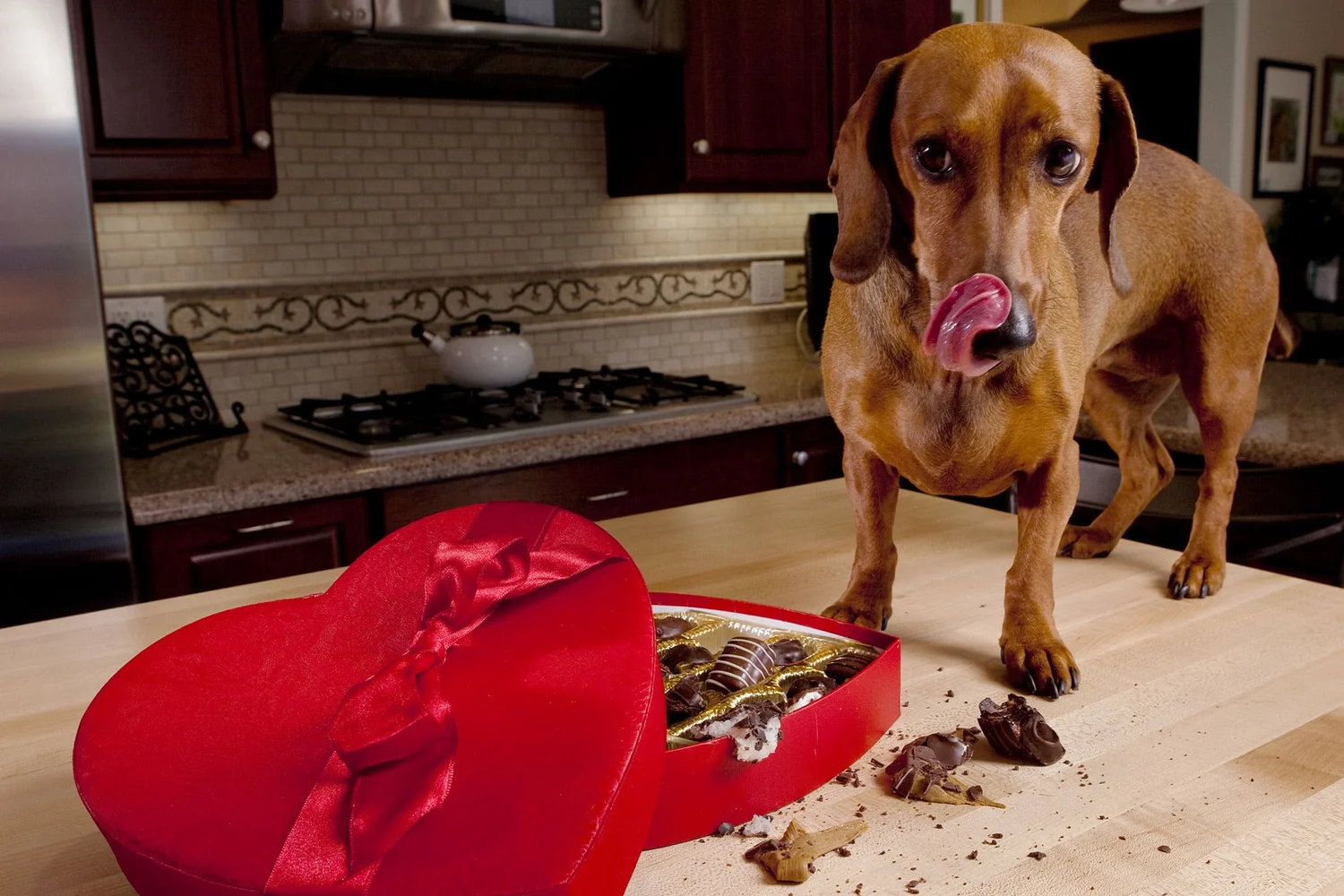
You just found out your dog ate chocolate, and now you’re wondering, “Should I feed my dog after it ate chocolate?” It’s a scary moment, and you want to do the right thing for your furry friend. What you do next could make a big difference in your dog’s health.
Keep reading to learn exactly what steps you should take and how to keep your dog safe. Don’t wait—your dog is counting on you.
Credit: gsvs.org
Dangers Of Chocolate For Dogs
Chocolate is a common treat in many homes, but it poses serious risks to dogs. Even a small amount can cause harm, making it crucial to understand the dangers involved. If your dog has eaten chocolate, knowing what to watch for and how to respond can save your pet’s life.
Toxic Compounds In Chocolate
Chocolate contains two main toxic substances for dogs: theobromine and caffeine. Both belong to a group of chemicals called methylxanthines, which dogs metabolize much slower than humans. This slow processing means these compounds stay in your dog’s system longer, increasing the risk of poisoning.
The darker the chocolate, the higher the levels of theobromine and caffeine. For example, baking chocolate and dark chocolate are far more dangerous than milk chocolate. White chocolate contains very little theobromine, but it’s still best to avoid giving any chocolate to your dog.
Symptoms Of Chocolate Poisoning
Watch closely for signs that your dog might be suffering from chocolate poisoning. Common symptoms include:
- Vomiting and diarrhea
- Restlessness and hyperactivity
- Increased heart rate
- Tremors or seizures
- Excessive thirst and urination
Symptoms can appear within a few hours of ingestion. If you notice any of these signs, contacting your vet immediately is crucial.
How Much Chocolate Is Harmful
Every dog is different, so the harmful amount varies based on weight and the type of chocolate. A rough guideline is that 20 mg of theobromine per kilogram of your dog’s weight can cause mild symptoms. More than 40 mg/kg can lead to severe poisoning.
| Type of Chocolate | Theobromine Content (mg per ounce) | Risk Level |
|---|---|---|
| Baking Chocolate | 390-450 | Very High |
| Dark Chocolate | 130-160 | High |
| Milk Chocolate | 44-60 | Moderate |
| White Chocolate | 0.1-0.5 | Low |
Have you ever wondered if a single chocolate chip could harm your dog? Even small amounts can add up, especially for small breeds. When in doubt, it’s safer to keep all chocolate far out of your pet’s reach.
Immediate Steps After Chocolate Ingestion
Chocolate is toxic to dogs and can cause serious health problems. Acting fast after your dog eats chocolate is very important. The right actions can reduce risks and help your pet stay safe. Knowing what to do right away helps you stay calm and focused.
Assessing The Amount Eaten
First, try to find out how much chocolate your dog ate. Note the type of chocolate, such as dark, milk, or white. Dark chocolate has more toxins and is more dangerous. Estimate the weight of the chocolate your dog consumed. Also, check your dog’s weight to understand the risk level. Keep this information ready to tell your vet.
When To Contact A Veterinarian
Call your vet immediately if your dog ate a large amount of chocolate. Signs like vomiting, restlessness, or rapid breathing need urgent help. Even small amounts can be risky for small dogs or puppies. Your vet can guide you on the next steps. Do not wait for symptoms to appear.
Home Remedies To Avoid
Do not try to make your dog vomit without professional advice. Avoid giving any medicines or inducing vomiting at home. Do not feed your dog milk, water, or other liquids to flush out the chocolate. Home remedies can make the problem worse. Always rely on expert veterinary care for chocolate poisoning.
Feeding Your Dog Post-chocolate
After your dog has ingested chocolate, you might wonder whether to feed them and what to offer next. Feeding your dog post-chocolate requires careful consideration to avoid worsening their condition. Understanding the right timing, safe food options, and the role of hydration can help you support your pet’s recovery effectively.
Timing For Next Meal
Wait until your dog shows signs of normal behavior before offering food. If your dog has vomited or seems restless, it’s best to hold off for a few hours. Feeding too soon might upset their stomach further, so observe their energy and appetite closely.
Have you noticed your dog acting unusually after chocolate exposure? This can indicate the need for a delayed meal to let their body process toxins first.
Safe Food Options
Choose bland and easy-to-digest foods like boiled chicken, plain rice, or pumpkin puree. These options help soothe your dog’s stomach without adding extra stress. Avoid fatty or spicy foods as they can worsen nausea or discomfort.
- Boiled chicken (no seasoning)
- Plain white rice
- Cooked pumpkin or sweet potato
- Small portions to start
Feeding small portions helps you monitor how your dog handles food and prevents overloading their system.
Hydration Importance
Hydration is critical after chocolate ingestion. Encourage your dog to drink fresh water regularly to flush out toxins. Dehydration can worsen symptoms and delay recovery, so keep a close eye on their water intake.
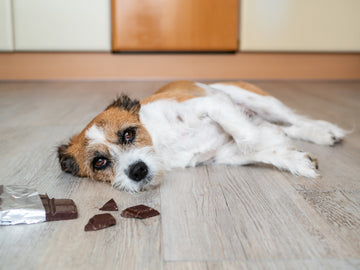
If your dog refuses water, try offering ice cubes or diluted broth to entice them. Do you know the signs of dehydration in dogs? Dry gums, lethargy, and sunken eyes can be warning signs that need immediate attention.
Credit: www.dutch.com
Preventing Future Chocolate Incidents
Preventing your dog from eating chocolate again is very important. Chocolate can be very harmful and even deadly for dogs. Taking steps to keep chocolate away from your dog helps keep them safe and healthy.
Prevention means more than just hiding chocolate. It includes teaching your dog good habits and making sure everyone in your home knows the risks. Creating a safe environment is the best way to avoid future problems.
Safe Storage Tips
- Keep chocolate in high cabinets or locked containers.
- Use child-proof containers to store chocolate and sweets.
- Never leave chocolate unattended on tables or counters.
- Clean up crumbs and wrappers immediately after eating chocolate.
- Store chocolate away from dog food and treats areas.
Training Your Dog
- Teach your dog the “leave it” command to avoid dangerous items.
- Reward your dog when they ignore forbidden foods.
- Practice obedience skills regularly to improve control.
- Use positive reinforcement to build good habits.
- Be consistent with rules about food and treats.
Educating Household Members
- Tell everyone about the dangers of chocolate for dogs.
- Ask family members to store chocolate safely.
- Explain why dogs should not be fed human food.
- Remind guests not to give chocolate or sweets to the dog.
- Share emergency steps to take if the dog eats chocolate again.
Recognizing Emergency Signs
After your dog has eaten chocolate, knowing the emergency signs can make all the difference. Chocolate contains substances that can quickly harm your pet, so spotting severe symptoms early is key. You want to act fast and know exactly when to get help.
Severe Symptoms To Watch For
Watch for signs like vomiting and diarrhea—they are often the first clues something is wrong.
If your dog starts shaking, has a racing heartbeat, or seems restless and anxious, these are red flags. Seizures or muscle tremors are even more serious and need urgent attention.
Also, look out for excessive thirst or urination. These can indicate that the toxins are affecting your dog's kidneys.
- Vomiting or diarrhea
- Rapid breathing or panting
- Increased heart rate
- Muscle tremors or seizures
- Restlessness or hyperactivity
- Excessive thirst or urination
When To Seek Immediate Help
If you notice any of the severe symptoms above, don’t wait. Contact your vet or emergency pet clinic immediately. Even if symptoms seem mild, chocolate toxicity can worsen quickly.
Remember, time is critical. The sooner your dog gets professional care, the better the chances for a full recovery.
Have you ever faced a pet emergency? How did you decide it was time to call for help? Trust your instincts—they often know before symptoms get worse.

Credit: www.chewy.com
Frequently Asked Questions
Can I Feed My Dog After It Ate Chocolate?
It’s best to avoid feeding your dog immediately after chocolate ingestion. Chocolate is toxic and may cause vomiting. Wait and monitor your dog’s symptoms before offering food.
How Long Should I Wait To Feed My Dog Post-chocolate?
Wait at least 12 hours before feeding your dog after it ate chocolate. This allows time to observe any adverse reactions and ensures safety.
What Foods Are Safe To Give My Dog After Chocolate?
Offer bland foods like boiled chicken and rice after chocolate ingestion. Avoid fatty, spicy, or sugary foods to prevent stomach upset and aid recovery.
Should I Consult A Vet Before Feeding My Dog Post-chocolate?
Yes, always consult a vet if your dog ate chocolate. Professional guidance ensures proper care and prevents serious health complications.
Conclusion
Feeding your dog after eating chocolate can be risky. Chocolate is toxic for dogs. Monitor your pet closely. Watch for symptoms like vomiting or restlessness. Consult your vet immediately if symptoms appear. Quick action can save your dog’s life. Prevention is key.
Keep chocolate out of reach. Educate others in your household. Stay informed about dog safety. Love your dog, protect your dog. Always consult a vet for advice. Your pet's health is important. Act responsibly, ensure a happy and healthy pet.