Are you wondering whether you should brush your dog before or after a bath? If you want your furry friend’s coat to look its best and stay healthy, this simple question can make a big difference.
Brushing at the right time helps remove dirt, tangles, and loose fur, making bath time easier and more effective. Keep reading to discover the best routine for your dog’s grooming and avoid common mistakes that could harm their skin or coat.
Your dog will thank you for it!
Benefits Of Brushing Before Bath
Brushing your dog before a bath offers many benefits. It helps prepare the coat and skin for washing. Brushing removes loose fur and dirt that water alone cannot clean. It also prevents painful tangles and mats from getting worse during bathing. Regular brushing boosts skin health and fur shine. These simple steps make bath time easier and more effective for your dog.
Removing Loose Fur
Brushing before a bath lifts dead hair from your dog’s coat. This loose fur can clog drains or stick to wet skin. Removing it first helps water reach the clean fur underneath. It also reduces shedding in your home after the bath.
Preventing Matting
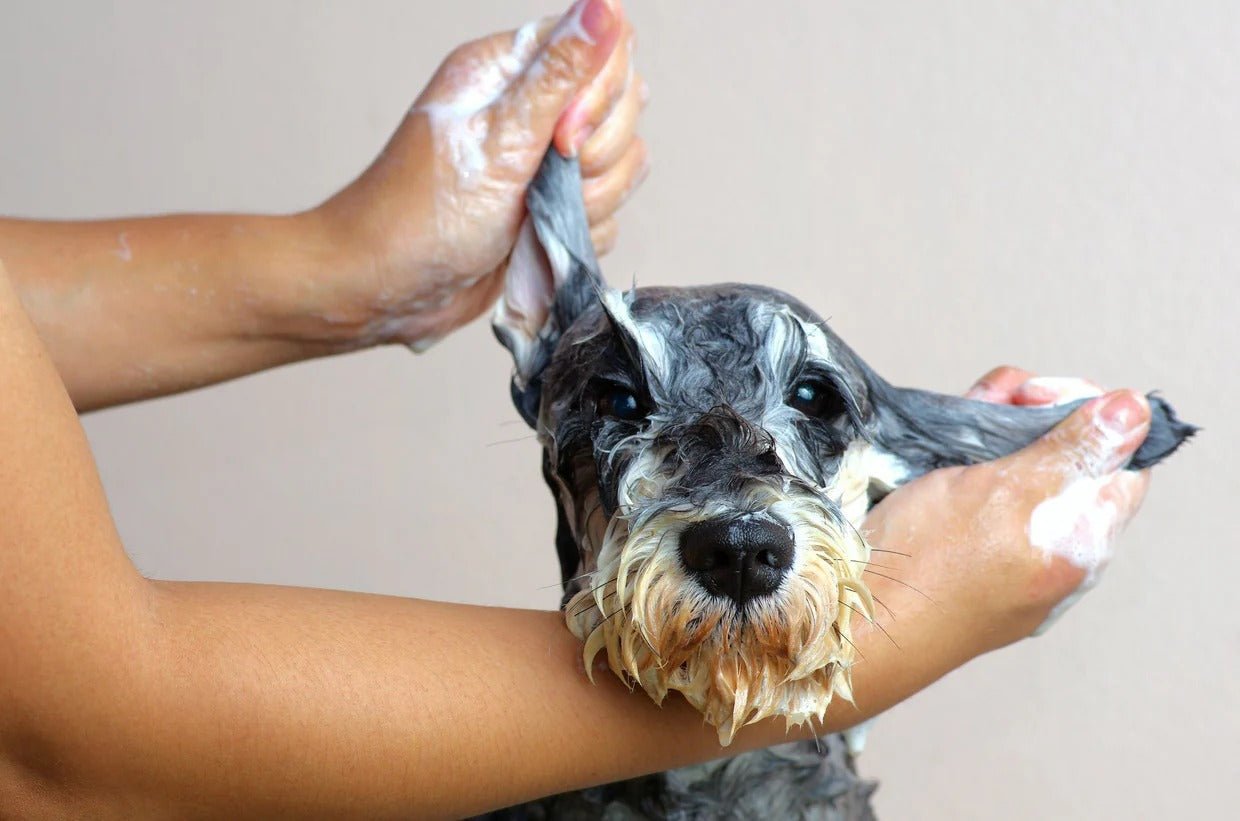
Brushing breaks up knots and tangles before they tighten in water. Wet mats are hard to remove and hurt your dog’s skin. Brushing first keeps the coat smooth and pain-free. It makes rinsing easier and helps shampoo reach all areas.
Stimulating Skin
Brushing increases blood flow to your dog’s skin. This helps remove dead skin cells and spreads natural oils. Healthy skin means a shiny, soft coat after bathing. It also reduces itching and dryness.

Credit: hellopetsinc.com
Advantages Of Brushing After Bath
Brushing your dog after a bath offers several benefits that can make grooming easier and more effective. It helps manage wet fur while improving your dog’s coat condition. Understanding these advantages can change how you approach your pet’s grooming routine.
Detangling Wet Fur
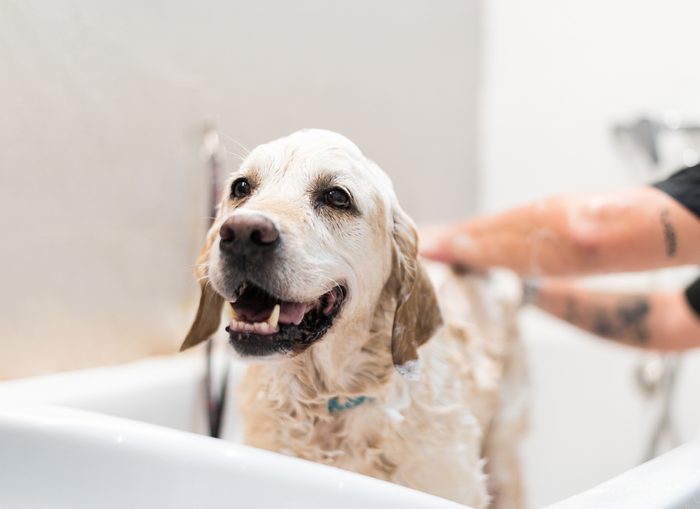
Brushing your dog when their fur is wet can help prevent knots from tightening as the coat dries. Wet fur is more pliable, making it easier to work through tangles gently without causing pain or breakage.
Have you noticed how some mats become harder after drying? Brushing immediately after a bath can stop that from happening, saving you time and stress later.
Ensuring Thorough Drying
Brushing after a bath spreads air through the coat, speeding up the drying process. This reduces the chance of damp areas that can cause skin irritation or unpleasant odors.
When your dog’s fur is evenly separated, it dries more evenly too. You might find your pet feels more comfortable and less itchy as a result.
Enhancing Shine And Softness
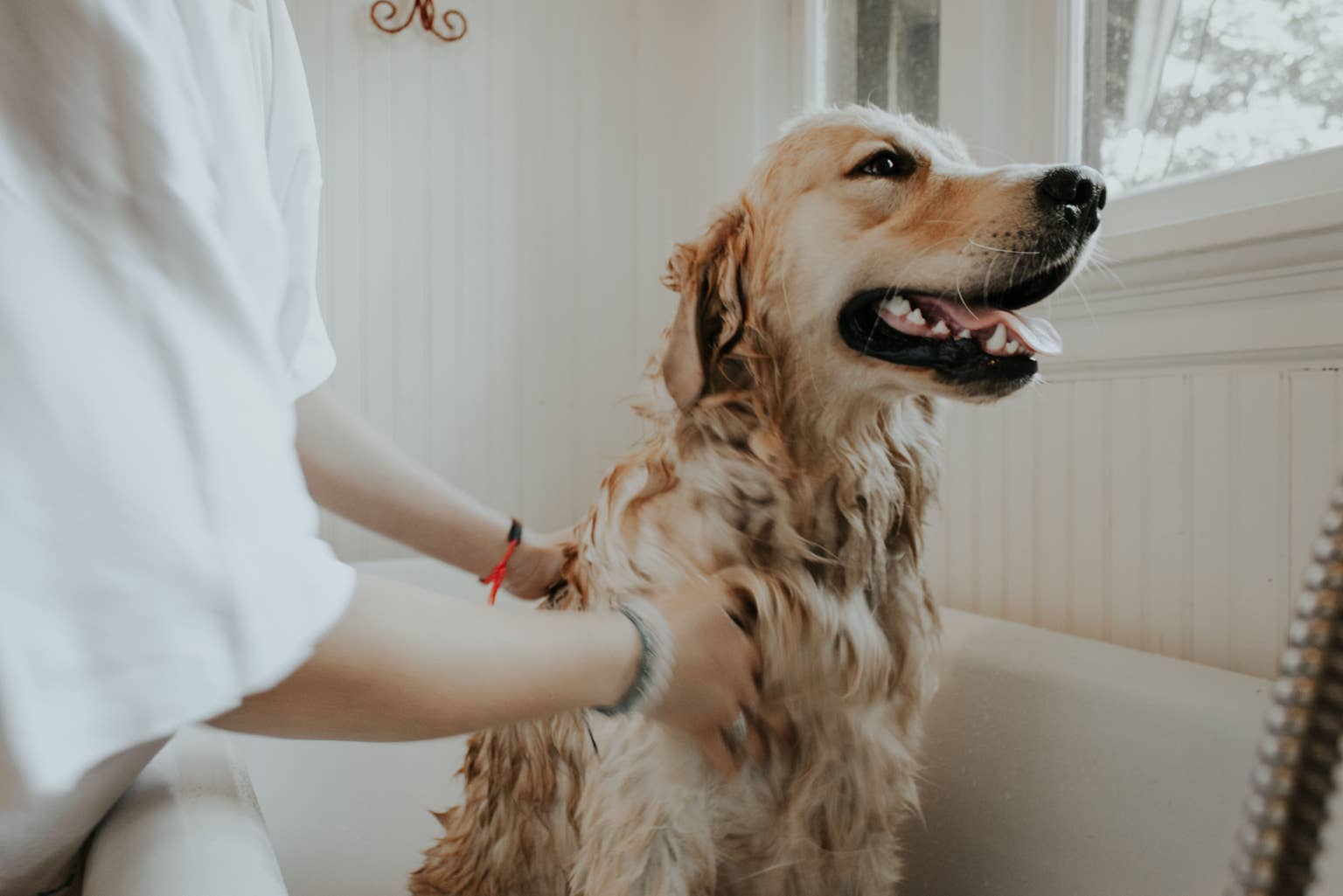
Brushing wet fur helps distribute natural oils across your dog’s coat. This can make the fur look shinier and feel softer once fully dry.
Have you ever run your fingers through a freshly brushed coat and noticed the difference? This simple step can boost your dog’s appearance and make grooming sessions more rewarding for both of you.
Factors Influencing Brushing Timing
Deciding whether to brush your dog before or after a bath depends on several important factors. These elements affect not only how effective the grooming session will be but also how comfortable your dog feels throughout the process. Understanding these factors helps you tailor your approach for the best results.
Dog's Coat Type
Different coat types demand different brushing routines. Dogs with long, thick fur often benefit from brushing before a bath to detangle mats that water might tighten. On the other hand, short-haired breeds usually require less pre-bath brushing and might be easier to groom after washing.
Have you noticed how brushing a long-coated dog after a bath can sometimes cause more knots? That’s why starting dry can make a big difference.
Skin Sensitivity
If your dog has sensitive skin, timing your brushing carefully is key. Brushing before the bath can remove loose hair and dirt gently, reducing irritation during washing. After the bath, brushing too hard might aggravate tender skin, so it’s best to use a soft brush or wait until your dog’s skin is fully dry.
Think about your dog’s reactions during grooming. Does your dog flinch or pull away? That’s a sign to adjust your brushing technique and timing.
Bathing Frequency
How often you bathe your dog influences when to brush. For dogs bathed frequently, a quick brush before the bath helps remove surface dirt without stressing the skin. If baths are less frequent, thorough brushing before washing is important to tackle built-up debris and loose hair.
Ask yourself: Is your dog’s coat usually clean or does it accumulate dirt fast? This insight guides you on when brushing fits best into your routine.
Credit: www.rd.com
Expert Tips For Effective Brushing
Brushing your dog effectively can make a big difference in their coat's health and your grooming experience. It’s not just about removing tangles or loose fur, but also about keeping your dog comfortable and happy during the process. Let’s dive into some practical tips that will help you brush your dog like a pro, whether it’s before or after a bath.
Choosing The Right Brush
Your dog’s coat type decides the brush you should use. For short-haired dogs, a rubber curry brush or bristle brush works well to remove loose hair and dirt. Long-haired dogs need slicker brushes or pin brushes to gently detangle and smooth the fur without pulling.
Think about your dog’s skin sensitivity, too. Some brushes have softer bristles to prevent irritation, which can be crucial for dogs with allergies or sensitive skin. Have you noticed your dog flinching during brushing? That might mean you need a gentler brush.
Brushing Techniques
Start brushing with gentle, short strokes in the direction of hair growth. This prevents discomfort and helps you spot mats early. Focus on problem areas like behind the ears, under the legs, and around the collar where tangles often hide.
Break the session into small steps if your dog gets restless. Short, consistent brushing sessions beat long, stressful ones. And don’t forget to praise your dog often — positive reinforcement makes brushing a positive experience.
Handling Resistant Dogs
If your dog resists brushing, try to make the environment calm and inviting. Sit in a quiet room and use treats to reward calm behavior. Sometimes brushing right after a bath can help because the wet fur is softer and easier to manage, but others prefer before to remove loose hair first.
Consider using a calming spray or a gentle massage before brushing to relax your dog. If your dog is especially anxious, break the brushing into very short sessions and increase the time gradually. Have you tried changing your brushing routine or location to see if your dog relaxes more?
Common Mistakes To Avoid
Brushing your dog before or after a bath helps keep their coat healthy. Avoid mistakes that harm your dog’s skin or fur. These common errors can cause discomfort or damage. Knowing what to avoid makes grooming easier and safer.
Brushing Too Vigorously
Brushing with too much force can hurt your dog’s skin. It may cause redness, scratches, or hair loss. Use gentle strokes and soft brushes. Be patient around sensitive areas like the belly and ears.
Ignoring Skin Health
Skipping a skin check during brushing misses important signs. Look for irritation, bumps, or dryness. Bathing or brushing over unhealthy skin can worsen problems. Treat skin issues before grooming to avoid pain.
Skipping Regular Grooming
Brushing only before or after baths is not enough. Regular grooming prevents mats and tangles. It helps spread natural oils for a shiny coat. Set a grooming routine that fits your dog’s needs.
Credit: pethelpful.com
Frequently Asked Questions
Should I Brush My Dog Before Or After Bath?
Brushing your dog before a bath removes loose fur and tangles. It prevents mats from tightening when wet. Post-bath brushing helps smooth the coat and speed drying. Both times benefit your dog's coat health.
How Does Brushing Before A Bath Help Dogs?
Brushing before a bath detangles knots and removes dirt. It allows shampoo to reach the skin better. This step reduces shedding and matting caused by wet fur. Overall, it makes bathing more effective and comfortable.
Can Brushing After A Bath Prevent Matting?
Yes, brushing after a bath helps prevent mats by smoothing wet fur. It distributes natural oils and speeds up drying. Regular post-bath brushing keeps the coat healthy and tangle-free.
Is It Okay To Brush A Wet Dog’s Coat?
Brushing a wet dog is okay if the brush suits wet fur. Use a wide-tooth comb or slicker brush gently. Avoid harsh brushing on delicate, wet skin to prevent irritation.
Conclusion
Brushing your dog before a bath helps remove loose hair. It also makes the bath more effective by untangling knots. After bathing, a quick brush can help smoothen the coat. It also ensures no mats are left behind. Regular grooming keeps your dog clean and healthy.
It strengthens your bond too. Each dog is different, so observe your pet's needs. Adjust your brushing routine as necessary. A well-groomed dog is a happy dog. Enjoy the grooming time together!