
Is your dog still having accidents around the house? You might be wondering, "Is it too late to potty train my dog?"
The good news is, it’s never too late to teach your furry friend good bathroom habits. Whether your dog is a puppy or an adult, you can still make a big difference. You’ll discover practical tips and simple steps that will help you and your dog succeed.
Keep reading, and you’ll find out how to turn those frustrating moments into a cleaner, happier home.
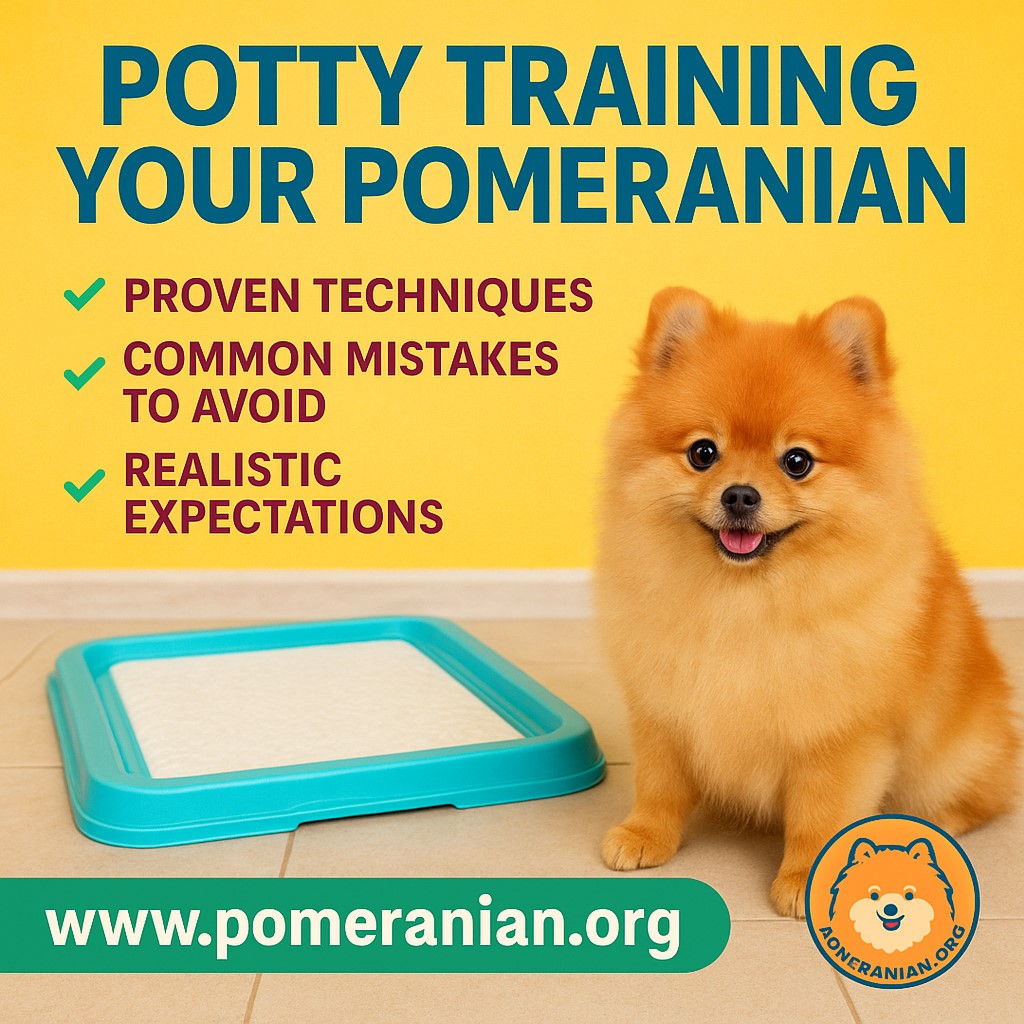
Credit: pomeranian.org
Signs Your Dog Is Ready
Recognizing the signs that your dog is ready to be potty trained can save you time and frustration. Not every dog shows readiness at the same pace, so paying attention to specific clues helps you start training at the right moment. Are you wondering if your dog’s behavior hints it’s time to begin? Let’s look closely at the key indicators.
Age And Behavior Indicators
Age plays a crucial role in potty training readiness. Most puppies start showing control around 12 to 16 weeks old, but some dogs, especially adopted adults, can be trained too.
Watch for behaviors like:
- Your dog starts to hold their bladder longer.
- They sniff around or circle before going to the bathroom.
- Your dog goes to a specific spot when they need to relieve themselves.
- They signal you by whining, pawing, or heading to the door.
These behaviors mean your dog is developing an awareness that they need to go outside. I once had a rescue dog who didn’t show clear signals for weeks, but once he started sitting by the door, we knew training could begin. Have you noticed any of these signs with your dog?
Health Considerations
Before starting potty training, ensure your dog is healthy. Medical issues like urinary tract infections, digestive problems, or incontinence can affect your dog’s ability to hold it.
Visit your vet if you notice frequent accidents or unusual bathroom habits. Ignoring health problems can make training frustrating and stressful for both of you.
Also, some senior dogs may need extra patience due to age-related challenges. Knowing your dog’s health status helps you set realistic training goals and pick the right methods.
Common Challenges With Older Dogs
Potty training an older dog can be rewarding but comes with its own set of challenges. Understanding these obstacles helps you stay patient and find the right strategies. Let’s look at some common issues that might make potty training your senior dog a bit trickier.
Past Habits And Training Gaps
Older dogs often come with established routines. If they were never fully potty trained as puppies, you may face more resistance. Habits built over years don’t disappear overnight.
Sometimes, dogs have learned to go indoors without much correction, so they don’t see it as a problem. You might notice your dog hesitates or seems confused during training sessions. This happens because they haven’t connected the dots before.
Ask yourself: has your dog ever had clear boundaries about where to go? If not, you’ll need to start from basics, using consistent signals and plenty of positive rewards. Changing habits takes time, but it’s possible with patience and clear communication.
Physical Limitations
Age can bring physical challenges that affect your dog’s ability to hold it in or get outside quickly. Joint pain, arthritis, or reduced mobility are common issues that complicate potty training.
You might notice your dog struggling to climb stairs or move briskly to their usual potty spot. This can lead to accidents, not because of behavioral problems, but due to discomfort or urgency.
Consider adjusting your routine by offering more frequent potty breaks or creating easy-access areas. Using ramps or orthopedic beds can also help your dog feel more comfortable. Have you thought about how your dog’s health might be influencing their potty habits?
Effective Training Techniques
Potty training a dog at any age requires patience and the right techniques. The key lies in how you approach the process daily. Effective training techniques help your dog learn faster and reduce frustration for both of you.
Consistency And Routine
Dogs thrive on routine. Setting regular times for bathroom breaks helps your dog understand when and where to go. Try to take your dog out first thing in the morning, after meals, and before bedtime.
Consistency also means using the same commands and rewarding the same behavior every time. If you allow accidents sometimes but scold other times, your dog will get confused. Ask yourself: Are you sticking to the schedule strictly enough?
Positive Reinforcement
Rewarding your dog immediately after they go in the right spot makes a huge difference. Use treats, praise, or playtime as a reward. This builds a clear connection between the action and the positive outcome.
Avoid punishment for accidents. Negative reactions can create fear or anxiety, which slows progress. Instead, focus on catching good behavior and rewarding it quickly. Have you noticed which rewards your dog responds to best?
Using Crate Training
Crate training can be a powerful tool to control your dog's environment. Dogs naturally avoid soiling their sleeping area, so a properly sized crate encourages holding it until you let them out.
Make the crate a comfortable and safe space, not a punishment zone. Gradually increase crate time and always take your dog outside immediately after. Have you tried crate training to help your dog learn faster?
Credit: www.purina.com
Tools That Help Potty Training
Potty training your dog can feel challenging, especially if you think you’ve missed the prime window. But with the right tools, you can make the process smoother and more effective. These tools aren’t just about convenience—they help communicate clear signals to your dog and keep your home fresh during training.
Pee Pads And Indoor Solutions
Pee pads offer a practical option for dogs that need an indoor bathroom spot. They work well for puppies, senior dogs, or those with limited outdoor access. Placing pads in a consistent location helps your dog understand where to go.
Some pads come with attractants that encourage dogs to use them, making training faster. You can also try washable pee pads for an eco-friendly choice that saves money over time. Have you noticed your dog prefers certain textures or spots? Pay attention to this to guide placement.
Cleaning Products To Remove Odors
Accidents happen, but the smell can invite repeat mistakes if not handled right. Use enzymatic cleaners designed specifically for pet urine to break down odors completely. Regular household cleaners often mask smells but don’t eliminate them.
Keeping your cleaning supplies handy makes it easier to respond immediately after accidents. This quick action teaches your dog that the spot isn’t a bathroom. Ever caught your dog returning to the same accident spot? Strong odor removal can stop this behavior in its tracks.
Managing Setbacks And Accidents
Setbacks and accidents are a normal part of potty training your dog, no matter their age. How you handle these moments can make a big difference in your dog’s progress. Staying calm and flexible helps you keep control and keep moving forward.
Staying Patient And Calm
Accidents can be frustrating, but showing anger or punishment can confuse your dog and slow progress. Instead, take a deep breath and remind yourself that learning takes time.
Your calmness helps your dog feel safe and confident. Remember, dogs respond better to positive energy than to stress.
Think about how you react when you make a mistake. Would you learn faster if someone yelled at you or encouraged you kindly? Your dog feels the same way.
Adjusting Training Methods
If accidents keep happening, it might be time to change your approach. Dogs are individuals; what works for one may not work for another.
Try these adjustments:
- Increase the frequency of outdoor potty breaks.
- Use a crate to help your dog learn bladder control.
- Reward your dog immediately after they go outside to reinforce good behavior.
- Observe your dog’s signals and respond quickly when they need to go.
Sometimes, your dog might have medical issues affecting training. Don’t hesitate to consult a vet if accidents persist despite your best efforts.
What small change could you make today to help your dog succeed? Consistency with a bit of flexibility often leads to breakthroughs.
When To Seek Professional Help
Potty training your dog can sometimes be more challenging than expected. When progress stalls or setbacks become frequent, it might be time to consider professional help. Recognizing the right moment to seek expert advice can save you frustration and help your dog succeed faster.
Veterinary Advice
If your dog suddenly starts having accidents after being house-trained, a health issue could be the cause. Conditions like urinary tract infections, digestive problems, or even cognitive decline in older dogs affect bathroom habits.
Visiting your vet can rule out these medical causes. They can also guide you on managing any health-related concerns that impact training. Have you noticed changes in your dog’s behavior that seem linked to their potty routine?
Hiring A Trainer
Sometimes, your dog needs more than basic guidance. A professional trainer brings specialized skills and experience to handle persistent potty training challenges.
Trainers can provide customized plans based on your dog’s breed, age, and personality. They also teach you techniques to reinforce positive habits consistently. Think about whether you feel confident handling the training alone or if expert support could make a difference.
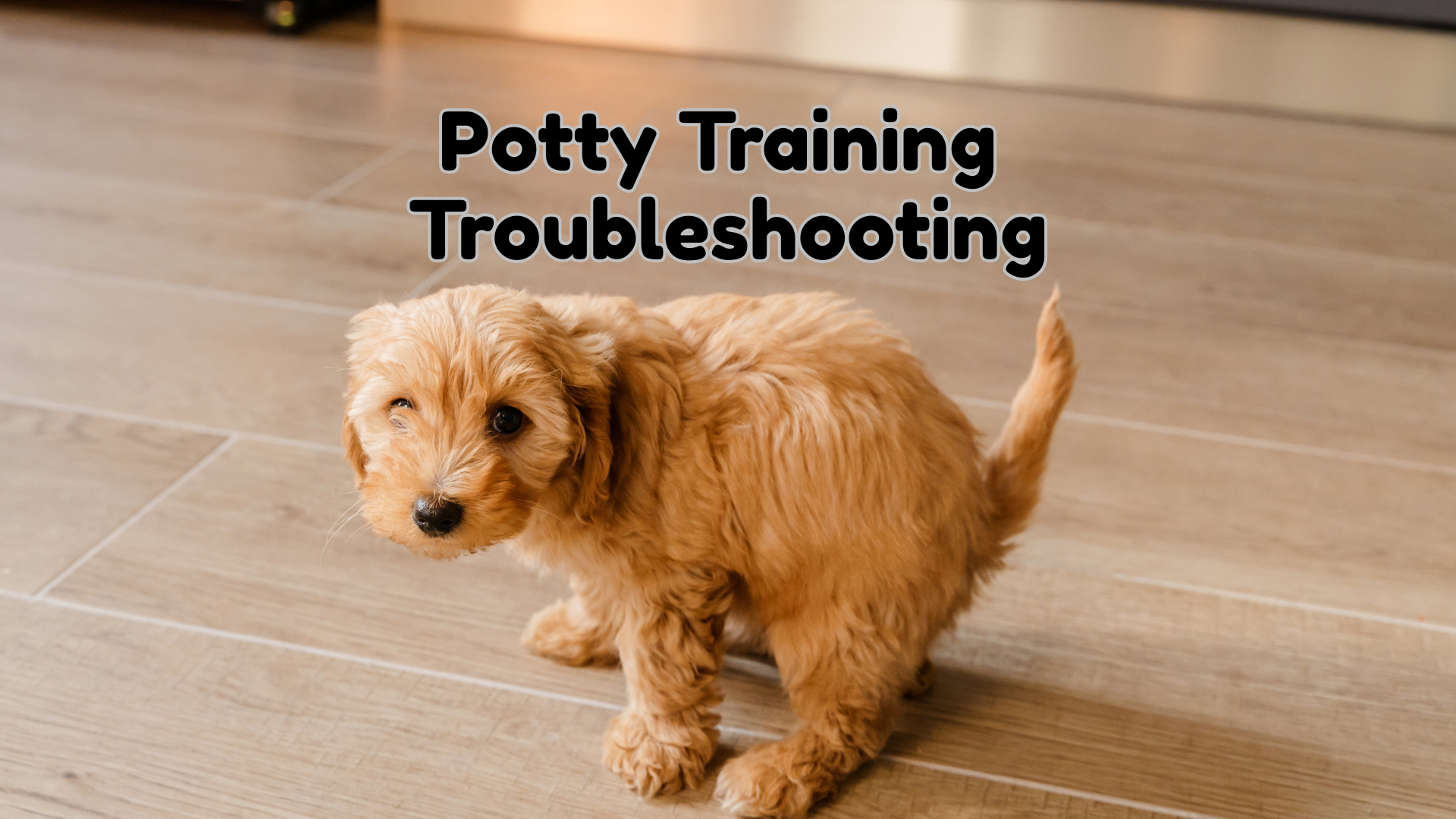
Credit: medium.com
Frequently Asked Questions
Can Older Dogs Learn Potty Training Effectively?
Yes, older dogs can learn potty training with consistent routines and positive reinforcement. Patience and persistence are key for success.
How Long Does Potty Training Take For Adult Dogs?
Potty training duration varies but typically takes a few weeks. Consistent schedules and rewards speed up the process.
What Methods Work Best For Potty Training Older Dogs?
Positive reinforcement, crate training, and regular outdoor breaks work best. Avoid punishment to maintain trust and encourage good habits.
Is It Harder To Potty Train A Senior Dog?
It can be more challenging due to habits, but it’s not impossible. Tailored training and patience improve results significantly.
Conclusion
It's never too late to potty train your dog. Patience and consistency are key. Older dogs can learn new habits. Make training a positive experience. Use praise and treats. Celebrate small victories. Stay committed to the process. Understand your dog's signals and needs.
Training takes time, but it's worth it. A well-trained dog is happier and healthier. You can strengthen your bond through training. Keep the routine simple and clear. Success is possible at any age. Remember, every dog learns at their own pace.
Your efforts will pay off in the end.