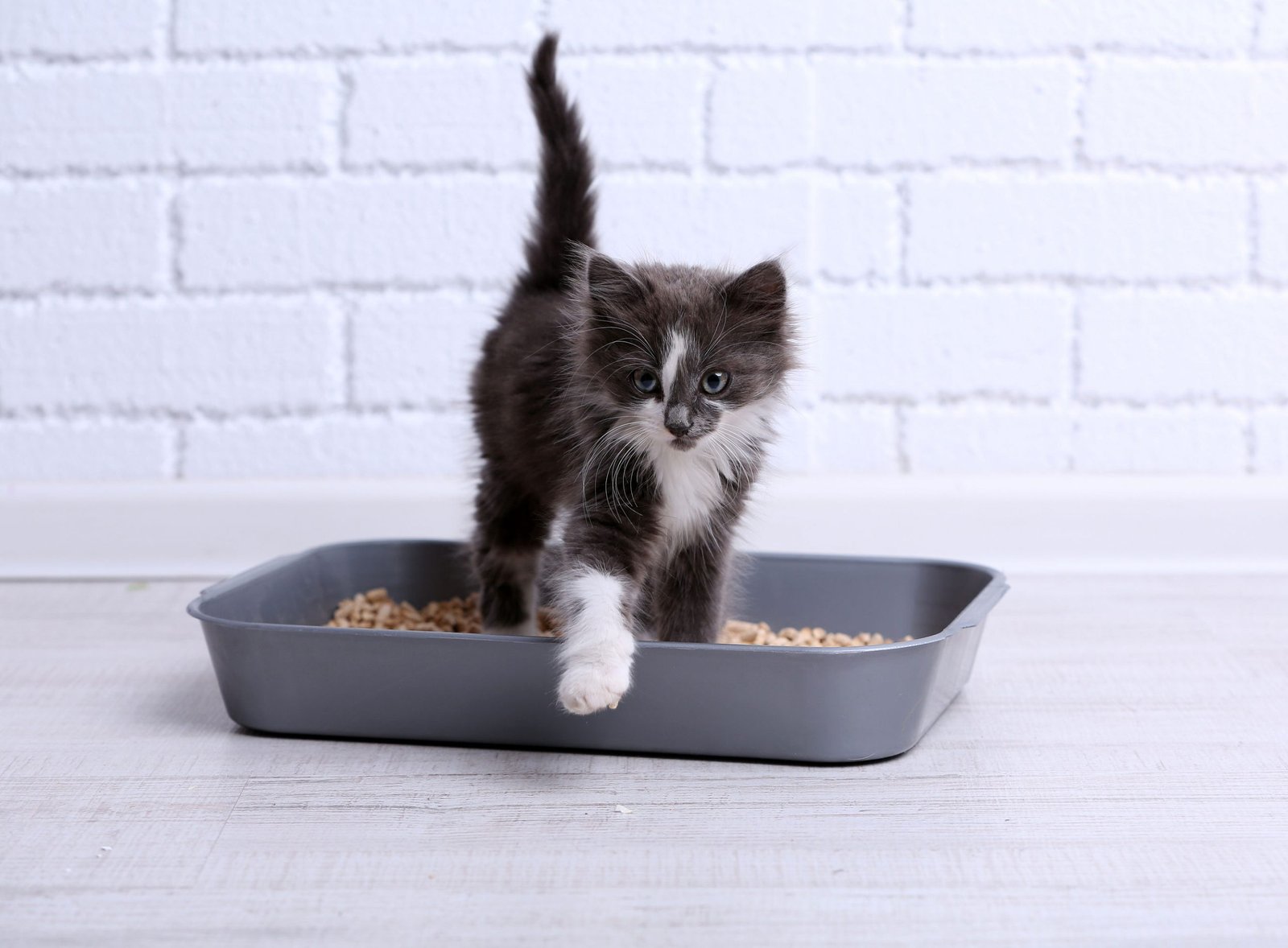
If you have a cat, you know how important it is to keep their litter box fresh and odor-free. You might have heard that adding baking soda to cat litter can help with smells.
But is it really safe for your furry friend? You want to protect your cat’s health while keeping your home smelling clean. You’ll discover the truth about using baking soda in cat litter and what you should consider before trying it.
Keep reading to learn how to make the best choice for your cat’s comfort and safety.

Credit: www.amazon.com
Baking Soda And Cat Litter Basics
Understanding the basics of baking soda and cat litter is essential before deciding to mix the two. Baking soda is often praised for its odor-neutralizing properties, which makes many cat owners wonder if adding it to their cat’s litter can help control smells better. However, knowing the characteristics of both baking soda and various types of cat litter can help you make a safe and informed choice for your feline friend.
Common Uses Of Baking Soda
Baking soda is a versatile household product. It’s commonly used for:
- Neutralizing odors in refrigerators, shoes, and trash bins
- Cleaning surfaces without harsh chemicals
- Relieving minor skin irritations and insect bites
Its ability to absorb and neutralize acids and bases is why many believe it could be useful in cat litter. But is it always safe to add it to your cat’s environment?
Types Of Cat Litter
Cat litter comes in various forms, each with unique features and materials. The most common types include:
- Clumping clay litter:Made from bentonite clay, it forms solid clumps for easy scooping.
- Non-clumping clay litter:Absorbs moisture but doesn’t clump, requiring more frequent changes.
- Silica gel litter:Uses crystals to absorb moisture and control odor.
- Natural/biodegradable litter:Made from materials like corn, wheat, pine, or recycled paper, offering eco-friendly options.
Each type reacts differently when combined with additives like baking soda. Have you noticed how your cat’s litter reacts after adding anything new? That’s a key point to consider before mixing in baking soda.
Potential Benefits Of Baking Soda In Litter
Baking soda is a common household item known for its cleaning abilities. Many cat owners wonder if it can improve their cat’s litter experience. Using baking soda in cat litter may offer some useful benefits. These benefits focus mainly on controlling odors and saving money.
Odor Control Properties
Baking soda helps absorb and neutralize bad smells. It can reduce ammonia odors from cat urine effectively. This keeps the litter box fresher for longer periods. Cats are more likely to use a clean-smelling litter box. Baking soda works by balancing the pH, which lowers odor strength. It does not mask smells but helps break them down.
Cost-effectiveness
Baking soda is inexpensive and easy to find. Adding a small amount to cat litter does not raise costs much. It can extend the time between litter changes by controlling odors better. This saves money on frequent litter replacements. It also reduces the need for costly odor sprays or deodorizers. Using baking soda is a budget-friendly way to improve litter care.
Risks And Concerns For Cats
Adding baking soda to cat litter might seem like a simple way to control odors, but it’s important to consider how it affects your feline friend. Cats are sensitive creatures, and their health can be impacted in ways you might not expect. Understanding the risks and concerns helps you make a safer choice for your pet’s comfort and well-being.
Toxicity Risks
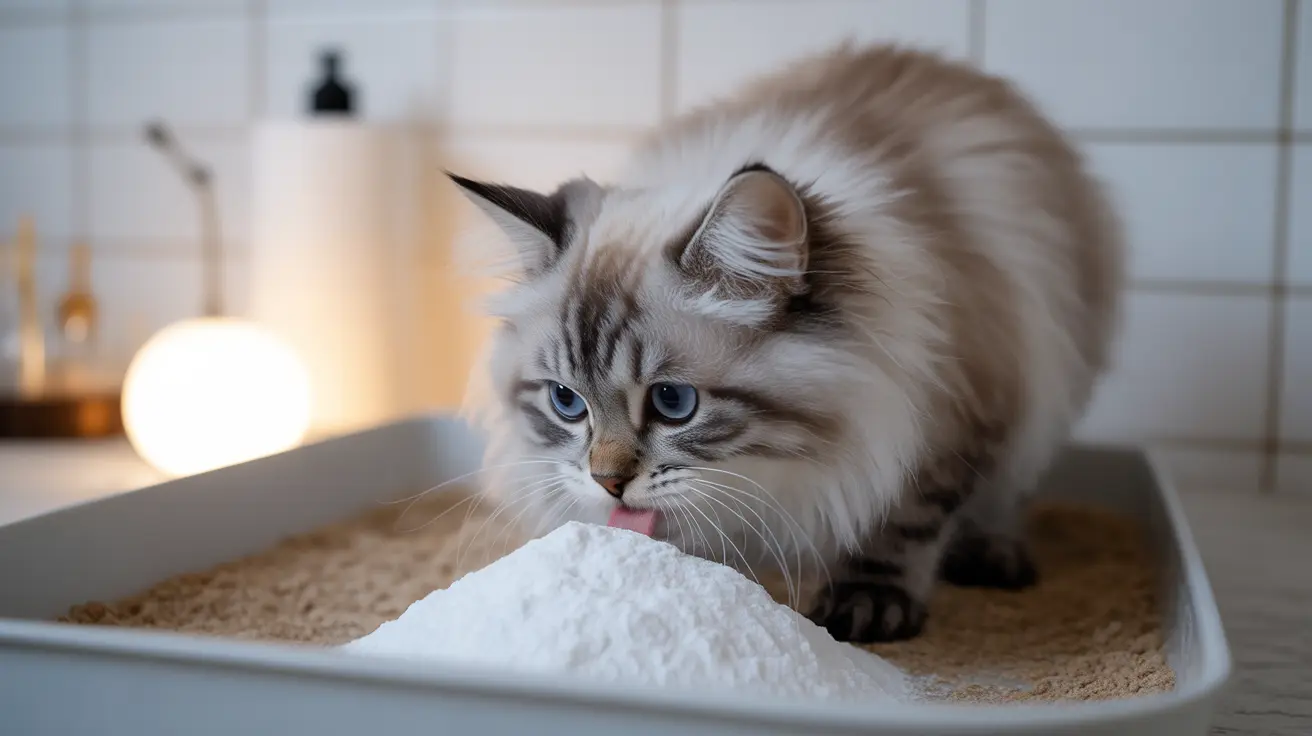
Baking soda contains sodium bicarbonate, which is generally safe in small amounts but can be harmful if ingested in large quantities. Cats may accidentally lick or inhale baking soda while using their litter box. Excessive ingestion can cause vomiting, diarrhea, or more severe health problems like electrolyte imbalance.
Have you noticed your cat spending extra time licking their paws after using the litter? This behavior could increase the chance of consuming baking soda. Always monitor your cat’s interaction with any additives in their litter to avoid unintended harm.
Respiratory Issues
Fine particles from baking soda can become airborne and irritate your cat’s sensitive respiratory system. Cats with pre-existing conditions like asthma or allergies are especially vulnerable. Even healthy cats might develop coughing, sneezing, or breathing difficulties from prolonged exposure.
Think about the dustiness of your current cat litter. Adding baking soda can increase dust, which may worsen respiratory problems. Consider using low-dust litter options if odor control is your priority, rather than relying on baking soda.
Skin Irritation Possibilities
Baking soda’s alkaline nature can cause skin dryness or irritation for some cats. This is more likely if your cat has sensitive skin or spends long periods in the litter box. Watch for signs such as excessive scratching, redness, or paw licking after exposure.
One cat owner I know noticed her pet’s paws becoming red and sore after she added baking soda to the litter. Removing the baking soda solved the problem quickly. If your cat shows any skin irritation, it’s best to stop using baking soda immediately.

Credit: www.amazon.com
Expert Opinions And Veterinary Advice
When considering adding baking soda to your cat's litter, it’s important to understand what experts say about its safety and effectiveness. Professionals in veterinary care and animal behavior offer valuable insights that can help you decide whether this common household product is a good choice for your feline friend.
Veterinarians' Recommendations
Many veterinarians acknowledge that baking soda can help control odors in cat litter. However, they caution against using large amounts, as excessive baking soda can irritate your cat’s paws or respiratory system.
Some vets suggest mixing a small amount of baking soda into the litter rather than sprinkling it on top. This approach minimizes direct contact with your cat’s skin and reduces the risk of inhaling fine particles.
Veterinarians also emphasize monitoring your cat’s behavior and health closely after introducing baking soda. If you notice any sneezing, coughing, or changes in litter box habits, it might be best to stop using it.
Animal Behaviorists' Views
Animal behaviorists focus on how changes in the litter environment affect your cat’s comfort and willingness to use the box. They warn that unfamiliar smells or textures, including baking soda, might discourage some cats from using their litter box.
These experts recommend introducing baking soda gradually to observe your cat’s reaction. If your cat avoids the litter box or seems stressed, it might be a sign that the additive isn’t well tolerated.
Behaviorists also highlight the importance of keeping the litter box clean and odor-free as a primary strategy, rather than relying solely on additives like baking soda. Your cat’s preference and comfort should guide your choices.
Safe Alternatives For Odor Control
Controlling odor in your cat’s litter box is a challenge you face daily. While baking soda might seem like a quick fix, it’s important to consider safer options that won’t upset your cat’s sensitive nose or health. Let’s explore alternatives that effectively reduce odors without risking your feline friend’s comfort.
Natural Deodorizers
Natural deodorizers offer a gentle way to manage litter box smells. You can try adding a small amount of activated charcoal near the litter box; it absorbs odors without any chemicals. Another option is using dried herbs like lavender or rosemary, which provide a fresh scent and are non-toxic to cats.
Have you ever noticed how a sprinkle of cornstarch can help keep things dry and less smelly? It’s a simple trick that doesn’t interfere with your cat’s behavior or health. Just make sure any natural additive you choose is safe for cats and used in moderation.
Commercial Odor Control Products
There are plenty of commercial products made specifically for cat litter odor control. Look for those labeled as non-toxic and pet-safe, such as litter deodorizers containing natural enzymes. These enzymes break down odor-causing molecules rather than just masking the smell.
Another effective product type is clumping cat litter with built-in odor control. Brands often add safe ingredients like baking soda substitutes or plant-based materials designed to neutralize odors without harming your cat. Before buying, check reviews and ingredient lists—your cat’s health depends on it.

Credit: www.amazon.com
How To Safely Use Baking Soda With Litter
Adding baking soda to your cat’s litter can be a smart way to control odors, but it must be done carefully to keep your feline friend safe and comfortable. Using baking soda properly ensures it doesn't irritate your cat’s sensitive paws or respiratory system. Let’s look at how you can use baking soda safely with litter to maintain a fresh-smelling and healthy environment for your pet.
Proper Application Methods
Sprinkle baking soda evenly over the bottom of the litter box before adding the litter. This helps trap odors without direct contact with your cat. You can also mix a small amount of baking soda into the litter, but avoid overdoing it to prevent dust buildup.
After cleaning the litter box, wait until it’s dry before adding baking soda. Moisture can cause the baking soda to clump and reduce its effectiveness. Always stir the litter gently after adding baking soda to distribute it evenly.
Amount Guidelines
Use about 1 to 2 tablespoons of baking soda per standard-sized litter box. Adding more won’t necessarily improve odor control and could irritate your cat. If you notice your cat sneezing or avoiding the box, reduce the amount immediately.
- Start with 1 tablespoon per box.
- Observe your cat’s behavior for a few days.
- Increase to 2 tablespoons only if needed and tolerated.
Have you noticed changes in your cat’s behavior after adding baking soda? Small adjustments can make a big difference in keeping your cat happy and the litter box fresh.
Frequently Asked Questions
Is Baking Soda Safe For Cat Litter Boxes?
Yes, baking soda is generally safe in small amounts. It helps control odors without harming cats. Avoid excessive use to prevent respiratory irritation.
How Does Baking Soda Affect Cat Litter Odor?
Baking soda neutralizes acidic odors by balancing pH. It effectively reduces unpleasant smells, keeping the litter box fresher for longer periods.
Can Baking Soda Harm My Cat’s Health?
Using baking soda sparingly poses minimal risk. Large quantities may irritate sensitive paws or respiratory tracts. Always monitor your cat’s reaction after use.
How Much Baking Soda Should I Add To Litter?
Add about two tablespoons of baking soda per litter box. Mix it thoroughly with the litter for even odor control and safety.
Conclusion
Adding baking soda to cat litter can help reduce odors. It is generally safe when used in moderation. Too much baking soda might irritate your cat's paws. Always observe your cat's reaction after adding it. Each cat is unique. What works for one may not work for another.
Keep the litter box clean and fresh. This ensures a pleasant environment for your furry friend. Maintaining a balance is key. A clean litter box makes a happy cat. Consult your vet if unsure about any changes. Your cat's health comes first.