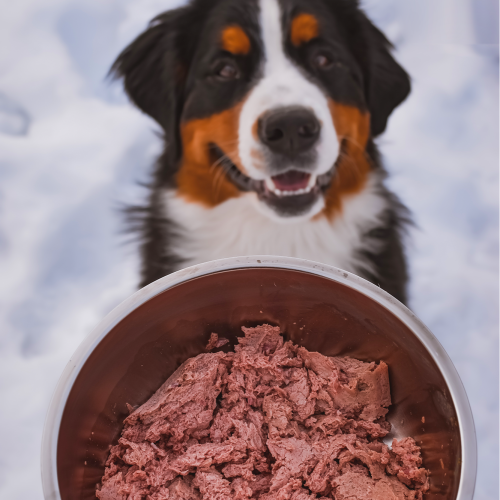
Are you wondering if it’s safe to feed your dog raw meat? You’re not alone.
Many dog owners ask this question because they want the best for their furry friends. But before you make any changes to your dog’s diet, it’s important to know the facts. Feeding raw meat can have benefits, but it also carries risks you should understand.
Keep reading to discover what you need to know to make the best choice for your dog’s health and happiness.
Credit: wefeedraw.com
Benefits Of Raw Meat Diet
Feeding your dog a raw meat diet can offer several benefits that support overall health. Many dog owners notice positive changes when switching to raw meat meals. These benefits range from better nutrition to visible improvements in coat and skin condition. Understanding these advantages helps in making informed feeding choices.
Nutritional Advantages
Raw meat is rich in natural proteins and essential nutrients. Dogs absorb vitamins and minerals more effectively from raw food. This diet often contains less filler and artificial ingredients than commercial kibble. Fresh meat provides amino acids that support muscle growth and repair. It also offers healthy fats that supply energy and maintain organ function.
Improved Digestion
Raw meat diets can enhance your dog’s digestion and gut health. Natural enzymes in raw food help break down nutrients efficiently. Many dogs experience smaller, less smelly stools on raw diets. This suggests better nutrient absorption and less waste. Raw diets often reduce digestive upset like gas and diarrhea.
Healthier Coat And Skin
A raw meat diet may improve your dog's coat shine and skin condition. The natural fats in raw meat nourish skin and reduce dryness. Many owners report less itching and fewer skin problems. A soft, glossy coat often appears after switching to raw food. These benefits reflect improved overall health and nutrient intake.
Risks Of Feeding Raw Meat
Feeding raw meat to dogs carries several risks that pet owners should know. These risks can affect your dog’s health seriously. Understanding these dangers helps you decide what is best for your pet’s diet.
Bacterial Contamination
Raw meat can contain harmful bacteria like Salmonella and E. coli. These bacteria cause severe illness in dogs and humans. Dogs eating raw meat may develop diarrhea, vomiting, or fever. Handling raw meat also risks spreading bacteria to your home. Proper hygiene is crucial to reduce this risk.
Nutritional Imbalances
Raw meat diets may lack essential nutrients. Dogs need a balanced diet with vitamins and minerals. Feeding only raw meat can cause deficiencies in calcium, vitamins, and other nutrients. These imbalances can lead to weak bones, poor coat, and other health issues. Consulting a vet ensures your dog gets complete nutrition.
Potential Parasites
Raw meat can carry parasites like tapeworms or roundworms. These parasites infect dogs and cause health problems. Signs include weight loss, itching, and digestive upset. Freezing or cooking meat kills most parasites. Feeding raw meat without proper treatment increases parasite risks.
Expert Opinions On Raw Feeding
Experts offer varied views on feeding dogs raw meat. Opinions differ based on safety, nutrition, and health risks. Understanding these perspectives helps dog owners make informed choices.
Veterinarians’ Perspectives
Many veterinarians warn about raw meat risks. Bacteria like Salmonella can harm dogs and humans. They stress balanced diets with safe, cooked food. Some vets accept raw feeding but recommend careful handling. They urge regular health checks and hygiene practices.
Nutritionists’ Views
Animal nutritionists focus on nutrient balance in raw diets. They highlight challenges in meeting all vitamin and mineral needs. Some see benefits like improved coat and energy levels. Others caution about missing nutrients and bone dangers. Proper recipe formulation and supplements are key, they say.
Real-life Case Studies
- Dogs on raw diets showed stronger immune systems in some studies.
- Cases of bacterial infections linked to improper raw feeding exist.
- Owners report better digestion and dental health with raw meat.
- Veterinary reports warn of nutrient imbalances causing health issues.
These cases highlight both benefits and risks. Success depends on knowledge and careful preparation.
Safe Practices For Raw Feeding
Feeding your dog raw meat can be healthy if done safely. It requires care to avoid health risks for both pets and owners. Following safe practices ensures your dog enjoys a balanced diet without harm.
Choosing Quality Meat
Select fresh meat from trusted sources only. Look for meat labeled fit for human consumption. Avoid meat with additives or preservatives. Opt for lean cuts and organs for balanced nutrition. Always check the expiration date before buying.
Proper Storage And Handling
Keep raw meat refrigerated or frozen until use. Thaw meat in the fridge, not on the counter. Use clean utensils and surfaces to prevent contamination. Wash hands thoroughly after handling raw meat. Dispose of packaging immediately and sanitize the area.
Balancing The Diet
Raw meat alone lacks some essential nutrients. Add fresh vegetables or supplements recommended by a vet. Include bones carefully for calcium but avoid cooked bones. Rotate different protein sources for variety. Monitor your dog’s health and adjust the diet as needed.
Alternatives To Raw Meat Diets
Many dog owners want to feed their pets raw meat for health reasons. Raw diets can be risky due to bacteria and imbalanced nutrition. Several safe alternatives offer good nutrition without these risks. These options provide variety and meet your dog's dietary needs.
Commercial Raw Diets
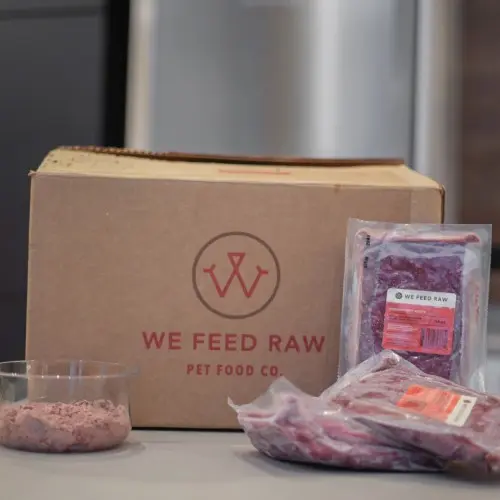
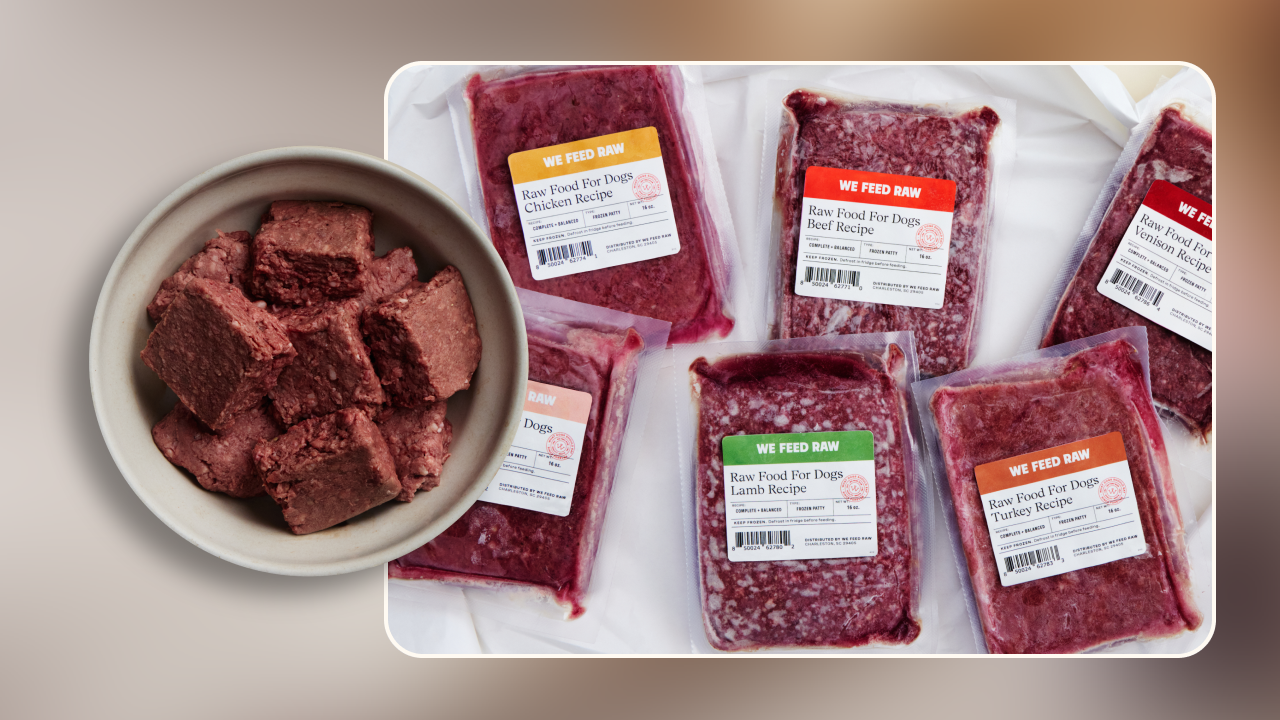
Commercial raw diets are prepared raw foods made for dogs. They come frozen or freeze-dried. These diets follow strict safety and nutrition rules. They reduce the risks linked to homemade raw feeding. You get balanced meals with tested ingredients.
Cooked Meat Options
Cooked meat is a safer way to give protein to dogs. Boiling or baking meat kills harmful bacteria. You can mix cooked meat with vegetables or rice. This method keeps food safe and easy to digest. Avoid seasoning or adding salt to the meat.
High-quality Kibble And Canned Food
High-quality kibble and canned foods offer complete nutrition. They include all essential vitamins and minerals. These foods are convenient and have a long shelf life. Many brands use natural ingredients without fillers. Always choose products labeled for your dog's life stage.

Credit: wefeedraw.com
Signs Your Dog May Not Tolerate Raw Meat
Feeding your dog raw meat can seem like a natural choice, but it’s important to watch closely for signs that your dog might not be handling it well. Some dogs react differently to raw diets, and catching these signs early can protect their health. Understanding these symptoms helps you decide if raw meat is truly right for your furry friend.
Digestive Issues
One of the first signs your dog may not tolerate raw meat is digestive upset. Look for symptoms like diarrhea, vomiting, or excessive gas. If your dog suddenly has loose stools or seems uncomfortable after meals, raw meat might be the cause.
Keep track of any changes in your dog’s bathroom habits when you switch to raw meat. Persistent digestive problems aren’t normal and mean you should reconsider their diet. Have you noticed your dog straining or showing signs of stomach pain after eating raw?
Allergic Reactions
Raw meat can sometimes trigger allergies in dogs. Watch for itching, redness, or swelling of the skin, especially around the face or paws. These reactions might appear soon after feeding or develop over time.
Other signs include frequent scratching, hair loss, or hot spots on the skin. If your dog shows these symptoms, raw meat could be causing an allergic response. Have you seen your dog scratching more or developing rashes since introducing raw meals?
Behavioral Changes
Changes in your dog’s behavior can also indicate intolerance to raw meat. They might become lethargic, irritable, or lose interest in food. Sometimes, discomfort from digestion or allergies affects their mood and energy.
Notice if your usually playful dog becomes withdrawn or less active after eating raw meat. Such shifts often signal that something isn’t sitting right. Are you observing any unusual behavior that coincides with their new diet?
Credit: wefeedraw.com
Frequently Asked Questions
Is Raw Meat Safe For Dogs To Eat?
Raw meat can be safe if handled properly. It must be fresh and free from harmful bacteria. Consult a vet before feeding raw meat to your dog.
What Are The Benefits Of Feeding Dogs Raw Meat?
Raw meat may improve coat health, increase energy, and aid digestion. It offers natural nutrients and enzymes missing in processed foods.
Are There Risks In Feeding Dogs Raw Meat?
Yes, risks include bacterial infections like Salmonella and E. coli. Raw meat can also cause nutrient imbalances if not properly prepared.
How Should I Prepare Raw Meat For My Dog?
Use fresh, high-quality meat. Clean all surfaces and utensils. Freeze meat for at least three days to kill parasites before feeding.
Conclusion
Feeding your dog raw meat can be a personal choice. Consider all factors first. Think about your dog's health, age, and specific needs. Raw meat can have both benefits and risks. Consult your veterinarian for guidance. They can provide tailored advice for your pet.
Balance is key in your dog's diet. Proper nutrition ensures a happy, healthy pet. Explore safe options before making changes. Safety must always be a priority. Make informed decisions for your furry friend.