
Have you ever wondered if it’s safe to feed your dog sardines every day? You want to give your furry friend the best, but the idea of adding sardines to their diet daily might raise some questions.
Are sardines healthy for dogs? Could too many cause problems? This article will clear up the confusion and help you decide what’s best for your dog’s health. Keep reading to discover the surprising benefits—and the important precautions—you need to know before making sardines a regular treat.
Benefits Of Sardines For Dogs
Sardines can be a fantastic addition to your dog's diet, offering a range of health benefits that support their overall well-being. These small fish pack a powerful nutritional punch, making them an excellent choice for pet owners looking to boost their dog's health naturally. Let's take a closer look at why sardines are so good for your furry friend.
Rich Source Of Omega-3 Fatty Acids
Omega-3 fatty acids in sardines help reduce inflammation and support healthy skin and a shiny coat. Dogs with allergies or dry skin often show improvement when their diet includes omega-3s. Have you noticed your dog scratching less or their coat looking healthier after adding sardines?
High Protein Content
Protein is essential for muscle growth and repair, and sardines provide a high-quality source that's easy to digest. They can be especially helpful for active dogs or those recovering from illness. Including sardines can give your dog the energy they need to stay playful and strong.
Essential Vitamins And Minerals
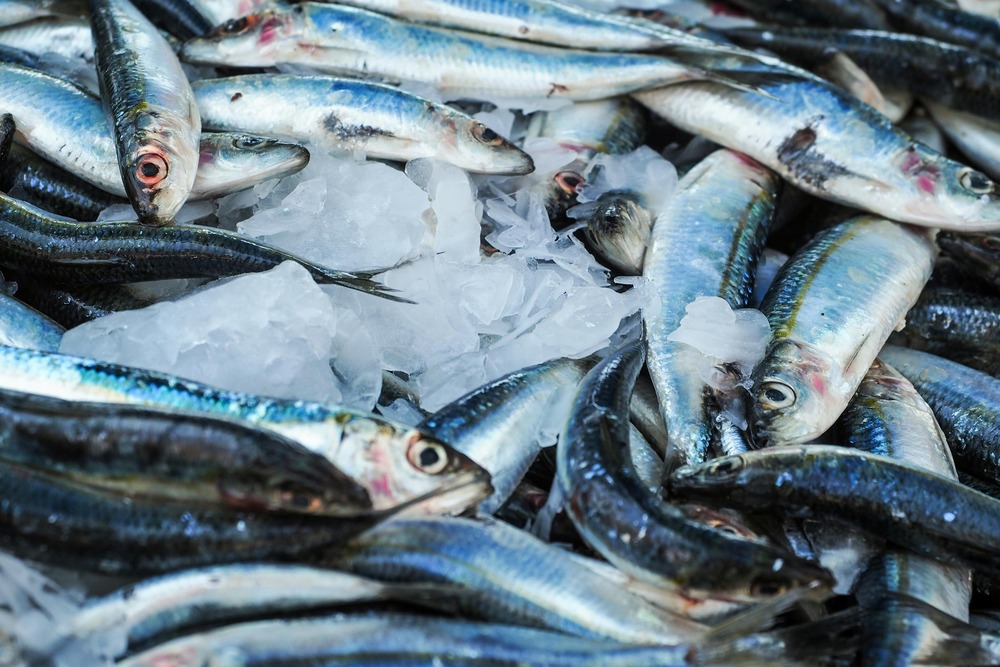
Sardines are loaded with important nutrients like vitamin B12, vitamin D, calcium, and selenium. These vitamins support your dog’s bone health, immune system, and nerve function. Adding sardines to their meals can help fill nutritional gaps, especially if your dog is picky or on a limited diet.
Credit: www.naturesmenu.co.uk
Potential Risks Of Daily Sardine Feeding
Feeding sardines to your dog every day may seem healthy but carries some risks. Sardines are rich in nutrients but also contain elements that might harm your pet if given too often. Understanding these risks helps you make safe choices for your dog's diet.
Mercury And Heavy Metal Concerns
Sardines can contain mercury and other heavy metals. These substances build up in a dog’s body over time. High levels can cause serious health problems.
Smaller fish like sardines usually have lower mercury levels than bigger fish. Still, daily feeding increases exposure. Limit sardine servings to avoid heavy metal buildup.
Salt And Additives In Canned Sardines
Canned sardines often contain added salt and preservatives. Too much salt can lead to dehydration and kidney issues in dogs. Some additives may trigger stomach upset or other reactions.
Choose sardines packed in water without salt or additives. Always check the label before feeding your dog canned fish.
Allergic Reactions And Sensitivities
Some dogs may be allergic or sensitive to sardines. Watch for signs like itching, swelling, or digestive upset. Allergies may develop even if your dog ate sardines before without problems.
Introduce sardines slowly and monitor your dog’s response. Stop feeding if any allergic symptoms appear.
Recommended Serving Size For Dogs
Knowing the right amount of sardines to feed your dog is important. Sardines are rich in nutrients but too much can cause problems. Serving the correct portion keeps your dog healthy and happy.
Portion Guidelines Based On Dog Size
Small dogs need less sardines than bigger dogs. Here are simple portion ideas:
- Small dogs (under 20 lbs):1 to 2 small sardines per serving.
- Medium dogs (20-50 lbs):2 to 4 small sardines per serving.
- Large dogs (50+ lbs):4 to 6 small sardines per serving.
Adjust the amount based on your dog’s appetite and health.
Frequency Considerations
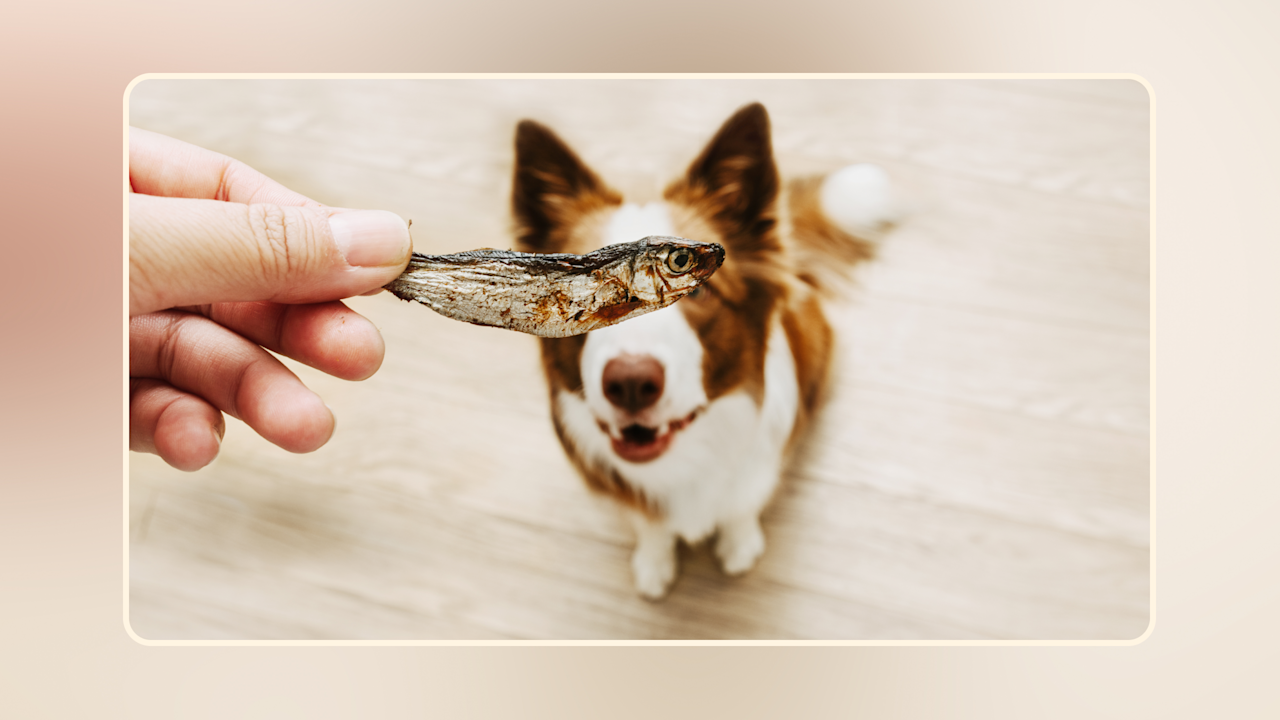
Feeding sardines daily is usually safe in small amounts. Too many can upset your dog’s stomach or cause excess fat intake. Try offering sardines 2 to 3 times a week. This keeps meals balanced and interesting.
Balancing Sardines With Regular Diet
Sardines should complement, not replace, your dog’s main food. Mix sardines with their regular kibble or wet food. Watch your dog’s weight and energy levels. Adjust sardine servings if needed to avoid too many calories.
Credit: wefeedraw.com
Choosing The Right Sardines
Choosing the right sardines for your dog is important for their health. Not all sardines are the same. Some types have added ingredients that may harm your dog. Picking the best kind can provide good nutrients without risks.
Fresh Vs. Canned Sardines
Fresh sardines have no preservatives or added salt. They contain natural oils and nutrients. Canned sardines are more convenient and last longer. But some canned types include extra salt or oil. Always check the type before feeding your dog.
Opting For No Salt Or Low-sodium Options
Dogs need low sodium to keep their hearts healthy. Sardines with no added salt are the safest choice. Low-sodium options reduce the risk of high blood pressure. Avoid sardines packed in heavy salt brine. These can be harmful over time.
Reading Labels For Additives
Labels tell you what is inside the sardine can. Avoid sardines with added spices, sauces, or preservatives. Some canned sardines contain harmful chemicals or flavorings. Pure sardines in water or olive oil are best. Always read labels carefully before buying.
Veterinarian Advice On Sardine Feeding
Veterinarians often discuss the benefits and risks of feeding sardines to dogs. Sardines are rich in omega-3 fatty acids, protein, and essential vitamins. These nutrients support healthy skin, coat, and joint function. Yet, feeding sardines every day might not suit all dogs. Vet advice helps pet owners provide a balanced diet and avoid health problems.
When To Consult A Vet
Consult a vet before adding sardines to your dog’s diet. Dogs with kidney problems or allergies need special care. Puppies and senior dogs may require tailored nutrition plans. A vet can assess your dog's health and suggest proper sardine servings. Regular check-ups help track any dietary impacts.
Signs Of Nutritional Imbalance
Watch for signs that indicate nutritional imbalance from sardines. These include:
- Loose stools or diarrhea
- Excessive weight gain or loss
- Dull or dry coat
- Unusual lethargy or hyperactivity
- Vomiting or stomach upset
Such symptoms suggest the diet needs adjustment. Share any concerns with your vet promptly.
Integrating Sardines Safely
Introduce sardines gradually into your dog’s meals. Start with small portions to observe reactions. Use sardines packed in water, not oil or salt. Avoid bones to prevent choking risks. Balance sardines with other protein and fiber sources. Keep fresh water available at all times.
Alternatives To Sardines For Dog Nutrition
Dogs need a variety of nutrients for good health. Sardines provide many benefits, but feeding them every day may not suit all dogs. Other options can offer similar nutrients like omega-3 fatty acids, vitamins, and minerals. These alternatives help keep your dog’s diet balanced and interesting.
Other Fish Options
Fish is a great source of protein and healthy fats for dogs. Besides sardines, consider these fish types:
- Salmon – rich in omega-3 and easy to digest
- Mackerel – contains essential fatty acids and vitamins
- Herring – low in mercury and high in nutrients
- Trout – good source of protein and omega-3s
Cook fish plain without seasoning or bones. Always introduce new fish slowly to avoid stomach upset.
Supplements For Omega-3
Omega-3 is vital for your dog’s skin, coat, and joints. Supplements can provide these fats without feeding fish daily. Common omega-3 supplements include:
- Fish oil capsules or liquids
- Flaxseed oil – plant-based omega-3 source
- Krill oil – another marine source rich in omega-3s
Follow dosage instructions carefully. Consult your vet before starting supplements.
Balanced Commercial Dog Foods
Many dog foods include balanced nutrients, including omega-3s and vitamins. Choose quality brands with fish ingredients or added supplements. These foods simplify feeding and ensure nutritional needs are met.
- Look for formulas with fish like salmon or whitefish
- Check for added omega-3 and omega-6 fatty acids
- Consider grain-free or limited ingredient options if allergies exist
Always read labels and choose foods made for your dog’s life stage and health.

Credit: pettreatery.com
Frequently Asked Questions
Is It Safe To Feed Sardines To Dogs Daily?
Yes, feeding sardines daily is generally safe for dogs. They provide essential nutrients like omega-3 fatty acids. However, moderation is key to avoid excessive fat or sodium intake. Always choose sardines packed in water without added salt or seasoning.
How Many Sardines Can My Dog Eat Daily?
The number of sardines depends on your dog’s size and diet. Small dogs can have one sardine, while larger dogs may eat two or three. Consult your vet to balance sardines with your dog’s overall nutritional needs and avoid overfeeding.
Can Sardines Improve My Dog’s Coat And Skin?
Yes, sardines are rich in omega-3 fatty acids, which promote healthy skin and a shiny coat. Regular feeding can reduce inflammation and dryness. Including sardines occasionally in your dog’s diet supports skin health effectively.
Are There Any Risks Feeding Sardines Daily To Dogs?
Potential risks include excess sodium, mercury, or fat if sardines are overfed or improperly prepared. Avoid sardines in oil or with added salt. Always monitor your dog for any allergic reactions or digestive issues when introducing sardines daily.
Conclusion
Feeding your dog sardines daily has benefits. But moderation is key. Sardines offer omega-3 fatty acids, promoting healthy skin and coat. Too much can lead to weight gain. Always check for bones and choose low-sodium options. Consult your vet before changing your dog's diet.
Balance is vital for your pet's health. Sardines can be a tasty treat. Yet, variety in diet is important. Your dog's wellbeing matters. Make informed choices for their meals. Keep them happy and healthy. Always prioritize their nutritional needs.