
Are you wondering if it’s safe to share your scrambled eggs with your dog? It’s natural to want to treat your furry friend to something tasty from your plate.
But before you do, you need to know if scrambled eggs are actually good for your dog’s health. You’ll discover the truth about feeding scrambled eggs to dogs, the benefits they might offer, and the precautions you should take. Keep reading to find out how to make sure your pup stays happy and healthy while enjoying a delicious treat.

Credit: www.petscare.com
Benefits Of Scrambled Eggs For Dogs
Scrambled eggs can be a great treat for your dog, offering more than just a tasty snack. They provide essential nutrients that support your dog's overall health. Understanding these benefits can help you decide if scrambled eggs deserve a spot in your pet's diet.
High Protein Content
Eggs are packed with high-quality protein that helps build and repair your dog’s muscles. Protein is crucial for active dogs and puppies as it fuels their energy and supports healthy growth. If your dog needs a protein boost, scrambled eggs can be an easy way to provide it.
Rich In Vitamins And Minerals
Scrambled eggs contain important vitamins like B12, riboflavin, and folate, which support brain function and energy production. They also provide minerals such as iron and selenium that help maintain your dog's immune system and promote healthy skin and coat. Including eggs in your dog’s meals can fill nutritional gaps without complicated supplements.
Easy To Digest
Unlike some protein sources, scrambled eggs are gentle on your dog’s stomach. This makes them ideal for dogs with sensitive digestion or those recovering from illness. Have you noticed your dog feeling better after a simple meal of eggs? Many pet owners report improved digestion and less stomach upset after feeding their dogs scrambled eggs.
Potential Risks Of Feeding Scrambled Eggs
Feeding your dog scrambled eggs might seem like a simple treat, but it’s important to know the potential risks involved. Eggs can be a nutritious addition to your pet’s diet, yet certain factors could cause harm if not managed carefully. Understanding these risks helps you make safer choices for your furry friend’s health.
Allergic Reactions
Dogs can develop allergies to eggs just like humans. Symptoms may include itching, swelling, digestive upset, or even respiratory issues. If you notice your dog scratching more than usual or showing signs of discomfort after eating eggs, it’s time to stop and consult your vet.
Risk Of Overfeeding
Eggs are high in protein and fat, so feeding too many can upset your dog’s balanced diet. Overfeeding scrambled eggs might lead to weight gain or digestive problems like diarrhea. Keep egg portions small and occasional to avoid these issues.
Concerns About Seasonings
Seasonings like salt, pepper, butter, or oils often added to scrambled eggs are not safe for dogs. Even small amounts of garlic or onion powder can be toxic. Always serve plain scrambled eggs without any added ingredients to protect your dog’s health.
How To Prepare Eggs Safely For Dogs
Preparing eggs for your dog might seem simple, but doing it safely is key to keeping your furry friend healthy and happy. Eggs can be a great source of protein and essential nutrients, but how you cook and serve them matters a lot. Let’s look at how you can prepare scrambled eggs in a way that benefits your dog without any risks.
Avoiding Harmful Ingredients
Keep your dog’s scrambled eggs plain. Avoid adding salt, pepper, onions, garlic, or any spices that can upset their stomach or even be toxic. Butter and oils might seem harmless but can cause digestive issues or add unnecessary fat.
Have you ever noticed how your dog reacts to certain seasonings? If not, this is a good time to observe and keep their meals simple. Stick to just eggs and maybe a tiny splash of water or plain broth if you want to add moisture.
Cooking Tips
Cook the eggs thoroughly to eliminate any risk of salmonella. Raw eggs may contain bacteria that can harm your dog’s health. Scramble the eggs gently on low heat, stirring often to avoid burning.
Using a non-stick pan or a well-seasoned skillet helps cook eggs evenly without extra fat. You can even cook the eggs in a bit of water instead of oil to keep things light. The texture should be soft but fully cooked, making it easy for your dog to chew and digest.
Portion Control
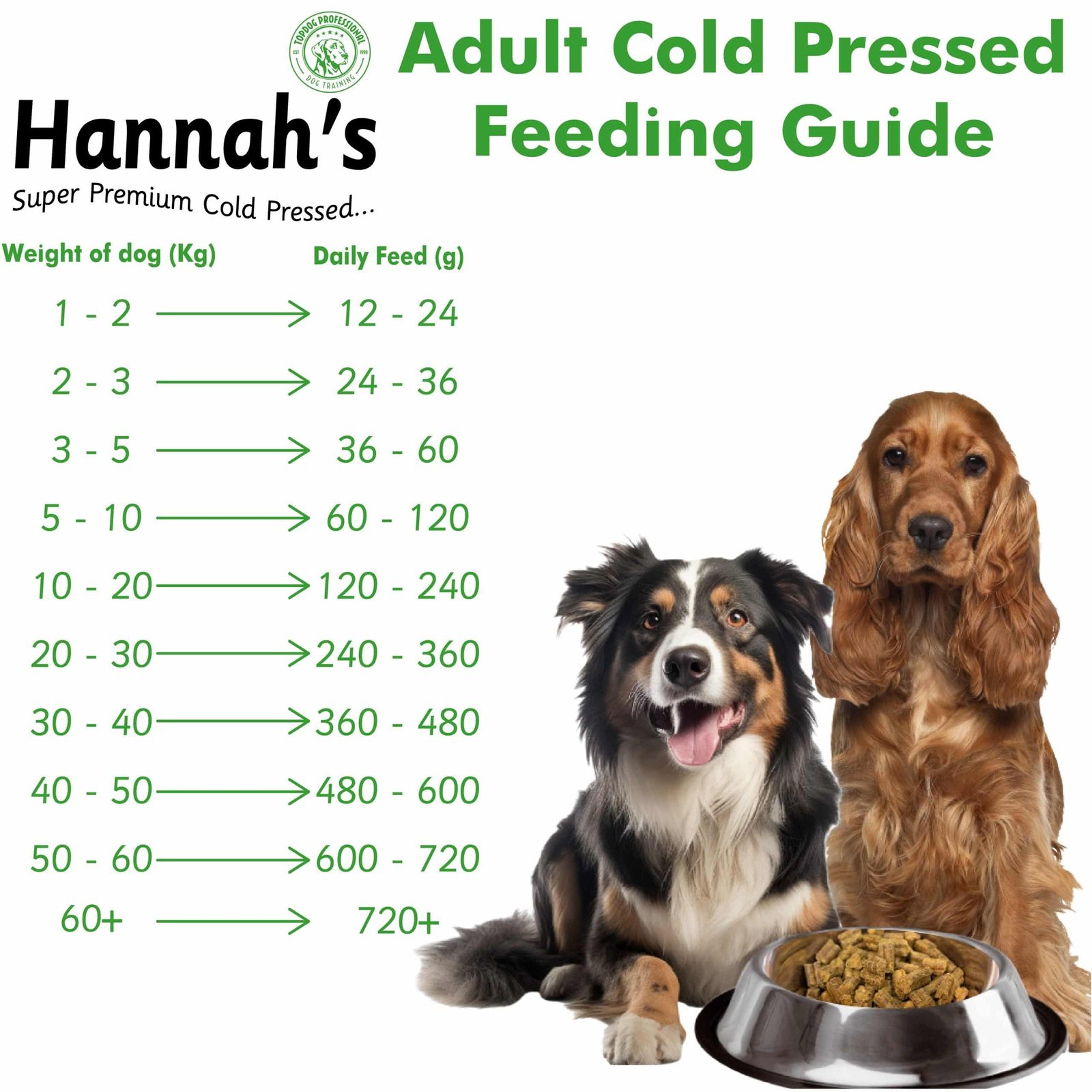
Eggs are nutritious but calorie-dense. Feeding too many can lead to weight gain or an upset stomach. Start with a small amount, like half an egg for a small dog or one whole egg for a larger breed.
Think about your dog’s overall diet. Eggs should be a treat or supplement, not a main meal. How often you feed eggs depends on your dog’s activity level and health, so keep an eye on their response and adjust accordingly.

Credit: www.bellaandduke.com
When To Avoid Feeding Eggs To Dogs
Eggs can be a healthy treat for many dogs. Yet, there are times to avoid feeding scrambled eggs. Knowing when to skip eggs helps keep your dog safe and healthy. Some dogs might have reactions or health risks linked to eggs. It is important to recognize these situations clearly.
Existing Health Conditions
Dogs with allergies may react badly to eggs. Some dogs have food sensitivities causing stomach upset. Eggs contain protein that might trigger allergies in some pets. Dogs with pancreatitis or digestive problems should avoid fatty foods like eggs. Feeding eggs to these dogs can worsen their condition.
Puppies And Senior Dogs
Puppies have delicate digestive systems. Eggs might be too rich for young pups. Their stomachs need simple, balanced nutrition for growth. Senior dogs might also struggle with rich foods. Aging dogs often have weaker digestion or health issues. Feeding scrambled eggs could lead to discomfort or illness.
Consulting Your Veterinarian
Always check with your vet before adding new foods. Your vet understands your dog’s health needs best. They can advise if eggs suit your dog’s diet. Getting professional advice helps avoid potential risks. It ensures your dog’s food is safe and nutritious.
Alternatives To Scrambled Eggs
If you're looking for alternatives to scrambled eggs for your dog, there are several healthy options to consider. These choices can provide your furry friend with valuable nutrients without the added fats or seasonings found in typical scrambled eggs. Let’s explore some easy and nutritious substitutes that your dog will love just as much.
Boiled Eggs
Boiled eggs are a simple and safe alternative to scrambled eggs. They retain most of their nutrients without needing any added oil or butter. You can easily prepare a boiled egg and chop it into small pieces to mix with your dog’s regular meal.
Have you noticed how your dog perks up when you add a bit of boiled egg? It’s a great way to add protein and keep their diet fresh without extra calories.
Other Protein Sources
Dogs need protein from different sources to stay healthy and active. Besides eggs, consider lean meats like chicken, turkey, or fish. These options provide essential amino acids and can be cooked plainly without seasoning.
Try offering small portions of cooked chicken breast or baked salmon. These are packed with nutrients and often more exciting for dogs who love variety in their meals.
Commercial Dog Foods
High-quality commercial dog foods often contain balanced amounts of protein, vitamins, and minerals. These products are formulated to meet dogs’ nutritional needs without extra fuss in the kitchen. You can trust them to provide a complete diet when you’re short on time.
Have you checked the ingredient list on your dog’s food lately? Choosing a brand with real meat as the first ingredient can make a big difference in your pet’s health and energy levels.

Credit: www.dogfoodrecipes.net
Frequently Asked Questions
Can Dogs Eat Scrambled Eggs Daily?
Yes, dogs can eat scrambled eggs daily in moderation. Eggs are a good protein source and provide essential nutrients. Avoid adding salt, butter, or seasonings. Overfeeding eggs may cause digestive issues or weight gain.
Are Scrambled Eggs Safe For Puppies?
Scrambled eggs are safe and nutritious for puppies. They help support growth with protein and amino acids. Serve plain, cooked eggs in small amounts. Consult your vet for specific dietary advice for your puppy.
What Are The Benefits Of Scrambled Eggs For Dogs?
Scrambled eggs provide high-quality protein, vitamins, and minerals. They support muscle development, coat health, and energy levels. Eggs are easy to digest and suitable for sensitive stomachs. Always serve cooked eggs to avoid salmonella risk.
Can Scrambled Eggs Upset My Dog’s Stomach?
Plain scrambled eggs rarely upset a dog’s stomach. However, too many eggs or added ingredients like butter can cause digestive issues. Introduce eggs gradually and monitor your dog’s reaction to avoid discomfort.
Conclusion
Feeding dogs scrambled eggs can be a good treat. Eggs offer protein and essential nutrients. They're simple to prepare and dogs often enjoy them. Always cook eggs well to avoid any health risks. Moderation is key for a balanced diet.
Introduce eggs gradually to monitor your dog's response. Consult a vet for personalized advice. Every dog is different. Pay attention to their needs. With care, scrambled eggs can be a tasty addition to their diet. Keep their overall nutrition in mind.
A happy dog is a healthy dog.