Are you wondering if it’s safe for your playful kitten to eat adult cat food? You want the best for your furry friend, but sometimes it’s hard to know what’s right.
Feeding the wrong food can affect your kitten’s growth and health. Keep reading, because understanding the difference between kitten and adult cat food could make a big difference for your pet’s future. Let’s clear up the confusion and help you make the best choice for your kitten’s diet.

Credit: www.reddit.com
Nutritional Needs Of Kittens
Kittens have special nutritional needs that differ from adult cats. Their bodies grow fast and require more energy and nutrients. Feeding them the right diet is key to healthy development. Adult cat food often lacks some nutrients that kittens need in higher amounts. Understanding these needs helps ensure kittens grow strong and healthy.
Growth Requirements
Kittens grow quickly during their first year. Their bodies need more calories than adult cats. They burn energy faster and build muscles and bones. A diet rich in protein and fat supports this rapid growth. Kittens also need frequent meals to maintain their energy levels. Feeding adult cat food may not meet these high energy demands.
Key Nutrients For Development
- Protein:Essential for building muscles and tissues.
- Fat:Provides energy and supports brain growth.
- Calcium and Phosphorus:Crucial for strong bones and teeth.
- Taurine:An amino acid vital for heart and eye health.
- Vitamins A and D:Support immune function and bone growth.
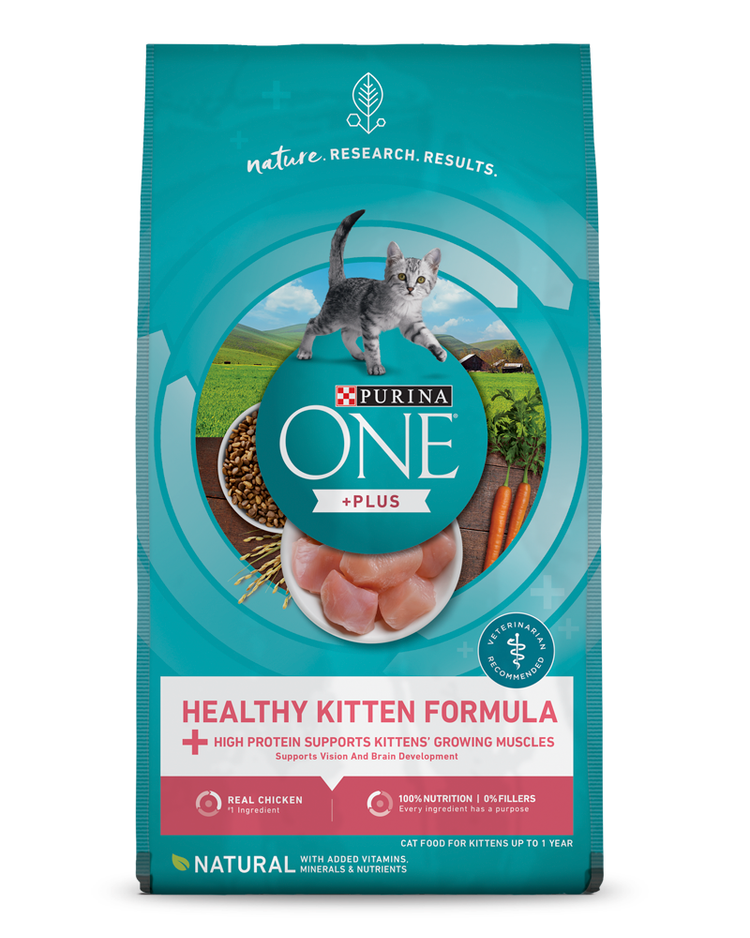
Kittens need these nutrients in specific amounts. Adult cat food usually has lower levels of these important nutrients. Feeding kittens the right food ensures they develop properly.
Credit: www.purina.com
Differences In Adult Cat Food
Adult cat food differs significantly from kitten food in its nutritional makeup. These differences support the unique needs of mature cats rather than growing kittens. Understanding these variations helps decide if adult cat food suits a kitten’s diet.
Calorie Content
Adult cat food usually has fewer calories per serving. Mature cats need fewer calories to maintain their weight and energy levels. Kittens require more calories to support rapid growth and high activity. Feeding adult food to kittens may not provide enough energy for healthy development.
Protein And Fat Levels
Adult cat food contains lower protein and fat than kitten food. Kittens need high protein and fat to build muscles and develop organs. Adult formulas focus on maintaining existing muscle and healthy body weight. Insufficient protein and fat can slow a kitten’s growth and weaken its immune system.
Risks Of Feeding Adult Food To Kittens
Feeding adult cat food to kittens can cause several health risks. Kittens need special nutrients to grow strong and healthy. Adult food lacks some essential nutrients that kittens require. This can lead to problems that affect their development and wellbeing. Understanding these risks helps keep kittens safe and thriving.
Nutritional Deficiencies
Kittens need higher levels of protein and fat than adult cats. Adult cat food does not meet these needs. It often lacks enough taurine, an important amino acid for kittens. Vitamins like A and D may also be too low. Without proper nutrition, kittens may grow weak and fail to develop properly.
Essential minerals like calcium and phosphorus are crucial for bone growth. Adult food may not provide the right balance for kittens. This can result in poor bone health and other growth issues. Feeding adult food can cause long-term health problems for young cats.
Digestive Issues
Kittens have sensitive stomachs that need gentle care. Adult cat food can be too rich or hard to digest. This may cause stomach upset, diarrhea, or vomiting. Their digestive system is not ready to handle adult formulas.
Sudden changes or inappropriate food can stress a kitten’s digestive tract. This can lead to discomfort and poor nutrient absorption. Proper kitten food supports healthy digestion and growth. Feeding adult food may slow down their progress and cause digestive distress.
When Adult Food Might Be Acceptable
Kittens require special nutrition for healthy growth. Their food has extra protein, fat, and nutrients. Adult cat food lacks some of these essentials. Still, adult food might be okay sometimes. This section explains when feeding adult food to kittens could work.
Short-term Feeding
Adult cat food can be used for kittens briefly. This helps if kitten food is unavailable. The kitten should get proper kitten food soon. Feeding adult food too long may slow growth. Watch the kitten’s weight and energy closely. If problems arise, switch back to kitten food fast.
Emergency Situations
In emergencies, adult cat food is better than no food. Examples include sudden pet store closures or travel delays. Keep the kitten hydrated and safe. Give adult food in small amounts to avoid upset stomach. Use this only until kitten food is accessible again.
Choosing The Right Food For Kittens
Choosing the right food for kittens is crucial for their healthy growth and development. Kittens have different nutritional needs compared to adult cats, so feeding them the appropriate diet ensures they get the right balance of proteins, fats, and essential vitamins. Making the right choice now can help you avoid health problems later and support your kitten’s playful energy and strong immune system.
Kitten-specific Formulas
Kitten-specific formulas are designed to meet the higher energy and nutrient needs of growing cats. These foods usually have more protein, fat, and calories than adult cat food, which helps support rapid growth and brain development.
You might notice kitten formulas are often softer, making it easier for your little one to chew. Ingredients like DHA, an omega-3 fatty acid, are added to boost eye and brain health. Skipping kitten food and feeding adult cat food can leave your kitten lacking these important nutrients.
Consulting A Veterinarian
Every kitten is unique, and their dietary needs can vary based on breed, health, and activity level. Talking to a veterinarian ensures you choose the best food tailored to your kitten’s specific requirements.
Your vet can recommend the right brands, portion sizes, and feeding schedules. They may also advise on when to transition from kitten food to adult cat food, preventing any nutritional gaps. Have you checked with your vet about the best feeding plan for your kitten?
Transitioning From Kitten To Adult Food
Transitioning your kitten from their special kitten food to adult cat food is a key moment in their growth. This change supports their developing body while adjusting their diet to match their new energy needs. Handling this transition carefully can prevent digestive upsets and keep your kitten happy and healthy.
Timing The Switch
Most kittens are ready to switch to adult food between 9 and 12 months old. This period matches when their growth rate slows down and their nutritional needs start to shift.
Watch your kitten’s behavior and health closely during this time. Are they gaining too much weight, or perhaps seem less active? These signs can help you decide if it’s time to make the change.
Gradual Introduction Tips
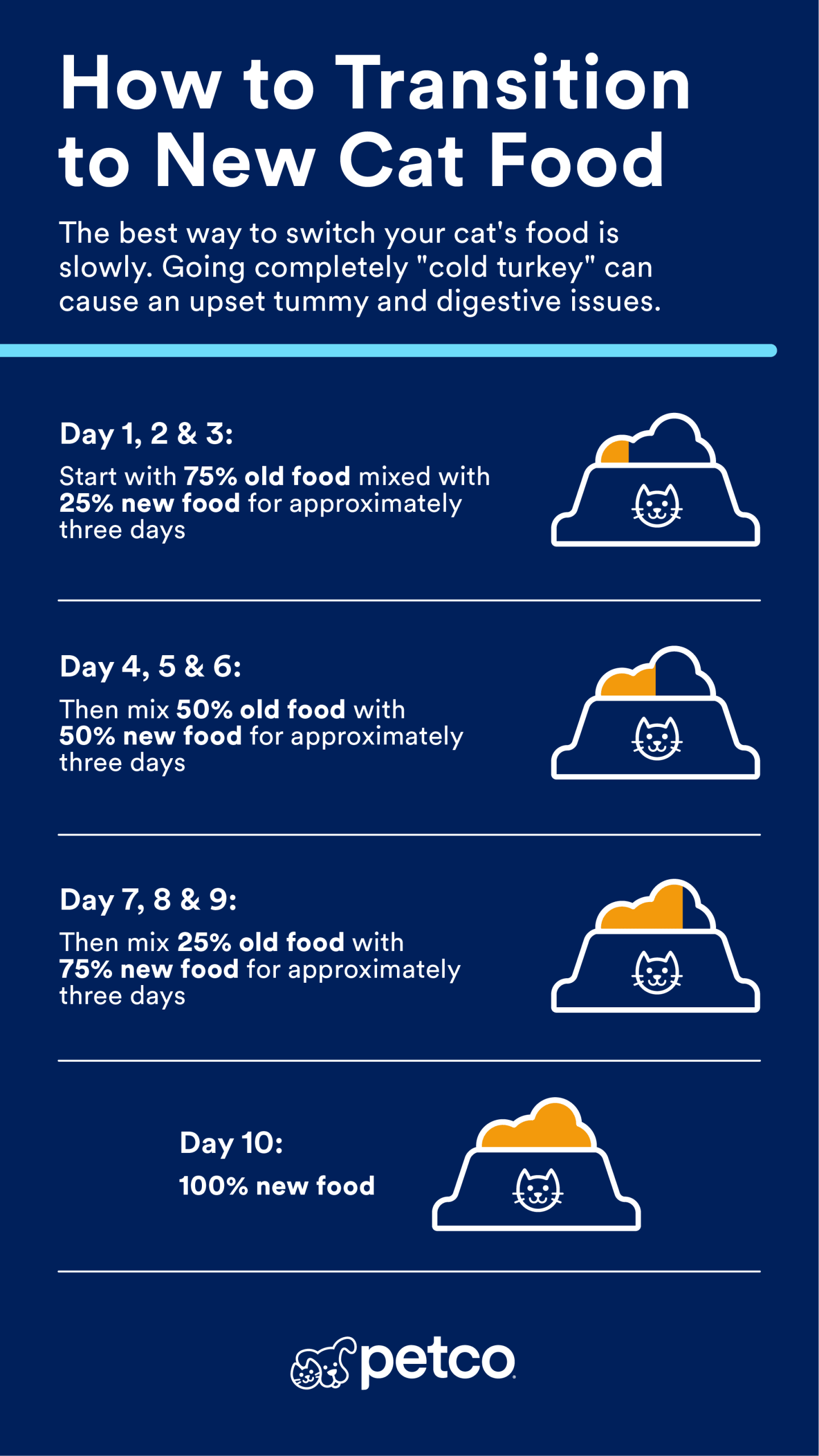
Start by mixing a small amount of adult food into your kitten’s regular meals. Increase the adult food portion slowly over 7 to 10 days while decreasing the kitten food.
Keep an eye on your cat’s stool quality and appetite during the switch. If you notice any digestive issues like diarrhea or vomiting, slow down the transition process.
- Offer fresh water at all times to help digestion.
- Maintain regular feeding times to create a routine.
- Consider feeding smaller, more frequent meals to ease the change.
Have you noticed how your kitten reacts to new foods? Their preferences can guide you to find the best adult food that suits their taste and health needs. This attention to detail makes a big difference in their long-term wellbeing.

Credit: www.petscare.com
Frequently Asked Questions
Can Kittens Eat Adult Cat Food Safely?
Kittens can eat adult cat food temporarily, but it lacks essential nutrients for growth. Kitten food supports their development better. Feeding only adult food long-term may lead to nutrient deficiencies and health issues in kittens.
What Nutrients Do Kittens Need That Adults Don't?
Kittens require higher protein, fat, and calories for growth. They also need more DHA for brain development. Adult cat food often lacks these higher nutrient levels, which are critical during a kitten’s early months.
When Should Kittens Switch To Adult Cat Food?
Kittens should transition to adult cat food around 12 months old. This timing supports their developmental milestones and energy needs. Gradual switching helps avoid digestive upset during this dietary change.
Is Adult Cat Food Missing Vitamins For Kittens?
Yes, adult cat food typically has lower vitamin and mineral content. Kittens need higher levels of vitamins A, D, calcium, and phosphorus for healthy bones and vision. Adult formulas don’t meet these elevated kitten requirements.
Conclusion
Feeding kittens adult cat food isn't ideal. Their needs differ from adult cats. Kittens require specific nutrients for healthy growth. Adult cat food lacks these essentials. Always choose kitten-specific formulas for their diet. This supports their development and health. Consult your vet for the best feeding options.
Proper nutrition ensures a happy, healthy kitten. Your little friend deserves the best start. Remember, their early diet impacts their future well-being. Keep them thriving with the right food choices. Make informed decisions for their bright future. Your kitten's health and happiness depend on it.