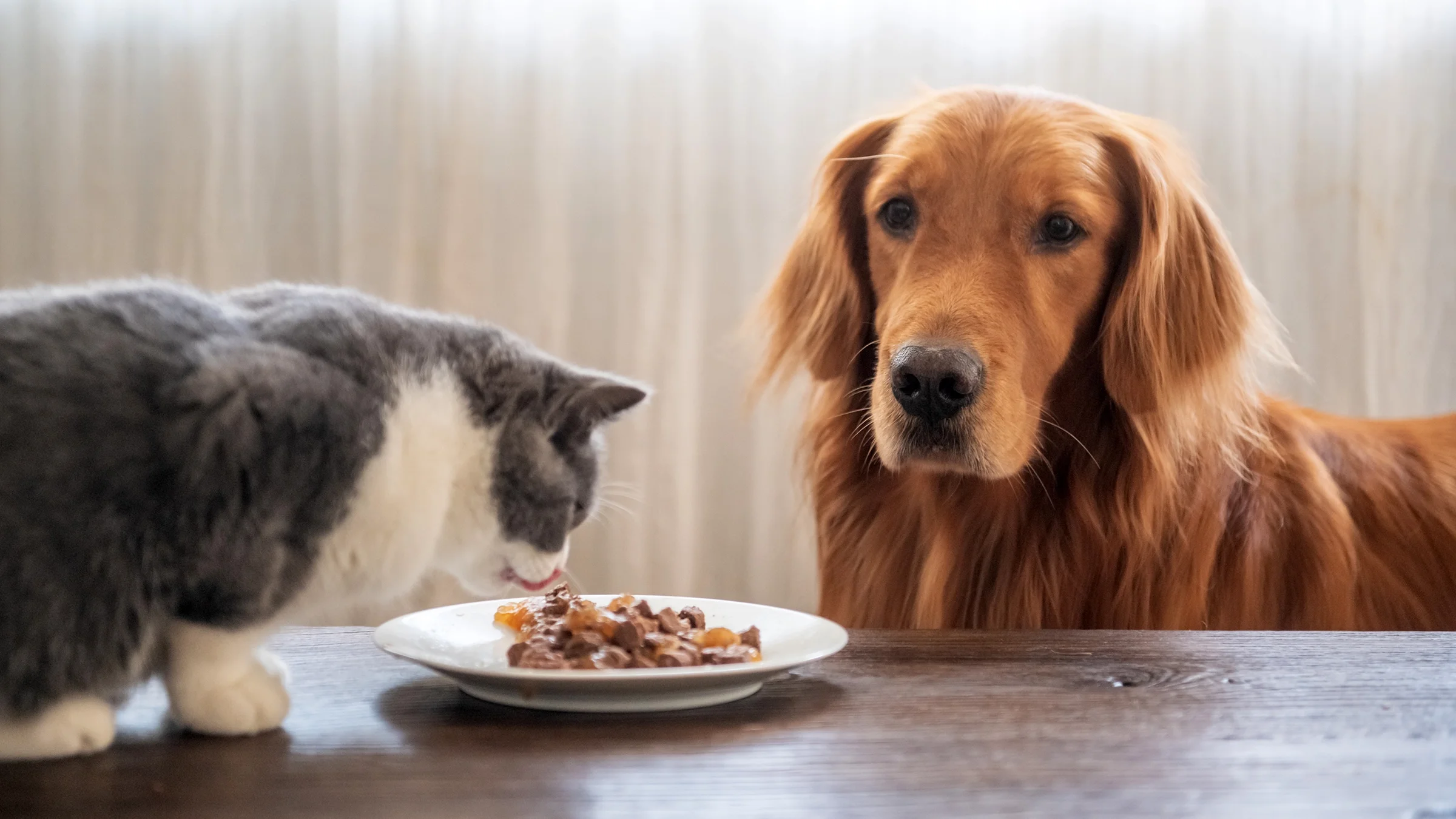
Have you ever caught your dog sneaking a bite of your cat’s food and wondered, “Is this bad for my dog?” It’s a common situation that many pet owners face, but the answer isn’t as simple as you might think. What if that tasty cat food is actually harming your furry friend?
Or could it be safe in small amounts? Understanding the risks and benefits can help you protect your dog’s health and keep them happy. Keep reading to find out why you should pay attention to what your dog eats and how to handle those tempting cat food moments.
Why Dogs Are Drawn To Cat Food
Dogs often show interest in cat food, and many owners wonder why. This attraction comes from a few key reasons. Understanding these can help you manage your pet’s diet better.
Taste And Smell Appeal
Cat food has a stronger smell than dog food. Cats need more protein, so their food contains rich meat flavors. Dogs find these flavors very tempting. The fatty content in cat food also adds to its aroma. This makes it hard for dogs to resist. Even picky eaters might prefer cat food over their own.
Nutritional Differences
Cat food is higher in protein and fat than dog food. Cats need extra nutrients for energy and health. Dogs do not require as much protein or fat. The rich nutrition in cat food can be appealing to dogs. It gives them a quick energy boost. This makes cat food taste richer and more satisfying to dogs.
Nutritional Content Of Cat Food Vs. Dog Food
Dogs and cats have different nutritional needs. Their foods reflect these needs in content and balance. Understanding these differences helps explain why cat food is not ideal for dogs. This section explores key nutrient variations between cat and dog food.
Protein And Fat Levels
Cat food contains higher protein and fat levels than dog food. Cats need more protein for their muscle and energy needs. Dog food has lower protein to suit their varied diet. High fat in cat food provides energy for active cats. For dogs, excess fat can lead to weight gain and health issues.
Vitamins And Minerals
Cat food includes more vitamin A and taurine. Cats cannot produce taurine, so it must come from food. Dogs produce taurine naturally and need less vitamin A. Dog food has a balanced mix of vitamins for general health. Feeding cat food to dogs may cause vitamin imbalances.
Caloric Density
Cat food is more calorie-dense than dog food. This density helps cats meet their energy needs in small meals. Dogs eat larger portions, so their food has fewer calories per serving. Feeding dogs cat food often can cause overeating and obesity. Caloric control is important for a dog’s long-term health.
Potential Health Risks For Dogs
Dogs eating cat food may face several health risks. Cat food is designed for cats, not dogs. It contains different nutrients that can harm your dog over time. Understanding these risks helps keep your dog healthy.
Digestive Issues
Cat food is richer and harder to digest for dogs. Eating it can cause stomach pain, vomiting, or diarrhea. Dogs may have upset stomachs after eating cat food. Their digestive system is not built for high protein and fat levels found in cat food.
Obesity And Weight Gain
Cat food has more fat and calories than dog food. Dogs eating cat food often gain weight quickly. Excess weight can lead to serious health problems. Overweight dogs may develop joint pain and heart issues. Controlling your dog's diet prevents unnecessary weight gain.
Nutritional Imbalances
Cat food contains nutrients dogs do not need in large amounts. Too much protein and fat may cause kidney or liver problems. Dogs also miss key nutrients found only in dog food. Feeding cat food regularly can lead to poor health and nutrient deficiencies.

Credit: petzyo.com.au
When Eating Cat Food Might Be Safe
Wondering if it's ever okay for your dog to eat cat food? While cat food isn't designed for dogs, there are moments when a little nibble might not cause harm. Understanding these situations helps you make safer choices for your furry friend.
Occasional Snacking
Dogs might sneak a bite of cat food out of curiosity or hunger, and an occasional snack usually isn't dangerous. Cat food is richer in protein and fat, so a small amount now and then won’t upset most dogs’ stomachs.
However, frequent snacking can lead to weight gain or digestive issues. If your dog tries cat food once or twice, monitor them for any unusual behavior or tummy troubles. Have you noticed your dog getting into the cat’s bowl? Keeping an eye can save you trouble later.
Small Breed Considerations
Small dogs sometimes benefit from the higher calorie content in cat food, especially if they’re picky eaters or need extra energy. The nutrient-dense nature of cat food can provide a quick boost, but it shouldn’t replace their regular diet.
Feeding cat food regularly to small breeds can cause imbalances, so use it sparingly. If your small dog seems drawn to cat food, you might try mixing a tiny bit into their own food to add flavor without overdoing it. Have you thought about why your small dog prefers cat food? It might reveal something about their needs.
How To Prevent Your Dog From Eating Cat Food
Stopping your dog from eating cat food protects their health. Cat food has more fat and protein, which can upset dogs. Preventing this habit takes planning and patience. Use different methods to keep your dog away from cat meals.
Feeding Strategies
Feed your dog and cat at different times. Give your dog a meal first. Remove their food bowl after they finish. Then, feed your cat. This reduces your dog's chance to sneak cat food.
Offer your dog tasty treats or chews. These keep them busy and less interested in cat food. High-quality dog food also helps satisfy their hunger better.
Separate Feeding Areas
Place cat food in a spot your dog cannot reach. Use baby gates or pet barriers if needed. Cats can jump higher than dogs. Put the cat bowl on a counter or shelf.
Create a quiet, safe space for your cat to eat. This reduces stress and protects their food. Your dog learns that cat food is off-limits.
Training Tips
- Teach the “leave it” command to your dog.
- Reward your dog for ignoring cat food with treats or praise.
- Use a leash during feeding times to control your dog’s movements.
- Redirect your dog’s attention with toys or play.
Consistent training helps your dog understand boundaries. Patience and repetition make the behavior stick.
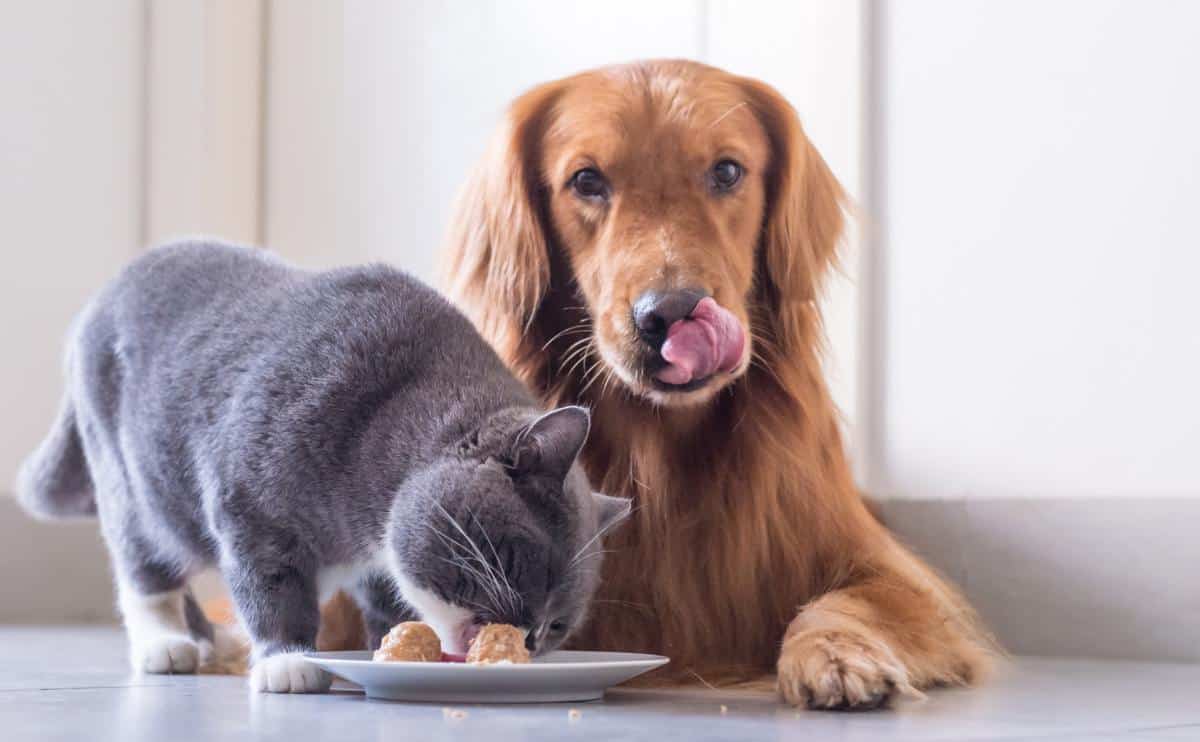
Credit: www.caninejournal.com
What To Do If Your Dog Eats Cat Food
If your dog sneaks a bite of cat food, it’s natural to worry. Cat food is richer in certain nutrients that dogs don’t usually need in large amounts. Knowing what to do next can help keep your furry friend safe and healthy.
Monitoring For Symptoms
After your dog eats cat food, watch closely for any changes in behavior or health. Look for signs like vomiting, diarrhea, or unusual lethargy. Sometimes, dogs might also show signs of stomach discomfort or excessive thirst.
Keep a note of when the cat food was eaten and how much. This information can be very helpful if you need to talk to a vet later. Remember, not every dog will react the same way, so your observations matter.
When To Contact A Vet
If your dog starts vomiting repeatedly or has diarrhea that lasts more than 24 hours, it’s time to call your vet. Difficulty breathing, severe lethargy, or signs of pain are urgent reasons to seek professional help immediately.
Even if symptoms seem mild, don’t hesitate to ask your vet for advice. Sometimes small signs can point to bigger issues. Have your dog’s age, weight, and the amount of cat food consumed ready to share for a quicker assessment.

Credit: www.chewy.com
Frequently Asked Questions
Can Dogs Eat Cat Food Occasionally Without Harm?
Dogs can eat cat food occasionally, but it's not ideal. Cat food is richer in protein and fat, which may upset a dog's stomach or cause weight gain over time.
Why Is Cat Food Not Suitable For Dogs?
Cat food lacks essential nutrients dogs need, like certain vitamins and fiber. It is higher in fat and protein, which can lead to digestive and health issues in dogs.
What Happens If A Dog Eats Cat Food Regularly?
Regular consumption of cat food can cause obesity, pancreatitis, and nutrient imbalances in dogs. It may also lead to digestive problems and long-term health complications.
How Can I Stop My Dog From Eating Cat Food?
Keep cat food out of your dog's reach and feed pets separately. Use barriers or closed doors to prevent access and provide plenty of dog-specific treats and meals.
Conclusion
Feeding your dog cat food occasionally isn't harmful, but not ideal. Dogs and cats have different nutritional needs. Long-term, cat food can cause health issues in dogs. Always choose dog-specific food. It ensures they get the right nutrients. Monitor your dog’s health and behavior.
Consult your vet if you notice changes. Make sure your furry friend stays healthy and happy. Proper diet is key for their well-being. Remember, a balanced diet keeps your dog energetic and active. Prioritize their health with the right food choices.