Are you wondering if it's okay to feed your kitten adult cat food? You want the best for your furry friend, and choosing the right food is a big part of that.
But is adult cat food safe for kittens, or could it harm their growth and health? You’ll discover the important facts every cat owner needs to know. Keep reading to find out how what you feed your kitten today can impact their future well-being.
Nutritional Needs Of Kittens
Kittens have very specific nutritional needs that differ significantly from adult cats. Their bodies are growing rapidly, which means they require more energy and nutrients to support this intense development. Feeding kittens the right food is essential to help them build a strong immune system, healthy bones, and muscles.
Growth Requirements
Your kitten's diet must supply enough calories to fuel their high energy levels and fast growth. Unlike adult cats, kittens need about twice the calories per pound of body weight. These extra calories help them develop vital organs and maintain their playful nature.
Have you noticed how a kitten seems to eat almost constantly? That’s because their small stomachs fill up quickly, so they need frequent meals throughout the day. Providing kitten-specific food ensures they get the right amount of nutrients without overloading their tiny systems.
Key Nutrients For Development
Protein is the cornerstone of a kitten’s diet. It supports muscle growth and repair, which is crucial during the early stages of life. Look for foods that list real meat as the first ingredient to meet this need.
Besides protein, kittens require higher levels of fat for energy and brain development. Essential fatty acids like DHA play a critical role in cognitive function and vision. You won’t find these in sufficient amounts in adult cat food.
- Calcium and phosphorus:Needed for strong bones and teeth.
- Taurine:An amino acid vital for heart and eye health.
- Vitamins and minerals:Support overall immune function and growth.
Feeding your kitten adult cat food might mean missing out on these crucial nutrients, which could lead to slower growth or health issues. Have you thought about how the food you choose today affects your kitten's life years from now?
Differences Between Kitten And Adult Cat Food
Kittens and adult cats have very different nutritional needs. Their food reflects these differences clearly. Feeding a kitten adult cat food can miss key nutrients. This can affect a kitten’s growth and health. Understanding the main differences helps ensure kittens get the right diet.
Calorie Content
Kittens burn more energy than adult cats. Their food contains higher calories to support growth. Adult cat food has fewer calories to prevent weight gain. Feeding low-calorie adult food to kittens can slow their development. Calorie-dense kitten food supports their active and fast-growing bodies.
Protein And Fat Levels
Kittens need more protein for muscle and tissue growth. They also require higher fat for energy and brain development. Kitten food contains increased levels of both protein and fat. Adult cat food has less protein and fat to maintain weight. Using adult food for kittens can lead to nutrient deficiencies.
Vitamin And Mineral Variations
Vitamins and minerals are crucial for kitten health. Kitten food has added calcium and phosphorus for strong bones. It also contains more vitamins A and D for immune support. Adult cat food has balanced vitamins for maintenance, not growth. Feeding adult food may lack essential nutrients for kittens.
Potential Risks Of Feeding Adult Food To Kittens
Feeding your kitten adult cat food might seem harmless at first glance. However, there are important risks you should know about before making this choice. Your kitten’s growth and health depend on the right nutrition, and adult food often falls short of meeting those needs.
Nutritional Deficiencies
Adult cat food lacks the essential nutrients that kittens require for healthy development. Kittens need higher levels of protein, fat, and certain vitamins like calcium and DHA to support their rapid growth and brain development.
Feeding adult food can lead to deficiencies that stunt their growth or weaken their immune system. Have you checked if the food you offer matches your kitten’s specific nutritional needs?
Digestive Issues
Kittens have sensitive digestive systems that are not always ready for the richer, heavier formulas found in adult cat food. The difference in fat content and fiber can cause stomach upset, diarrhea, or constipation.
These digestive problems can make your kitten uncomfortable and less likely to eat properly. If your kitten shows signs of digestive distress after eating adult food, it’s a clear warning sign to reconsider their diet.
Long-term Health Effects
Feeding adult cat food to kittens over a long period can lead to serious health problems later in life. Inadequate nutrition during their early months can increase the risk of bone disorders, obesity, or even organ damage.
Think about how a small change now could affect your kitten’s future wellbeing. Are you ready to take the chance, or will you choose food designed specifically for their stage of life?

Credit: www.reddit.com
When Adult Cat Food Might Be Acceptable
Kittens need special nutrition to grow strong and healthy. Adult cat food usually lacks the right balance of nutrients for kittens. Still, there are times when feeding adult cat food to kittens might be okay. Understanding these situations helps keep kittens safe and healthy.
Temporary Situations
Sometimes, kitten food is not available. In such cases, feeding adult cat food for a short time can work. This should only be a brief solution until proper kitten food is found.
Adult cat food has fewer calories and nutrients. So, use it only for a day or two at most. Watch the kitten closely for any signs of discomfort or poor health.
Transitioning Phases
Kittens need to switch from kitten food to adult food as they grow. This change should happen gradually. Mixing a little adult cat food with kitten food helps kittens adjust.
Slowly increase adult food while decreasing kitten food over weeks. This method helps avoid stomach upset and ensures good nutrition. Proper transition helps kittens accept new food easily.
Choosing The Right Food For Your Kitten
Choosing the right food for your kitten is essential to support its rapid growth and development. Kittens have different nutritional needs than adult cats, so feeding them the right diet helps build strong bones, sharp minds, and healthy immune systems. Making careful choices now will set your kitten up for a lifetime of good health.
Reading Labels
Look closely at the labels on cat food packaging to find key nutrients your kitten needs. Protein should be one of the first ingredients listed because kittens require more protein than adult cats. Also, check for added vitamins like A, D, and E, as well as calcium and phosphorus for healthy bone growth.
Be cautious of fillers such as corn or wheat, which offer little nutritional value. Understanding these details helps you avoid foods designed for adult cats that may lack the specific nutrients your kitten requires.
Consulting A Veterinarian
Your vet knows your kitten’s health history and can recommend the best diet. They can suggest brands and formulas that fit your kitten’s breed, size, and any health concerns. Don’t hesitate to ask about transitioning from kitten food to adult food and the right timing for it.
Veterinarians can also guide you on portion sizes and feeding frequency, which are just as important as the food’s content. Have you asked your vet about your kitten’s diet during your last visit?
Considering Wet Vs. Dry Food
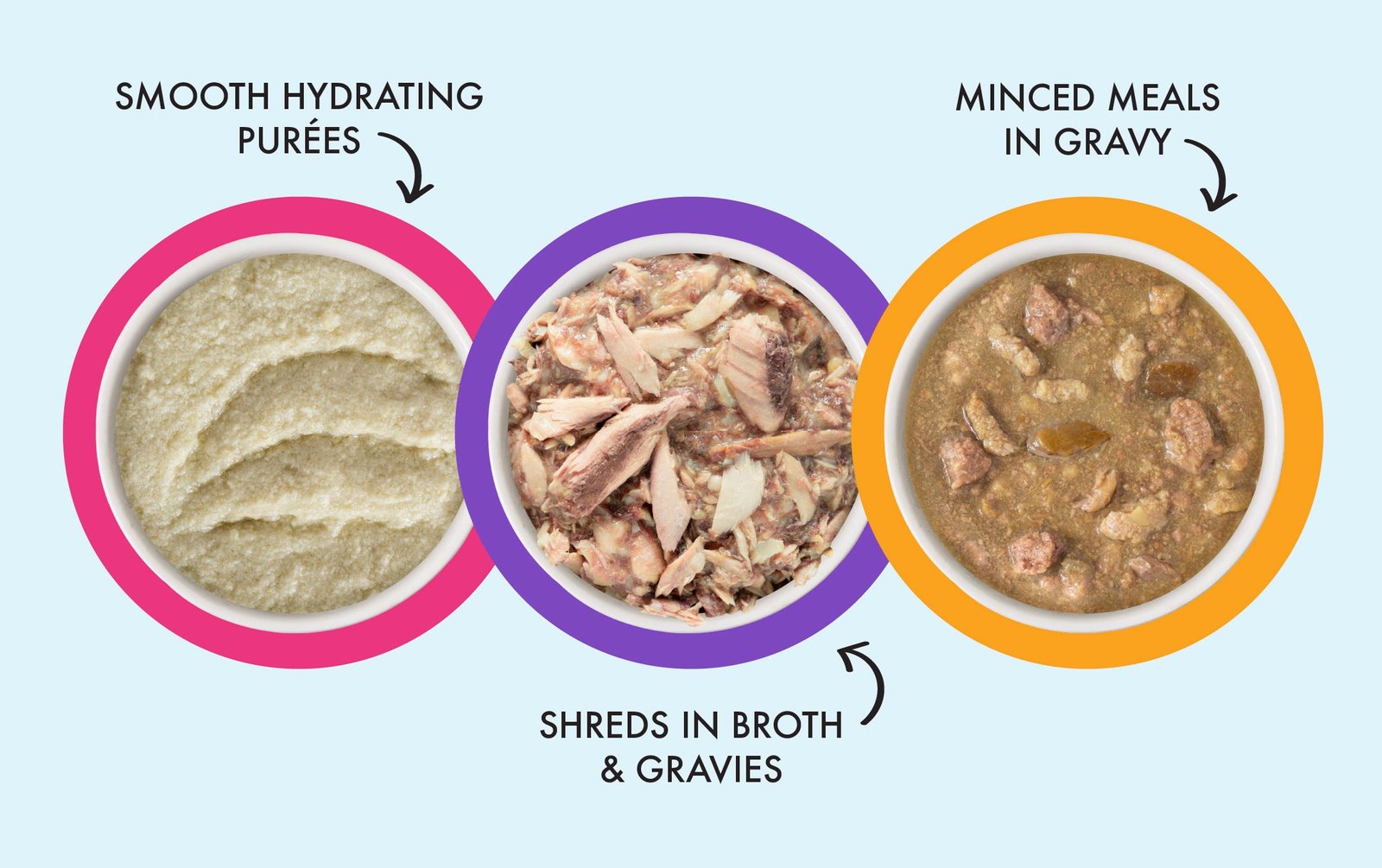
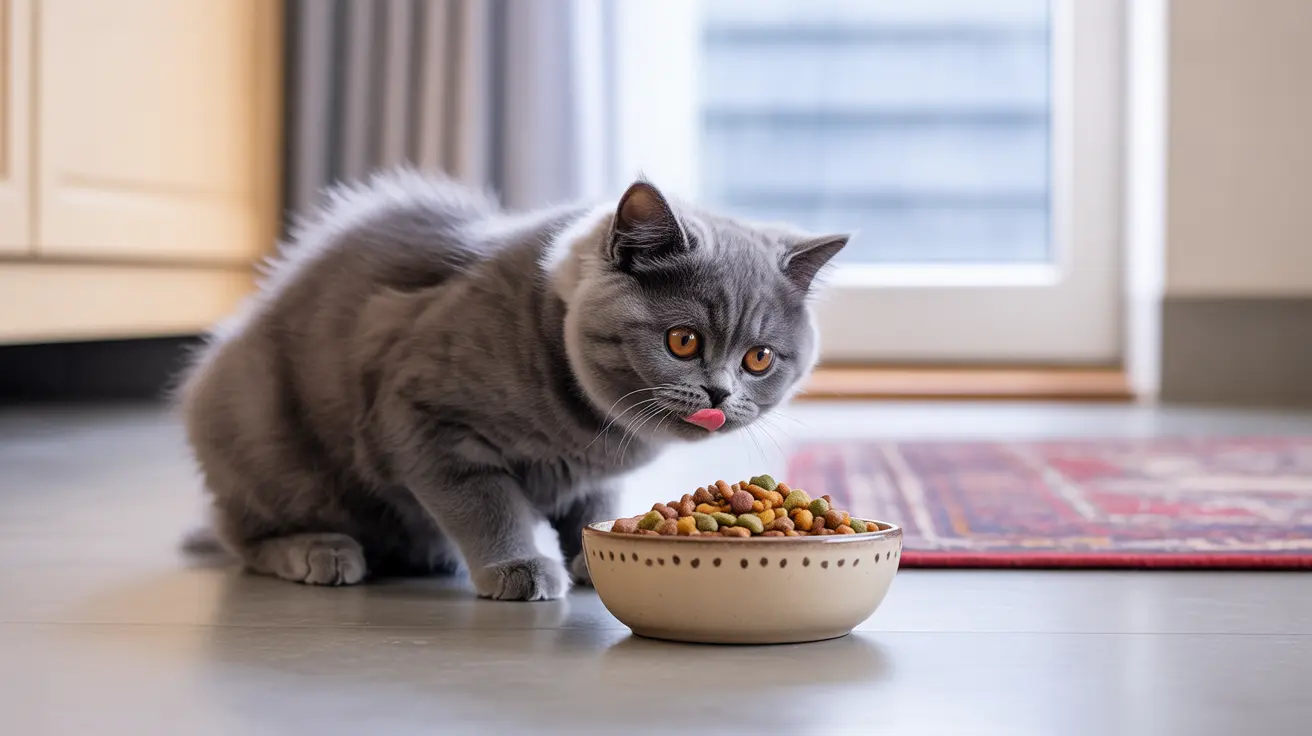
Both wet and dry foods have pros and cons for kittens. Wet food helps keep your kitten hydrated and is easier to chew, which is great for very young or picky eaters. Dry food is convenient, helps with dental health, and can be left out longer without spoiling.
You might find that mixing both types gives your kitten variety and balances benefits. Pay attention to how your kitten reacts—do they prefer one texture over the other? Adjust their diet based on their preferences and nutritional needs.

Credit: www.petscare.com
Feeding Tips For Growing Kittens
Feeding growing kittens properly is essential for their health and development. You want to provide the right nutrients without overfeeding or underfeeding. Paying attention to how often, how much, and what you feed can make a big difference in your kitten’s growth journey.
Meal Frequency
Kittens have small stomachs and high energy needs, so they need to eat more often than adult cats. Aim to feed your kitten 3 to 4 small meals a dayuntil they are about six months old.
This frequent feeding helps keep their energy steady and supports rapid growth. Have you noticed how hungry kittens get quickly? Smaller, regular meals prevent them from feeling too hungry or overeating in one go.
Portion Control
It’s tempting to give your kitten lots of food, but too much can lead to weight gain and health problems. Follow the feeding guidelines on kitten food packaging, but adjust based on your kitten’s appetite and activity level.
Use a measuring cup to serve consistent portions. If your kitten seems too hungry or too full, tweak the amount rather than the frequency. Have you tracked your kitten’s portions daily? It helps avoid accidental overfeeding.
Monitoring Weight And Health
Regularly check your kitten’s weight and body condition. A healthy kitten should feel firm but not bony, with ribs you can feel under a slight layer of fat.
Keep an eye on their energy, coat condition, and bathroom habits as signs of overall health. If you notice sudden weight changes or unusual behavior, consult your vet promptly. Are you keeping a feeding and health diary? It can reveal patterns and alert you to problems early.
Credit: www.petscare.com
Frequently Asked Questions
Is Adult Cat Food Safe For Kittens To Eat?
Adult cat food lacks essential nutrients for kittens, like higher protein and fat. It’s not ideal for their growth and development.
What Happens If Kittens Eat Adult Cat Food Regularly?
Kittens may experience poor growth, weak immunity, and nutritional deficiencies if fed only adult cat food.
Can Adult Cat Food Cause Digestive Issues In Kittens?
Yes, adult cat food can upset a kitten’s sensitive digestive system, causing diarrhea or stomach discomfort.
When Should Kittens Switch To Adult Cat Food?
Kittens should transition to adult food around 12 months old, once they reach full maturity.
Conclusion
Feeding kittens adult cat food isn't ideal. Their nutritional needs differ. Kittens require more protein and fats. Their growth demands higher calories. Adult food lacks these essentials. It can lead to health issues. Poor growth, weak bones, and low energy.
Always choose kitten-specific food. It supports their development. Consult your vet for guidance. They can recommend the best diet. A healthy start ensures a happy life. Prioritize your kitten's health today. Proper nutrition is key. Keep them active and playful.
Always aim for their well-being. Remember, a balanced diet makes a difference. Your kitten deserves the best.