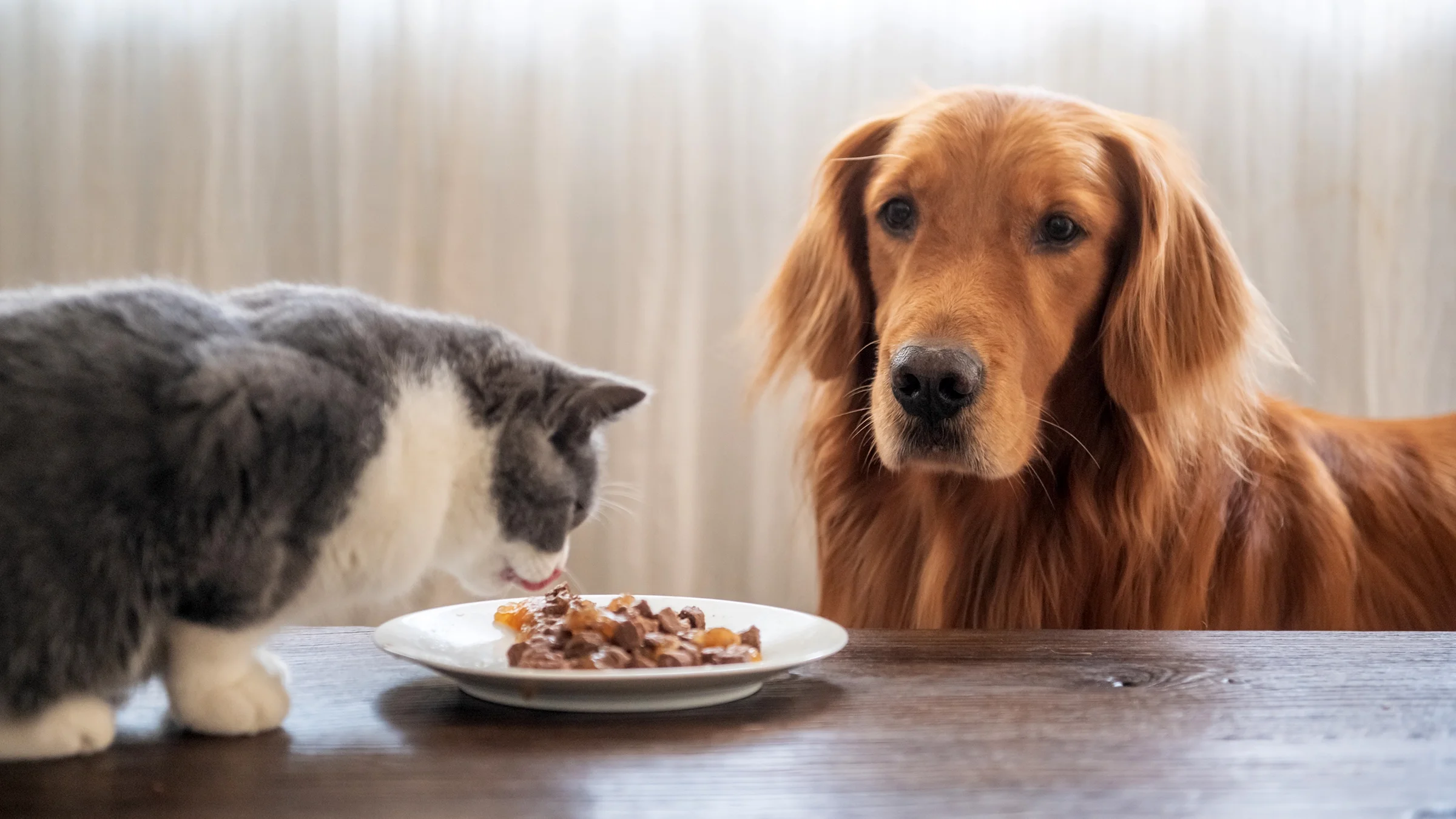
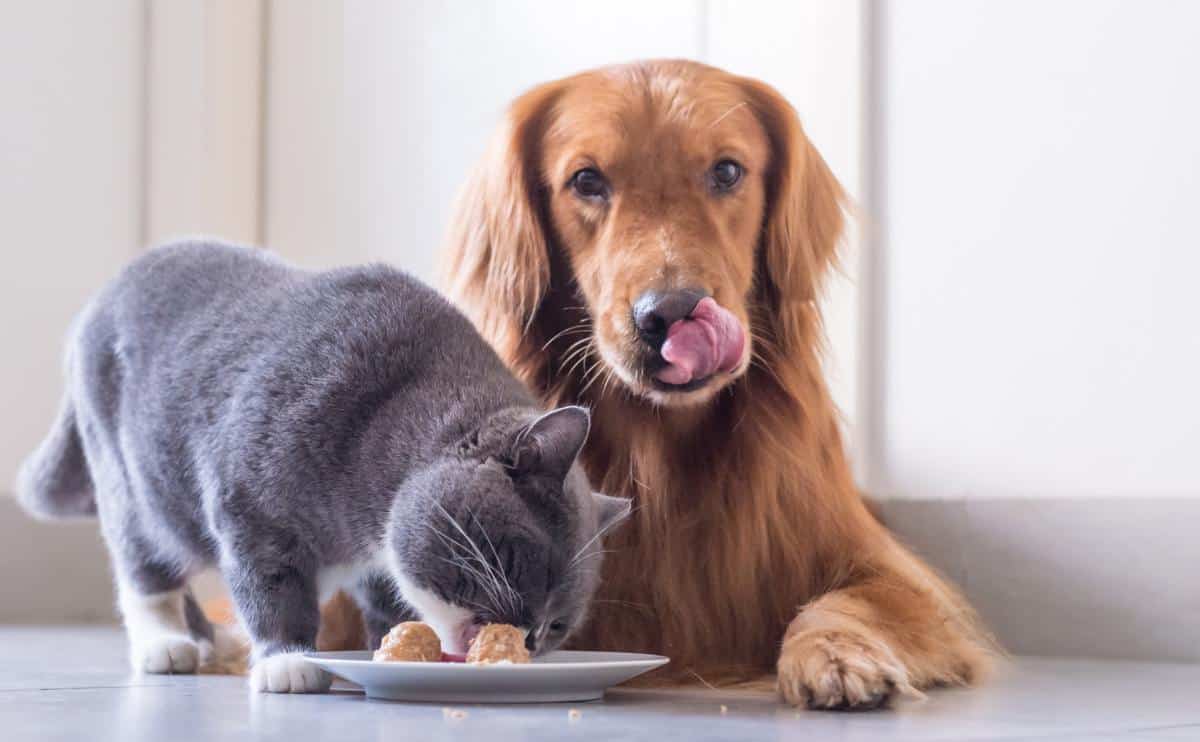
Have you ever caught your dog sneaking a bite of your cat’s food and wondered if it’s harmful? It’s a common scene in many homes, but is it really safe for your furry friend?
Understanding what happens when your dog eats cat food can help you protect their health and avoid unexpected vet visits. Keep reading to find out why cat food and dog food are different, what risks are involved, and how you can keep both your pets happy and healthy.
Credit: www.caninejournal.com
Differences Between Dog And Cat Food
Dogs and cats have very different diets. Their food reflects these differences. Knowing what makes dog and cat food unique helps understand why feeding cat food to dogs is not ideal.
Nutritional Needs Of Dogs
Dogs need a balanced diet with proteins, fats, and carbohydrates. They require less protein than cats. Dogs also need fiber for digestion. Vitamins and minerals support their overall health. Dogs can digest plant-based ingredients better than cats.
Nutritional Needs Of Cats
Cats are obligate carnivores. They must eat meat to survive. Cat diets need higher protein and fat levels. Cats require specific nutrients like taurine and arachidonic acid. These nutrients support heart and eye health. Cats cannot get these from plants or grains.
Key Ingredients In Cat Food
- High protein content from animal sources
- Taurine, an essential amino acid
- Arachidonic acid, a vital fatty acid
- Vitamin A in active form
- Minimal carbohydrates and fiber
Cat food is rich in meat and low in plant fillers. This makes it unsuitable for dogs over time.
Potential Risks Of Dogs Eating Cat Food
Dogs eating cat food may face several health risks. Cat food has a different mix of nutrients made for cats, not dogs. Eating cat food often can cause problems for your dog’s health.
Digestive Issues
Dog stomachs are not designed for cat food. Cat food is richer and heavier, which can upset their stomach. Dogs may experience vomiting, diarrhea, or gas. These issues happen because their digestive system struggles with the extra fat and protein. Occasional snacking might be fine, but regular eating can cause serious discomfort.
Nutritional Imbalance
Cat food contains more protein and fat than dog food. Dogs need a balanced diet with specific nutrients for their health. Eating cat food regularly can lead to an unbalanced diet. Too much protein and fat can harm organs like the liver and kidneys. A diet lacking in essential vitamins and minerals can weaken your dog’s immune system.
Long-term Health Concerns
Regular consumption of cat food may cause long-term health problems. Obesity is common because cat food is calorie-dense. Extra weight puts strain on joints and the heart. Kidney and liver damage can happen from too much protein and fat. Over time, your dog’s overall health and lifespan may decline.
Why Dogs Are Attracted To Cat Food
Have you ever noticed your dog sneaking a bite of cat food when you're not looking? This common behavior can leave you wondering why dogs find cat food so irresistible. Understanding the reasons behind this attraction can help you manage their diet better and keep them healthy.
Taste And Smell Factors
Cat food is designed to be rich in fats and proteins, making it highly flavorful and aromatic. Dogs have a keen sense of smell, and the strong scent of cat food naturally draws them in.
Unlike dog food, cat food often contains more meat-based ingredients, which can taste more appealing to your dog’s palate. This intense flavor profile can make it hard for your dog to resist, even if they are not hungry.
Behavioral Reasons
Dogs are opportunistic eaters and tend to explore new food sources whenever they get the chance. If cat food is left accessible, your dog may see it as an easy snack or a special treat.
Sometimes, dogs copy the behavior of cats in the household, trying to eat what they see their feline friends enjoying. This mimicry can be a way for your dog to engage or seek attention.
Have you noticed your dog acting sneaky or excited around the cat’s food bowl? This behavior could signal that they are driven more by curiosity and desire than by hunger alone.
What To Do If Your Dog Eats Cat Food
Discovering that your dog has eaten cat food can be concerning. It’s important to act quickly and calmly to protect your pet’s health. Understanding the right steps to take can make a significant difference in preventing any complications.
Immediate Steps To Take
First, remove any remaining cat food to prevent your dog from eating more. Check the amount your dog consumed; a small nibble is usually less worrisome than a large meal. You can offer fresh water to help dilute the food in their stomach.
Observe your dog closely for any unusual behavior like vomiting, diarrhea, or lethargy. Sometimes, cat food’s high protein and fat content can upset a dog’s stomach. Keep your dog calm and comfortable during this time.
When To Contact A Veterinarian
Contact your vet if your dog shows signs of illness or if they ate a large quantity of cat food. Symptoms like persistent vomiting, diarrhea, or difficulty breathing require immediate attention. Also, if your dog has a pre-existing health condition, it’s better to err on the side of caution.
Don’t hesitate to call your vet for advice even if symptoms seem mild. They can guide you based on your dog’s size, age, and health status. Remember, timely action can prevent minor issues from becoming serious problems.
Preventing Dogs From Eating Cat Food
Preventing dogs from eating cat food is important for their health. Cat food has more fat and protein than dog food. Dogs eating cat food might get upset stomachs or gain weight. Stopping dogs from eating cat food protects their digestion and nutrition.
Feeding Strategies
Feed your dog and cat at different times to avoid competition. Offer meals in separate bowls and places. Keep a consistent feeding schedule for both pets. Remove leftover cat food quickly after meal times. Use high-quality dog food to keep your dog satisfied.
Safe Feeding Zones
Create specific areas for your cat to eat. Use baby gates or barriers to block your dog's access. Place the cat’s bowl on a high shelf or counter. This keeps the cat food out of the dog’s reach. Make the cat’s feeding spot quiet and safe to encourage eating there.
Training Tips
Teach your dog the “leave it” command to ignore cat food. Reward your dog with treats for good behavior around cat food. Use a leash during feeding times to control your dog’s movement. Practice patience and consistency with training sessions. Redirect your dog’s attention to their own food or toys.

Credit: www.lilyskitchen.co.uk
Occasional Cat Food Snacks: Is It Harmful?
Wondering if giving your dog a little cat food now and then could cause harm? Many pet owners have found themselves facing this question, especially when their dog sneaks a bite from the cat’s bowl. While occasional snacking on cat food may not cause immediate danger, it’s important to understand the possible short-term effects and explore safer treat options.
Short-term Effects
Cat food contains higher protein and fat levels than dog food because cats have different nutritional needs. A small amount of cat food might not upset your dog, but eating too much can lead to digestive problems like vomiting or diarrhea.
Some dogs might experience mild stomach discomfort or loose stools after eating cat food. You might notice your dog acting a bit sluggish or showing signs of an upset stomach. These effects usually pass quickly, but they can be unpleasant for your pet.
Have you ever noticed your dog begging for cat food? It’s tempting to share, but remember that repeated exposure could cause more serious issues over time.
Safe Treat Alternatives
Instead of risking digestive upset, consider offering treats formulated specifically for dogs. These treats provide the right balance of nutrients and are easier on your dog's stomach.
- Small pieces of cooked chicken or turkey
- Carrot sticks or apple slices (without seeds)
- Commercial dog treats designed for training or rewards
Offering these alternatives can satisfy your dog’s curiosity without risking health problems. You’ll feel better knowing you’re giving your dog safe, tasty rewards that support their wellbeing.

Credit: www.lilyskitchen.co.uk
Frequently Asked Questions
Can Dogs Eat Cat Food Occasionally Without Harm?
Dogs can eat cat food once in a while without serious harm. However, cat food is richer in protein and fat, which might upset a dog’s stomach or cause weight gain if fed regularly.
Why Is Cat Food Not Suitable For Dogs Daily?
Cat food contains higher protein and fat levels tailored for cats. Feeding it daily to dogs can lead to nutritional imbalances and health issues like obesity and pancreatitis.
What Symptoms Show If Dogs Eat Too Much Cat Food?
If dogs eat excessive cat food, symptoms may include vomiting, diarrhea, or stomach upset. Long-term effects can include weight gain and digestive problems.
Can Eating Cat Food Cause Allergies In Dogs?
Yes, some dogs may develop allergies from ingredients in cat food. These allergies can cause itching, skin irritation, or digestive upset.
Conclusion
Dogs eating cat food now and then is not ideal. Cat food has more protein and fat than dogs need. This can cause stomach upset or weight gain in dogs. Feeding dogs their own balanced food is best for their health.
Keep cat food out of your dog’s reach. Watch your pets closely during mealtime. This helps avoid any food mix-ups or health problems. Careful feeding keeps both pets happy and healthy. Your dog will thank you for the right food.