If you have a senior cat, you want the best for their health and happiness. One question you might be asking is: Is high protein cat food good for older cats?
The answer isn’t always simple, but understanding how protein affects your cat’s aging body can make a big difference. You want to give your furry friend the right nutrition to keep them active and feeling great. Keep reading to discover what experts say about protein for senior cats and how to choose the best food that suits your cat’s unique needs.
Your cat’s golden years deserve the best care, and this guide will help you provide just that.
Why Protein Matters For Senior Cats
Understanding why protein is important for senior cats can change how you care for your furry friend as they age. Protein supports many vital functions in the body, and its role becomes even more critical as cats grow older. You might wonder if feeding a high protein diet is really the best choice for your senior cat's health and vitality.
Role Of Protein In Aging Cats
Protein helps maintain muscle mass, which naturally declines with age. Without enough protein, senior cats can lose strength and mobility, affecting their quality of life.
Protein also supports the immune system. Older cats often face more health challenges, so having a strong immune defense is essential.
I noticed my own senior cat became more active and playful after switching to a diet richer in protein. It made me realize how crucial protein is for keeping them energetic and healthy.
Protein Needs Compared To Younger Cats
Senior cats usually need just as much, if not more, protein than younger cats. Their bodies are less efficient at processing nutrients, so they require higher quality protein sources.
Unlike younger cats that use protein primarily for growth, older cats use it to repair tissues and maintain organ function. This means their diet should focus on easy-to-digest, high-quality proteins.
Have you checked the protein content on your cat’s food label recently? Choosing formulas designed for seniors with adequate protein can make a big difference in their overall health.
Benefits Of High Protein Diets
High protein diets offer many benefits for senior cats. Protein helps keep their body strong and healthy. As cats age, their nutritional needs change. Protein supports many vital functions that slow down over time. Feeding senior cats a high protein diet can improve their quality of life and overall health.
Maintaining Muscle Mass
Protein is essential for building and maintaining muscles. Older cats tend to lose muscle as they age. A high protein diet helps slow muscle loss and keeps them active. Strong muscles support better movement and reduce injury risks.
Supporting Immune Function
Proteins play a key role in the immune system. They help create antibodies to fight diseases and infections. Senior cats benefit from extra protein to keep their immune defenses strong. This helps them stay healthier for longer.
Enhancing Energy Levels
Protein provides energy that senior cats need daily. It supports metabolism and helps maintain vitality. Cats on high protein diets often show more energy and alertness. This can lead to a happier and more playful pet.
Potential Risks And Considerations
Feeding senior cats high protein food can offer benefits, but it’s important to be aware of some potential risks and key factors before making changes to their diet. Older cats have unique health needs, and what works for one may not suit another. Understanding these risks helps you make informed choices for your cat’s well-being.
Kidney Health Concerns
High protein diets can strain the kidneys, especially in senior cats with existing kidney issues. Cats with chronic kidney disease may struggle to process excess protein, leading to toxin buildup in their bodies.
Have you checked your cat’s kidney function with a vet before switching to high protein food? Regular blood tests can help you catch early signs of kidney stress.
Some vets recommend moderate protein levels tailored to your cat’s kidney health rather than very high protein amounts. Always balance protein intake with your cat’s individual health status.
Balancing Nutrients
High protein food isn’t just about protein; it also needs the right balance of fats, vitamins, and minerals. Too much protein without enough other nutrients can cause digestive problems or nutrient imbalances.
Look for senior cat foods labeled “complete and balanced” to ensure they cover all nutritional bases. You might also want to add supplements like omega-3 fatty acids to support joint and brain health.
Have you noticed changes in your cat’s energy or coat condition after changing their food? These signs can indicate nutrient imbalances that need adjustment.
Monitoring Weight And Health
Senior cats can lose muscle mass or gain unhealthy fat, so keeping an eye on their weight is crucial. High protein diets can help maintain muscle, but overfeeding may lead to obesity.
Weigh your cat regularly and watch for changes in appetite, activity level, or litter box habits. These are clues to how well their diet is working.
Consult your vet if you see rapid weight loss, lethargy, or digestive issues. Early intervention can prevent bigger health problems down the road.
Credit: www.businessinsider.com
Choosing The Right High Protein Cat Food
Choosing the right high protein cat food for your senior cat is crucial to support their changing nutritional needs. Not all high protein foods are created equal, and understanding what to look for can make a big difference in your cat’s health and happiness. Let’s dive into how you can make the best choice for your furry friend.
Quality Of Protein Sources
Not all proteins are the same. Look for cat food where the main protein comes from real meat, like chicken, turkey, or fish, rather than by-products or fillers.
High-quality proteins provide essential amino acids that help maintain muscle mass and support organ function in senior cats. If you’ve noticed your cat slowing down or losing muscle, switching to a better protein source might help.
Have you checked if the food lists specific meats instead of vague terms like “meat meal”? Specific ingredients usually mean higher quality.
Reading Labels Effectively
Labels can be confusing, but learning to read them can save your cat from poor nutrition. The first few ingredients matter most, so make sure protein-rich items lead the list.
Watch out for hidden fillers like corn, wheat, or soy, which add calories but little nutrition. These can be harder for senior cats to digest and may cause weight gain or allergies.
Consider the guaranteed analysis too. Protein percentage should be higher than fat and carbohydrates, but balance is key to avoid kidney stress.
Consulting With A Veterinarian
Your vet knows your cat’s health history and can recommend the best diet. Before making any switch, ask about the protein levels suited for your cat’s age and medical conditions.
Some senior cats have kidney issues or other ailments that require a special diet. Your vet can help you find a high protein cat food that supports your cat without causing harm.
Have you ever tried changing your cat’s diet without advice? It’s easy to overlook health risks, so professional guidance is always worth it.
Tips For Transitioning To High Protein Food
Switching your senior cat to high protein food takes care and patience. Sudden changes can upset their stomach or cause refusal to eat. Follow these simple tips to help your cat adapt smoothly to the new diet.
Gradual Diet Changes
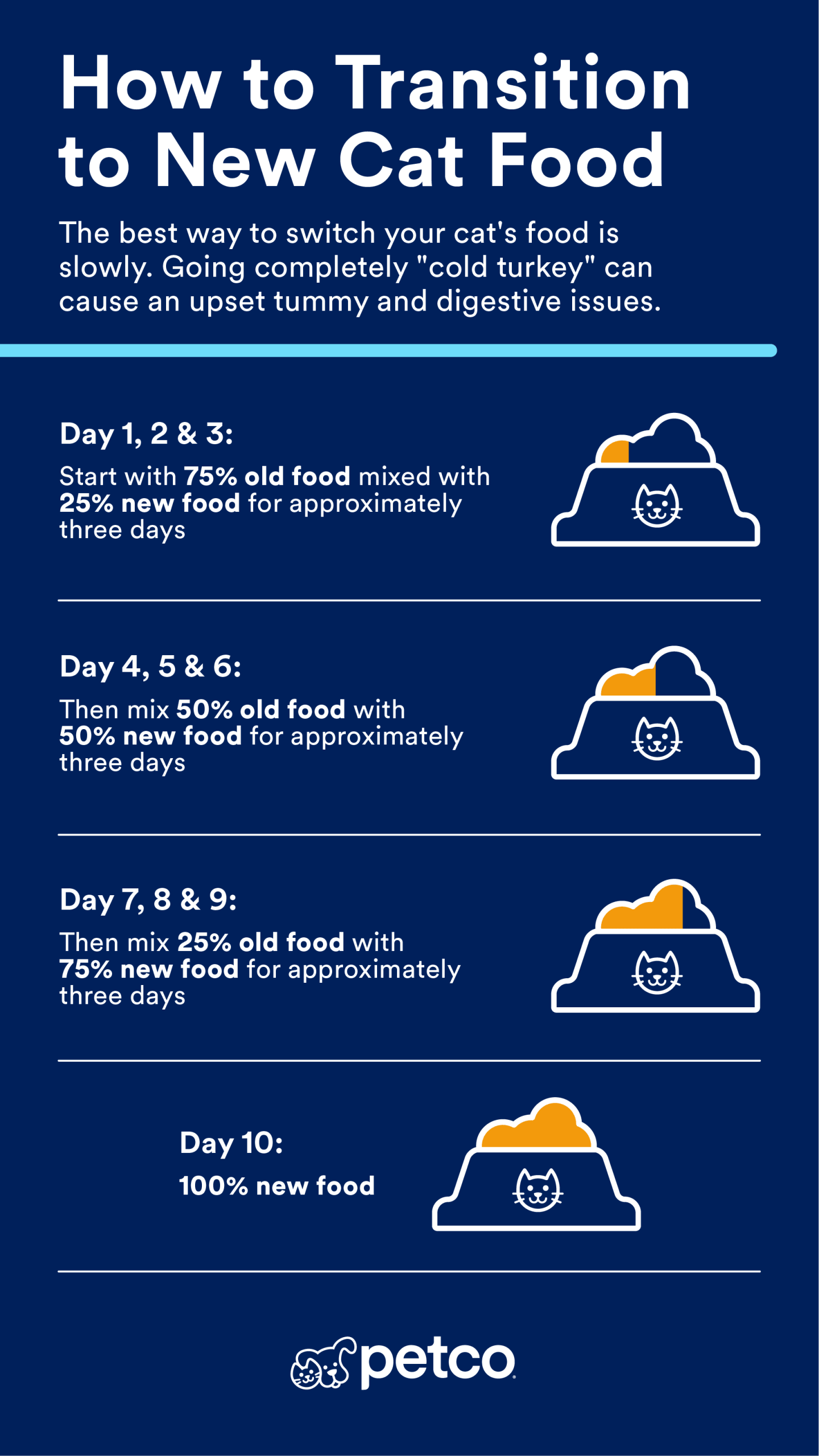
Mix the new high protein food with your cat’s current food. Start with a small amount, about 10% new food and 90% old food. Increase the new food portion slowly over 7 to 10 days. Watch for signs of digestive upset like vomiting or diarrhea. This slow change helps your cat’s system adjust.
Observing Cat’s Response
Pay close attention to your cat’s eating habits and energy levels. Note any changes in bathroom habits or behavior. If your cat seems less active or refuses food, slow the transition. Look for signs of improvement like better coat shine and increased playfulness. Adjust the pace based on your cat’s comfort.
Adjusting Portions As Needed
Senior cats have different calorie needs, so tailor portions carefully. Use feeding guidelines on the food package as a starting point. Adjust portions based on your cat’s weight and activity level. Consult your vet if unsure about the right amount. Proper portion control avoids overeating or nutrient gaps.
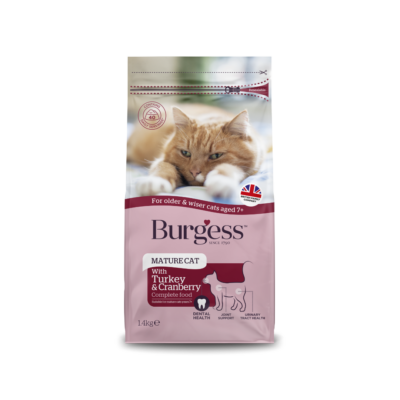
Credit: www.burgesspetcare.com

Credit: www.petfoodprocessing.net
Frequently Asked Questions
Is High Protein Cat Food Safe For Senior Cats?
Yes, high protein cat food is generally safe for senior cats. It supports muscle maintenance and overall health. However, consult your vet to ensure it meets your cat’s specific health needs, especially if they have kidney or other chronic issues.
How Does Protein Benefit Senior Cats?
Protein helps senior cats maintain muscle mass and energy levels. It supports immune function and keeps their coat healthy. As cats age, adequate protein intake becomes essential for their vitality and overall well-being.
Can High Protein Diets Harm Older Cats?
High protein diets rarely harm healthy senior cats. But those with kidney or liver problems might need a moderated protein intake. Always seek veterinary advice before changing your cat’s diet to avoid any health risks.
What Protein Sources Are Best For Senior Cats?
Animal-based proteins like chicken, turkey, and fish are best for senior cats. These sources provide essential amino acids for muscle repair and energy. Avoid plant-based proteins as they are less digestible for cats.
Conclusion
High protein cat food can benefit senior cats. It supports muscle maintenance. Vital for energy and overall health. Consult your vet before making changes. Every cat is unique. Some may need different diets. Observe your cat's response to new food.
Adjust as needed. Prioritize your cat's well-being. Balanced nutrition is key. Keep your feline friend healthy and happy.