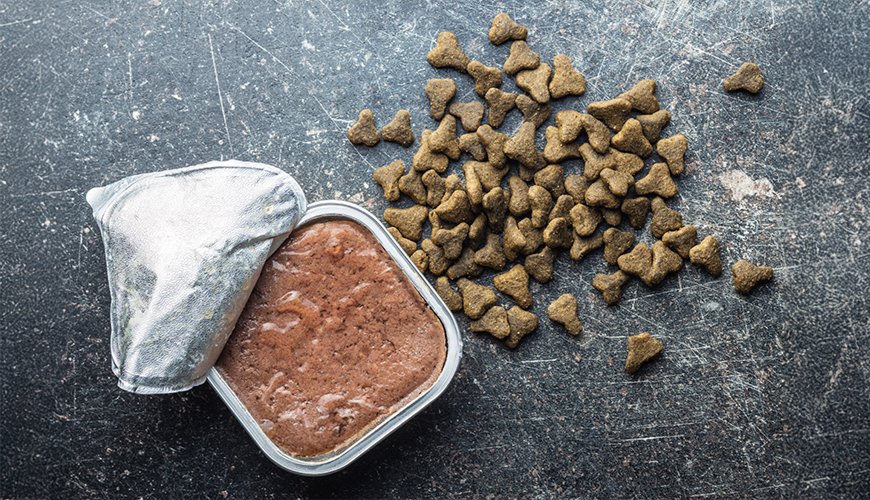
Choosing the right food for your cat can feel confusing. You want what’s best for your furry friend’s health and happiness, but should you pick dry food or wet food?
Each option has its own benefits and drawbacks, and what works for one cat might not suit another. By understanding the key differences, you’ll be able to make a smart choice that keeps your cat thriving. Keep reading to discover which type of food could be the perfect fit for your cat’s needs.
Nutritional Differences
Understanding the nutritional differences between dry and wet cat food helps pet owners make better choices. Both types offer distinct benefits and vary in key nutrients. These differences affect your cat’s health and energy.
Moisture Content
Wet food contains about 75-85% water. This helps keep cats hydrated. Dry food has only 6-10% moisture. Cats eating dry food need extra water from bowls or fountains. Moisture in wet food supports kidney health and urinary tract function.
Calorie Density
Dry food is more calorie-dense than wet food. Cats can eat less dry food to get the same calories. Wet food has fewer calories per gram. This can help control weight in cats that eat too much. Calorie needs vary by age, activity, and health.
Protein And Fat Levels
Wet food usually has higher protein and fat levels. Protein is vital for muscle maintenance and energy. Fat provides essential fatty acids and improves taste. Dry food may have more carbohydrates. Cats need a diet rich in animal protein for optimal health.
Health Benefits
Choosing between dry and wet food for your cat can directly impact their health. Each type offers unique benefits that affect hydration, weight, and dental care. Understanding these differences helps you make informed choices to keep your feline friend thriving.
Hydration And Urinary Health
Wet food naturally contains a high water content, which helps keep your cat hydrated. Cats often don’t drink enough water, so wet food can support urinary tract health and reduce the risk of infections.
Dry food, on the other hand, has minimal moisture. If you feed mostly dry food, you need to encourage your cat to drink more water. Have you noticed your cat drinking less when on dry food? That could affect their kidney and bladder health over time.
Weight Management
Wet food generally has fewer calories per serving than dry food, making it easier to control portion sizes. This is especially useful if your cat needs to lose weight or maintain a healthy size.
Dry food is calorie-dense and convenient but can lead to overeating if not measured carefully. Do you track your cat’s portions daily? Monitoring intake is key to preventing obesity.
Dental Care
Dry food is often praised for helping reduce plaque buildup because of its crunchy texture. However, it’s not a substitute for regular dental care like brushing or professional cleanings.
Wet food doesn’t provide that abrasive action, but it doesn’t necessarily cause more dental problems if your cat receives proper oral hygiene. How often do you check your cat’s teeth? Combining feeding with dental care routines is essential.
Convenience And Storage
Convenience and storage play a big role in choosing between dry and wet cat food. Knowing how each type stores and fits your routine helps in making the best choice. Some foods last longer and are easier to handle. Others might need special care but offer different benefits.
Shelf Life
Dry cat food has a longer shelf life than wet food. It can last for months if kept in a cool, dry place. Once opened, dry food stays fresh for several weeks if sealed well. Wet cat food has a shorter shelf life. Open cans or pouches must be used quickly or stored in the fridge. Usually, wet food lasts only a day or two after opening.
Feeding Flexibility
Dry food allows easy portion control. You can measure out meals and leave them for your cat to nibble during the day. Wet food needs to be served fresh each time. It suits cats who prefer smaller, more frequent meals. Some cats enjoy a mix of both to keep meals interesting.
Portability
Dry food is lightweight and easy to carry. It is perfect for travel or visits to the vet. You can bring the exact amount your cat needs. Wet food is heavier and bulkier due to cans or pouches. It requires careful handling to avoid spills. Refrigeration might be needed if feeding away from home.

Credit: www.purina.com
Cost Considerations
Cost plays a big role when choosing between dry and wet cat food. It’s not just about the price tag on the bag or can, but also what you spend over time. Thinking about both upfront costs and ongoing expenses helps you decide what fits your budget and your cat’s needs.
Initial Purchase Price
Dry food usually costs less per serving than wet food. You can buy a large bag of dry food that lasts weeks, making it feel like a better deal upfront. Wet food cans or pouches tend to be pricier, especially if you feed your cat multiple times a day.
However, cheaper dry food might not always offer the best nutrition. Sometimes spending a bit more initially on quality food can save you money on vet bills later. Have you ever chosen a cheap option only to switch later because your cat didn’t thrive?
Long-term Expenses
Wet food often leads to higher ongoing costs because of portion size and feeding frequency. Your cat might need several cans daily, which adds up quickly. Dry food is more calorie-dense, so you usually feed less by volume, stretching your budget further.
But consider water intake and health too. Cats on dry food might drink more water or develop urinary issues, potentially increasing vet visits. Feeding wet food could reduce these risks, possibly lowering medical expenses over time.
Ask yourself: Are you prepared for higher monthly food costs if it means better health for your cat? Balancing price with your cat’s well-being might make wet food worth the extra expense. What’s your priority—saving money now or preventing costly health problems later?
Cat Preferences And Behavior
Your cat’s food preferences and behavior can reveal a lot about whether dry or wet food suits them better. Each cat has unique tastes and habits that influence what they enjoy and how they eat. Paying attention to these details helps you choose a diet that keeps your feline friend happy and healthy.
Taste And Texture
Cats can be surprisingly picky about the taste and texture of their food. Some cats prefer the crunch of dry kibble, which can satisfy their natural urge to chew. Others favor the softness and moisture of wet food, especially if they have dental issues or enjoy a more aromatic meal.
Think about your cat’s reaction when you switch foods. Do they eagerly dive into the wet food but barely nibble on dry? Or do they seem to enjoy the crunch and move away from the canned options? These preferences can guide your feeding choices.
Eating Habits
Your cat’s eating habits also play a key role in deciding between dry and wet food. Some cats like to graze throughout the day, making dry food a convenient option since it stays fresh longer. Others prefer scheduled meals and may benefit from wet food portions that feel more like a treat.
Notice how fast your cat eats. Rapid eaters might choke on dry kibble but handle wet food more comfortably. Conversely, slow eaters might appreciate the ability to munch on dry food at their own pace without it spoiling.
Ask yourself: Does your cat’s behavior suggest they need more moisture in their diet? Watching their preferences closely can help you tailor their meals to fit their natural instincts and lifestyle.
Credit: www.purina.com
Common Myths
Many pet owners hear different stories about cat food. Some are true, but others are myths. These myths can confuse decisions about feeding cats. It is important to separate facts from fiction for your cat’s health.
Dry Food Causes Dehydration
Many think dry food makes cats thirsty and dehydrated. Cats on dry food do drink more water. But dry food does not cause dehydration by itself.
Cats naturally get some moisture from wet food. Dry food has less moisture, so cats must drink more water. If cats have fresh water always available, they stay well hydrated. Dehydration happens if cats do not drink enough water, no matter the food type.
Wet Food Prevents Dental Issues
Some believe wet food cleans cat teeth better than dry food. Chewing dry kibble can help reduce tartar. Wet food is soft and does not clean teeth.
Dental health depends on many things like genetics and oral care. Regular brushing and vet check-ups are key. Wet food alone does not prevent dental problems. It is a myth that wet food keeps teeth clean better.
Choosing The Right Food
Choosing the right food for your cat can feel overwhelming, especially with so many options available. The decision isn’t just about picking between dry or wet food; it’s about matching your cat’s unique needs. Understanding factors like age, health, and lifestyle helps you make a choice that supports their wellbeing every day.
Age And Health Conditions
Your cat’s age plays a big role in what food suits them best. Kittens need nutrient-rich meals that support growth, while older cats may require diets that help with joint health or kidney function.
Health conditions also influence food choice. Cats with urinary issues often benefit from wet food because it adds moisture, which helps prevent crystals. If your cat has dental problems, soft wet food might be easier to eat.
Lifestyle And Activity Level
Think about how active your cat is. Indoor cats who move less might need fewer calories and prefer dry food to maintain dental health. Outdoor or highly active cats often need more energy, making wet food’s higher protein and moisture content a good match.
Your cat’s eating habits also matter. Some cats graze throughout the day, which suits dry food better, while others prefer a few set meals, where wet food can be more satisfying.
Consulting A Veterinarian
Have you talked to your vet about your cat’s diet? A veterinarian can provide tailored advice based on your cat’s health history and nutritional needs.
They can also recommend specific brands or formulas, ensuring your cat gets the right balance of nutrients. Never hesitate to ask questions—you’re their best advocate for good health.

Credit: www.youtube.com
Mixing Dry And Wet Food
Mixing dry and wet food can offer your cat a balanced diet while keeping mealtime interesting. Combining both types allows you to enjoy the convenience of dry food and the moisture benefits of wet food. But how do you do it right?
Benefits Of Combination Feeding
Feeding your cat both dry and wet food provides a range of nutritional advantages. Wet food helps keep your cat hydrated, which is especially important if your cat doesn’t drink enough water. Dry food, on the other hand, supports dental health by helping reduce plaque buildup.
Offering a mix also adds variety to your cat’s meals, which can prevent boredom and picky eating. Your cat can enjoy different textures and flavors, making mealtime more exciting. Plus, it can be a great way to manage your budget by balancing the cost of wet food with more affordable dry food.
How To Transition Safely
Sudden changes in diet can upset your cat’s stomach. To avoid this, introduce the new food gradually over 7 to 10 days. Start by mixing a small amount of wet food into their dry food and slowly increase the wet portion each day.
Watch for any signs of digestive issues like vomiting or diarrhea during the transition. If you notice problems, slow down the introduction process or consult your vet. Remember, patience is key to helping your cat adjust comfortably to the new feeding routine.
Frequently Asked Questions
Is Dry Food Or Wet Food Healthier For Cats?
Wet food generally contains more moisture, aiding hydration and urinary health. Dry food supports dental health but can be less hydrating. A balanced diet combining both types often benefits cats most.
Can Dry Food Cause Dehydration In Cats?
Yes, dry food has low moisture content, which may lead to dehydration if cats don't drink enough water. Providing fresh water and wet food helps maintain proper hydration.
Which Food Type Helps With Cat Dental Health?
Dry food can help reduce plaque buildup due to its crunchy texture. However, it should not replace regular dental care or vet check-ups.
Is Wet Food Better For Older Cats?
Wet food is easier to chew and digest, making it ideal for older cats with dental issues or reduced appetite. It also promotes hydration.
Conclusion
Choosing between dry and wet cat food depends on your pet's needs. Both options have benefits. Dry food is convenient and supports dental health. Wet food provides hydration and is often tastier. Observe your cat's preferences and health. Consult your vet for the best advice.
A balanced diet keeps your cat healthy and happy. Stay attentive to any changes in behavior or health. Adjust feeding choices as necessary. Your cat's well-being is the priority. Make informed decisions for your furry friend.