Have you ever wondered what happens if your dog accidentally licks or swallows dish soap? As a pet owner, your dog’s safety is your top priority, and the idea of them ingesting something harmful can be terrifying.
You might be asking yourself, “Is dish soap toxic to dogs if ingested? ” Understanding the risks and knowing what steps to take can make all the difference. You’ll discover the truth about dish soap and your furry friend’s health, so you can protect your dog and stay calm in case of an emergency.
Keep reading to learn everything you need to know.

Credit: prideandgroom.com
Dish Soap Ingredients
Understanding what goes into dish soap can help you assess the risks if your dog accidentally ingests some. Not all ingredients pose the same level of danger, and some are surprisingly safer than others. Knowing these details puts you in a better position to act quickly and confidently.
Common Chemicals In Dish Soap
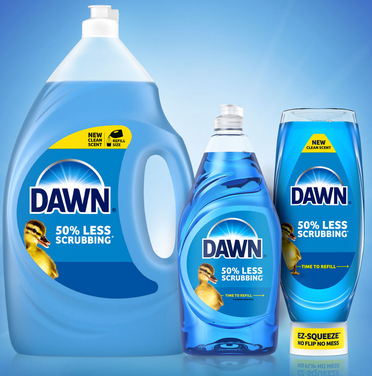
Dish soaps often contain a mix of cleaning agents and additives designed to cut grease and create suds. Here are some usual suspects:
- Surfactants:These are the main cleaning agents that break down oils and dirt. Examples include sodium lauryl sulfate and sodium laureth sulfate.
- Fragrances:Added to make the soap smell fresh, but they can be irritants or allergens.
- Preservatives:Ingredients like methylisothiazolinone prevent bacterial growth in the soap itself.
- Colorants:These give dish soap its appealing color but serve no cleaning purpose.
- pH Adjusters:Such as citric acid, which keep the formula stable and effective.
Seeing these names on a label might feel overwhelming, but not all chemicals are equally harmful to dogs.
Toxic Vs. Non-toxic Components
Some ingredients in dish soap can cause mild stomach upset, while others may lead to serious health issues if ingested by your dog. It’s crucial to distinguish which ones fall into each category.
| Toxic Components | Possible Effects on Dogs | Non-Toxic Components | Why They Are Safer |
|---|---|---|---|
| Sodium Lauryl Sulfate (SLS) | Can cause nausea, vomiting, and diarrhea | Citric Acid | Generally safe in small amounts, used to balance pH |
| Fragrances and Dyes | May trigger allergic reactions or oral irritation | Water | Harmless and dilutes other ingredients |
| Methylisothiazolinone | Potential neurotoxin and allergen | Plant-Based Surfactants | Less irritating and biodegradable |
Have you checked your dish soap’s label lately? Sometimes, switching to a product with fewer harsh chemicals can reduce the risk if your dog gets curious. Remember, even non-toxic ingredients can cause discomfort, so always keep dish soap out of your pet’s reach.
Effects Of Ingesting Dish Soap
Ingesting dish soap can affect dogs in different ways. The effects depend on how much soap was swallowed and the dog's size. Some dogs show only mild signs, while others may face serious health risks. Understanding these symptoms helps in spotting trouble early and seeking help fast.
Mild Symptoms In Dogs
Small amounts of dish soap may cause mild symptoms. These include:
- Vomiting
- Diarrhea
- Excessive drooling
- Stomach upset
- Lethargy or tiredness
These signs usually appear soon after ingestion. Most dogs recover with proper care and hydration.
Severe Reactions And Risks
Large amounts or certain soap ingredients can cause serious problems. Watch for:
- Difficulty breathing
- Severe vomiting or diarrhea
- Foaming at the mouth
- Signs of pain or distress
- Swelling in the mouth or throat
- Unusual behavior or collapse
These symptoms require urgent veterinary attention. Dish soap contains chemicals that can harm the digestive tract and other organs. Quick action can prevent complications and save your dog’s life.
Immediate Actions To Take
Acting quickly after a dog swallows dish soap can reduce harm. Knowing what to do right away helps protect your pet’s health. Some steps can be done at home, but others need expert help.
First Aid Steps At Home
- Remove any remaining soap from your dog’s mouth gently.
- Offer small amounts of water to rinse the mouth and dilute the soap.
- Watch for signs like drooling, vomiting, or trouble breathing.
- Keep your dog calm and quiet to avoid stress.
- Do not induce vomiting unless a vet tells you to do so.
When To Seek Veterinary Care
- If your dog shows persistent vomiting or diarrhea, call the vet immediately.
- Difficulty breathing or swelling around the mouth needs urgent care.
- Loss of coordination or unusual behavior requires prompt veterinary attention.
- Bring the soap container to the vet to identify the ingredients.
- Follow all vet instructions carefully for your dog’s recovery.

Credit: pawscanada.ca
Preventing Accidental Ingestion
Preventing your dog from accidentally ingesting dish soap is crucial for their safety. Dogs are naturally curious and often explore the world with their mouths. Taking simple steps to keep dish soap out of reach can save you from a stressful emergency visit to the vet.
Safe Storage Tips
Always store dish soap in high cabinets or locked cupboards that your dog cannot access. If you use a pump bottle, make sure it is tightly closed and placed away from edges where your dog might knock it over.
Consider using childproof locks on cabinets containing cleaning products. This small step can prevent your dog from getting into dangerous substances when you're not around.
Have you checked recently if your storage spots are truly dog-proof? Sometimes, even a small gap can be enough for a clever dog to get inside.
Training And Supervision Strategies
Teach your dog the "leave it" command to discourage them from sniffing or licking household products. Consistent training helps your dog understand what is off-limits and keeps them safer.
Always supervise your dog during cleaning times. Dogs are often attracted to the scent of soaps and detergents, so keeping an eye on them can prevent accidental ingestion.
If your dog has a habit of chewing or exploring, provide safe chew toys and distractions during chores. Redirecting their attention can reduce the risk of them getting into harmful substances.
Alternatives To Dish Soap For Pets
Choosing the right cleaning products for your pet’s environment is crucial, especially if you’re concerned about the toxicity of dish soap. Many traditional dish soaps contain chemicals that can be harmful if your dog accidentally ingests them. Luckily, there are safer options you can use that keep your pet healthy and your home clean.
Pet-safe Cleaning Products
Pet-safe cleaning products are designed specifically with your furry friend’s safety in mind. These products avoid harsh chemicals like phosphates, ammonia, and artificial fragrances that can irritate your pet’s skin or cause digestive issues if licked or ingested.
Look for labels that say “non-toxic” or “safe for pets.” Brands like Simple Solutionand Nature’s Miracleoffer effective cleaners that tackle messes without risking your dog’s health.
Have you ever checked the ingredients on your cleaning bottle while your pet watches curiously? That quick habit can prevent unwanted health problems.
Natural Cleaning Solutions
Natural ingredients such as vinegar, baking soda, and lemon juice can be powerful cleaners without the risks associated with synthetic chemicals. For example, a mixture of white vinegar and water can clean surfaces and deodorize areas where your dog spends time.
Baking soda sprinkled on carpets or pet bedding absorbs odors naturally and can be vacuumed away easily. These ingredients are often already in your kitchen, making them convenient and budget-friendly.
Why not try creating a homemade cleaner for your dog’s toys or feeding areas? It’s simple, safe, and you’ll have peace of mind knowing exactly what’s in it.

Credit: www.yahoo.com
Frequently Asked Questions
Is Dish Soap Poisonous To Dogs If Swallowed?
Dish soap can be mildly toxic to dogs if ingested in small amounts. It may cause vomiting or diarrhea. Large quantities can lead to more severe symptoms and require veterinary attention.
What Symptoms Show After Dogs Ingest Dish Soap?
Dogs may exhibit vomiting, diarrhea, drooling, or lethargy after swallowing dish soap. In severe cases, breathing difficulties or seizures can occur. Immediate veterinary care is advised if symptoms worsen.
How To Treat A Dog That Ate Dish Soap?
If your dog ingests dish soap, rinse their mouth with water and monitor closely. Contact your vet immediately for guidance. Do not induce vomiting unless instructed by a professional.
Can Dish Soap Cause Long-term Harm To Dogs?
Small exposures to dish soap usually do not cause lasting harm. However, repeated or large ingestions can damage organs. Prompt veterinary treatment reduces the risk of complications.
Conclusion
Dish soap can pose a risk to dogs if ingested. Symptoms like vomiting and diarrhea may occur. Always store dish soap out of your pet's reach. Act quickly if your dog swallows dish soap. Contact your vet immediately for advice.
Prevention is key. Ensure safe habits at home. Teach children about pet safety. A few precautions can protect your furry friend. Your dog's health is a priority. Stay informed and vigilant. Your awareness can prevent accidents. Keep your household pet-friendly.
Safety starts with knowledge.