Are you a cat owner looking for ways to keep your home smelling fresh and clean? If so, you might have heard about using baking soda in cat litter.
It's a common household item known for its odor-fighting properties. But before you sprinkle it into your kitty’s litter box, you might be wondering: is baking soda safe for your furry friend? Understanding what’s best for your pet is crucial, and making an informed decision can help ensure their safety and comfort.
We’ll delve into the truth behind baking soda in cat litter. You’ll discover the potential benefits, risks, and what experts have to say. Keep reading to find out if this simple solution is right for you and your feline companion.
Baking Soda And Cat Litter Basics
Understanding the basics of baking soda and cat litter can help you decide if adding baking soda to your cat's litter box is a good idea. Both have unique properties that affect odor control and your cat's comfort. Knowing these details can save you time and prevent potential health issues for your furry friend.
Common Uses Of Baking Soda
Baking soda is famous for its ability to neutralize odors. You might have seen it used in refrigerators, trash cans, or even shoes to keep smells at bay. Many pet owners consider adding it to cat litter to reduce the strong ammonia smell from cat urine.
Besides odor control, baking soda can act as a mild abrasive and cleaning agent. However, it's important to remember that baking soda is not a disinfectant. Using it in your cat's litter box can help with smell but won’t kill bacteria or germs.
Types Of Cat Litter
There are several types of cat litter, each with pros and cons depending on your cat’s needs and your preferences. The most common types include:
- Clumping clay litter:Forms solid clumps when wet, making it easy to scoop.
- Non-clumping clay litter:Absorbs moisture but doesn’t clump, requiring full litter changes more often.
- Silica gel litter:Controls odor well and lasts longer but can be dusty.
- Natural or biodegradable litter:Made from materials like corn, wheat, or pine, offering an eco-friendly choice.
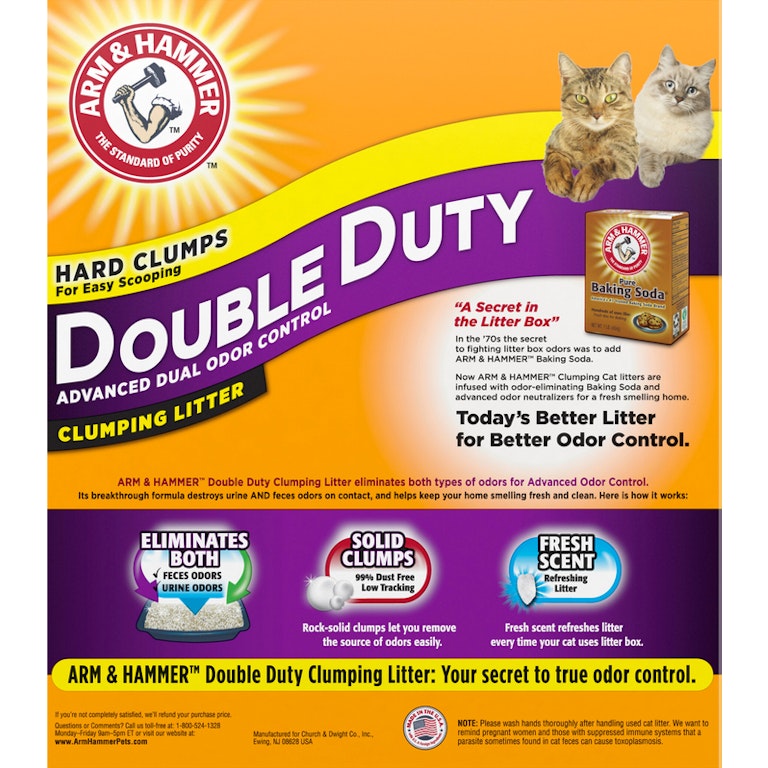
Each type interacts differently with additives like baking soda. For example, clumping litters might not mix well with baking soda, affecting clump formation. Have you noticed how your cat reacts when you change the type of litter or add something new? Their comfort should always guide your choices.
Credit: www.petscare.com
Benefits Of Adding Baking Soda
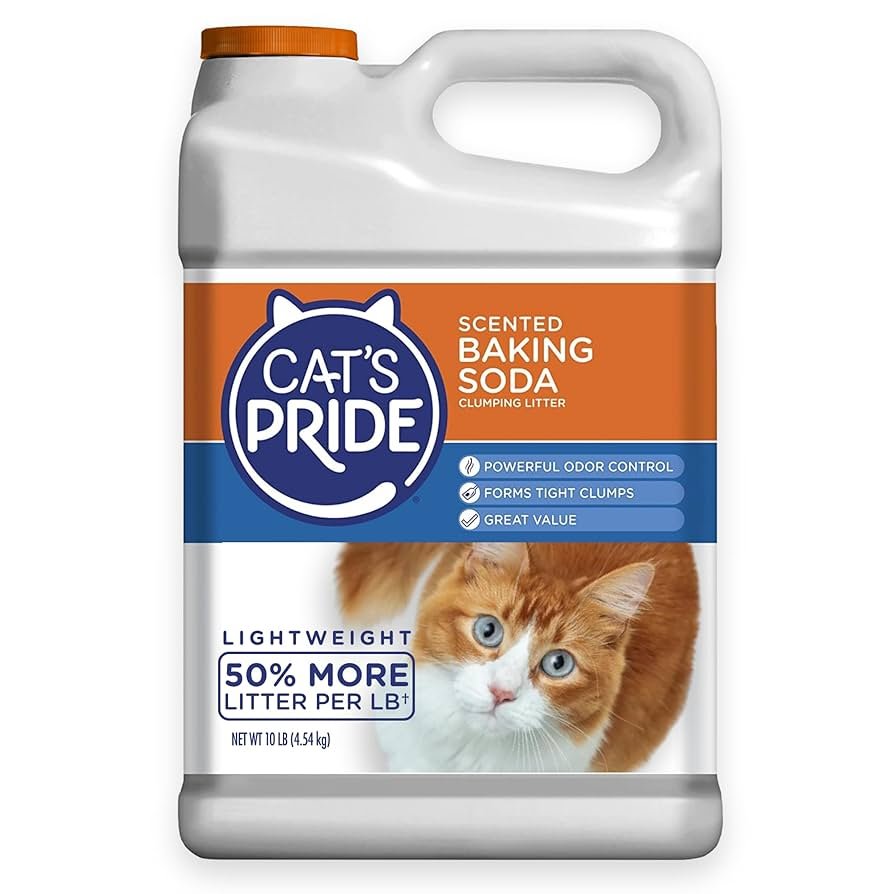
Adding baking soda to your cat’s litter can bring noticeable benefits that make both you and your feline friend happier. It’s a simple addition that can improve the litter box experience without causing harm. Let’s look at why baking soda is a popular choice for enhancing cat litter.
Odor Control Properties
Baking soda naturally neutralizes odors instead of just masking them. When added to cat litter, it helps absorb and reduce unpleasant smells, keeping the area fresher for longer. Have you noticed how baking soda works wonders in your fridge? The same principle applies here, making your home more inviting.
Cost-effectiveness
Buying special litter deodorizers can get expensive quickly. Baking soda, however, is affordable and widely available, making it a budget-friendly option. You can add a small amount to the litter without worrying about extra costs piling up.
Ease Of Use
Sprinkling baking soda into the litter box requires no special tools or complicated steps. Just a light dusting before or after filling the box is enough to start reducing odors. This ease means you’re more likely to keep up with regular maintenance, benefiting both you and your cat.
Potential Risks To Cats
Adding baking soda to cat litter might seem like a good idea to control odors, but it’s important to consider how it could affect your cat’s health. While baking soda is generally safe for humans, cats have different sensitivities. Understanding the potential risks helps you make smarter choices for your feline friend’s comfort and safety.
Toxicity Concerns
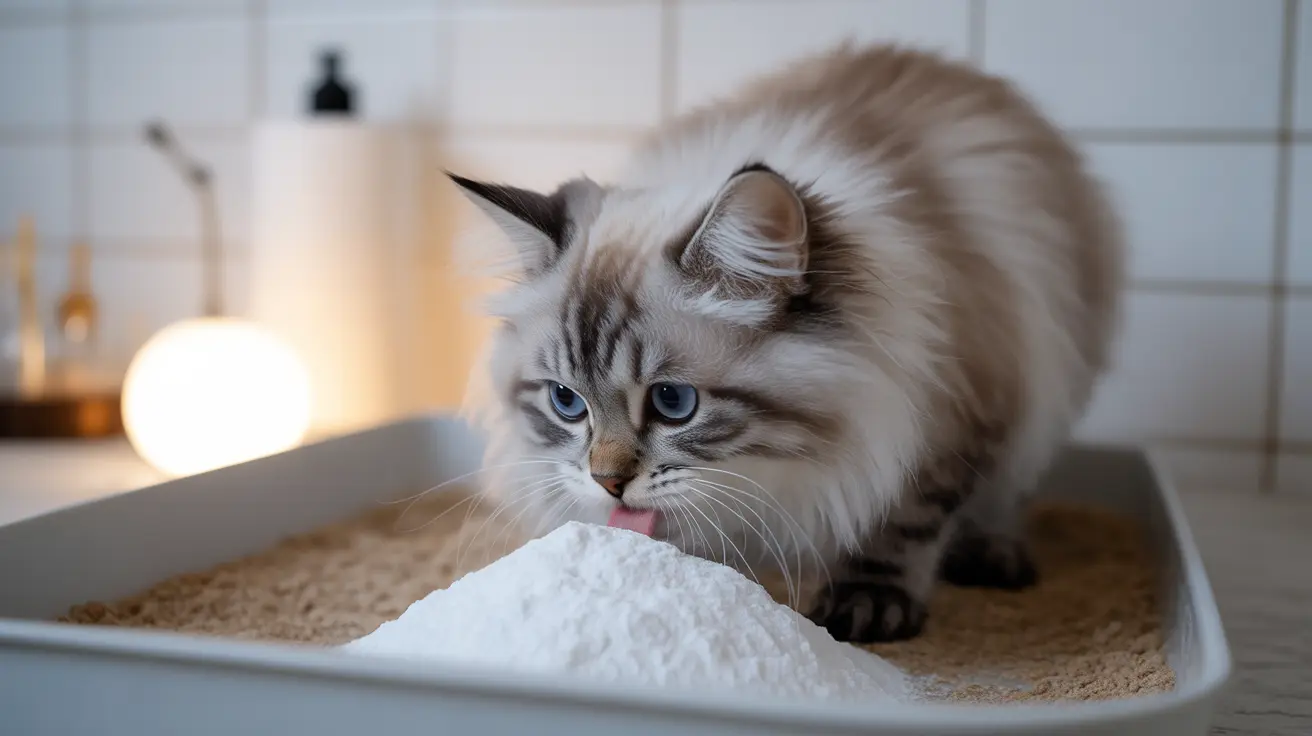
Baking soda contains sodium bicarbonate, which can be harmful if ingested in large amounts. Cats are curious creatures and may lick their paws or the litter itself, potentially swallowing some baking soda. Even small amounts can cause stomach upset, vomiting, or diarrhea.
Have you noticed your cat licking the litter? If yes, it’s a sign to think twice before adding baking soda. Always watch for unusual symptoms after changing litter formulations.
Allergic Reactions
Some cats develop allergic reactions to substances in their environment, including additives like baking soda. Symptoms may include itching, redness, and skin irritation around the paws or rear end. These reactions might make your cat avoid the litter box altogether.
If your cat starts scratching more or shows discomfort, consider removing baking soda from the litter. Allergies can be subtle but impact your cat’s daily well-being significantly.
Respiratory Issues
Fine baking soda particles can become airborne when your cat digs or scratches in the litter box. Inhaling these particles may irritate your cat’s nose and lungs, especially if they have pre-existing respiratory problems. This can lead to coughing, sneezing, or labored breathing.
Have you observed your cat sneezing near the litter box? It could be a sign of respiratory irritation from baking soda dust. Choosing low-dust litter and avoiding additives like baking soda can protect your cat’s sensitive respiratory system.
Credit: www.gianteagle.com
Expert Opinions On Safety
Experts have varying opinions on the safety of adding baking soda to cat litter. Understanding what veterinarians and animal behaviorists say can help you decide if it’s a good choice for your cat’s hygiene and health. Let’s look closer at their views to help you make an informed decision.
Veterinarian Recommendations
Many veterinarians caution against using baking soda directly in cat litter. They point out that while baking soda can neutralize odors, it may irritate your cat’s sensitive paws and respiratory system. Cats often dig and kick litter around, which can release baking soda particles into the air, potentially causing sneezing or coughing.
Some vets suggest using it sparingly or opting for litter products that already contain safe odor control ingredients. If you notice your cat sneezing or avoiding the litter box after you add baking soda, it might be time to stop. Your cat’s comfort and health should always come first.
Animal Behaviorist Views
Animal behaviorists focus on how baking soda might affect your cat’s litter box habits. Cats are very particular about their litter environment, and changes in texture or smell can cause them to avoid using the box. Baking soda might alter the litter’s smell in a way that some cats find unpleasant.
Behaviorists recommend observing your cat closely after adding baking soda. If your feline friend starts to show signs of stress or changes their bathroom routine, consider removing the baking soda. Maintaining a clean, comfortable litter box is key to preventing litter box avoidance and related behavior problems.
Safe Alternatives For Odor Control
Controlling odors in your cat’s litter box is crucial for both your comfort and your pet’s health. While baking soda is often suggested, it’s important to consider safer alternatives that won’t irritate your cat or disrupt the litter's natural properties. Here are some effective options to keep the smell at bay without risking your feline friend’s well-being.
Natural Deodorizers
Many cat owners have found success using natural deodorizers that are gentle yet effective. Activated charcoal, for instance, absorbs odors without adding chemicals. You can place a small pouch near the litter box to help keep the air fresh.
Another option is dried herbs like lavender or chamomile, which offer a mild scent that can mask unpleasant smells. Just sprinkle a little on top of the litter, but be sure your cat doesn’t have allergies to any plants you use.
Have you tried coconut charcoal? It works well and is safe for pets, which is something I learned after noticing my cat's discomfort with some scented products.
Commercial Products
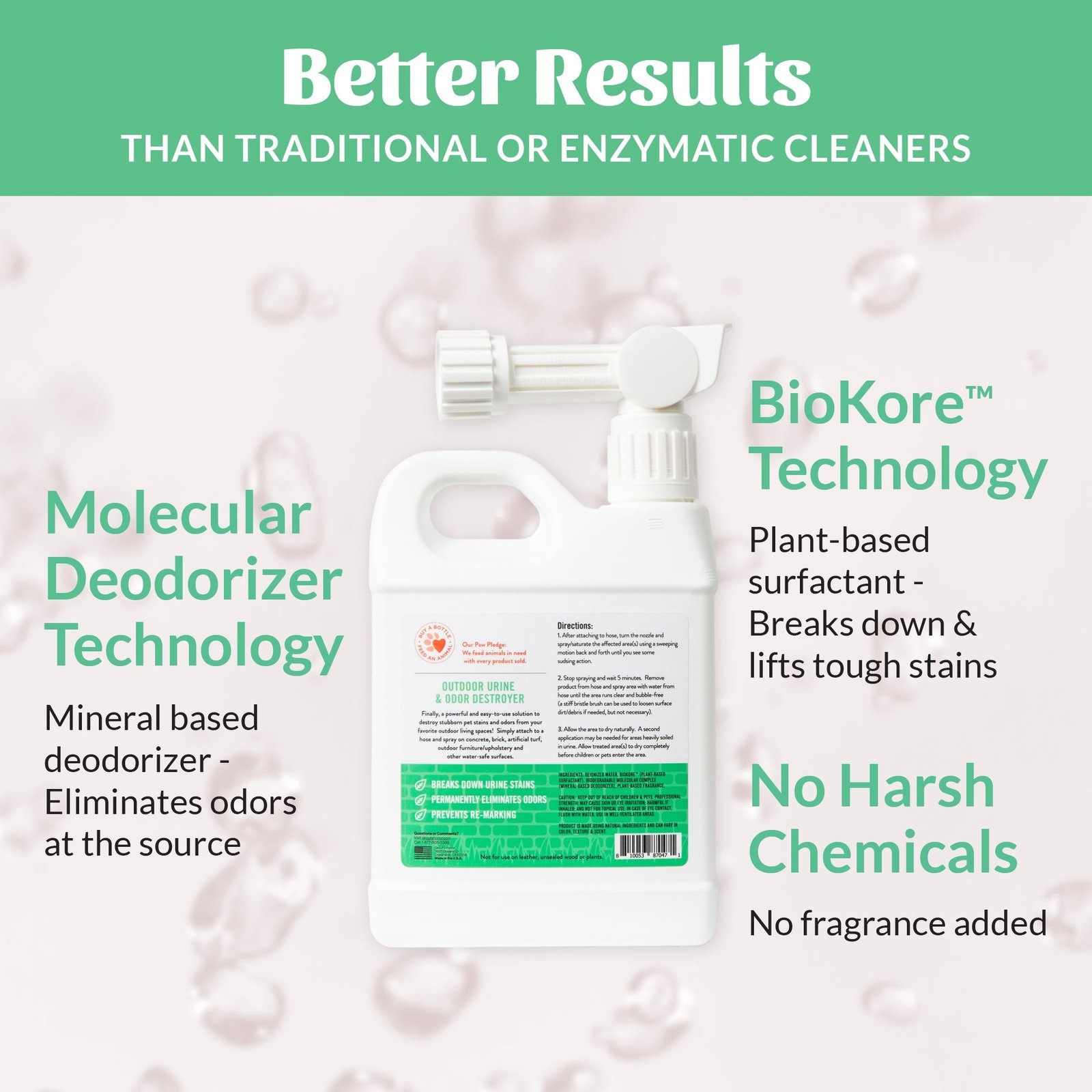
Several commercial odor control products are designed specifically for cat litter boxes. Look for ones labeled as pet-safe and free from harsh chemicals. These often contain enzymes that break down odor-causing bacteria naturally.
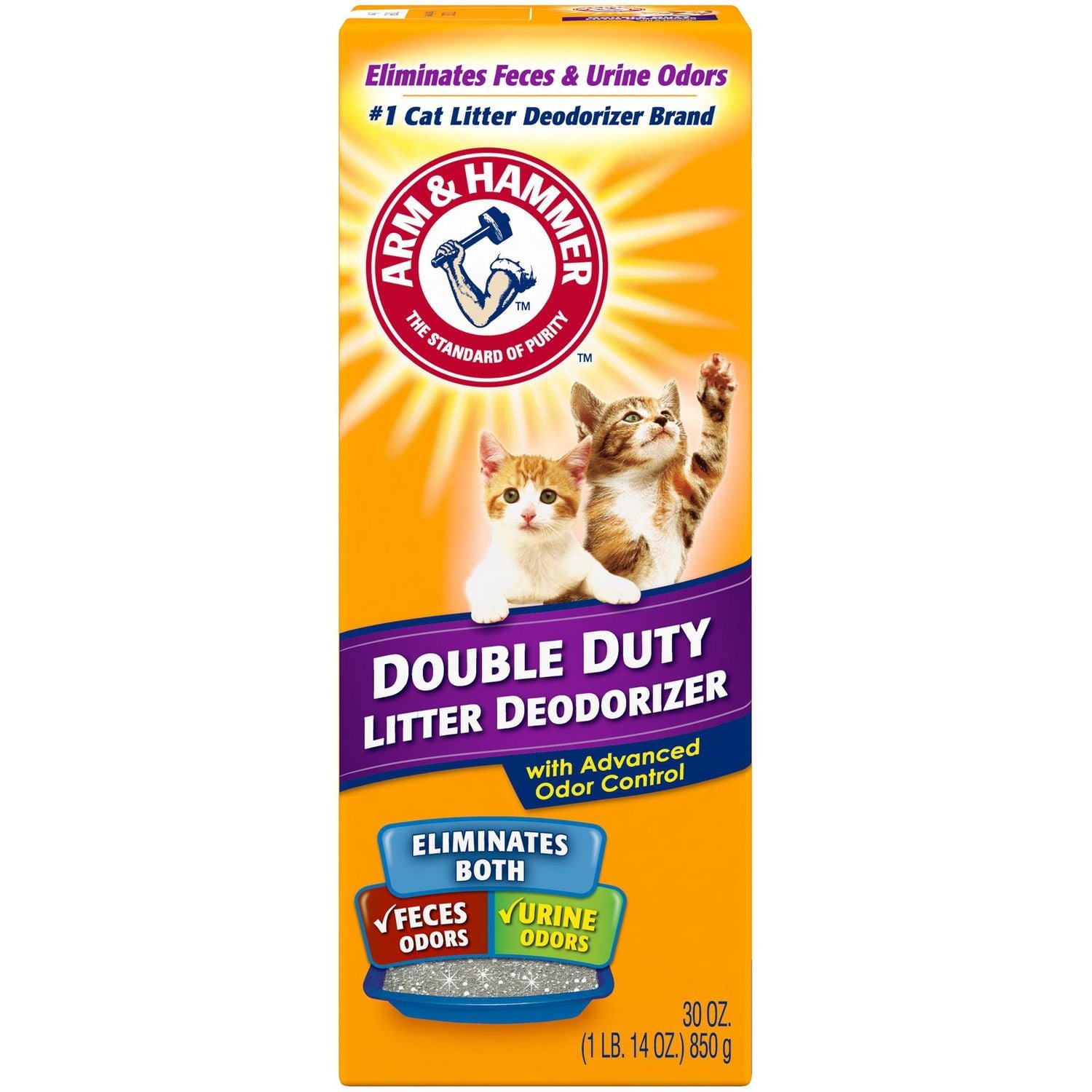
Some brands offer litter additives that you simply mix into the existing litter. These can be easier to use than replacing the entire litter and still provide effective odor control.
Before choosing a product, check reviews from other cat owners. Their experiences can guide you to options that really work without causing issues for your cat.
Proper Use And Precautions
Using baking soda in your cat’s litter can be helpful for controlling odors, but it’s important to use it correctly to keep your furry friend safe. Baking soda is generally safe when used in small amounts, but improper use can cause irritation or other health issues. Understanding the right dosage, watching your cat’s health, and knowing when to avoid baking soda will help you maintain a fresh litter box without risking your pet’s well-being.
Dosage Guidelines
Less is more when it comes to baking soda in cat litter. Start by sprinkling about one to two tablespoons of baking soda per litter box. Mixing it gently with the litter helps it absorb odors without clumping or creating a dusty environment.
Avoid adding large quantities; too much baking soda can irritate your cat’s paws or respiratory system. If your cat seems sensitive, reduce the amount or try a natural alternative. You want to keep the litter box fresh, but never at the cost of your cat’s comfort.
Monitoring Cat Health
Pay close attention to changes in your cat’s behavior or health after adding baking soda. Watch for sneezing, coughing, paw licking, or any signs of skin irritation. These symptoms can indicate sensitivity or an allergic reaction.
It’s a good idea to check the litter box regularly for excessive dust or clumping caused by baking soda. If your cat starts avoiding the litter box, this could be a sign that the baking soda is bothering them. Always prioritize your cat’s comfort over odor control.
When To Avoid Baking Soda
Do not use baking soda if your cat has respiratory issues like asthma or a history of allergies. The fine particles can worsen breathing problems. Also, avoid baking soda if your cat has sensitive skin or paws, as it may cause irritation.
If you notice any unusual symptoms after introducing baking soda, stop using it immediately. Instead, consider safer odor control options like activated charcoal or natural litter additives designed specifically for cats. Your cat’s health should always guide your choices.

Credit: www.amazon.com
Frequently Asked Questions
Is Baking Soda Safe For Cat Litter Boxes?
Yes, baking soda is generally safe for cat litter. It helps control odors without harmful chemicals. Use it sparingly to avoid respiratory irritation in sensitive cats.
How Does Baking Soda Control Cat Litter Odor?
Baking soda neutralizes acidic odors by balancing pH levels. This reduces unpleasant smells naturally. It is an effective, non-toxic deodorizer for litter boxes.
Can Baking Soda Harm My Cat’s Health?
In small amounts, baking soda is safe for cats. However, excessive inhalation or ingestion can cause digestive or respiratory issues. Always use it cautiously and monitor your pet.
How Much Baking Soda Should I Add To Cat Litter?
Add 1 to 2 tablespoons of baking soda per litter box. Sprinkle it evenly under the litter layer. Avoid using too much to prevent dust and irritation.
Conclusion
Baking soda can help control odor in cat litter safely. Use it in small amounts to avoid any risks to your cat. Always watch your pet’s behavior after adding baking soda. Choose natural, unscented baking soda for the best results.
Keep your cat's health and comfort as the top priority. Clean the litter box regularly to keep it fresh and safe. Simple steps can make a big difference in your cat’s environment. Try baking soda carefully and see how it works for you.