If your cat has a rodent ulcer, you probably want to help them feel better as soon as possible. These painful sores can make your furry friend uncomfortable, and seeing them suffer is hard for any pet owner.
The good news is, there are simple steps you can take at home to treat rodent ulcers and speed up healing. You’ll discover easy, effective ways to care for your cat and protect their health. Keep reading to learn how you can make a real difference in your cat’s recovery today.
Identifying Rodent Ulcers In Cats
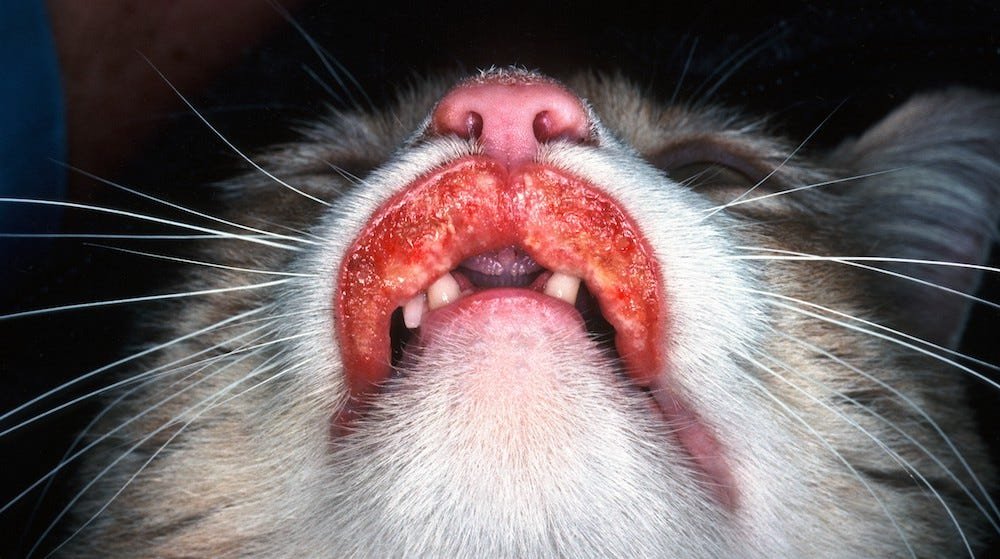
Recognizing rodent ulcers in your cat early can make a big difference in how quickly they heal. These ulcers, also known as eosinophilic granulomas, often appear as persistent sores on your cat’s lips or around their mouth. Understanding the signs and how they differ from other skin issues helps you act faster to provide relief at home.
Common Symptoms To Watch For
Rodent ulcers usually show up as red, swollen patches or sores on the upper lip. You might notice your cat pawing at their mouth or rubbing their face against furniture more than usual. These ulcers can sometimes ooze or crust over, and your cat may have a slight discomfort or irritation but often won’t seem in severe pain.
Other signs include:
- Hair loss around the affected area
- Small lumps or thickened patches on the lips
- Occasional bleeding if the ulcer is scratched
Have you noticed your cat’s behavior change around mealtime? If they hesitate to eat or seem bothered when you touch their face, it might be related to these ulcers.
Differences From Other Skin Issues
Rodent ulcers can be mistaken for infections, allergic reactions, or even injuries. Unlike simple cuts or scrapes, these ulcers tend to persist and worsen over weeks without healing. They also don’t respond well to basic wound care like cleaning or topical antibiotic ointments.
Unlike flea bites or dermatitis, rodent ulcers often appear in a distinct, symmetrical pattern on the lips. Fungal infections might cause scaly patches, but rodent ulcers usually look more like raised, red sores. If your cat’s sores are spreading or accompanied by other symptoms like hair loss elsewhere, it’s important to distinguish the cause carefully.
Think about how long the sore has been there and whether it’s changing. Quick healing wounds are less likely to be rodent ulcers. If your cat’s sore keeps coming back after treatment, it’s a strong sign you’re dealing with something more chronic like these ulcers.
Causes Of Rodent Ulcers
Understanding the causes of rodent ulcers in cats is key to treating them effectively at home. These painful sores can seem to appear out of nowhere, but they often have underlying reasons that you can address. Knowing what triggers these ulcers helps you manage your cat’s health better and prevent future flare-ups.
Allergic Reactions
Rodent ulcers often stem from allergic reactions. Your cat might be sensitive to certain foods, flea bites, or environmental allergens like pollen and dust mites.
When your cat's immune system overreacts, it causes inflammation that can lead to these ulcers. Watch for signs like excessive scratching or licking around the mouth and face.
Genetic Factors
Some cats inherit a tendency to develop rodent ulcers. Breeds such as Burmese and Siamese are more prone to these sores due to their genetic makeup.
This means even with perfect care, your cat might still develop ulcers. Knowing this helps you stay alert and act quickly if symptoms appear.
Environmental Triggers
Stressful environments or sudden changes can trigger rodent ulcers in cats. Moving to a new home, introducing new pets, or even changes in routine might upset your cat’s immune balance.
Consider how your cat’s surroundings might affect their health. Could reducing stress or improving their environment help ease their symptoms?
Home Care Essentials
Taking care of rodent ulcers in your cat at home requires attention to detail and gentle handling. The right home care can ease discomfort and support healing without adding stress to your furry friend. Let’s look at some essential steps you can take to manage the condition effectively.
Cleaning The Affected Area
Cleaning the ulcer is crucial to prevent infection and promote healing. Use a soft cloth or sterile gauze soaked in warm saline solution to gently wipe away any crust or discharge. Avoid harsh scrubbing; instead, dab lightly to keep the area clean without causing pain.
If your cat resists, try to calm them with soothing words or soft strokes before you start. Have you noticed how calmer pets tend to respond better during treatment?
Safe Topical Treatments
Applying the right topical treatment can make a significant difference. Ask your vet for recommended ointments or creams specifically formulated for feline ulcers. Avoid human creams or antiseptics unless directed by a professional, as some ingredients can be toxic to cats.
Use a small amount and apply gently with a clean finger or cotton swab. Consistency is key—regular applications can reduce inflammation and speed recovery.
Maintaining Hygiene
Keeping your cat’s environment clean helps prevent further irritation. Wash their bedding frequently and keep feeding areas spotless. This reduces the risk of bacteria reaching the ulcer and complicating the healing process.
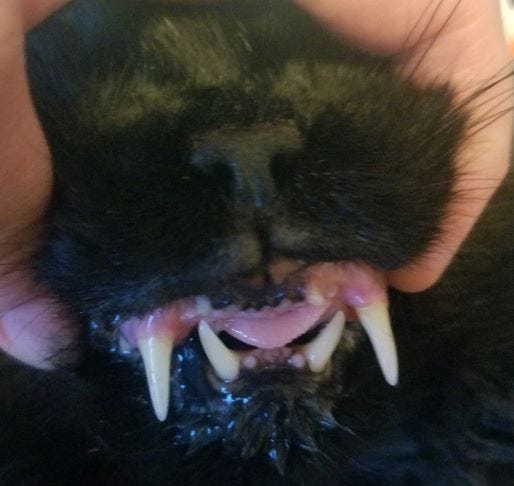
Consider trimming around the ulcer if fur gets in the way, but be cautious or ask a vet for assistance. Have you checked if your cat’s scratching habits might worsen the ulcer? Monitoring and redirecting these behaviors can protect the sore from damage.
Credit: teequtee.medium.com
Diet And Supplements
Diet and supplements play a key role in helping cats heal from rodent ulcers. A balanced diet can boost the immune system and speed up recovery. Proper nutrition supports skin repair and reduces inflammation. Supplements provide extra nutrients that may not be enough in regular food.
Foods That Support Healing
Choose foods rich in protein to help tissue repair. Wet food with high moisture supports hydration, which is important for healing. Omega-3 fatty acids found in fish oil reduce inflammation and promote skin health. Avoid foods with artificial colors or preservatives that might irritate your cat.
- Cooked chicken or turkey
- High-quality wet cat food
- Fish oil or salmon
- Boiled eggs
- Small amounts of pumpkin for digestion
Vitamins And Nutrients To Include
Vitamins A, E, and C support skin healing and immune function. Zinc helps repair damaged skin and boosts immunity. B vitamins improve cell health and energy. Probiotics aid digestion and strengthen the immune system. Consult your vet before adding supplements to avoid overdose.
| Vitamin/Nutrient | Benefit | Sources |
|---|---|---|
| Vitamin A | Supports skin repair | Liver, eggs |
| Vitamin E | Reduces inflammation | Fish oil, nuts (in small amounts) |
| Vitamin C | Boosts immunity | Fruits and vegetables (limited) |
| Zinc | Heals skin wounds | Meat, supplements |
| B Vitamins | Improves cell health | Meat, fish, eggs |
| Probiotics | Strengthens immune system | Special supplements |
Preventing Rodent Ulcers Recurrence
Preventing the recurrence of rodent ulcers in your cat is just as important as treating the initial outbreak. These ulcers often come back if underlying causes like allergens or stress aren't managed. Understanding what triggers these flare-ups helps you create a safer environment for your feline friend.
Reducing Allergens At Home
Allergens can irritate your cat’s skin and cause rodent ulcers to return. Start by keeping your home clean and free of dust, pollen, and strong perfumes.
- Vacuum regularly, especially where your cat sleeps or spends time.
- Use air purifiers to reduce airborne allergens.
- Choose unscented, hypoallergenic cleaning products.
- Bathe your cat occasionally with vet-approved shampoos to remove allergens from their fur.
Have you noticed if certain plants or household items seem to make your cat scratch more? Removing or isolating these can make a big difference.
Stress Management For Cats
Stress is a major factor in rodent ulcers recurring. Cats often hide stress well, but it can show in skin problems.
- Provide quiet, safe spaces where your cat can relax undisturbed.
- Keep a consistent daily routine to help your cat feel secure.
- Use interactive playtime to reduce anxiety and build confidence.
- Consider calming products like pheromone diffusers recommended by your vet.
Ask yourself: What recent changes might be stressing your cat? Even small things like new furniture or visitors can trigger discomfort.
Credit: teequtee.medium.com
When To Seek Veterinary Care
Knowing when to seek veterinary care for your cat’s rodent ulcer is crucial. While mild cases can often be managed at home, some situations require professional attention to prevent serious complications. Ignoring warning signs can lead to prolonged discomfort or worsening of the condition.
Warning Signs Of Complications
Watch closely for changes that suggest your cat needs a vet’s help immediately. If the ulcer becomes larger, more painful, or starts bleeding, it’s time to act. Also, if your cat shows signs of fever, loss of appetite, or extreme lethargy, these could indicate infection or a deeper health issue.
Another sign to watch for is if the ulcer doesn’t improve within two weeks despite home treatment. Persistent swelling or the appearance of new sores can mean the condition is more serious than you thought. Don’t wait—early intervention can save your cat from unnecessary suffering.
Treatment Options Beyond Home Care
Veterinarians can offer treatments that aren’t available at home, such as prescription medications and specialized therapies. Antibiotics or corticosteroids might be prescribed to reduce inflammation and fight infection effectively. In some cases, allergy testing or immunotherapy is recommended to address underlying causes.
If your cat’s rodent ulcer is severe, your vet may suggest procedures like laser therapy or even biopsy to rule out other conditions. These options can seem intimidating but often lead to faster healing and better comfort for your pet. Have you ever hesitated to take your cat to the vet for skin issues? Considering these treatments might change your mind.

Credit: teequtee.medium.com
Frequently Asked Questions
What Are Common Symptoms Of Rodent Ulcers In Cats?
Rodent ulcers usually appear as painless, hairless, red patches on a cat’s lips or face. Cats may also show mild swelling or scabbing. These ulcers rarely cause itching but can worsen without treatment.
Can I Treat Rodent Ulcers In Cats At Home Safely?
Mild rodent ulcers can be managed at home with proper hygiene and supplements. However, veterinary advice is essential to rule out infections or allergies. Always monitor your cat and seek professional help if symptoms worsen.
What Home Remedies Help Heal Cat Rodent Ulcers?
Cleaning the affected area gently with warm water and applying prescribed ointments can aid healing. Omega-3 supplements and a balanced diet boost skin health. Avoid harsh chemicals or human medications without veterinary approval.
When Should I See A Vet For My Cat’s Rodent Ulcer?
Consult a vet if the ulcer grows, bleeds, or becomes painful. Persistent ulcers lasting more than two weeks need professional diagnosis and treatment to prevent complications.
Conclusion
Treating rodent ulcers at home is manageable with simple steps. Regularly check your cat's mouth for signs. Use natural remedies like coconut oil or aloe vera. Maintain a clean environment to reduce stress and allergens. Feed your cat a balanced diet to boost immunity.
Consult your vet if symptoms persist or worsen. Their guidance ensures your cat gets the best care. Remember, early detection is key. Consistent monitoring helps catch issues early. With care and attention, your cat can heal comfortably at home. Always prioritize your cat's health and wellbeing.