Are you worried about your dog constantly licking or biting their paws? Red, itchy paws can be uncomfortable for your furry friend and stressful for you.
Luckily, you don’t always need a vet visit to help soothe their discomfort. You’ll discover simple and effective home remedies that can calm your dog’s irritated paws quickly. Keep reading to learn how you can bring relief to your dog’s itchy paws and help them feel happy again.
Causes Of Red Itchy Paws
Red, itchy paws can be more than just a minor annoyance for your dog. They often signal underlying issues that need your attention. Understanding the root causes helps you provide the right care and relief at home.
Allergies And Irritants
Allergies are a common cause of red, itchy paws. Dogs can react to food ingredients, pollen, or household chemicals. Have you noticed your dog licking paws more after walks or meals? This could be a sign of an allergic reaction.
Irritants like grass, cleaning products, or even certain fabrics can also inflame your dog’s paws. Identifying what triggers the irritation is key to stopping the cycle of itching and redness.
Infections And Parasites
Bacterial and fungal infections often develop if your dog’s paws are frequently wet or injured. These infections cause redness, swelling, and intense itching. If your dog’s paws have a strong odor or discharge, it might be time to consult a vet.
Parasites such as fleas or mites can also irritate the skin on the paws. Even a few fleas can cause severe itching and redness, especially in sensitive dogs.
Environmental Factors
Weather and terrain play a big role in paw health. Hot pavement, ice, or rough surfaces can cause burns, cracks, or abrasions. These injuries often lead to inflammation and discomfort.
Exposure to chemicals like road salt or lawn pesticides can worsen paw irritation. Do you check your dog’s paws after outdoor activities? A quick rinse can prevent many problems.

Credit: www.amazon.ca
Signs To Watch For
Noticing red, itchy paws on your dog can be worrying. It’s important to recognize specific signs that tell you whether home remedies might help or if professional care is needed. Paying close attention to your dog's behavior and paw condition can make a big difference in their comfort and recovery.
Common Symptoms
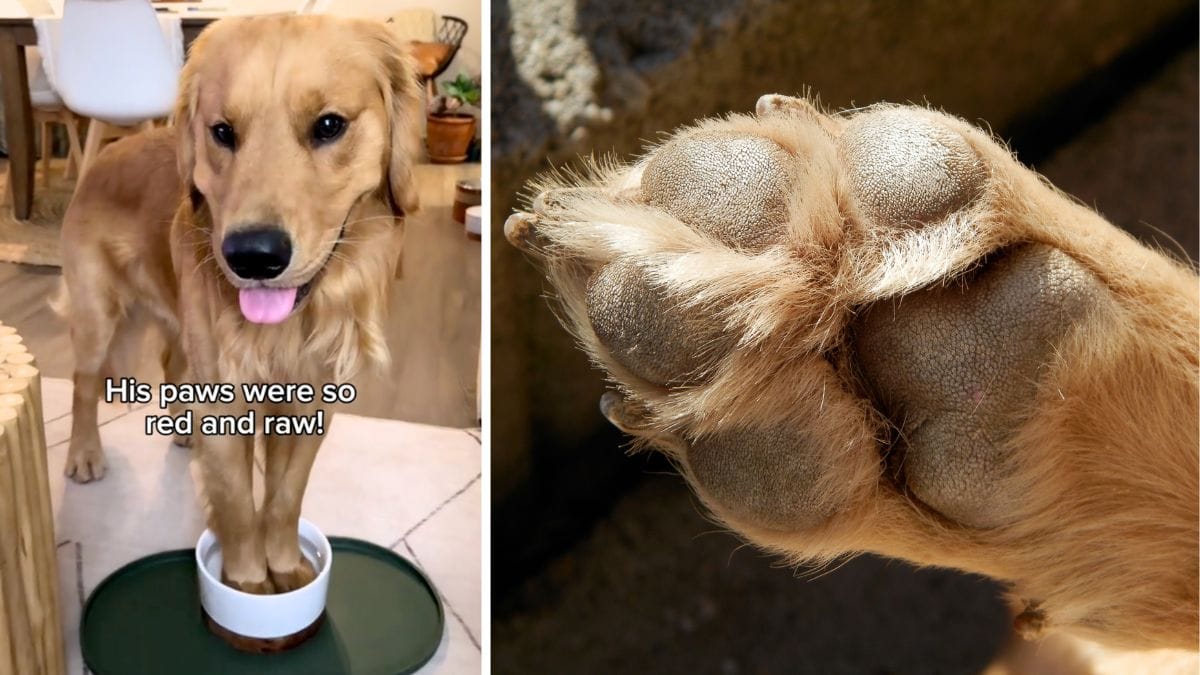
Look for redness and swelling on the paws. These often show up alongside persistent scratching or licking. You might also find dry, cracked skin or small sores, which can indicate irritation or infection.
Does your dog limp or avoid putting weight on a paw? This can signal pain or discomfort beyond simple itchiness. Notice any unusual odor, as this can be a sign of bacterial or yeast infections.
- Redness and inflammation
- Excessive licking or chewing
- Dry, cracked, or peeling skin
- Sores or scabs
- Swelling or heat around the paw
- Changes in walking or limping
- Unpleasant smell
When To Seek Vet Help
If you see bleeding or deep wounds, don’t wait to get professional advice. These signs can point to infections that need antibiotics or other treatments. Also, if your dog’s paw condition worsens despite home care, it’s time to consult your vet.
Watch for signs of severe discomfort, such as constant whining, restlessness, or refusal to walk. These behaviors suggest pain that needs medical attention. Remember, early vet visits often prevent bigger problems later on.
Home Remedies To Soothe Paws
Red, itchy paws can cause discomfort and stress for your dog. Simple home remedies can help soothe the irritation and support healing. These natural treatments calm the skin and reduce itchiness without harsh chemicals. Using easy ingredients from your kitchen or garden makes care gentle and safe.
Cold Compresses
Cold compresses reduce swelling and calm itchy skin quickly. Wrap ice cubes in a clean cloth or use a chilled gel pack. Gently press the compress on your dog’s paws for 5 to 10 minutes. Repeat this several times a day to ease irritation and cool the inflamed area.
Oatmeal Baths
Oatmeal has soothing properties that relieve itchiness and moisturize dry skin. Grind plain oatmeal into a fine powder and mix it in warm water. Let your dog soak its paws in this oatmeal bath for 10 to 15 minutes. This treatment softens the skin and reduces redness naturally.
Aloe Vera Application
Aloe vera gel calms inflammation and promotes healing for irritated paws. Use pure aloe vera gel without added chemicals. Apply a thin layer directly to the red, itchy areas on your dog’s paws. Let it absorb fully to soothe the skin and reduce discomfort.
Coconut Oil Treatment
Coconut oil acts as a natural moisturizer and antibacterial agent. Warm a small amount until liquid, then gently massage it into your dog’s paws. This helps heal cracked skin and prevents infection. Use daily to keep paws soft and protected from further irritation.
Cleaning And Care Tips
Keeping your dog's paws clean and well cared for is essential when dealing with red, itchy paws at home. Proper cleaning not only soothes irritation but also helps prevent infections from developing. Let’s look at some practical ways to care for your furry friend’s paws and stop the itch cycle.
Proper Paw Washing
Use lukewarm water to gently rinse your dog's paws after walks or outdoor play. This removes dirt, allergens, and irritants that can cause redness and itching.
Try using a mild, dog-safe soap or a diluted apple cider vinegar solution for extra cleansing power. Make sure to rinse thoroughly to avoid residue that may worsen irritation.
Dry the paws carefully with a soft towel, paying attention to areas between the toes where moisture can get trapped. Have you noticed your dog licking their paws more after being outside? Cleaning can often reduce this urge.
Nail And Fur Maintenance
Keep your dog’s nails trimmed to prevent scratching that can make redness worse. Overgrown nails can also cause discomfort and lead to paw injuries.
Trim the fur around the paws regularly to avoid dirt buildup and reduce the chance of matting, which can trap moisture and bacteria.
Use blunt-nosed scissors or a pet trimmer designed for sensitive areas, and always be gentle to avoid accidental cuts. Have you tried trimming your dog's paw fur yourself? It can be easier than you think with patience and practice.
Preventing Further Irritation
Check your dog’s environment for anything that might be causing paw irritation. This could include harsh lawn chemicals, rough surfaces, or certain cleaning products.
Consider putting protective booties on your dog during walks on hot pavement, snowy sidewalks, or rough terrain. This simple step can prevent future redness and itching.
Keep an eye on your dog’s behavior—if they continue to lick or chew their paws despite your care, it might be time to consult a vet. How often do you inspect your dog’s paws for signs of trouble?
Diet And Supplements
Diet plays a key role in healing red, itchy dog paws. Proper nutrition strengthens skin and reduces inflammation. Feeding the right foods helps your dog’s body fight irritation naturally. Supplements can also boost skin health and speed recovery. Together, diet and supplements support comfort and healing.
Foods That Support Skin Health
- Fatty fish like salmon and sardines provide omega-3 fatty acids.
- Eggs offer protein and biotin for healthy skin cells.
- Sweet potatoes contain antioxidants that reduce skin inflammation.
- Carrots supply vitamin A, essential for skin repair.
- Blueberries are rich in antioxidants and vitamins that protect skin.
- Plain yogurt adds probiotics to improve digestion and immunity.
Beneficial Supplements
- Omega-3 fatty acid supplements reduce itching and redness.
- Vitamin E helps repair damaged skin and supports healing.
- Zinc supports the immune system and skin regeneration.
- Probiotics improve gut health, which can affect skin condition.
- Quercetin acts as a natural antihistamine to ease itching.
Credit: rockykanaka.com
Preventive Measures
Keeping your dog's paws healthy and free from redness and itchiness starts with prevention. Paying attention to daily habits and environment can save your furry friend from discomfort. Small changes can make a big difference in avoiding paw problems before they start.
Avoiding Allergens
Identify what triggers your dog's paw irritation. Common allergens include grass, pollen, certain cleaning products, and even some types of dog food. Try to observe if your dog’s paws get red after being in specific areas or after contact with certain substances.
Cleaning your dog’s paws after outdoor walks helps remove potential irritants. Using a gentle pet-safe wipe or rinsing with lukewarm water can reduce allergic reactions. Have you noticed your dog licking paws more after being outside? That’s a clue to check for allergens.
Regular Paw Inspections
Make it a habit to check your dog’s paws daily. Look between the toes and pads for cuts, swelling, or foreign objects like splinters. Early detection allows you to act before irritation worsens.
Pay attention to any change in your dog’s behavior, like excessive licking or limping. These signs often point to paw discomfort. Regular inspections help you catch problems early and keep your dog comfortable.
Protective Footwear
Sometimes, prevention means giving your dog extra protection. Dog boots or paw protectors can shield paws from rough surfaces, hot pavement, or harmful chemicals like road salt. These accessories are especially useful during extreme weather conditions.
Choosing the right size and style is important so your dog stays comfortable wearing them. Introducing boots gradually can help your dog get used to them without stress. Have you tried paw protectors on your dog yet? They might be the simple solution you need to prevent itchy paws.

Credit: www.amazon.ca
Frequently Asked Questions
What Causes Red Itchy Dog Paws?
Red itchy dog paws often result from allergies, infections, or irritants like pollen and chemicals. Identifying the cause helps in choosing the right treatment and preventing further irritation.
How Can I Soothe My Dog's Itchy Paws At Home?
You can soothe itchy paws by cleaning them with mild soap, applying cool compresses, and using natural remedies like oatmeal baths to reduce itching and inflammation safely.
Are There Safe Home Remedies For Dog Paw Allergies?
Yes, safe remedies include rinsing paws after walks, using coconut oil for moisturizing, and giving antihistamines under vet guidance to manage allergic reactions effectively at home.
When Should I See A Vet For My Dog's Paw Issues?
Consult a vet if redness and itching persist beyond a week, if swelling occurs, or if your dog shows signs of pain or infection for proper diagnosis and treatment.
Conclusion
Caring for your dog's itchy paws is vital. Home remedies offer great relief. Simple solutions like coconut oil or oatmeal baths work wonders. These treatments soothe irritation and reduce redness. Regularly check your dog's paws for any signs of discomfort.
Keep them clean and well-moisturized. Always consult a vet if symptoms persist. Your furry friend deserves comfort and care. A little attention goes a long way. Enjoy happier, itch-free paws. Your dog will thank you with wagging tails and happy barks.
Remember, a healthy pet is a happy pet. Keep their paws in top shape.