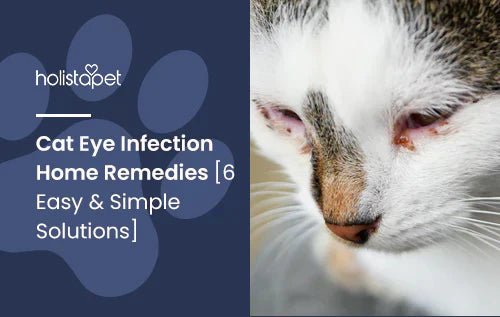
If your cat’s eye looks red, swollen, or watery, you’re probably worried and wondering what to do next. Eye infections can be uncomfortable for your furry friend, but you don’t always need to rush to the vet right away.
What if you could help your cat heal safely at home using natural remedies? You’ll discover simple, effective ways to treat your cat’s eye infection naturally. Keep reading—you’ll learn easy steps that could bring relief to your pet quickly and gently.
Your cat’s comfort and health are closer than you think!
Credit: www.assdesas.fr
Symptoms Of Cat Eye Infection
Recognizing the symptoms of a cat eye infection early helps in treating it effectively. Eye infections can cause discomfort and affect your cat’s vision. Watch your cat closely for any unusual eye behavior or appearance. Early detection leads to better care and faster recovery.
Common Signs To Watch For
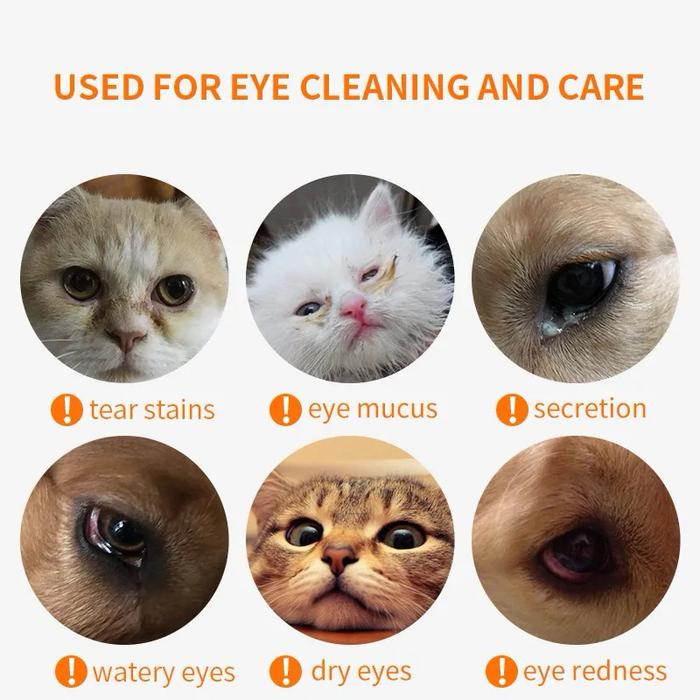
- Redness or swelling around the eye
- Discharge that is clear, yellow, or green
- Squinting or blinking more than usual
- Cloudiness or change in eye color
- Excessive tearing or watery eyes
- Rubbing or pawing at the eye
- Crusting around the eyelids
- Sensitivity to light
When To Seek Veterinary Help
- Discharge becomes thick or foul-smelling
- Eye appears cloudy or has a visible injury
- Your cat keeps pawing the eye without relief
- Swelling worsens or spreads to other areas
- Your cat shows signs of pain or distress
- Vision seems impaired or your cat is bumping into objects
- Symptoms last more than a couple of days
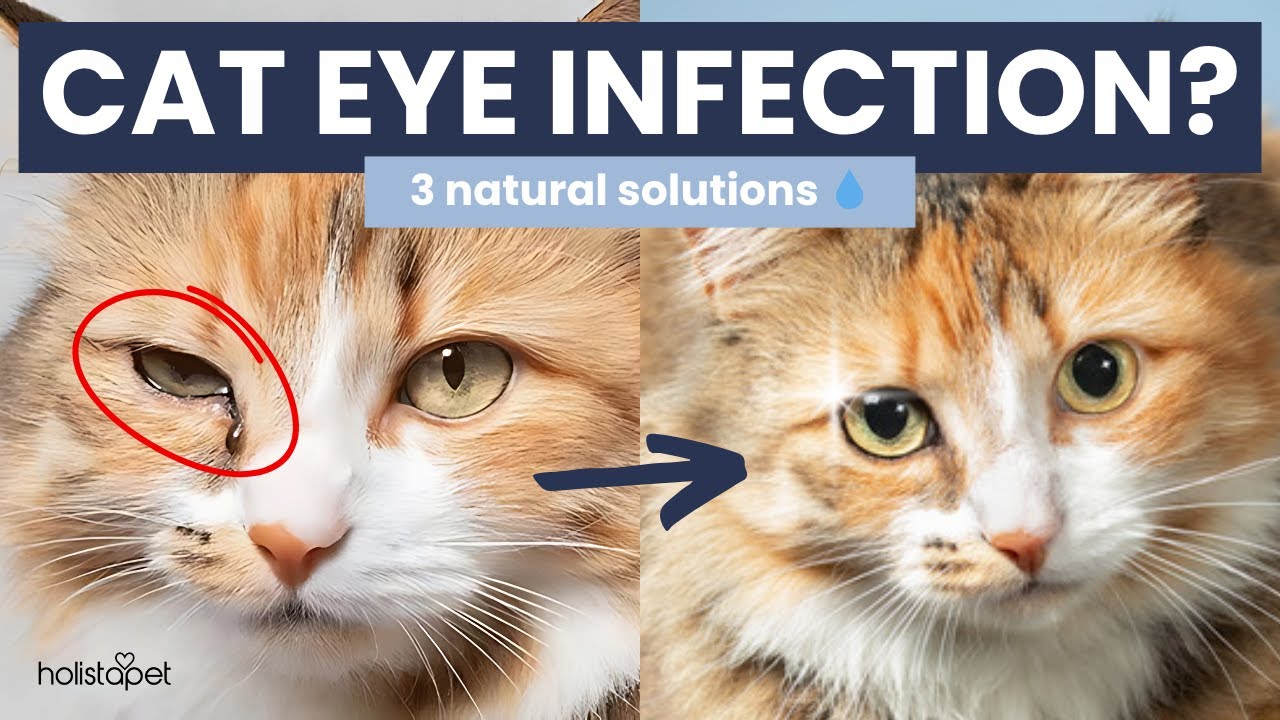
Credit: www.holistapet.com
Causes Of Eye Infections In Cats
Understanding what causes eye infections in your cat is key to treating them effectively at home. Eye infections can appear suddenly and cause discomfort, so knowing the root cause helps you choose the right natural remedies. Let’s break down the common causes so you can spot the problem early and care for your feline friend properly.
Bacterial And Viral Infections
Bacterial infections often result from wounds or poor eye hygiene, leading to redness, swelling, and discharge. Viral infections, like feline herpesvirus, are highly contagious and can cause repeated flare-ups. Have you noticed your cat’s eyes watering excessively or crusting overnight? These signs often point to an infection that needs gentle cleaning and supportive care.
Allergies And Irritants
Just like you, cats can react to allergens such as pollen, dust, or certain cleaning products. These irritants cause itching, redness, and watery eyes, which might look like an infection but actually stem from allergic reactions. Consider if you’ve recently changed your cat’s environment or introduced new products that could trigger these symptoms.
Injury And Foreign Bodies
A scratch from a playful scuffle or a tiny foreign object like dust or plant material can injure your cat’s eye. These injuries may cause inflammation and infection if not treated promptly. If your cat is pawing at their eye or showing signs of discomfort, inspect the eye gently and consider natural soothing options to reduce irritation while you seek further advice.
Home Remedies For Eye Infection
Home remedies can help soothe your cat’s eye infection safely. These natural options reduce irritation and support healing. Always keep your hands clean before touching your cat’s eyes. Gentle care is key to avoid worsening the infection.
Saline Solution Rinse
Saline solution helps clear dirt and discharge from your cat’s eye. Use a sterile saline solution made for eyes or mix 1 teaspoon of salt in 1 cup of boiled, cooled water. Soak a clean cotton ball and gently wipe the eye outward. Repeat twice daily to keep the eye clean and moist.
Chamomile Tea Compress
Chamomile tea has natural anti-inflammatory properties. Brew a chamomile tea bag and let it cool completely. Soak a soft cloth or cotton ball in the tea. Place it gently on your cat’s closed eye for 5 minutes. This reduces swelling and calms irritation. Use twice a day for relief.
Honey Application
Honey acts as a natural antibacterial agent. Use raw, organic honey for safety. Dilute honey with a small amount of sterile water to make it easier to apply. Use a clean cotton swab to put a tiny drop on the infected eye’s edge. This helps fight infection and speeds healing. Apply once or twice daily.
Coconut Oil Benefits
Coconut oil soothes the eye and fights bacteria. Warm a small amount until it liquefies. Use a clean cotton swab to apply a thin layer around the eye, avoiding direct contact with the eye surface. This protects the skin and reduces inflammation. Use once daily to support recovery.
Safe Practices For Treating Cats’ Eyes
Taking care of your cat’s eye infection at home requires gentle and safe practices. Your cat’s eyes are delicate, so the way you clean and treat them matters a lot. Being careful helps prevent further irritation and encourages faster healing.
Proper Hygiene And Cleaning
Always wash your hands thoroughly before and after touching your cat’s eyes. Use a clean, soft cloth or cotton ball soaked in warm water to gently wipe away any discharge or crust. Avoid using anything rough or harsh that could scratch the eye’s surface.
Change the cloth or cotton ball for each wipe to stop spreading bacteria. If you use a homemade saline solution, make sure it’s fresh and sterile. This simple step keeps your cat comfortable and reduces the risk of worsening the infection.
Avoiding Harmful Substances
Never use human eye drops or ointments on your cat unless prescribed by a vet. Many contain ingredients that can harm your pet’s eyes. Even natural remedies like essential oils or herbal extracts can cause irritation if not used correctly.
Stick to gentle, vet-approved options like diluted chamomile tea or saline rinses. If you are unsure about a product, ask your vet first. Your cat’s safety depends on avoiding anything that could cause allergic reactions or chemical burns.
Monitoring Progress
Keep a daily check on your cat’s eyes for changes in redness, swelling, or discharge. Take notes or photos to track improvements or any signs of worsening. This helps you decide if home care is enough or if you need to visit the vet.
Ask yourself: Is your cat blinking less or showing more discomfort? Is the eye becoming clearer or cloudier? Your attention to these details can make a big difference in how quickly your cat recovers.
Preventing Future Eye Issues
Preventing future eye issues in cats helps keep them healthy and comfortable. Consistent care reduces the risk of infections and discomfort. Simple habits can protect your cat’s eyes from harm.
Regular Eye Cleaning Routine
Clean your cat’s eyes gently every day. Use a soft, damp cloth or cotton ball with warm water. Wipe away dirt and discharge carefully. Avoid harsh soaps or chemicals. This routine removes irritants and prevents buildup.
Maintaining A Clean Environment
Keep your cat’s living area tidy and dust-free. Wash bedding and toys often. Remove any debris that can irritate eyes. Good airflow and low dust reduce allergens. A clean space lowers the chance of eye problems.
Balanced Nutrition For Eye Health
Feed your cat a diet rich in vitamins and minerals. Nutrients like vitamin A and omega-3 fatty acids support eye health. Choose high-quality cat food or supplements recommended by your vet. Proper nutrition strengthens your cat’s natural defenses.

Credit: www.bestlife4pets.com
Frequently Asked Questions
How Can I Naturally Treat My Cat's Eye Infection At Home?
You can clean your cat's eyes with warm saline solution twice daily. Use a damp cloth to gently wipe discharge. Apply natural remedies like chamomile tea compresses to reduce inflammation. Always keep your cat comfortable and monitor symptoms closely.
What Are Safe Home Remedies For Cat Eye Infections?
Safe remedies include saline rinses, chamomile tea compresses, and honey diluted with water. These help soothe irritation and fight bacteria. Avoid harsh chemicals or human medications. Consult a vet if symptoms worsen or persist beyond a few days.
When Should I See A Vet For My Cat’s Eye Infection?
If your cat’s eye infection worsens, shows swelling, pus, or blindness, see a vet immediately. Also seek professional help if symptoms last more than three days or if your cat is in pain. Early veterinary care prevents complications.
Can Diet Affect My Cat’s Eye Health During Infection?
Yes, a balanced diet rich in antioxidants and omega-3 fatty acids supports eye health. Proper nutrition boosts immunity and speeds recovery. Include high-quality wet food or supplements recommended by your vet to aid healing.
Conclusion
Treating your cat's eye infection naturally is possible with care. Use gentle remedies like chamomile tea or saline solution. These are safe for your cat's eyes. Always ensure your pet is comfortable during treatment. Cleanliness is crucial. Keep the eye area clean and dry.
Observe your cat for any changes. Immediate vet attention is necessary if the condition worsens. Regular check-ups help maintain your cat's eye health. Natural remedies can be effective but consult a vet for persistent issues. Your cat's well-being is the priority.