Imagine noticing your furry friend's gums looking a bit inflamed or swollen. You might feel a wave of concern for your beloved pet's health.
Gingivitis in cats is more common than you might think, and it's crucial to address it promptly to ensure your cat's comfort and well-being. But what if you could tackle this issue right at home, without the stress of a vet visit?
In this guide, we'll reveal effective ways to treat gingivitis in cats right from the comfort of your home. You'll discover simple, actionable steps that can make a significant difference in your cat's oral health. Don't let this common ailment cause your pet discomfort any longer. Dive into the article and learn how to be the hero your feline companion needs. Your cat’s purrs of gratitude are just a few paragraphs away!
Signs Of Gingivitis In Cats
Recognizing the signs of gingivitis in your cat early can save them a lot of discomfort and prevent more serious dental issues. Gingivitis often starts subtly, making it easy to miss unless you know exactly what to look for. Paying close attention to changes in your cat’s mouth and behavior can help you spot this condition before it worsens.
Common Symptoms To Watch
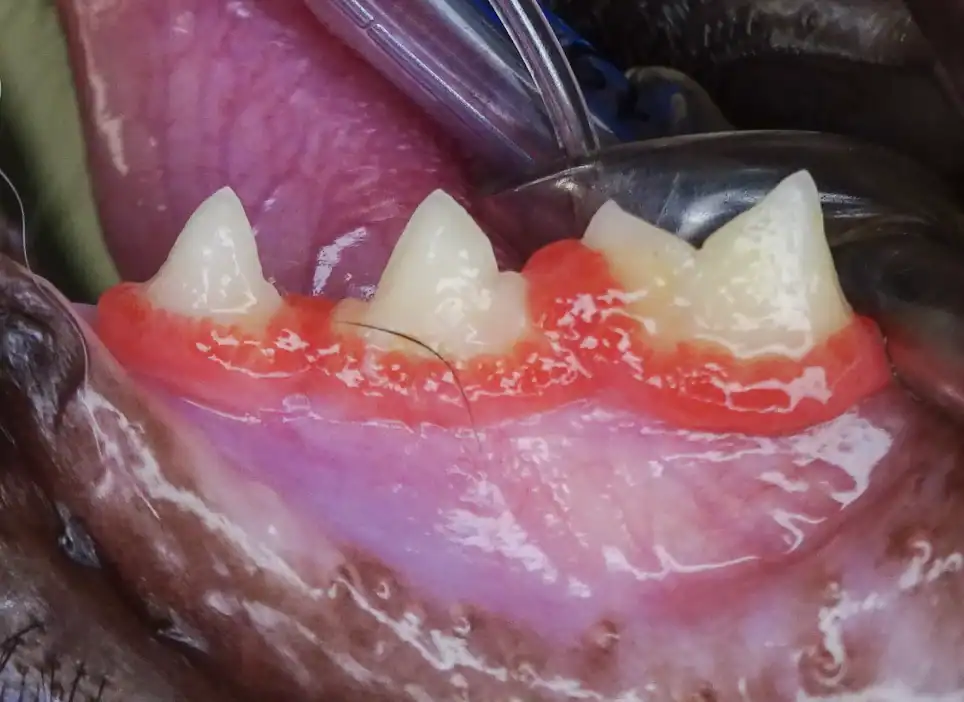
- Red or swollen gums:Healthy gums are usually pink and firm. If your cat’s gums look bright red, puffy, or bleed easily, it’s a clear warning sign.
- Bad breath:Notice a strong, unpleasant odor when your cat breathes or after eating? This can indicate gum inflammation or infection.
- Difficulty eating or chewing:Your cat may start dropping food or avoiding hard kibble because of mouth pain.
- Excessive drooling:More saliva than usual, sometimes tinged with blood, can signal oral discomfort.
- Pawing at the mouth:Cats often try to relieve discomfort by scratching or rubbing their face.
Have you observed your cat showing any of these signs? Sometimes the symptoms come and go, but even mild signs deserve attention. Ignoring them can lead to more severe problems like tooth loss or systemic infections.
When To See A Vet
If you notice any persistent symptoms or your cat seems to be in pain, don’t wait to get professional advice. Early veterinary care can provide treatments that reduce inflammation and prevent damage.
Sudden changes in appetite, severe drooling, or visible ulcers in the mouth should prompt an immediate vet visit. A vet can perform a thorough examination and may recommend dental cleanings or medications that you can’t provide at home.
Could your cat be hiding discomfort? Animals are masters at masking pain. Being proactive and consulting your vet can make a huge difference in your cat’s quality of life.
Daily Oral Care Tips
Keeping your cat’s mouth healthy every day is key to treating and preventing gingivitis. Small, consistent actions can make a big difference in reducing inflammation and discomfort. Here are some practical daily oral care tips you can easily do at home to support your cat’s dental health.
Brushing Your Cat's Teeth
Brushing is the most effective way to remove plaque and prevent gingivitis. Use a soft-bristled toothbrush designed for cats or a finger brush to gently clean their teeth.
Start slowly by letting your cat get used to the brush and the sensation. Try brushing just a few teeth at first and reward your cat with praise or a favorite treat.
Consistency is more important than duration; even a quick daily brush can make a difference. Have you noticed how your cat reacts when you introduce the toothbrush? Patience is essential.
Using Dental Wipes And Gels
If brushing feels too challenging, dental wipes and gels are convenient alternatives. Wipes let you rub away plaque without the need for a brush, making them less stressful for some cats.
Dental gels can be applied directly to the gums and teeth to reduce bacteria and inflammation. Choose products formulated specifically for cats to ensure safety and effectiveness.
Try different options to see what your cat tolerates best. Have you tried combining wipes and gels for a more thorough clean?
Choosing The Right Toothpaste
Never use human toothpaste on your cat—it contains ingredients harmful to them. Instead, pick a toothpaste made for pets that comes in flavors cats enjoy, like poultry or fish.
Pet toothpaste is safe to swallow and helps control plaque while freshening breath. Reading labels carefully ensures you pick a product that targets gingivitis effectively.
Have you noticed how your cat responds to different flavors? Finding the right one can make daily brushing easier and more enjoyable for both of you.
Diet And Nutrition
Proper diet and nutrition play a key role in managing gingivitis in cats. The right foods can help keep gums healthy and reduce inflammation. Feeding your cat a balanced diet supports overall dental health and helps prevent plaque build-up. Choosing the right treats and avoiding harmful ones also protects your cat's mouth. Small changes in diet can make a big difference in your cat’s comfort and health.
Foods That Support Dental Health
Certain foods promote stronger teeth and healthier gums. Dry kibble with a crunchy texture helps clean teeth by reducing plaque. Wet food with added vitamins and minerals supports gum healing. Look for foods rich in:
- Omega-3 fatty acids to reduce inflammation
- Vitamin C to boost gum strength
- Calcium and phosphorus for teeth repair
- Antioxidants to fight bacteria
Special dental diets are available. These foods are designed to lower plaque and tartar. Consult your vet for the best options for your cat.
Avoiding Harmful Treats
Not all treats are safe for cats with gingivitis. Sticky or sugary treats can worsen gum problems. Avoid snacks that:
- Stick to teeth and gums
- Contain high sugar levels
- Are too hard and cause damage
Choose dental chews made for cats. These help clean teeth without harming gums. Limit treats to keep your cat’s diet balanced and support healing.

Credit: veterinarydentistry.net
Home Remedies For Relief
Dealing with gingivitis in cats at home can ease their discomfort and improve oral health. Simple remedies often reduce inflammation and freshen breath. These remedies support your cat’s healing alongside professional care. Gentle care and patience are key to helping your cat feel better.
Natural Rinses And Solutions
Natural rinses help clean your cat’s mouth safely. Use warm water mixed with a small amount of diluted chamomile tea. Chamomile soothes gums and fights bacteria.
Another option is a mild saline rinse. Mix half a teaspoon of salt in a cup of warm water. Apply gently with a cotton ball to your cat’s gums. Avoid strong mouthwashes or human products, as they can harm cats.
- Chamomile tea rinse: cool before use
- Saline rinse: half teaspoon salt per cup water
- Apply with cotton ball or soft cloth
- Use twice daily for best results
Safe Chew Toys And Treats
Chewing helps reduce plaque buildup on your cat’s teeth. Provide safe chew toys designed for cats to massage gums gently. Look for toys made from non-toxic materials and soft textures.
Special dental treats can also help clean teeth and freshen breath. Choose treats approved by veterinarians for oral health. Avoid hard treats that might damage sensitive gums.
- Soft rubber or silicone chew toys
- Vet-approved dental treats
- Regular use supports gum health
- Monitor chewing to prevent choking
Preventing Future Gingivitis
Preventing future gingivitis in your cat is crucial for their overall health and comfort. Once you’ve treated the condition, your goal should be to keep their gums healthy and pain-free. Small daily actions can make a big difference in stopping gingivitis from coming back.
Routine Dental Checkups At Home
Checking your cat’s mouth regularly helps you catch problems early. Look for redness, swelling, or bad breath—signs that gingivitis might be returning. Make it part of your daily routine, just like feeding or grooming.
Use a soft cloth or a pet toothbrush to gently inspect their teeth and gums. This not only keeps you informed but also gets your cat used to mouth handling. You might notice subtle changes before they turn into bigger issues.
Maintaining A Healthy Oral Environment
Keeping your cat’s mouth clean helps prevent plaque buildup, the main cause of gingivitis. Brush their teeth daily or at least a few times a week using a toothpaste made for cats. Avoid human toothpaste—it can be harmful.
Adding dental treats or special diets designed to reduce plaque can support your efforts. These products often contain ingredients that help break down tartar and freshen breath. Have you tried dental toys? They encourage chewing, which naturally cleans teeth.
- Brush teeth with cat-safe toothpaste regularly
- Offer dental treats and chews
- Provide fresh water to rinse the mouth
- Feed a balanced diet to support overall health
Remember, a healthy mouth means a happier cat. What simple change can you make today to protect your feline friend’s smile?

Credit: www.amazon.com

Credit: companionpetstn.com
Frequently Asked Questions
What Are The First Signs Of Gingivitis In Cats?
Early signs include red, swollen gums and bad breath. Cats may also drool or avoid eating due to pain. Spotting these symptoms early helps in effective home treatment and prevents worsening.
How Can I Safely Clean My Cat’s Teeth At Home?
Use a cat-specific toothbrush and toothpaste. Gently brush in circular motions once daily. Avoid human toothpaste, as it’s toxic to cats. Regular brushing reduces plaque buildup and improves gum health.
Which Home Remedies Help Reduce Cat Gingivitis?
Rinsing with diluted chlorhexidine or using dental gels can reduce bacteria. Feeding dry dental food also helps. Always consult your vet before starting any home treatment to ensure safety.
When Should I See A Vet For My Cat’s Gingivitis?
If symptoms worsen or don’t improve in two weeks, see a vet. Severe gingivitis may require professional cleaning or medication. Early veterinary care prevents serious dental diseases.
Conclusion
Treating gingivitis in cats at home takes patience and care. Regular brushing helps keep their teeth clean. Using cat-friendly dental products supports oral health. Watching for signs like bad breath or bleeding gums is important. A healthy diet also plays a key role.
Remember, consistency matters for best results. Always consult your vet if problems persist. Small steps can make a big difference in your cat’s smile. Keep your feline friend comfortable and happy every day. Simple actions lead to healthier teeth and gums.