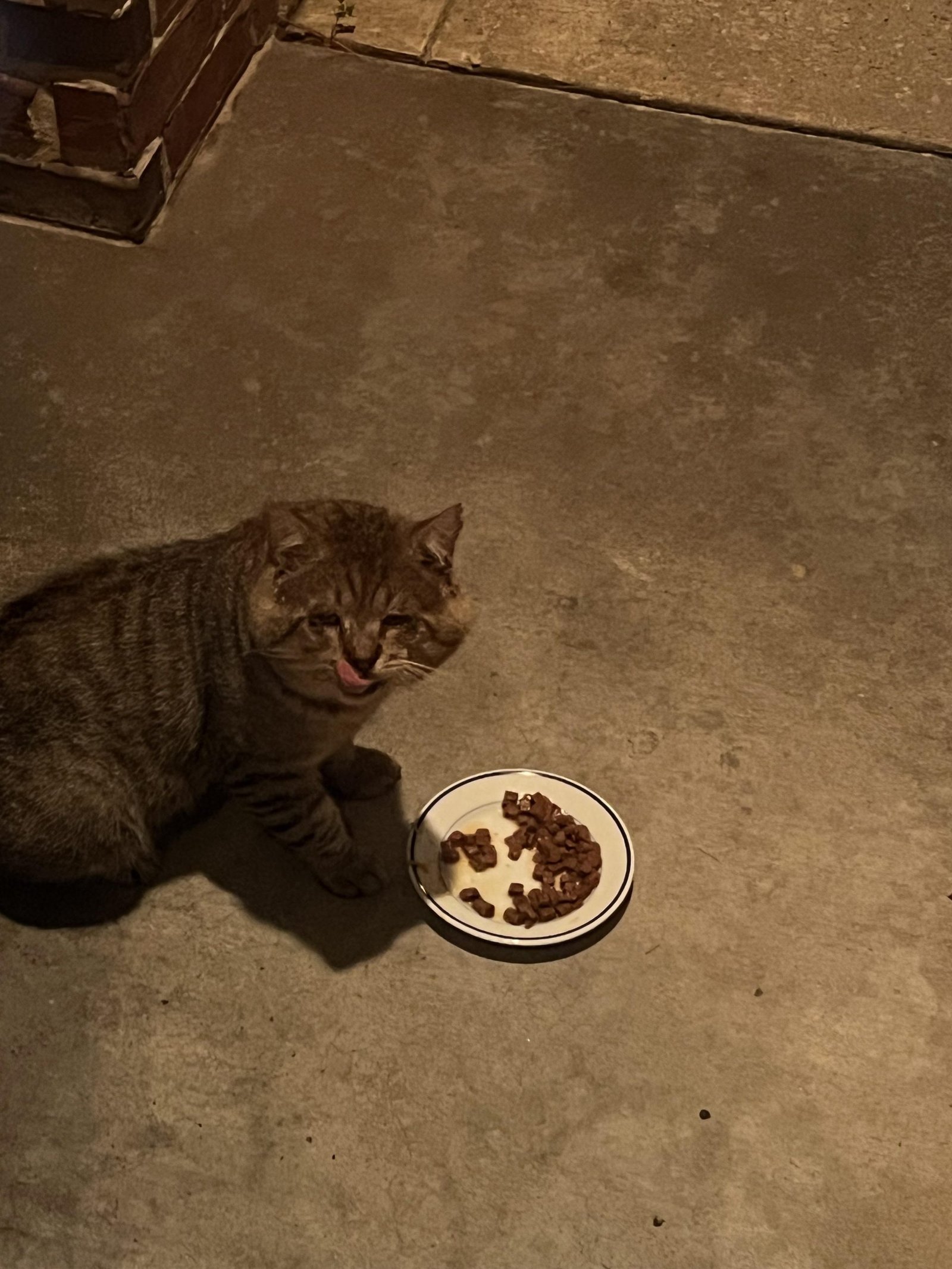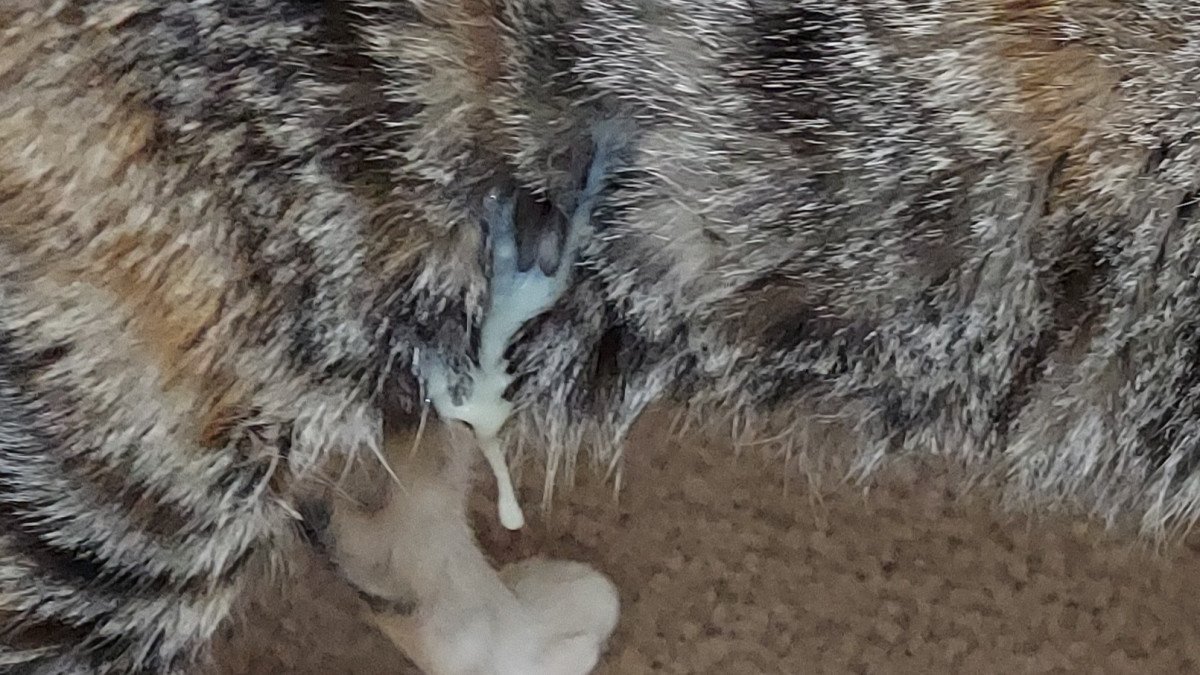

If your cat is sneezing, coughing, or having trouble breathing, it might have an upper respiratory infection. You want to help your furry friend feel better fast, but rushing to the vet isn’t always possible.
What if you could ease your cat’s symptoms right at home? You’ll discover simple, effective ways to treat your cat’s upper respiratory infection safely. Keep reading to learn how you can bring comfort to your pet and support their recovery without stress or confusion.
Your cat’s health and happiness are closer than you think.

Credit: www.askariel.com
Signs Of Cat Upper Respiratory Infection
Recognizing the signs of an upper respiratory infection in your cat early can make a big difference in how quickly they recover. Cats often hide their discomfort, so you need to be alert to subtle changes. Knowing what to look for helps you provide the right care at home and decide when professional help is necessary.
Common Symptoms To Watch For
Watch for symptoms that affect your cat’s breathing and energy levels. These include:
- Sneezing:Frequent sneezing can indicate irritation or infection in the nasal passages.
- Runny nose or eyes:Clear or colored discharge is a common sign of infection.
- Coughing or wheezing:These signs show your cat may have trouble breathing.
- Loss of appetite:Cats with respiratory issues often eat less due to discomfort or a blocked nose.
- Lethargy:A noticeable drop in energy and playfulness signals your cat isn’t feeling well.
- Fever:You might not measure it at home, but if your cat feels warm to the touch, it’s a warning sign.
Does your cat seem quieter than usual or avoid their favorite activities? These subtle hints can be just as telling as the obvious symptoms.
When To Seek Veterinary Care
If your cat shows severe symptoms or if mild symptoms worsen, it’s time to call the vet. Difficulty breathing, persistent coughing, or a high fever are urgent signs. Also, if your cat stops eating or drinking for more than 24 hours, professional care is necessary.
Sometimes, an upper respiratory infection can lead to complications like pneumonia. If you notice your cat’s gums turning pale or blue, or if they become very weak, don’t wait. Early veterinary intervention can prevent serious problems and speed up recovery.
Have you noticed your cat’s symptoms getting worse despite home care? That’s a clear signal to get expert help immediately.

Credit: trudellanimalhealth.com
Home Care Basics
Taking care of a cat with an upper respiratory infection at home requires patience and attention. Focus on comfort and basic needs. These simple steps help your cat heal faster and feel better.
Creating A Comfortable Space
Set up a quiet, warm place for your cat to rest. Choose a spot away from noise and other pets. Use soft bedding to keep your cat cozy. Keep the area clean and free of drafts. Fresh air helps but avoid cold or windy spots.
Use a humidifier or place a bowl of warm water nearby. Moist air eases breathing and soothes irritated airways. Check the space often to make sure your cat is comfortable and calm.
Maintaining Hydration And Nutrition
Offer fresh water frequently to keep your cat hydrated. Cats with respiratory infections may drink less, so encourage sipping. Use a shallow bowl or water fountain to attract them.
Feed soft, warm food to stimulate appetite. Warm food smells stronger and is easier to eat. If your cat refuses food, try small, frequent meals. Avoid dry kibble until your cat feels better.
Monitor eating and drinking closely. Losing weight or signs of dehydration need prompt attention. Keep your cat’s food and water within easy reach to reduce stress.
Natural Remedies
Natural remedies can be a gentle and effective way to support your cat’s recovery from an upper respiratory infection at home. These options focus on relieving symptoms and boosting your cat’s comfort without harsh chemicals. Have you noticed how small changes in your pet’s environment can make a big difference?
Using Steam Therapy
Steam therapy helps loosen mucus and clear nasal passages, making breathing easier for your cat. You can create a steam-filled environment by running a hot shower in a closed bathroom and sitting with your cat inside for about 10-15 minutes.
Make sure the room is warm but not too hot, and never place your cat directly in the steam stream. This gentle moisture helps soothe irritated nasal tissues and reduces congestion naturally.
Try this routine once or twice daily and observe how your cat responds. Does your pet seem to breathe more easily after the session? That’s a good sign the steam is working.
Honey And Herbal Options
Raw honey can soothe a sore throat and has natural antibacterial properties. You might offer a tiny dab on your finger for your cat to lick, but always check with your vet first to ensure it’s safe for your specific pet.
Herbs like chamomile and echinacea are also known to support the immune system. You can brew a mild chamomile tea, let it cool, and use a few drops around your cat’s nose to help relieve irritation.
Remember, herbal remedies should be used cautiously and never replace professional care if symptoms worsen. What natural ingredients do you already have at home that might aid your cat’s healing process?
Hygiene And Environment
Maintaining good hygiene and a clean environment is crucial for treating cat upper respiratory infections at home. A fresh and sanitary space helps reduce germs and supports your cat’s recovery. Creating a calm and clean area limits the chances of infection spreading or worsening.
Cleaning And Disinfecting
Keep your cat’s living area clean and free from dirt. Wash bedding, blankets, and toys regularly with hot water and mild detergent. Use pet-safe disinfectants on surfaces your cat touches often.
- Wipe down food and water bowls daily.
- Clean litter boxes frequently to avoid bacteria build-up.
- Vacuum floors and carpets to remove dust and hair.
- Open windows for fresh air to reduce germs indoors.
Always wash your hands before and after handling your cat to prevent germs from spreading.
Reducing Stress Triggers
Stress weakens your cat’s immune system. A calm environment helps your cat heal faster. Provide a quiet, cozy space away from noise and busy areas.
- Keep other pets separated if they cause stress.
- Offer familiar toys and blankets for comfort.
- Maintain a consistent feeding and care routine.
- Speak softly and move slowly around your cat.
Reducing stress supports your cat’s body to fight infection naturally.
When To Use Medications
Knowing when to use medications for your cat’s upper respiratory infection is important. Not all infections need medicine. Some mild cases improve with rest and home care. But certain signs show that medication might help your cat feel better faster.
Watching your cat’s symptoms closely helps decide if medicine is needed. Signs like difficulty breathing, eye discharge, or loss of appetite often require treatment. Medications can reduce infection and ease symptoms. Use medicines carefully and only as needed to keep your cat safe.
Over-the-counter Options
Some over-the-counter products can ease your cat’s symptoms. Saline nasal drops help clear blocked noses. Humidifiers add moisture to the air, making breathing easier. Herbal supplements may support the immune system but use them with care.
- Saline nasal sprays for congestion relief
- Humidifiers to moisten dry air
- Immune support supplements (check safety for cats)
Do not give human cold or flu medicines to cats. They can be harmful or toxic.
Consulting Your Veterinarian
Visit your vet if your cat’s symptoms worsen or last more than a week. The vet may prescribe antibiotics or antiviral medicines. They can also check for other health issues causing the infection. Follow the vet’s instructions strictly when giving medications.
- Get a proper diagnosis from your veterinarian
- Use prescribed antibiotics only when necessary
- Monitor your cat’s progress and report concerns

Credit: trudellanimalhealth.com
Preventing Future Infections
Preventing future upper respiratory infections in your cat is just as important as treating the current one. Taking proactive steps can help reduce the chances of recurring illness and keep your furry friend comfortable and healthy. What habits can you develop today to protect your cat tomorrow?
Vaccination Importance
Vaccinations play a crucial role in guarding your cat against many respiratory infections. They help build immunity so your cat can fight off common viruses and bacteria more effectively.
Make sure to keep your cat’s vaccines up to date, especially if they spend time outdoors or around other animals. Consult your vet about the best vaccination schedule tailored to your cat’s lifestyle. Have you checked your cat’s vaccine records recently?
Healthy Lifestyle Tips
A strong immune system is your cat’s best defense against infections. Feeding a balanced diet rich in vitamins and minerals supports their health from the inside out.
Keep your cat’s environment clean by regularly washing their bedding and toys. Avoid exposing them to stress and overcrowded spaces, which can weaken immunity. Simple changes, like improving air quality or reducing allergens, can make a big difference. How can you create a safer, healthier space for your cat at home?
Frequently Asked Questions
What Are Common Signs Of Cat Upper Respiratory Infection?
Common signs include sneezing, coughing, nasal discharge, watery eyes, and lethargy. Cats may also lose appetite and show difficulty breathing. Early recognition helps in prompt home care or veterinary treatment.
How Can I Safely Treat My Cat’s Respiratory Infection At Home?
Provide a warm, humid environment and ensure fresh water and nutritious food. Use a humidifier or steam to ease breathing. Keep your cat isolated to prevent spread and monitor symptoms closely.
When Should I See A Vet For My Cat’s Infection?
Visit a vet if symptoms worsen, last over 10 days, or if your cat stops eating or breathing properly. Severe cases need professional diagnosis and medication like antibiotics or antivirals.
Can I Use Human Medicine For My Cat’s Respiratory Infection?
Never give human medicine without vet approval. Many human drugs are toxic to cats. Always consult a veterinarian for safe and effective treatment options.
Conclusion
Caring for a cat's respiratory infection at home is manageable. Start by keeping their environment clean and stress-free. Ensure they have plenty of rest and fluids. Offer nutritious food to boost their immune system. Use a humidifier to ease breathing.
Monitor symptoms closely. Seek veterinary advice if needed. Remember, a little care goes a long way. Your attention helps your cat recover smoothly. Stay patient and loving. It's all about comforting your furry friend. A healthy cat means a happy home.
Keep supporting them through their healing journey. They rely on your care and affection.