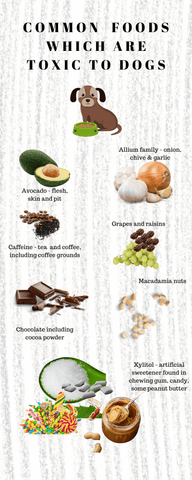
If your dog has accidentally consumed caffeine, you might be feeling worried and unsure of what to do next. Caffeine poisoning in dogs can be serious, but acting quickly and knowing the right steps can make all the difference.
You’ll learn simple and effective ways to treat caffeine poisoning at home. By understanding how to recognize the signs and provide immediate care, you can protect your furry friend and keep them safe. Keep reading to find out exactly what you need to do if your dog has ingested caffeine.
Recognizing Caffeine Poisoning Symptoms
Recognizing caffeine poisoning symptoms in dogs is vital for quick action. Dogs react differently to caffeine than humans. Even small amounts can cause serious problems. Knowing the signs helps protect your pet’s health and safety.
Common Signs In Dogs
- Restlessness or hyperactivity
- Rapid breathing or panting
- Increased heart rate
- Tremors or shaking
- Vomiting or diarrhea
- Excessive thirst or urination
- Muscle rigidity or seizures
- Unusual excitement or agitation
Severity Levels To Watch
Mild symptoms include restlessness and slight vomiting. Moderate cases show rapid breathing and muscle tremors. Severe poisoning leads to seizures and collapse.
Watch your dog closely. Early symptoms need immediate care. Severe signs require urgent veterinary help.
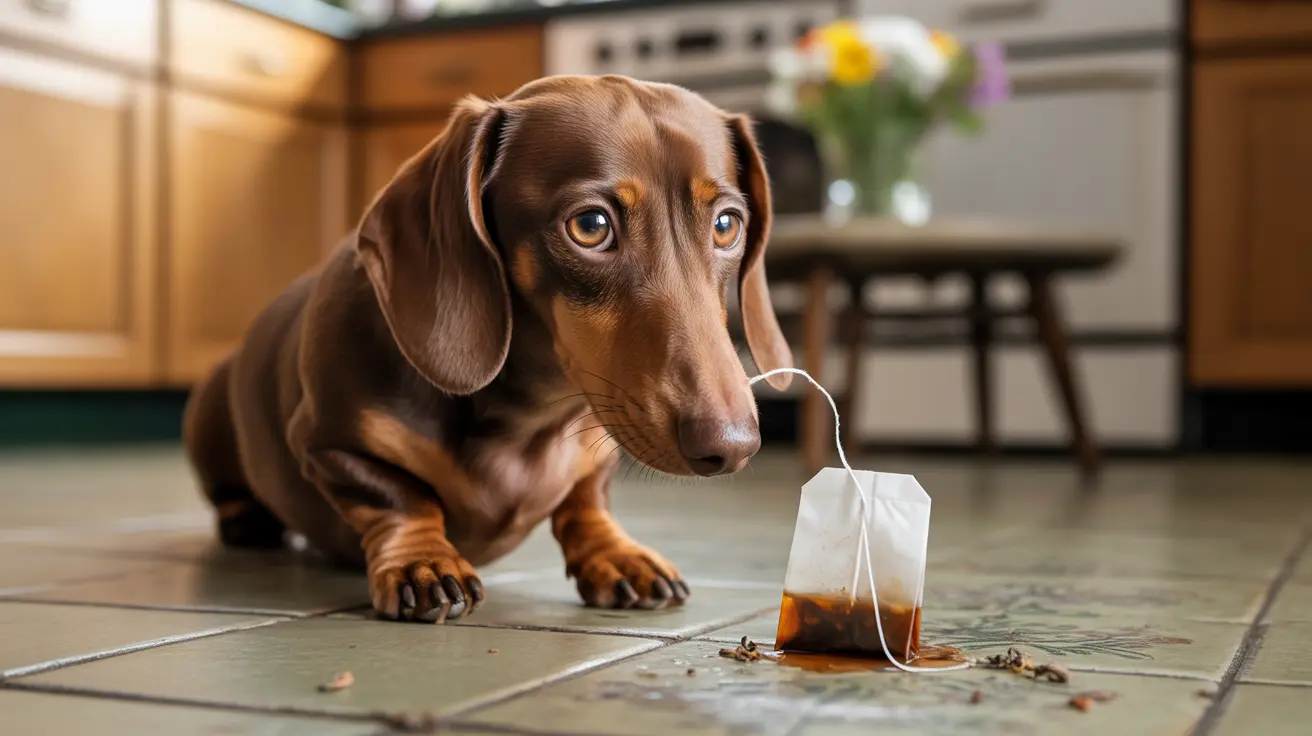
Credit: www.petscare.com
Immediate Actions To Take
Acting fast is crucial when your dog consumes caffeine. Immediate steps help reduce harm and make your dog comfortable. Quick action can prevent serious health issues and improve recovery chances.
Removing Access To Caffeine
Take away any caffeine products from your dog's reach. This stops further intake and limits poisoning severity. Check areas like counters, tables, and trash bins. Be sure to remove coffee grounds, tea leaves, energy drinks, and chocolate too.
Clean up spills or crumbs to prevent accidental licking. Store caffeine items in secure containers or cabinets. Monitor your dog closely to avoid repeated exposure.
Keeping Your Dog Calm
Excitement raises the risk of serious symptoms. Keep your dog in a quiet, comfortable space. Speak softly and avoid sudden movements. Limit physical activity to reduce heart strain.
Offer water to help flush caffeine from the system. Do not force your dog to drink. Watch for signs like shaking or pacing and try to soothe your pet gently.
Safe Home Remedies
Dealing with caffeine poisoning in dogs at home can feel overwhelming, but some safe remedies can help manage the situation before you get to the vet. These remedies focus on reducing caffeine absorption and easing your dog’s symptoms. Knowing what to do can make a big difference in your pet’s recovery and comfort.
Hydration Tips
Keeping your dog well-hydrated is crucial during caffeine poisoning. Water helps flush out toxins and supports kidney function.
Offer fresh water frequently, but don’t force your dog to drink if they’re vomiting or too weak. You can also try ice cubes, which some dogs may lick eagerly.
If your dog refuses water, moistening their food can encourage hydration. Have you noticed how a little extra water in their meal can make a big difference in keeping them hydrated?
Inducing Vomiting Safely
Sometimes, removing caffeine from your dog’s stomach quickly can prevent further absorption. Inducing vomiting may help, but only do this if your dog is conscious and not having seizures.
Use 3% hydrogen peroxide, giving about 1 teaspoon per 10 pounds of your dog's weight. Don’t exceed 3 tablespoons total. Use a syringe or dropper to administer it carefully.
Watch your dog closely for vomiting within 15 minutes. If they don’t vomit, do not repeat the dose without veterinary advice. Have you ever had to use this method? It’s important to stay calm and act swiftly.
Activated Charcoal Use
Activated charcoal can absorb caffeine and reduce its effects. It’s a common treatment in poisoning cases and can be used safely at home if you have it available.
Mix the activated charcoal powder with a small amount of water to form a slurry. Administer it orally with a syringe or spoon, based on your dog’s size and vet’s recommendation.
Be cautious: activated charcoal can cause constipation or black stools, which are usually harmless but should be monitored. Have you checked if your vet recommends charcoal for your dog’s condition?
When To Call The Vet
Knowing when to call the vet is crucial in treating caffeine poisoning in dogs. Early professional care can save your pet’s life. Some signs need urgent attention beyond home care. Acting quickly improves the chance of recovery. Always trust your instincts if something feels wrong.
Warning Signs Requiring Professional Help
- Severe vomiting or diarrhea lasting more than a few hours
- Rapid breathing or difficulty breathing
- Uncontrollable shaking or seizures
- Extreme restlessness or hyperactivity
- Weakness or collapse
- Heart rate that is unusually fast or irregular
- Excessive drooling or pale gums
Any of these symptoms indicate serious caffeine poisoning. Immediate veterinary care is necessary to prevent complications.
Preparing For The Vet Visit
Gather information about your dog’s caffeine intake. Note the type and amount consumed. Observe and record all symptoms and their timing.
Keep your dog calm and comfortable during transport. Bring a sample of the caffeine source if possible. This helps the vet assess the situation quickly.
Have your contact details and your dog’s medical history ready. This speeds up emergency treatment at the clinic. Prompt action can make a big difference.
Preventing Future Caffeine Poisoning
Preventing future caffeine poisoning in dogs is crucial for their safety. Keeping caffeine products out of reach stops accidental ingestion. Teaching family members about the risks helps protect your pet. Taking simple steps creates a safer home for your dog.
Safe Storage Practices
Store all caffeine products in high cabinets or locked drawers. Items like coffee, tea, energy drinks, and pills should never be left on counters. Use containers that close tightly to avoid spills. Clean up any caffeine crumbs or spills right away. Always check bags and pockets before leaving them near pets.
Educating Household Members
Explain the dangers of caffeine to everyone in the home. Share signs of caffeine poisoning so they recognize symptoms quickly. Ask visitors to keep their drinks and snacks away from the dog. Remind children not to share food or drinks with pets. Regular talks help keep everyone alert and careful.

Credit: gawa.org.uk

Credit: www.petscare.com
Frequently Asked Questions
What Are The First Signs Of Caffeine Poisoning In Dogs?
Early signs include restlessness, rapid breathing, and increased heart rate. Dogs may also vomit or show muscle tremors. Recognizing these signs early helps in providing quick care and preventing severe complications.
How Much Caffeine Is Toxic To Dogs?
Even small amounts can be harmful. Toxic doses vary by dog size, but as little as 20 mg per pound can cause symptoms. Always keep caffeine sources away from pets to avoid accidental poisoning.
Can I Induce Vomiting At Home Safely?
Yes, but only if advised by a vet. Inducing vomiting can help remove caffeine from the stomach. Use 3% hydrogen peroxide under professional guidance to ensure your dog’s safety.
When Should I Seek Emergency Veterinary Care?
Seek immediate help if your dog shows seizures, severe tremors, or difficulty breathing. These symptoms indicate serious poisoning needing urgent medical treatment. Early intervention improves recovery chances.
Conclusion
Caffeine poisoning in dogs can be scary. Quick action is essential. Start by identifying symptoms early. Always consult a vet for guidance. Keep caffeine products out of reach. Prevention is the best strategy. Stay informed about harmful substances. Your dog's health depends on your awareness.
Regular vet check-ups help maintain their well-being. Remember, your furry friend relies on you. Keep them safe and healthy.