If your cat’s eyes look red, swollen, or watery, you might be worried about an eye infection. It’s important to act quickly because untreated infections can cause discomfort and even affect your cat’s vision.
You want to help your furry friend feel better as soon as possible, but where do you start? This guide will walk you through the simple steps you can take at home and when to seek professional care. Keep reading to learn how to spot the signs, treat the infection safely, and protect your cat’s eyes for the future.
Your cat’s health depends on it!

Credit: www.whiskas.com.ph
Signs Of Eye Infection In Cats
Recognizing the signs of an eye infection in your cat early can make a huge difference in how quickly they recover. Cats often hide their pain, so subtle changes can be the first clue that something is wrong. Paying close attention to your cat’s eyes helps you act promptly and avoid complications.
Common Symptoms To Watch For
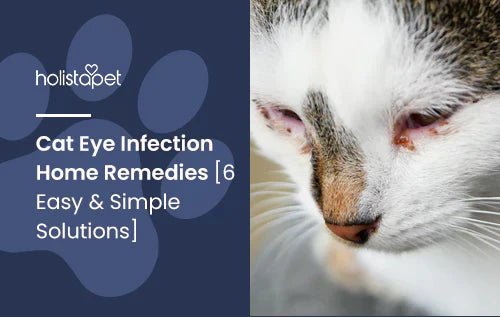
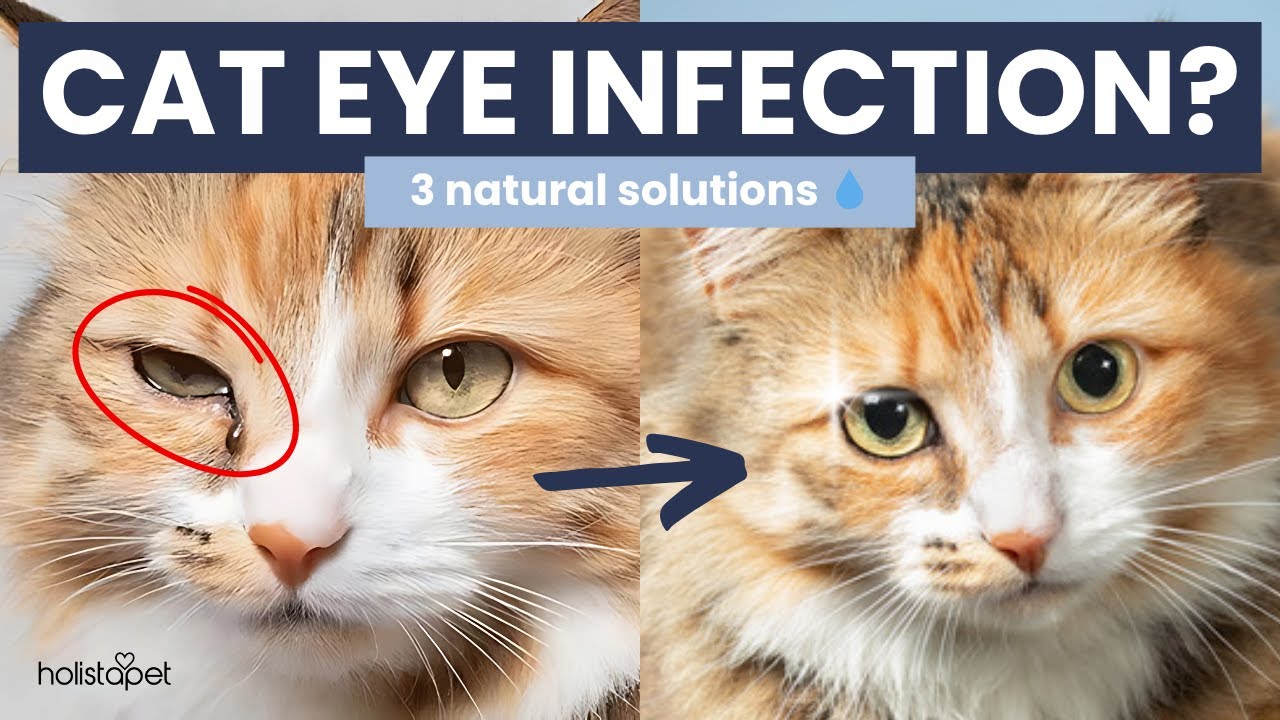
- Redness:Look for redness around the white part of the eye or the inner eyelid.
- Discharge:Clear, yellow, or green discharge can indicate infection. It might make the fur around the eye sticky.
- Swelling:Puffy eyelids or swelling around the eye socket are warning signs.
- Squinting or Blinking:If your cat keeps squinting or blinking more than usual, it could mean discomfort.
- Cloudiness:A cloudy or hazy appearance in the eye may suggest infection or injury.
- Excessive Tearing:Watery eyes that don’t clear up can be a sign of irritation.
- Behavioral Changes:Your cat might paw at their eye, avoid light, or become less active.
I once noticed my cat repeatedly pawing at one eye but thought it was just a habit. It turned out to be an infection that got worse because I delayed treatment. Catching these signs early can save your cat from unnecessary discomfort.
When To See A Vet
If you spot any of the symptoms above lasting more than a day or worsening, it’s time to consult a vet. Eye infections can progress quickly and lead to serious issues like vision loss.
Also, if your cat’s eye is swollen shut, has a lot of pus, or if your cat shows signs of pain such as hiding or loss of appetite, don’t wait. Immediate veterinary care is crucial.
Have you ever wondered how small symptoms could indicate something bigger? Trust your instincts about your cat’s health and act fast to give them the care they need.
Credit: www.holistapet.com
Causes Of Cat Eye Infections
Understanding the causes of eye infections in cats is essential for effective treatment and prevention. Eye infections can develop quickly and may cause discomfort or more serious health issues if ignored. Knowing what triggers these infections helps you spot problems early and take the right action to protect your feline friend.
Bacterial And Viral Infections
Bacteria and viruses are common culprits behind cat eye infections. These microorganisms invade the eye, causing redness, swelling, and discharge. Cats with weakened immune systems or those living in crowded environments are more vulnerable to these infections.
Have you noticed your cat's eyes watering excessively or turning red? These could be signs of a bacterial or viral infection needing prompt attention. Vaccinations and maintaining a clean environment can lower the risk of viral eye infections.
Allergies And Irritants
Just like people, cats can suffer from allergies that affect their eyes. Dust, pollen, smoke, or certain chemicals can irritate their sensitive eyes, leading to inflammation and infection. If your cat frequently rubs its eyes or blinks excessively, allergies might be the cause.
Think about changes in your cat’s environment that could expose them to new irritants. Simple steps like regular cleaning and avoiding strong scents can make a big difference in preventing allergic reactions.
Injury And Foreign Bodies
An injury to the eye or a foreign object like dirt, grass, or a small twig can cause infection. Cats are curious and often explore tight spaces, increasing their risk of eye injuries. Even minor scratches can introduce bacteria and lead to infection if not treated.
Have you checked your cat’s eyes after outdoor playtime? Promptly removing debris and seeking veterinary care for injuries can prevent complications. Keeping your cat’s environment safe helps reduce these risks significantly.
Home Remedies For Eye Infection
Dealing with your cat's eye infection at home can feel overwhelming, but simple remedies can provide relief and support healing. These methods focus on gentle care and cleanliness, helping reduce discomfort and prevent further irritation. Are you ready to learn how to help your feline friend feel better without rushing to harsh chemicals or medicines?
Cleaning The Eye Safely
Keeping your cat’s eye clean is essential to remove discharge and reduce bacteria. Use a soft, damp cloth or a cotton ball soaked in warm water to gently wipe away any crust or debris from the corner of the eye outward.
Avoid using harsh soaps or chemicals that might irritate your cat’s sensitive eye. Remember to use a fresh cloth or cotton ball for each eye if both are affected, preventing cross-contamination.
Warm Compress Application
Applying a warm compress can soothe your cat’s irritated eye and help loosen any stuck discharge. Soak a clean cloth in warm water, wring out excess moisture, and gently hold it against the eye for about 5 minutes.
This simple step can reduce swelling and promote natural drainage. How often? Try repeating this 2-3 times daily, but always watch for signs of increased redness or discomfort.
Using Over-the-counter Solutions
Some mild, over-the-counter eye washes designed for pets can assist in flushing out irritants. Look for saline-based solutions free of additives or preservatives, and always follow the product instructions carefully.
Consult your vet before trying any new product, especially if your cat’s eye infection worsens or doesn’t improve within a few days. What safe options have you found helpful in caring for your cat’s eyes?

Credit: medicanimal.com
Veterinary Treatments
Veterinary treatments are essential for curing eye infections in cats. A vet will diagnose the infection type and severity. Treatment plans depend on the cause and symptoms. Professional care helps avoid complications and speeds up healing.
Prescription Eye Drops And Ointments
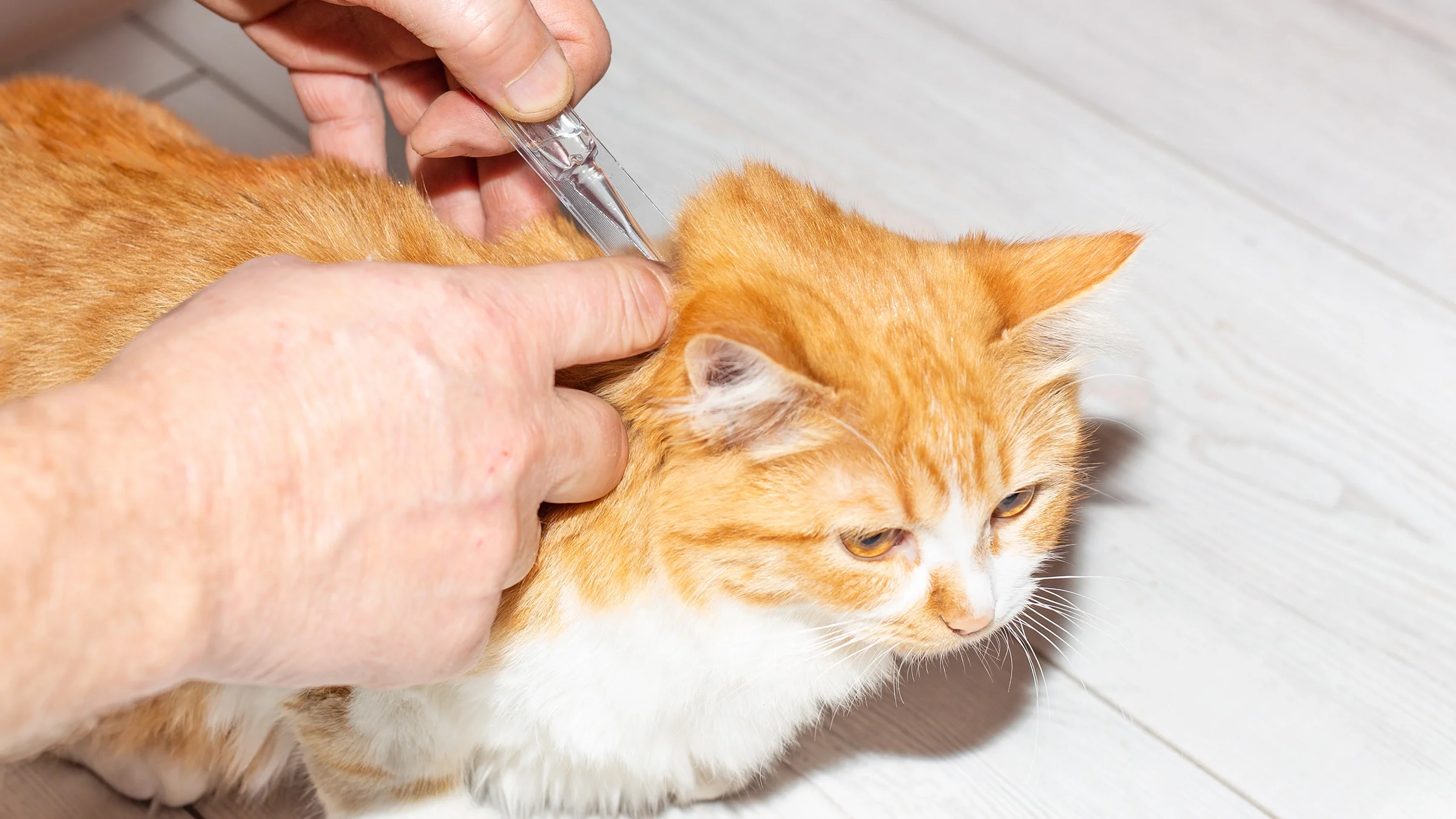
Vets often prescribe eye drops or ointments for direct treatment. These medications reduce inflammation and kill bacteria or viruses. Applying them gently to your cat’s eye is important. Consistency in use ensures the infection clears quickly.
Oral Medications
Some infections need oral antibiotics or antiviral drugs. Vets provide pills or liquids to fight deeper infections. Oral medicines support eye drops and help your cat feel better. Always follow the vet’s dosage instructions carefully.
Follow-up Care
Follow-up visits check how well the treatment works. The vet may adjust medicines or suggest extra care steps. Monitor your cat’s eyes daily for changes or worsening. Early detection of problems helps prevent serious damage.
Preventing Future Eye Infections
Preventing future eye infections in cats is key to keeping them healthy and comfortable. Eye infections can cause pain and vision problems if untreated. Regular care and attention reduce the chance of infections coming back. Small daily habits protect your cat’s eyes and improve overall eye health.
Maintaining Eye Hygiene
Clean your cat’s eyes gently every day. Use a soft, damp cloth or cotton ball with warm water. Remove dirt and discharge carefully to avoid irritation. Never use soap or harsh chemicals near the eyes. Trim hair around the eyes to stop dirt buildup. Good hygiene helps stop bacteria and viruses from causing infections.
Regular Vet Checkups
Schedule vet visits for your cat at least once a year. The vet can spot early signs of eye problems before they worsen. Follow the vet’s advice on eye care and medications. Vaccinations help prevent some infections that affect the eyes. Early treatment saves your cat from pain and long-term damage.
Managing Environmental Factors
Keep your cat’s living space clean and dust-free. Avoid smoky or dusty areas that irritate the eyes. Provide fresh air but protect your cat from strong winds. Limit your cat’s contact with other animals that may carry infections. Use safe, non-toxic cleaning products around your home. A healthy environment lowers infection risks.
Frequently Asked Questions
What Are Common Signs Of Eye Infection In Cats?
Common signs include redness, swelling, discharge, squinting, and excessive blinking. Your cat may also paw at the eye or show sensitivity to light. Early detection helps prevent complications and speeds up recovery.
How Can I Safely Clean My Cat’s Infected Eye?
Use a damp, clean cloth with warm water to gently wipe away discharge. Avoid using cotton swabs or harsh chemicals. Always clean from the inner corner outward to prevent spreading infection.
When Should I Take My Cat To The Vet For Eye Infection?
Visit the vet if symptoms worsen, discharge is yellow or green, or if your cat shows pain. Immediate care is crucial if the eye is swollen or the cat stops eating or playing.
What Treatments Are Effective For Cat Eye Infections?
Treatment typically includes antibiotic eye drops or ointments prescribed by a vet. Sometimes oral medications are necessary. Follow all instructions carefully to ensure full recovery and prevent recurrence.
Conclusion
Caring for a cat with an eye infection requires patience. Always consult a vet for guidance. Regular cleaning can help prevent worsening. Use prescribed medications carefully. Monitor your cat's progress daily. Ensure your home is clean to avoid re-infection. A healthy diet supports healing.
Watch for signs of improvement or worsening. Early intervention is key. Never ignore symptoms. Your cat's comfort is important. Keep their eyes safe and healthy. Seek professional help when needed. A little attention goes a long way. Your furry friend's health matters.
Stay observant and proactive. Your cat will thank you.