Is your feline friend acting out of sorts? If you've noticed your cat making frequent trips to the litter box or straining while trying to urinate, they might be suffering from a bladder infection.
These symptoms can be concerning, but the good news is that there are effective ways to manage and treat this condition right at home. In this guide, you'll discover practical steps and helpful tips to provide your cat the relief they need.
You'll learn how to spot symptoms early and explore home remedies that can make a difference. By the end of this article, you'll feel confident in your ability to support your cat’s health and well-being. Let's ensure your furry companion gets back to their playful self in no time.
Symptoms Of Cat Bladder Infection
Recognizing the symptoms of a bladder infection in cats is key to early care. Cats often hide pain well, so watch closely. Changes in their normal habits or behavior can signal trouble. Spotting these signs helps you act quickly to ease their discomfort.
Changes In Urination Habits
Look for frequent trips to the litter box. Your cat may urinate in small amounts or outside the box. There might be blood in the urine, which can look pink or red. Straining or crying while urinating also shows a problem.
Signs Of Discomfort
Your cat might lick the genital area more than usual. This behavior tries to soothe irritation. Notice if your cat seems restless or has difficulty sitting. Sometimes, they may show signs of pain when touched near the belly.
Other Behavioral Clues
Watch for changes in appetite or energy. A cat with a bladder infection may hide or avoid interaction. Sudden aggression or unusual vocalizations can also happen. These subtle signs often indicate your cat feels unwell.
Causes Of Bladder Infections
Understanding the causes of your cat's bladder infection is essential before you start treating it at home. Knowing what triggers these infections can help you prevent future problems and support your cat’s recovery effectively. Let’s break down the main factors that often lead to bladder infections in cats.
Bacterial Infections
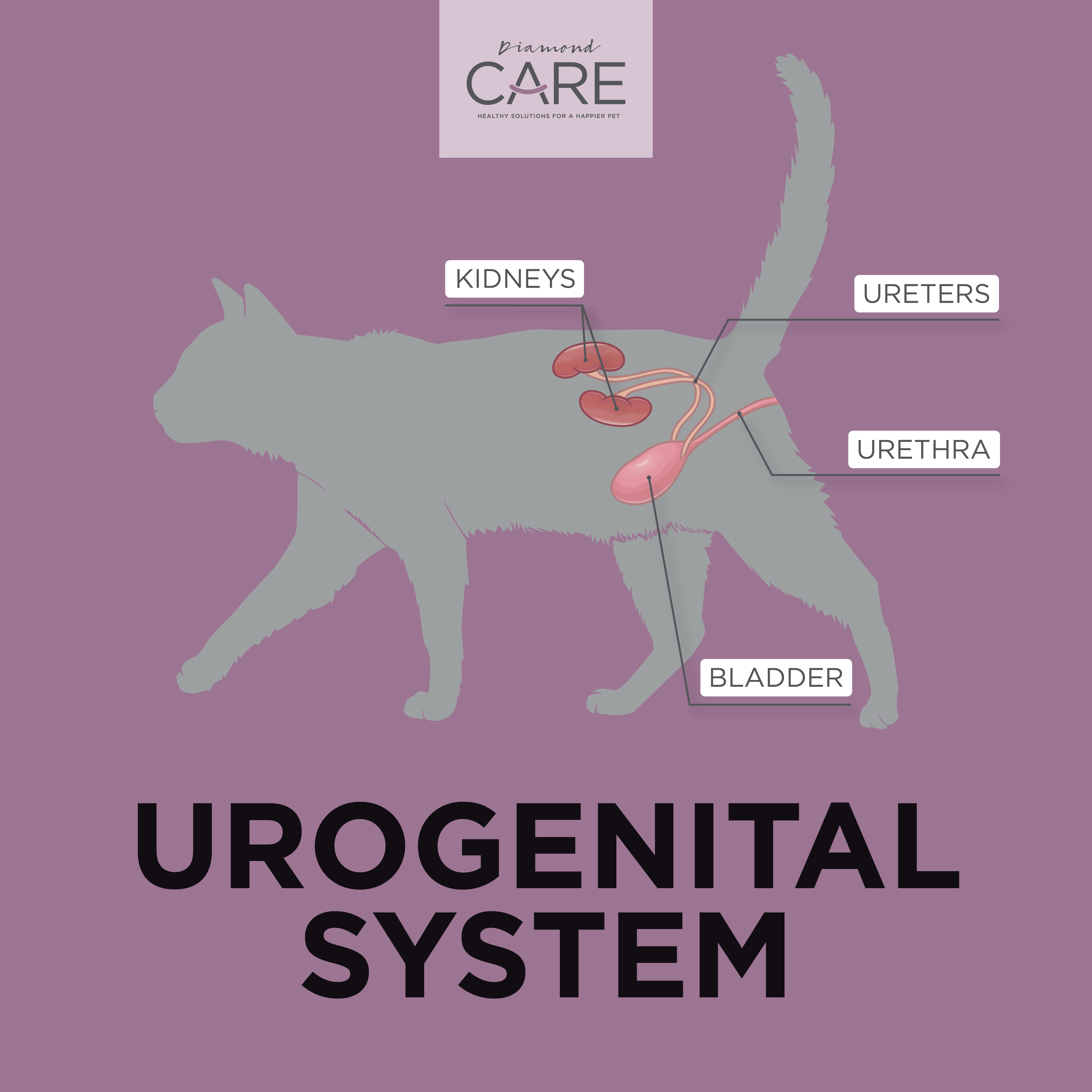
Bacteria are the most common cause of bladder infections in cats. These microbes can enter the urinary tract through the urethra, causing inflammation and discomfort. Cats with weakened immune systems are especially vulnerable to these infections.
Have you noticed your cat licking its private areas more than usual? This behavior might indicate irritation caused by bacteria. Early detection and keeping your cat’s litter box clean can reduce the risk of bacterial buildup.
Diet And Hydration Factors
Your cat’s diet plays a big role in bladder health. Foods low in moisture can lead to concentrated urine, which irritates the bladder lining and creates an environment where bacteria thrive. Dry kibble alone might not provide enough hydration, especially if your cat doesn’t drink much water.
Adding wet food or encouraging your cat to drink more water can dilute the urine and flush out harmful bacteria. Have you tried placing multiple water bowls around your home or using a cat water fountain? These small changes can make a big difference.
Underlying Health Issues
Sometimes, bladder infections are symptoms of other health problems. Conditions like diabetes, kidney disease, or bladder stones can increase the risk of infections by affecting urine flow or the immune system. If your cat has recurring infections, it’s important to check for these underlying causes.
Does your cat have any other health concerns or unusual behaviors? Sharing these details with your vet can help identify hidden issues and guide more effective treatment strategies.
Home Remedies To Relieve Symptoms
Home remedies can help ease your cat's bladder infection symptoms. They support healing and comfort at home. These natural approaches reduce pain and inflammation gently. Use them alongside veterinary care for best results.
Increasing Water Intake
Water flushes out bacteria and helps the bladder heal. Offer fresh water in multiple bowls around the house. Use a pet fountain to encourage drinking. Wet cat food also boosts water intake. Monitor how much your cat drinks daily.
Natural Supplements
Certain supplements may soothe bladder irritation. Cranberry extract helps prevent bacterial growth. Probiotics support healthy urinary tract bacteria. Omega-3 fatty acids reduce inflammation. Always check with a vet before starting supplements.
Dietary Adjustments
Diet affects bladder health significantly. Feed high-quality, balanced food without fillers. Avoid dry food alone; mix in wet food for moisture. Some diets promote urinary tract health specifically. Consult your vet for the best diet plan.

Credit: www.amazon.com
Safe Herbal Treatments
Safe herbal treatments can offer gentle support to your cat’s recovery from a bladder infection. These natural options often come with fewer side effects than pharmaceuticals, making them appealing for at-home care. However, it’s crucial to know which herbs are effective and safe for your feline friend.
Cranberry Extract Benefits
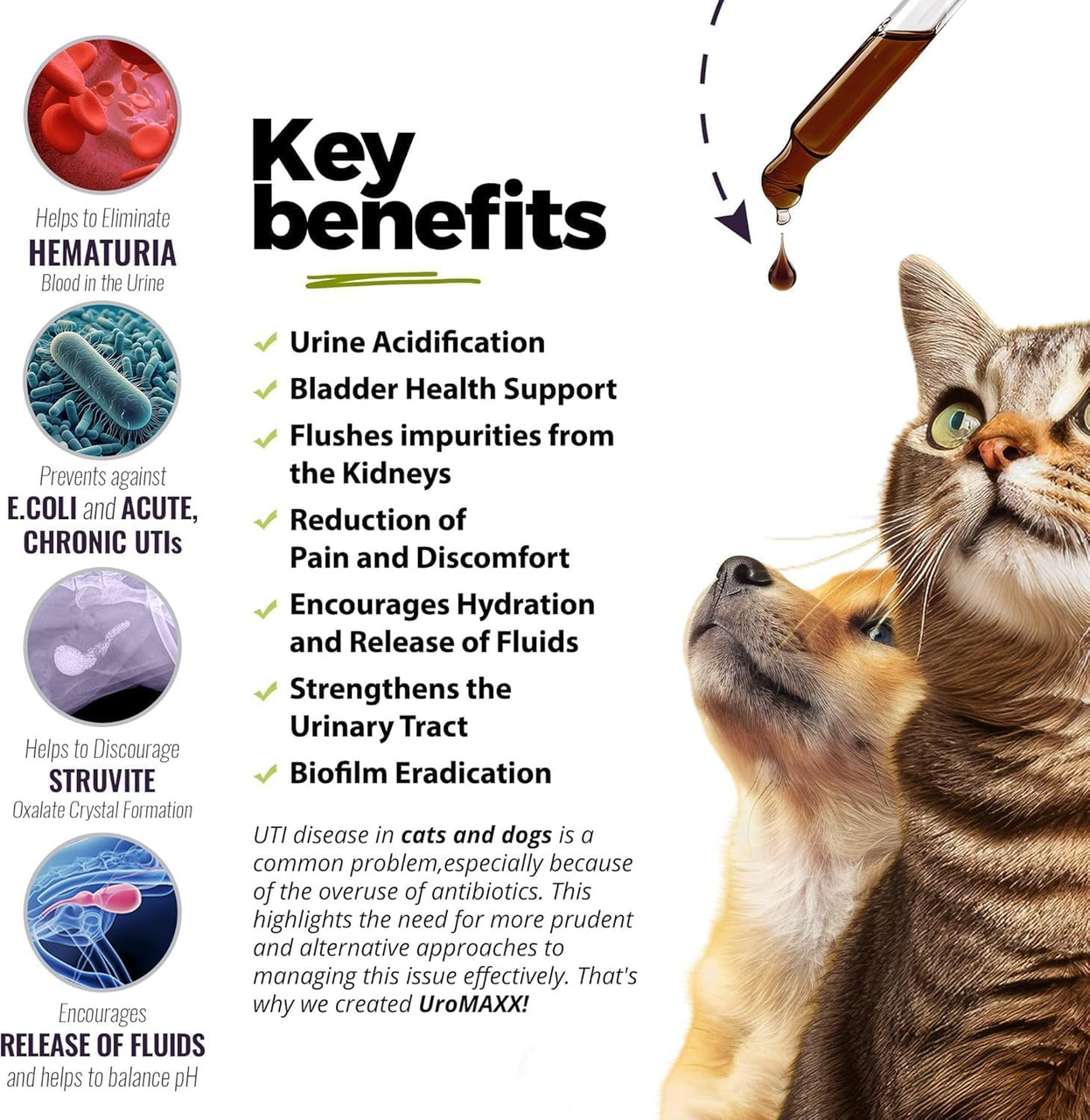
Cranberry extract is popular for urinary health in both humans and cats. It helps prevent bacteria from sticking to the bladder walls, which may reduce infection risks. Adding cranberry extract to your cat’s diet can be a simple way to support healing, but always check the correct dosage with your vet.
Many cat owners notice improvements after consistent use, especially when combined with increased water intake. Have you ever tried cranberry supplements for your pet?
D-mannose Usage
D-Mannose is a type of sugar that targets harmful bacteria in the urinary tract. It works by binding to E. coli bacteria, helping flush them out during urination. This can reduce infection duration and discomfort without harming beneficial bacteria.
You can find D-Mannose in powder or capsule form and mix it into your cat’s food or water. Remember, precise dosing is key to avoid digestive upset. Would you consider this natural alternative before antibiotics?
Other Herbal Options
Besides cranberry and D-Mannose, several herbs may support urinary health. Marshmallow root soothes inflammation, while uva ursi has mild antibacterial properties. Corn silk can also help ease bladder irritation and promote urine flow.
- Marshmallow Root:Use as a tea or supplement to reduce bladder discomfort.
- Uva Ursi:Acts as a natural antiseptic but should be used cautiously and short-term.
- Corn Silk:Helps flush the urinary system and calm irritation.
Always introduce new herbs slowly and observe your cat’s reaction. Have you explored any of these herbs in your pet’s care routine yet?
Maintaining Cat Hygiene
Maintaining good hygiene plays a key role in helping a cat recover from a bladder infection. Clean surroundings reduce bacteria and prevent reinfection. Keeping your cat clean also helps them feel comfortable and heal faster.
Litter Box Cleaning Tips
Clean the litter box daily to keep it fresh and safe. Remove clumps and waste every day. Use mild, unscented litter to avoid irritation. Wash the box with warm water and mild soap weekly. Avoid strong chemicals that can harm your cat’s skin or nose. Place the litter box in a quiet, easy-to-access spot.
Regular Grooming
Brush your cat’s fur gently to remove dirt and loose hair. Keep the area around the genitals clean by wiping with a damp cloth if needed. Trim nails carefully to prevent scratches that can cause infections. Bathing is usually not needed but can help if your cat gets very dirty. Use cat-safe grooming products only.
Environment Control
Keep your cat’s resting area clean and dry at all times. Wash bedding regularly in warm water. Avoid damp or dusty places where bacteria can grow. Provide fresh water to encourage frequent urination. Maintain a calm environment to reduce stress, which can worsen infections.
Credit: www.diamondpet.com
When To Seek Veterinary Care
Knowing when to seek veterinary care is vital for your cat’s health. Some signs show the infection is serious or worsening. Acting fast can prevent pain and dangerous problems. Home care works for mild cases but not all. Watch your cat closely and trust your instincts.
Warning Signs
- Frequent or painful urination
- Blood in the urine
- Straining to urinate or inability to urinate
- Licking the genital area excessively
- Loss of appetite or vomiting
- Unusual lethargy or hiding
- Strong or foul-smelling urine
Potential Complications
Bladder infections can block urine flow, causing serious harm. This can lead to kidney damage or bladder rupture. Untreated infections may spread to other organs. Your cat can suffer from severe pain and health decline. Quick treatment reduces the risk of these problems.
Professional Treatment Options
- Antibiotics prescribed after urine tests
- Fluid therapy to flush the bladder
- Pain relief medications
- Ultrasound or x-rays to check bladder health
- Special diets to prevent recurrence
- Hospitalization in severe cases
Credit: www.abetterwaypetcare.com
Frequently Asked Questions
What Are Common Symptoms Of A Cat's Bladder Infection?
Common symptoms include frequent urination, straining, blood in urine, and licking the genital area. Cats may also show signs of discomfort or urinating outside the litter box.
How Can I Safely Treat My Cat’s Bladder Infection At Home?
Ensure your cat drinks plenty of water and offer a balanced diet. Use prescribed antibiotics from a vet and keep the litter box clean to prevent further infection.
When Should I See A Vet For My Cat’s Bladder Infection?
If symptoms persist more than 48 hours or worsen, seek veterinary care. Immediate vet attention is needed for severe pain, vomiting, or inability to urinate.
Can Diet Changes Help Prevent Bladder Infections In Cats?
Yes, feeding a wet food diet and avoiding high magnesium content can reduce infection risk. Proper hydration supports urinary tract health and prevents crystal formation.
Conclusion
Treating your cat’s bladder infection at home needs care and patience. Keep your cat hydrated with fresh water each day. Use warm compresses to ease discomfort. Make sure your cat rests in a quiet place. Watch for signs that the infection may get worse.
Contact your vet if symptoms continue or worsen. Simple steps can help your cat feel better fast. Small actions make a big difference in healing. Your cat depends on you for comfort and care. Stay attentive, and you can help your pet recover safely.