
Your beloved cat, a master of grace and agility, suddenly starts limping, and you can’t help but feel a pang of worry. A sprained leg in cats is more common than you might think, and knowing how to treat it at home can make a world of difference for your furry friend.
Imagine the relief of being able to soothe your cat’s discomfort and help them back on all four paws without a trip to the vet. You'll discover simple, effective steps to treat a cat’s sprained leg right in the comfort of your home.
Are you ready to become your cat’s hero and ensure their speedy recovery? Read on to find out how you can provide the care they need and give them the comfort they deserve.

Credit: www.amazon.com
Signs Of A Sprained Leg In Cats
Noticing the signs of a sprained leg in your cat early can make a big difference in how quickly they recover. Cats are masters at hiding pain, so spotting subtle clues is key. Understanding these signs helps you decide if you can care for your cat at home or if professional help is necessary.
Common Symptoms
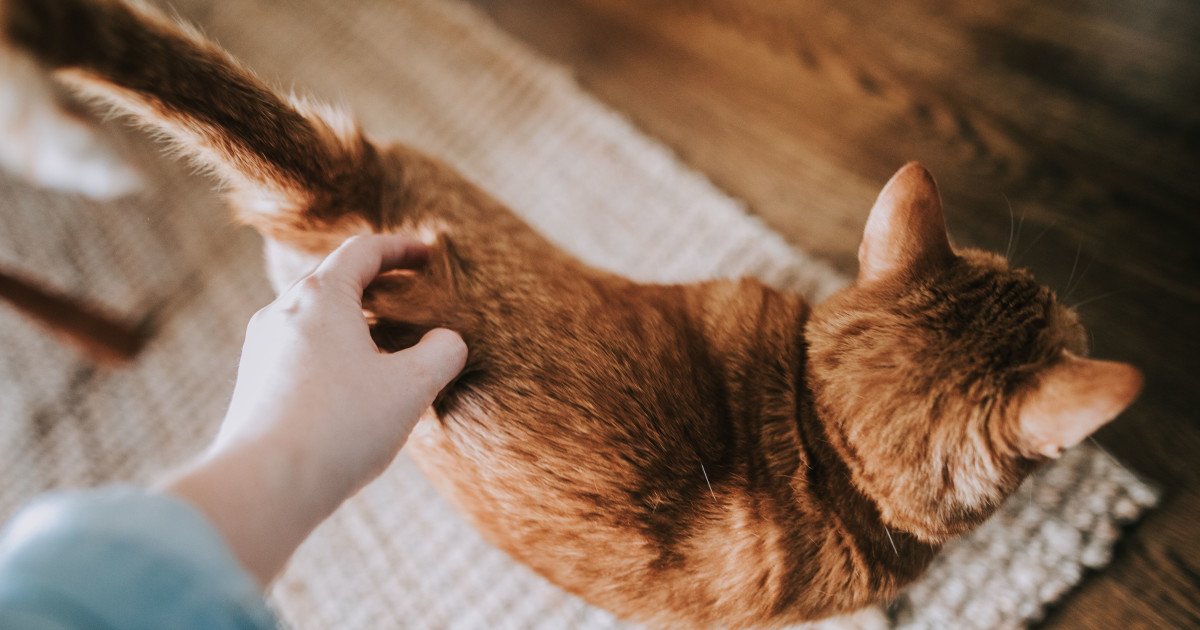
You might see your cat limping or favoring one leg. Swelling around the injured area is common, but sometimes it's mild and easy to miss. Your cat may also hold the leg stiffly or avoid putting weight on it altogether.
Other signs include:
- Visible tenderness when you gently touch the leg
- Warmth or redness around the injury site
- Occasional licking or biting at the leg
Have you noticed your cat suddenly avoiding jumps or slowing down? These changes can be subtle signals of discomfort.
Behavioral Changes
Besides physical symptoms, your cat’s behavior can tell you a lot. A sprained leg often makes cats less playful and more withdrawn. They might hide more than usual or seem irritable when approached.
Some cats may refuse to eat or groom themselves properly, which shows they're not feeling well. Pay attention if your friendly kitty suddenly becomes clingy or restless—it could be their way of asking for help.
When To Seek Vet Help
If your cat’s limp doesn’t improve after 24 to 48 hours, it’s time to see a vet. Severe swelling, intense pain, or inability to use the leg are red flags that need professional care. Also, if your cat seems lethargic or has a fever, these signs go beyond a simple sprain.
Remember, what looks like a sprain could be a fracture or a more serious injury. Don’t hesitate to get an expert opinion to avoid complications. Have you ever tried treating your cat’s injury at home only to realize it needed a vet? Learning to recognize these warning signs can save your cat from unnecessary pain.
Credit: walkinpets.com
Initial Care Steps
Taking care of a cat with a sprained leg starts with quick and gentle actions. The first moments after the injury are crucial. Calmness and control help reduce pain and avoid further damage. Follow these initial care steps to support your cat’s healing process at home.
Keeping Your Cat Calm
A calm cat feels less pain and stress. Speak softly and move slowly around your cat. Create a quiet space with familiar blankets or toys. Avoid loud noises and sudden actions. Hold your cat gently if needed, but do not force movement.
Limiting Movement
Keep your cat still to prevent worsening the injury. Confine your cat to a small room or a cozy carrier. Remove objects that cause jumping or running. Avoid allowing your cat to climb furniture or stairs. Rest is key to healing a sprained leg.
Applying Cold Compress
Cold helps reduce swelling and pain after a sprain. Wrap ice cubes or a frozen pack in a towel. Apply the cold compress to the injured leg for 10 to 15 minutes. Repeat this every few hours during the first day. Never place ice directly on the skin.
Home Treatment Methods
Home treatment can help your cat heal from a sprained leg. Acting quickly reduces pain and speeds recovery. Gentle care and proper support are essential. Follow these simple methods to treat your cat’s injury at home.
Bandaging Techniques
Use clean, soft gauze to wrap the injured leg. Start below the paw and wrap upward without cutting off circulation. Avoid wrapping too tight to prevent swelling. Secure the bandage with medical tape. Change the bandage daily to keep it dry and clean. Watch for signs of discomfort or swelling.
Using Supportive Slings
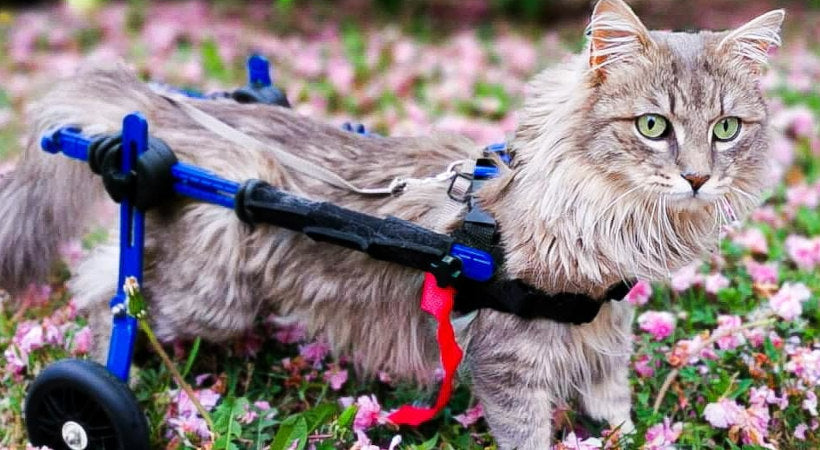
A sling can help keep your cat’s leg stable. Use a soft cloth or towel to create a gentle support under the leg. Hold the sling firmly but gently around your cat’s body. This support limits movement and prevents further injury. Keep the sling on only when your cat moves around. Remove it during rest to avoid pressure sores.
Pain Management At Home
Offer a quiet and cozy space for your cat to rest. Avoid giving human painkillers, as they can be toxic. Use cold compresses wrapped in cloth on the injured leg for 10-15 minutes. This reduces swelling and pain. Consult your vet before giving any medication. Observe your cat’s behavior to gauge pain levels.
Monitoring Recovery
Monitoring your cat's recovery after a sprained leg is crucial. It helps ensure your pet heals properly and avoids further injury. Careful observation lets you catch problems early and adjust care as needed. Keep a close eye on your cat’s behavior and physical condition every day.
Tracking Improvement
Note changes in your cat’s movement and comfort. Look for more weight on the injured leg and less limping. Watch for increased activity and playfulness. Keep a simple daily log to record these changes. This helps you see steady progress or spot any setbacks.
Signs Of Complications
- Swelling that gets worse instead of better
- Persistent limping or refusal to use the leg
- Visible wounds or bleeding
- Excessive pain or vocalizing when touched
- Fever or loss of appetite
Notice any of these signs? Contact your vet immediately. Early action can prevent serious problems.
Adjusting Care Routine
Change the care plan based on your cat’s recovery speed. If healing is slow, limit movement more. Provide extra rest and avoid jumping or running. If your cat improves, slowly increase activity. Keep wounds clean and dry. Adjust feeding or medication as your vet advises. Stay flexible and patient throughout the healing process.
Preventing Future Injuries
Preventing future injuries is key to keeping your cat healthy and active. A sprained leg can cause pain and limit movement. Taking simple steps can reduce risks and protect your cat’s legs. Focus on creating a safe space, encouraging exercise, and providing good nutrition. These help your cat stay strong and avoid harm.
Safe Home Environment
Keep your home free of hazards. Remove sharp objects and clutter from floors and walkways. Use non-slip mats on slippery surfaces. Block access to high places that can cause falls. Check that windows and balconies are secure. Create cozy resting spots low to the ground. This reduces the chance of accidents and injuries.
Regular Exercise
Exercise keeps your cat’s muscles and joints strong. Encourage play with toys like feathers, balls, or laser pointers. Schedule short, frequent play sessions daily. Avoid sudden, high-impact activities that strain legs. Gentle movement helps improve balance and flexibility. Healthy activity lowers the risk of sprains and strains.
Proper Nutrition
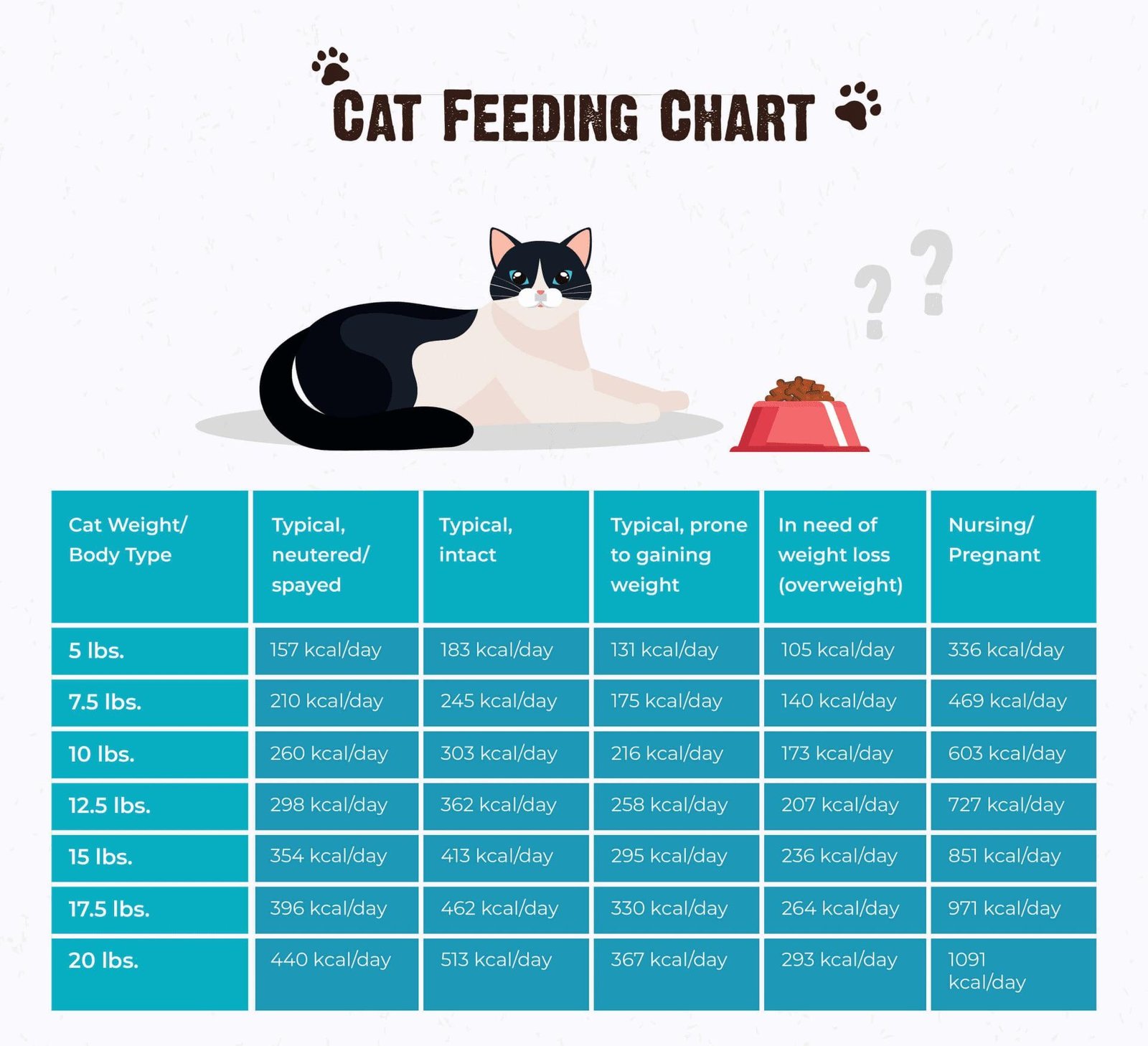
Good nutrition supports muscle and bone health. Feed a balanced diet with quality protein and essential vitamins. Include foods rich in omega-3 fatty acids to reduce inflammation. Provide fresh water at all times. Avoid overfeeding to prevent excess weight, which strains legs. A healthy diet strengthens your cat’s body and aids recovery.

Credit: petcube.com
Frequently Asked Questions
How Can I Tell If My Cat Has A Sprained Leg?
Look for limping, swelling, or reluctance to move. Cats may also lick the injured leg frequently. If your cat shows these signs, a sprain might be the cause.
What Immediate Care Should I Give For A Cat’s Sprain?
Limit your cat’s movement and provide a quiet resting area. Apply a cold compress gently to reduce swelling. Avoid giving any medication without a vet’s advice.
How Long Does It Take For A Cat’s Sprain To Heal?
Most cat sprains heal within 2 to 4 weeks with proper care. Healing time depends on the injury’s severity and your cat’s overall health.
When Should I See A Vet For My Cat’s Sprained Leg?
Consult a vet if swelling worsens, your cat is in severe pain, or mobility does not improve after a few days. Persistent limping always needs professional evaluation.
Conclusion
Treating a cat’s sprained leg at home takes care and patience. Keep your cat calm and limit its movement. Use gentle cold compresses to reduce swelling. Watch for signs of pain or worsening condition. Always keep the injured leg clean and dry.
Rest helps your cat heal faster and better. If the leg does not improve in a few days, see a vet for advice. Small actions can make a big difference in your cat’s recovery. Your careful attention helps your cat feel safe and heal well.