Is your cat sneezing, sniffling, or acting tired? A cold can make your furry friend uncomfortable and slow down their playful spirit.
You want to help your cat feel better fast, but you might not know where to start. Don’t worry—treating a cat cold at home is easier than you think. You’ll discover simple, effective steps to ease your cat’s symptoms and support their recovery.
Keep reading to learn how you can bring comfort to your pet and get them back to their happy, healthy self.

Credit: trudellanimalhealth.com
Symptoms Of A Cat Cold
Recognizing the symptoms of a cat cold early can make a big difference in how quickly your furry friend recovers. Cats can’t tell us when they feel unwell, so it’s up to you to notice the subtle signs. Understanding these symptoms helps you provide the right care and know when to seek veterinary help.
Common Signs To Watch For
Cat colds often show up as respiratory issues. You might see your cat sneezing frequently or coughing. Watery eyes and a runny nose are also common symptoms that can be easy to spot.
Changes in appetite or energy levels are important, too. If your cat suddenly eats less or seems more tired than usual, it could be a sign they’re not feeling well. Pay attention to their breathing; it might become labored or noisy.
- Sneezing and coughing
- Watery or red eyes
- Runny or congested nose
- Loss of appetite
- Lethargy or unusual tiredness
- Labored or noisy breathing
When Symptoms Worsen
If you notice your cat's symptoms getting worse instead of better, it’s time to act. Persistent sneezing, thick yellow or green discharge, and difficulty breathing are warning signs. These could indicate a secondary infection or something more serious.
Other signs to watch for include swelling around the eyes or face, a high fever, or refusal to drink water. If your cat stops grooming or becomes very withdrawn, you should contact your vet immediately.
Have you ever caught your cat’s cold early enough to prevent it from getting worse? Watching closely can help you keep your cat comfortable and healthy.
Home Care Essentials
Providing the right care at home helps your cat recover faster from a cold. Simple changes in your cat’s environment and routine make a big difference. Focus on comfort, hydration, and nutrition to support healing.
Creating A Comfortable Space
Choose a quiet, warm spot for your cat to rest. Soft bedding keeps your cat cozy and reduces stress. Keep the area free from drafts and loud noises. Clean the space regularly to prevent germs from spreading.
Keeping Your Cat Hydrated
Fresh water must always be available. Offer water in shallow bowls easy to reach. Warm water can encourage your cat to drink more. Wet food helps increase fluid intake. Watch for signs of dehydration like dry gums or lethargy.
Maintaining Proper Nutrition
Feed your cat small, frequent meals to keep energy up. Choose easy-to-digest, nutritious food that your cat likes. Warm the food slightly to make it more appealing. Avoid forcing your cat to eat, but encourage eating gently. Good nutrition supports the immune system and speeds recovery.
Natural Remedies To Try
Natural remedies can be a gentle and effective way to ease your cat’s cold symptoms at home. These options often support your cat’s comfort without the need for harsh medications. Have you ever noticed how small changes in your environment or routine can make a big difference in your cat’s recovery?
Using Steam Therapy
Steam therapy helps clear your cat’s nasal passages, making it easier for them to breathe. You can create a steam-filled bathroom by running a hot shower with the door closed, then sitting with your cat in the room for about 10-15 minutes. The warm, moist air soothes irritated airways and helps loosen mucus.
Keep a close eye on your cat to ensure they don’t get too hot or stressed. This simple practice often reduces congestion and helps your pet feel more comfortable.
Saline Nasal Drops
Saline drops are a safe way to help clear your cat’s stuffy nose. You can buy pet-safe saline drops or make a gentle saltwater solution at home with a teaspoon of salt in a cup of warm water. Use a dropper to place a few drops in each nostril.
This can soften mucus and encourage your cat to breathe easier. Remember to be gentle and patient during this process, as your cat may not be used to having drops in their nose.
Herbal Supplements And Options
Certain herbs like elderberry, licorice root, and slippery elm are known for their natural soothing and immune-boosting properties. You can find these in pet-safe tinctures or teas formulated specifically for cats. Adding these supplements to your cat’s routine can support their immune system and help reduce symptoms.
Always check with your vet before introducing any herbal remedies, as some herbs can interact with medications or cause allergies. Have you ever tried natural supplements for your pet’s health? Sometimes, they offer unexpected relief.
Preventing The Spread
Stopping a cat cold from spreading in your home is crucial to protect your other pets and keep your household healthy. The virus can linger on surfaces and easily transfer from one cat to another. Taking simple but consistent steps can make a big difference in controlling the spread.
Cleaning And Disinfecting
Regular cleaning is your first defense against the cold virus. Focus on high-touch areas like food bowls, litter boxes, bedding, and toys. Use pet-safe disinfectants and wipe these surfaces daily to remove germs effectively.
Don’t forget to wash your hands thoroughly after handling the sick cat. Even your clothes can carry the virus, so changing your clothes after contact can help limit transmission. Have you noticed how quickly a cat cold can move through a multi-cat household? This cleaning routine can slow that down.
Isolating Affected Cats
Keeping your sick cat separated helps stop the illness from spreading. Set up a quiet, comfortable space where your cat can rest away from other pets. Use separate feeding and litter supplies to avoid cross-contamination.
Isolation might feel tough, especially if your cats are used to close contact, but it’s necessary. Have you ever seen how fast one sneeze can become several? By isolating the affected cat, you control the virus’s reach and give your pet a better chance to recover without reinfection.
When To Seek Veterinary Care
Knowing when to seek veterinary care for your cat cold is crucial. While many mild colds can be managed at home, some signs indicate your cat needs professional attention. Ignoring these signs can lead to more serious health issues.
Signs Of Serious Illness
Watch for symptoms that go beyond a simple cold. If your cat has difficulty breathing, persistent coughing, or a high fever above 103°F, these are red flags.
Other warning signs include:
- Loss of appetite lasting more than 24 hours
- Severe lethargy or weakness
- Discharge from eyes or nose that is thick, green, or yellow
- Sudden weight loss or dehydration
- Swelling around the face or neck
One time, I waited too long to take my cat to the vet, thinking it was just a cold. The vet found a secondary bacterial infection that needed antibiotics. That experience taught me not to ignore serious symptoms.
Treatment Options From Vets
Veterinarians can provide treatments that are not available at home. They may prescribe antibiotics if a bacterial infection is present or recommend antiviral medications in certain cases.
Other treatments vets might offer include:
- Fluid therapy to combat dehydration
- Oxygen therapy for cats with breathing difficulties
- Medications to reduce fever and inflammation
- Nutritional support if your cat refuses to eat
Remember, vets can also perform tests to rule out other diseases that mimic cold symptoms. Can you afford to wait and risk your cat’s health? When in doubt, a quick vet visit could save your cat from complications.

Credit: trudellanimalhealth.com

Credit: www.askariel.com
Frequently Asked Questions
What Are Common Symptoms Of A Cat Cold At Home?
Common symptoms include sneezing, nasal discharge, watery eyes, coughing, and mild fever. Cats may also show reduced appetite and lethargy. Early detection helps in effective home treatment and prevents worsening of symptoms.
How Can I Safely Relieve My Cat’s Cold Symptoms?
Keep your cat warm, hydrated, and comfortable. Use a humidifier or steam to ease congestion. Clean nasal discharge gently with a soft cloth. Avoid human medications and consult your vet if symptoms persist.
When Should I Consult A Vet For My Cat’s Cold?
Consult a vet if your cat shows difficulty breathing, high fever, persistent symptoms beyond 10 days, or severe lethargy. Early veterinary care can prevent complications and ensure proper treatment.
Can I Use Human Cold Medicine For My Cat?
No, human cold medicines can be toxic to cats. Always use medications prescribed by your vet. Incorrect treatments can worsen your cat’s condition and cause serious side effects.
Conclusion
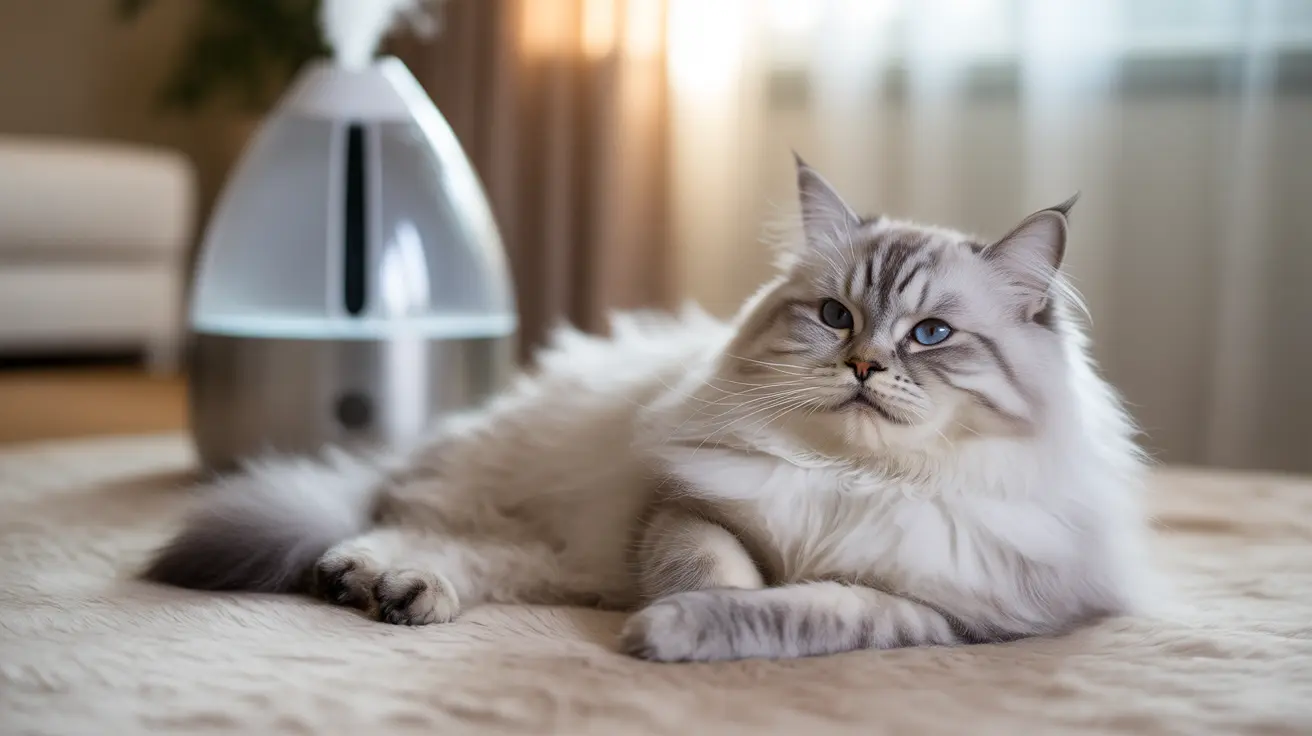
Caring for a cat with a cold requires patience and attention. Ensure your cat stays warm and comfortable. Offer plenty of fluids and nutritious food. Use a humidifier to ease breathing. Monitor symptoms closely. Seek a vet's advice if symptoms worsen.
Home remedies can help mild cases, but professional care ensures safety. A healthy environment boosts recovery. Keep your cat's area clean and free of drafts. With love and care, your feline friend will feel better soon. Remember, your cat's health is important.
Always prioritize their well-being.