
Seeing your beloved cat in pain because of a broken leg can be heart-wrenching. You might feel helpless, unsure of what steps to take next.
The good news is, while a vet visit is crucial for proper diagnosis and treatment, there are immediate actions you can take at home to ease your cat's discomfort and begin the healing process. Imagine transforming your home into a comforting haven where your furry friend feels safe and cared for during their recovery.
This guide will walk you through practical steps to treat a cat's broken leg at home, empowering you with the knowledge to make a significant difference in your pet's healing journey. Keep reading to learn how you can provide the best care and comfort for your injured cat right from your living room.
Recognize Broken Leg Signs
Recognizing the signs of a broken leg in your cat is crucial for providing timely care. Cats often hide their pain, making it tricky to spot an injury immediately. Knowing what to look for can help you act fast and prevent further harm.
Behavioral Changes
Have you noticed your cat suddenly avoiding movement or hiding more than usual? A cat with a broken leg might become unusually quiet or restless. They may also refuse to jump or climb their favorite spots, which is a strong warning sign.
Sometimes, cats show aggression or irritability when you try to touch the injured area. If your cat is licking or biting at a specific limb repeatedly, it could be trying to soothe pain. Pay attention to any changes in appetite or grooming habits, as these can signal discomfort.
Physical Symptoms
Look closely at your cat’s leg for swelling, bruising, or abnormal bending. You might feel or even see the bone protruding through the skin, which means immediate medical help is needed. Limping or holding the leg up without putting weight on it is a common sign of a break.
Check for wounds, bleeding, or unusual warmth around the injury site. These physical signs often go hand-in-hand with behavioral changes. Can you gently touch the leg without causing your cat to pull away or cry out? That reaction can tell you a lot about the severity of the injury.
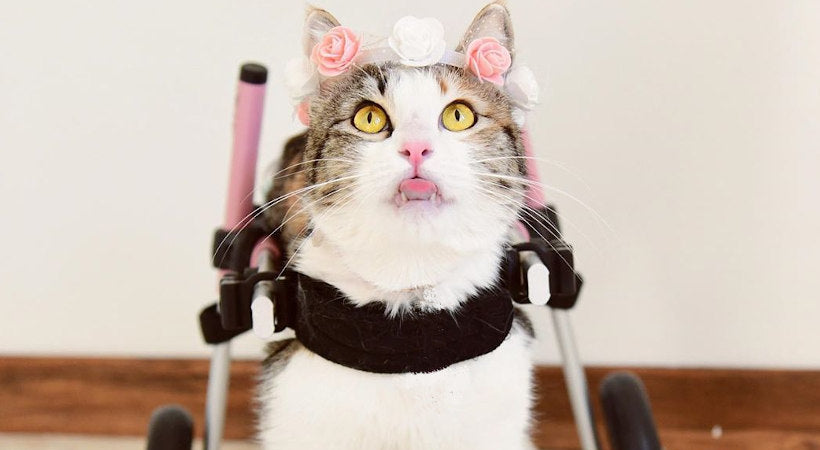
Credit: walkinpets.com
Initial Care And Safety
Dealing with a cat’s broken leg can be stressful, but your quick and calm actions during the initial care phase can make a big difference. Ensuring safety and minimizing pain are your top priorities before seeking professional help. Let’s focus on how to keep your cat calm and limit their movement effectively.
Keep Cat Calm
Your cat’s stress can increase pain and worsen the injury. Speak softly and move slowly to avoid startling them. You might wrap your cat gently in a towel or blanket to provide comfort and a sense of security.
Have you noticed how your cat reacts differently when you stay calm? Your calm energy helps soothe them, reducing panic. Avoid loud noises or sudden movements that could make your cat more anxious.
Limit Movement
Preventing your cat from moving too much is crucial to avoid further damage. Confine them in a small, quiet area like a bathroom or a crate if you have one. Use soft bedding to keep them comfortable and reduce pressure on the injured leg.
Think about how your cat tries to jump or run; stopping this behavior early can prevent complications. If you need to carry your cat, do so gently and support the injured leg to avoid extra pain. Remember, movement control is a key step before you reach the vet.
Prepare A Temporary Splint
Preparing a temporary splint is a crucial step in managing your cat’s broken leg before you can get professional veterinary care. It helps immobilize the injury, reducing pain and preventing further damage. You don’t need special tools—just some basic household items and careful handling.
Gather Materials
Start by collecting everything you need in one place to avoid rushing. You’ll need:
- Sturdy but flexible sticks or tongue depressors
- Soft padding like cotton balls, gauze, or a clean cloth
- Medical tape, vet wrap, or even strips of cloth
- Scissors to cut tape and padding
- Optional: a small towel to help hold your cat still
Have you ever tried to keep a squirming cat calm while doing something important? It’s tough, but gathering your materials first makes the process smoother and quicker.
Proper Splint Application
Start by gently wrapping the padding around the injured leg. This cushions the bone and protects the skin from the splint’s hardness.
Next, place the sticks or tongue depressors along the leg’s length, on both sides if possible. Make sure they don’t press directly on the wound or cause discomfort.
Use tape or cloth strips to secure the splint snugly but not too tight—you should be able to slip a finger between the splint and your cat’s leg. Over-tightening can cut off circulation and cause more harm.
While doing this, keep talking softly to your cat to calm them down. Have you noticed how your voice can sometimes soothe a scared pet? It’s a small but powerful tool.
Once the splint is applied, monitor your cat for signs of swelling or increased pain. A well-applied splint will stabilize the leg and make your cat more comfortable until you reach a vet.

Credit: pethelpful.com
Manage Pain And Discomfort
Managing your cat’s pain and discomfort after a broken leg is crucial for their healing and wellbeing. You want to make sure your furry friend feels as comfortable as possible without causing additional harm. Understanding which pain relief options are safe and which are dangerous can make all the difference in their recovery journey.
Safe Pain Relief Options
There are a few gentle ways you can help ease your cat’s pain at home. Applying a cold compress wrapped in a soft cloth to the injured area for 10-15 minutes can reduce swelling and soothe discomfort. Make sure not to apply ice directly to the skin to avoid frostbite.
You might also consider over-the-counter remedies specifically made for pets, but always check with your vet first. Some natural supplements like omega-3 fatty acids have anti-inflammatory properties and may support healing. Remember, your cat’s comfort is important, but never give any medication without professional advice.
Avoid Harmful Medications
It’s tempting to reach for human painkillers like ibuprofen or acetaminophen, but these can be deadly for cats. Even small amounts can cause severe organ damage or worse. Never give your cat any medicine unless your vet has prescribed it.
Be cautious about medications labeled for dogs or other animals too. Cats metabolize drugs differently, so what’s safe for one species can be toxic for another. If you’re unsure, don’t risk it—contact your vet immediately.
Have you ever wondered how quickly a simple mistake with medication could escalate? Your cat’s life depends on your caution and knowledge during this critical time.
Monitor For Infection
Keeping a close eye on your cat’s healing leg is essential to prevent infection. A broken bone can expose the wound to bacteria, which may cause complications if not caught early. You need to regularly inspect the injury and be alert to any changes that suggest infection is developing.
Check Wound Condition
Look at the wound carefully every day. The skin around the break should stay clean and dry. If you notice swelling, redness, or any discharge, these could be warning signs.
Gently touch the area to see if your cat reacts with pain or discomfort—it might mean irritation or infection is brewing. Make sure the bandage or splint isn’t too tight or dirty, as this can trap bacteria and slow healing.
Signs Of Infection
Watch for these clear signs:
- Increased redness or warmth near the injury
- Swelling that gets worse over time
- Pus or foul-smelling discharge
- Your cat licking or biting the wound excessively
- Fever or lethargy
Have you noticed your cat acting differently or the wound looking worse? Don’t wait to contact your vet if you see any of these signs. Early action can save your cat from serious health problems.
When To Seek Veterinary Help
Knowing when to seek veterinary help is crucial if your cat has a broken leg. While some minor injuries might be manageable at home, certain signs demand professional care immediately. Ignoring these signs can lead to serious complications or prolonged suffering for your furry friend.
Emergency Indicators
Watch closely for these urgent signs that require a vet’s attention right away:
- Severe bleeding:If the wound is bleeding heavily and doesn’t stop with gentle pressure, it’s an emergency.
- Bone protrusion:Visible bones poking through the skin always need immediate medical care.
- Extreme pain or vocalizing:If your cat is crying out loudly or seems inconsolable, professional help is necessary.
- Swelling and deformity:Noticeable swelling, misshapen limbs, or unnatural angles indicate a serious break.
- Inability to move or bear weight:If your cat refuses to put weight on the leg or won’t move at all, don’t wait to get help.
- Shock symptoms:Pale gums, rapid breathing, or weakness can mean your cat is in shock and needs urgent care.
Have you ever hesitated to go to the vet, thinking the injury wasn’t bad? It’s better to be safe than sorry when these signs appear.
Follow-up Care
Even after initial treatment at home, follow-up veterinary care is often necessary. Your vet can properly set the bone and provide pain relief that you can’t offer at home.
Healing a broken leg takes time and patience. Regular check-ups ensure the bone is healing correctly and prevent infections.
Ask your vet about:
- How to monitor your cat’s progress
- When to change bandages or splints
- Signs of infection or complications
- Adjusting activity levels to protect the healing leg
Remember, your role continues after the emergency. Close observation and timely vet visits make a huge difference in your cat’s recovery.
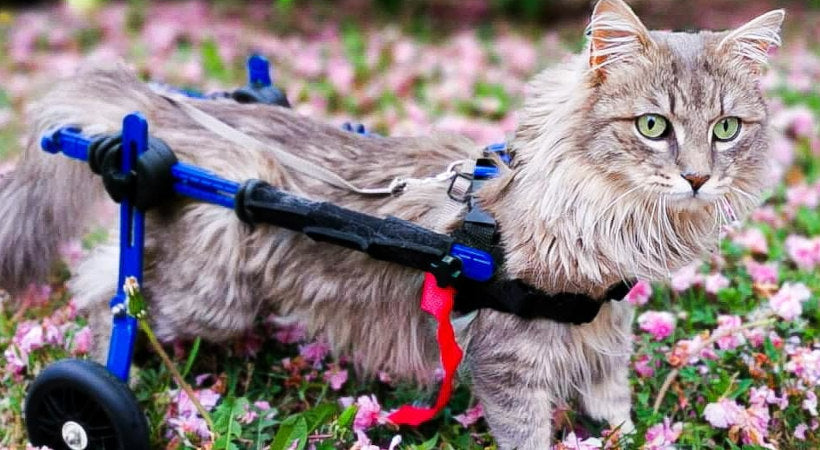
Credit: walkinpets.com
Frequently Asked Questions
How Can I Tell If My Cat Has A Broken Leg?
Look for swelling, limping, pain, or inability to put weight on the leg. Your cat may also vocalize discomfort or avoid using the injured limb. Immediate veterinary evaluation is essential for proper diagnosis and treatment.
What Are The First Steps To Treat A Cat’s Broken Leg?
Keep your cat calm and restrict movement to avoid further injury. Apply a cold compress to reduce swelling. Contact your vet promptly for professional care and pain management advice.
Can I Set My Cat’s Broken Leg At Home Safely?
No, setting a cat’s broken leg requires professional veterinary skills. Improper treatment can cause more harm. Always seek veterinary assistance for proper immobilization and healing.
How Long Does A Cat’s Broken Leg Take To Heal?
Healing typically takes 6 to 8 weeks, depending on fracture severity. Follow your vet’s care instructions closely during this period for best recovery results.
Conclusion
Treating a cat’s broken leg at home needs care and patience. Keep your cat calm and limit its movement. Use a clean, soft bandage to support the leg. Watch for signs of pain or swelling every day. Always keep your cat comfortable and warm.
Remember, home care helps, but a vet’s checkup is important. Quick action can help your cat heal well. Stay gentle and patient throughout the process. Your cat will thank you with love and trust.