If your cat has a burst abscess, you might be feeling worried and unsure about what to do next. Knowing how to treat this painful problem quickly can make all the difference in your cat’s comfort and recovery.
You want to help your furry friend heal safely, but where do you start? You’ll discover simple and effective steps to care for a burst abscess at home and when to seek veterinary help. Keep reading to make sure your cat gets the best care possible—because your pet deserves nothing less.
Credit: urbananimalveterinary.com
Identifying A Burst Abscess
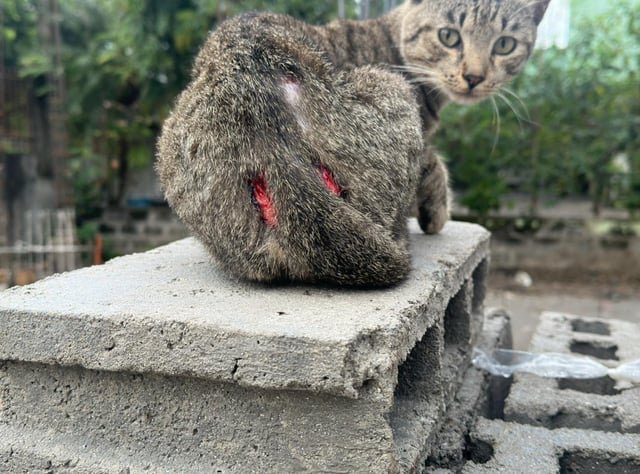
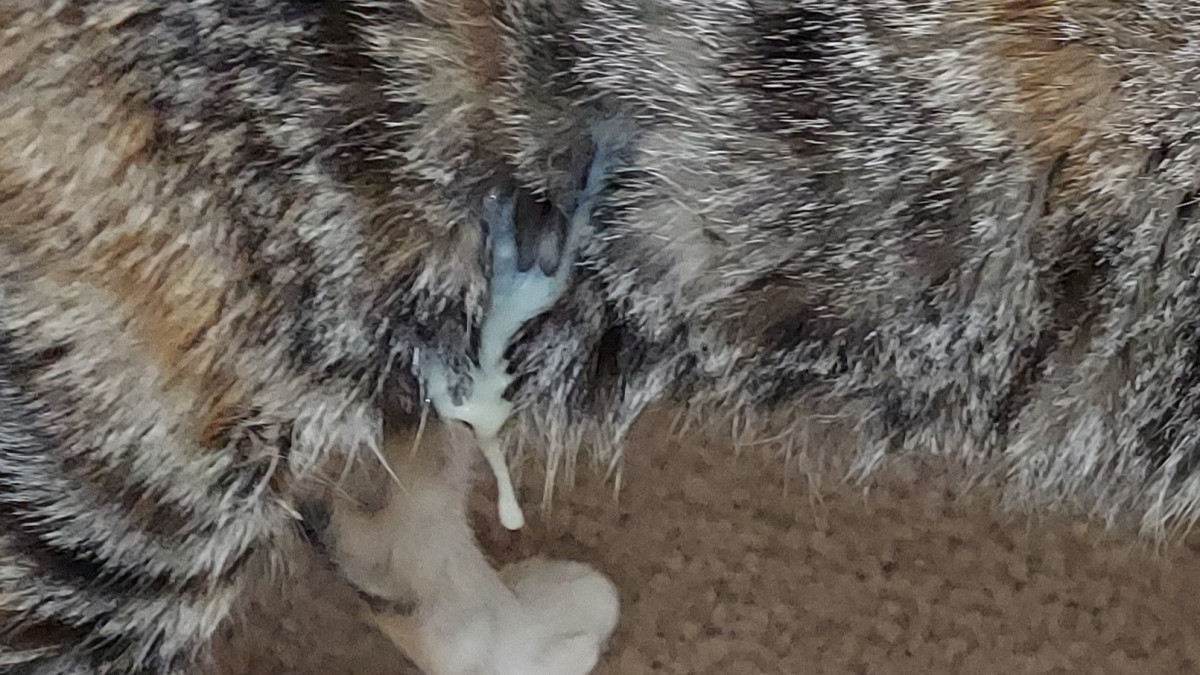
Identifying a burst abscess on a cat is vital for quick care. Abscesses develop under the skin as swollen, infected lumps. When they burst, they release pus and can cause pain or discomfort. Recognizing these signs helps you act fast and keep your cat safe.
Common Signs And Symptoms
- Swelling or lump on the skin
- Redness and warmth around the area
- Drainage of pus or blood from the wound
- Foul smell from the infected site
- Cat licking or scratching the spot frequently
- Pain or sensitivity when touched
- Fever or lethargy in some cases
Causes Of Abscesses In Cats
- Bites or scratches from other animals
- Infections from wounds or cuts
- Foreign objects stuck under the skin
- Poor hygiene or skin conditions
- Weakened immune system due to illness
Credit: pethelpful.com
Immediate First Aid Steps
Dealing with a burst abscess on your cat needs quick and careful action. Immediate first aid helps reduce pain and stops infection from spreading. Acting fast can make a big difference in your cat’s comfort and healing.
Cleaning The Wound Safely
Use clean water or saline solution to rinse the wound gently. Avoid using hydrogen peroxide or alcohol because they can harm the tissue. Pat the area dry with a clean cloth or gauze. Wear disposable gloves to protect yourself and your cat. Keep your cat calm and still during the cleaning process.
Preventing Infection At Home
Apply a thin layer of an antibiotic ointment made for pets. Do not use human medications without veterinary advice. Keep the wound covered with sterile gauze if possible. Change the dressing daily or when it gets dirty. Prevent your cat from licking the wound by using an Elizabethan collar if needed. Watch for signs of infection like redness, swelling, or bad smell. Contact your vet immediately if symptoms worsen.
When To See A Veterinarian
Knowing when to see a veterinarian is key to treating a burst abscess on your cat. Some signs need quick medical help to stop the infection from spreading. Early vet care can prevent serious problems and help your cat heal faster.
Emergency Indicators
- Your cat stops eating or drinking
- Fever or shivering appears
- Swelling spreads quickly or becomes very red
- Cat shows signs of pain or cries loudly
- Discharge from the abscess has a bad smell or changes color
- Breathing becomes fast or difficult
- Cat becomes very weak or collapses
What To Expect During The Vet Visit
The vet will check your cat’s overall health and the abscess site. They may clean the wound and drain any pus. Your cat might get antibiotics to fight infection. Pain relief medicine is often given to keep your cat comfortable.
The vet may also check for other wounds or infections. Follow-up visits are common to make sure healing is on track. Your vet will give you clear care instructions to help your cat recover at home.
Home Care After Treatment
Taking care of your cat after a burst abscess treatment is crucial to help them heal quickly and avoid complications. Your role at home involves careful attention to medication and keeping the wound clean. With the right care, your furry friend will be back to their playful self soon.
Administering Medications
Giving your cat medication can be challenging, but it’s essential for fighting infection and reducing pain. Always follow the vet’s instructions exactly—dosage and timing matter a lot. If your cat resists pills, try hiding them in a small amount of wet food or use a pill pocket designed for pets.
Have you noticed that some cats respond better to liquid medicine? Ask your vet if a liquid form is available or easier to give. Remember, stopping antibiotics early can cause the infection to return, so complete the entire course even if your cat seems better.
Wound Care And Monitoring
Cleaning the abscess area gently is key to preventing new infections. Use warm saline solution recommended by your vet and avoid harsh chemicals that can irritate the skin. You might need to apply a protective bandage, but make sure it stays clean and dry.
Watch the wound closely every day. Look for signs like increased redness, swelling, or discharge, which could mean the infection is worsening. Have you ever caught a problem early just by checking carefully? Your vigilance can save your cat from further discomfort and vet visits.
Preventing Future Abscesses
Preventing future abscesses on your cat is just as important as treating the current one. Abscesses often develop from infections caused by wounds or bites, so focusing on prevention can save your cat from pain and you from extra vet visits. Small changes in your cat’s care routine and environment can make a big difference in keeping infections at bay.
Maintaining Cat Hygiene
Regular grooming helps you spot any cuts or scratches early before they turn into abscesses. Brush your cat gently but thoroughly to remove dirt, debris, and loose fur that might irritate the skin.
Keep your cat’s bedding and living areas clean to reduce bacteria buildup. You might be surprised how often a simple wash of blankets or cushions makes your cat’s skin healthier.
Also, check your cat’s paws and ears regularly. These spots can hide minor wounds that easily get infected. Have you noticed your cat scratching more than usual? That could be a sign to inspect more closely.
Behavioral And Environmental Factors
Outdoor cats face higher risks of fights and injuries that lead to abscesses. If your cat roams outside, consider supervised outdoor time or using a secure cat enclosure.
Observe your cat’s interactions with other pets. Aggression or rough play increases chances of bites and scratches. Address any behavioral issues by consulting with a vet or animal behaviorist.
Provide your cat with plenty of toys and mental stimulation to reduce stress and boredom. A less stressed cat is less likely to get into fights or injure itself.
Credit: www.purina.com
Frequently Asked Questions
What Are The First Signs Of A Burst Abscess On A Cat?
The first signs include swelling, redness, and pus discharge. Your cat may also show pain or discomfort near the area. Early detection helps prevent infection spread and speeds up healing.
How Do I Clean A Burst Abscess On My Cat?
Use warm saline solution to gently clean the wound. Avoid harsh chemicals or alcohol, as they can irritate the skin. Clean twice daily to reduce infection risk and promote healing.
When Should I Take My Cat To The Vet For An Abscess?
Visit the vet if the abscess is large, painful, or not healing. Also, seek help if your cat shows fever, lethargy, or loss of appetite. Professional care is crucial for severe infections.
Can I Give My Cat Antibiotics For A Burst Abscess?
Only give antibiotics prescribed by your vet. Incorrect medication can worsen the infection or cause resistance. Always follow the vet’s dosage and treatment instructions carefully.
Conclusion
Caring for a cat with a burst abscess can be challenging. But with patience and attention, your pet can heal well. Clean the wound gently and apply prescribed ointments. Keep your cat comfortable and monitor for any changes. Regular vet visits ensure proper healing.
Watch for signs of infection like redness or swelling. Always consult your vet if unsure about any symptoms. Your love and care make a big difference in your cat's recovery journey. Stay attentive, and your furry friend will be back to their playful self soon.