
Switching your cat from dry to wet food can feel tricky. You want to make sure your furry friend stays happy and healthy during the change.
But how do you do it without causing upset tummies or picky eating? If you’ve been wondering how to make this transition smooth and stress-free, you’re in the right place. Keep reading, and you’ll discover simple, effective steps that make the switch easy for both you and your cat.
Benefits Of Wet Food
Switching your cat from dry to wet food offers many benefits. Wet food can improve your cat's health and happiness in several ways. Cats often enjoy the texture and taste, which helps with feeding and nutrition.
Improved Hydration
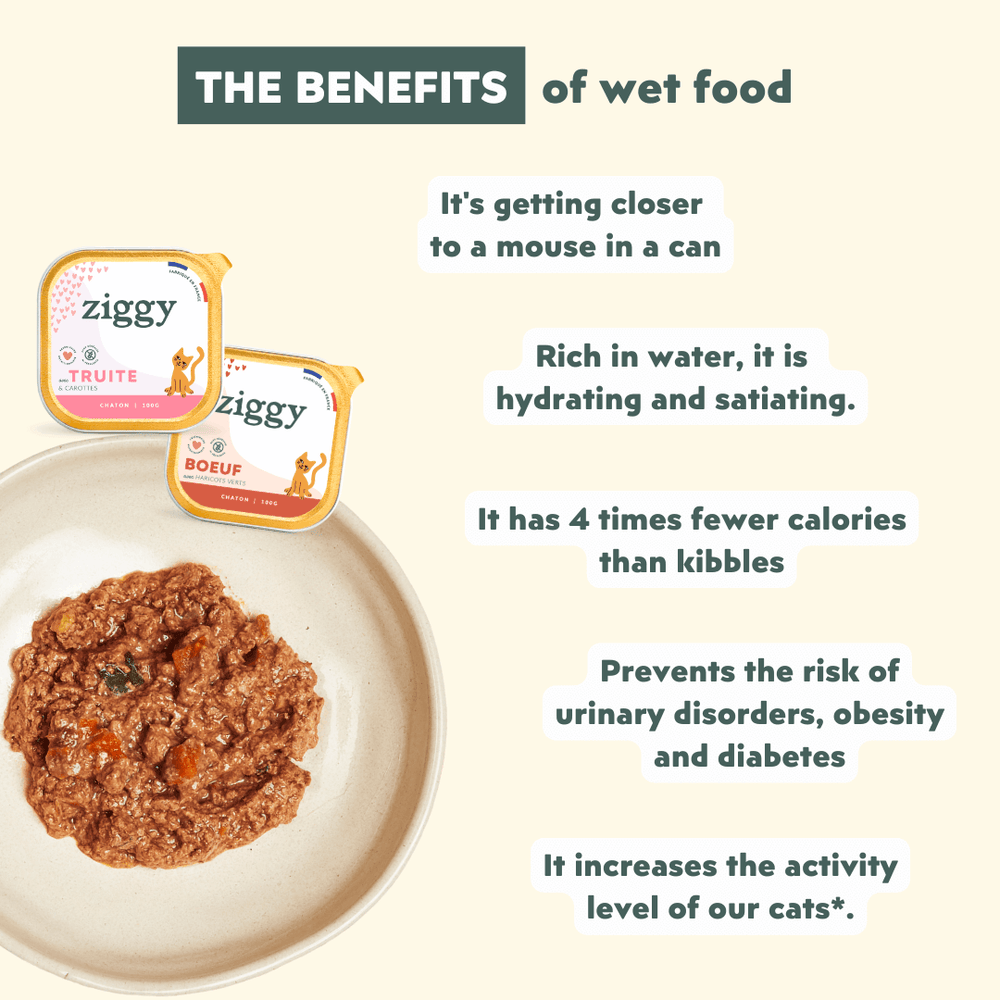
Wet food contains a high amount of water. This helps keep your cat hydrated throughout the day. Cats often do not drink enough water on their own. Wet food can help prevent dehydration and support kidney health.
Enhanced Nutrition
Wet food usually has more protein and fewer carbohydrates. This matches a cat’s natural diet better than dry food. It also contains essential vitamins and minerals. Your cat receives balanced nutrition for strong muscles and a healthy immune system.
Better Palatability
Wet food has a strong aroma and soft texture. Cats find it tastier and more appealing than dry kibble. This encourages picky eaters to eat well. It also helps older cats with dental problems enjoy their meals.
Signs Your Cat Needs A Change
Noticing signs that your cat needs a change in diet can make all the difference in their health and happiness. Cats can’t tell us when something feels off, so it’s up to you to watch closely. If you observe certain changes, switching from dry to wet food might be the best move for your furry friend.
Weight Concerns
Has your cat suddenly gained or lost weight without any clear reason? Dry food is often calorie-dense and can lead to weight gain if overfed. On the other hand, some cats lose weight because they don’t drink enough water when eating only dry food.
Wet food has higher moisture content and fewer calories per serving. This can help regulate your cat’s weight more naturally. Are you tracking your cat’s weight regularly? It’s easier to spot problems early when you do.
Dental Health Issues
Many people assume dry food keeps teeth clean, but it’s not always true. If your cat has bad breath, swollen gums, or shows reluctance to chew, dental problems might be the cause. Wet food is softer and easier to eat when your cat has sensitive teeth or mouth pain.
Feeding wet food can reduce the risk of oral discomfort and make mealtime more enjoyable. Have you noticed your cat pawing at their mouth or avoiding certain foods? These behaviors often hint at dental issues needing attention.
Behavioral Changes
Your cat’s mood and behavior can signal dietary needs too. Increased irritability, hiding, or decreased activity might mean your cat isn’t feeling well. Sometimes, poor nutrition or dehydration from dry food causes these changes.
Switching to wet food can improve hydration and nutrient intake, often lifting your cat’s spirits. When was the last time you observed a shift in your cat’s usual behavior? Small clues can guide you to the right diet adjustment.
Choosing The Right Wet Food
Choosing the right wet food for your cat is a key step in making the switch from dry food smoother and healthier. You want to pick options that not only appeal to your cat’s taste but also support their overall wellbeing. Let’s dive into what you should look for to make the best choice.
Checking Ingredients
Look closely at the ingredient list on the wet food label. The first ingredient should be a high-quality source of animal protein, like chicken, turkey, or fish. Avoid foods with too many fillers such as corn, soy, or wheat, which offer little nutritional value.
Also, watch out for artificial colors, flavors, and preservatives. Your cat doesn’t need these extras, and they can sometimes cause digestive upset or allergies. Choosing simple, natural ingredients helps ensure your cat gets the nutrients they need.
Considering Special Diets
Does your cat have special dietary needs? Some cats require grain-free options, while others might need food formulated for weight management or sensitive stomachs. Knowing your cat’s specific health requirements can narrow down your choices.
If your cat has kidney issues or diabetes, wet foods designed for these conditions can make a big difference. Don’t just guess—check the packaging and product descriptions carefully. Your cat’s health depends on the right match.
Consulting Your Veterinarian
Before making any big changes to your cat’s diet, talk to your veterinarian. They know your cat’s health history and can recommend the best wet food options tailored to your pet’s needs. This advice can save you from costly mistakes.
Veterinarians can also suggest how to transition gradually and spot any adverse reactions early. Have you ever switched foods too quickly and faced a mess? Getting professional guidance can help you avoid that.
Preparing For The Transition
Preparing your cat for the switch from dry to wet food takes more than just placing a new bowl on the floor. It requires thoughtful planning to make the change smooth and stress-free for your furry friend. You want to keep your cat comfortable and curious, not confused or frustrated during this new feeding routine.
Gathering Supplies
Start by collecting everything you’ll need to feed your cat wet food properly. Look for high-quality wet food that matches your cat’s dietary needs, whether it's grain-free, for sensitive stomachs, or rich in protein. Have a few different flavors ready to see which one your cat prefers.
Don’t forget the basics: a shallow bowl, a spoon or scoop to serve the food, and wet wipes or a damp cloth for quick cleanups. You might also want to get a small fridge-safe container if you plan to store opened cans. Having all these supplies ready ensures you won’t scramble during feeding time.
Setting A Feeding Schedule
Consistency helps your cat adjust faster. Decide on specific times to offer wet food, ideally matching your cat’s usual meal schedule to avoid confusion. Cats thrive on routine, so feeding at the same times each day can reduce anxiety and encourage eating.
Plan to gradually mix wet food with dry food over several days. Start with a small amount of wet food and increase it slowly while decreasing dry food. This slow introduction helps your cat get used to new textures and flavors without causing digestive issues.
Creating A Comfortable Feeding Area
Your cat’s eating spot should feel safe and quiet. Choose a place away from loud noises, busy foot traffic, and other pets. Cats are sensitive to their environment, and a calm space can make them more willing to try new food.
Use a clean, stable surface for the food bowls. Cats often prefer eating off the floor rather than on slippery or unstable surfaces. Adding a mat under the bowls can help keep the area tidy and signal to your cat that this is their special eating zone.
Step-by-step Transition Process
Transitioning your cat from dry to wet food requires patience and care. Cats need time to adjust to new tastes and textures. A slow and steady approach helps avoid digestive problems and food refusal. Follow a clear process to make the switch smooth and stress-free for your pet.
Introducing Wet Food Gradually
Start by offering a small amount of wet food alongside the usual dry food. This helps your cat get used to the new smell and flavor. Place the wet food in a separate dish to let your cat explore it freely. Offer wet food once a day at first, then increase the frequency over several days.
Mixing Wet And Dry Food
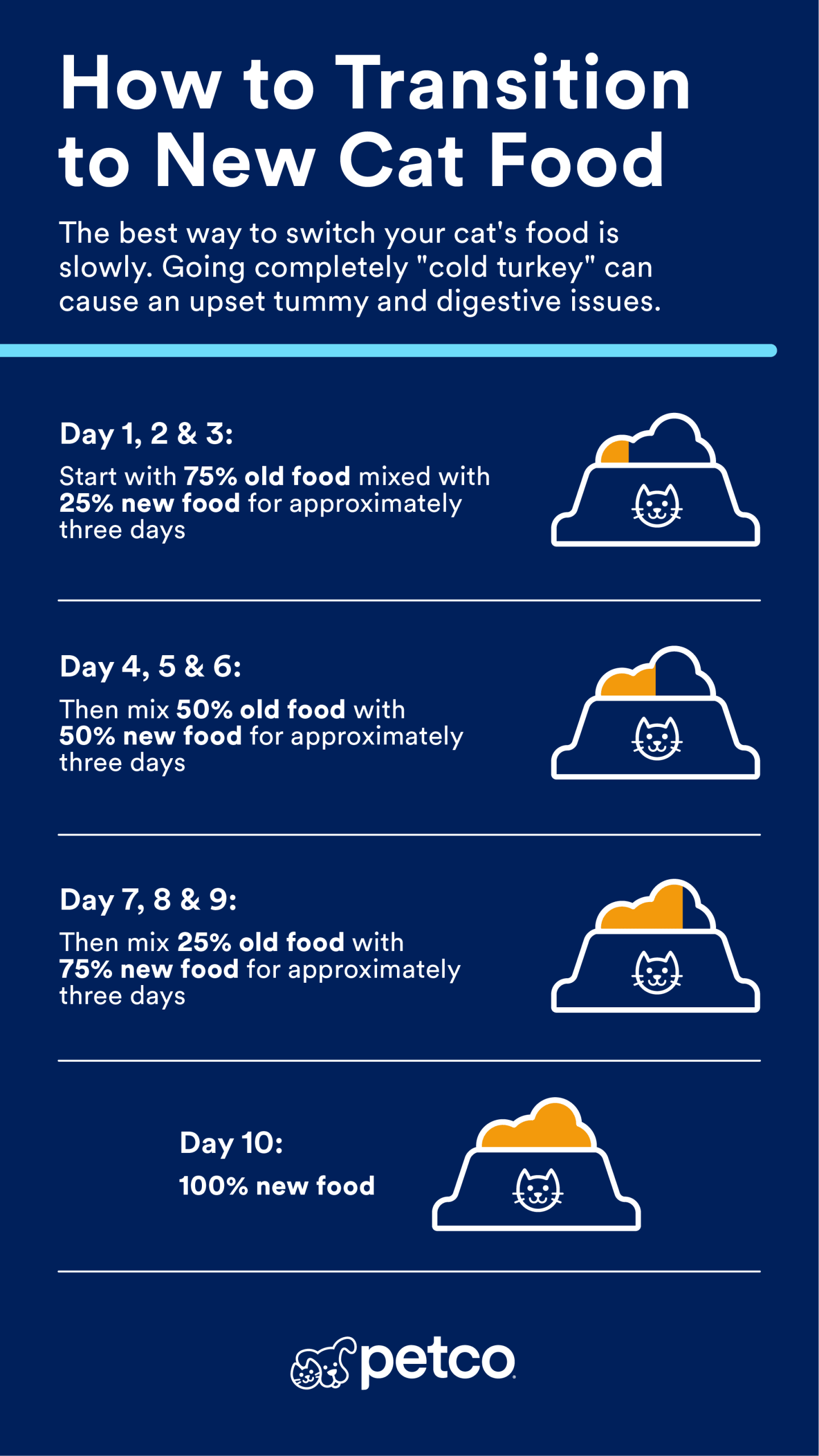
Mix wet food with dry food in the bowl to blend flavors and textures. Begin with a small ratio of wet food, such as 25% wet and 75% dry. Gradually increase the wet food portion while decreasing dry food. This gradual mix helps your cat accept the change without stress.
- Start with mostly dry food and a small amount of wet.
- Slowly increase wet food amount over 7 to 10 days.
- Watch for your cat’s eating habits during mixing.
Monitoring Your Cat’s Reaction
Observe your cat closely during the transition. Look for signs of enjoyment or refusal. Check for any changes in stool or digestion. Some cats may take longer to accept wet food. If your cat refuses, slow down the transition or try different flavors. Patience ensures a successful switch without upsetting your cat’s health.

Credit: www.youtube.com
Troubleshooting Common Issues
Switching your cat from dry to wet food can sometimes bring unexpected challenges. These common issues need attention to make the change smooth and stress-free for your cat. Understanding and fixing these problems helps keep your cat happy and healthy.
Dealing With Food Refusal
Some cats refuse wet food at first. The new texture and smell might seem strange. Try mixing a small amount of wet food into their dry food. Gradually increase the wet food portion over several days. Warm the wet food slightly to bring out its aroma. Offer wet food in a quiet, calm area. Avoid forcing your cat to eat; patience is key.
Managing Digestive Upsets
Digestive problems can occur during the transition. Watch for diarrhea, vomiting, or constipation. These signs suggest the change is too fast or the food is not suitable. Keep fresh water available at all times. Feeding smaller, more frequent meals helps. Consult your vet if symptoms persist beyond a few days.
Adjusting The Transition Pace
Each cat adapts at a different speed. Some need weeks, others only days. Slow down the transition if your cat shows stress or digestive issues. Use a schedule like this:
| Days | Dry Food (%) | Wet Food (%) |
|---|---|---|
| 1-3 | 75 | 25 |
| 4-6 | 50 | 50 |
| 7-9 | 25 | 75 |
| 10+ | 0 | 100 |
Adjust timing as needed to suit your cat’s comfort. Watch your cat’s behavior and health daily.
Maintaining A Balanced Diet
Maintaining a balanced diet is key when transitioning your cat from dry to wet food. Wet food offers higher moisture content, which supports hydration, but it can also change the calorie and nutrient intake your cat receives. Careful attention to their overall diet helps prevent weight gain or nutrient deficiencies.
Ensuring Proper Portion Sizes
Wet food is denser in moisture, so your cat may need a larger volume to feel full compared to dry kibble. Use the feeding guidelines on the packaging as a starting point, but adjust based on your cat’s activity level and body condition. Keep track of your cat’s weight weekly to see if you need to tweak portions.
Have you noticed your cat begging for more food after switching to wet meals? That could mean the portions are too small or the feeding schedule needs adjustment. Don't hesitate to split meals into smaller, more frequent servings to keep your cat satisfied without overeating.
Supplementing Nutrients If Needed
Some wet foods lack certain nutrients found in dry food, such as fiber or specific vitamins. Check the ingredient list and nutritional information carefully to ensure your cat’s diet remains complete. If you spot gaps, consider adding supplements like taurine or fiber, but always consult your vet first.
I once switched my cat to wet food and noticed she had less energy after a few weeks. A quick vet visit revealed a need for additional vitamin supplementation. That small adjustment made a huge difference in her vitality.
Regular Health Checkups
Regular vet visits are crucial to monitor your cat’s health during dietary changes. Blood tests can reveal if your cat is getting all necessary nutrients and maintaining a healthy weight. Schedule checkups every few months, especially in the first six months after switching to wet food.
Ask your vet specific questions like, “Is my cat’s coat healthy?” or “Is her weight stable?” These details help catch issues early and keep your furry friend thriving on their new diet.
Credit: ziggyfamily.com

Credit: ziggyfamily.com
Frequently Asked Questions
How Long Does Cat Food Transition Take?
Transitioning usually takes 7 to 10 days. Gradually mix wet food with dry food. Slowly increase wet food amount daily. This helps avoid digestive issues and encourages acceptance.
What Is The Best Way To Introduce Wet Food?
Start by mixing 25% wet food with 75% dry food. Increase wet food gradually over several days. Monitor your cat’s reaction and appetite. Patience and consistency are key for success.
Can Sudden Switch To Wet Food Harm Cats?
Yes, sudden switches can cause stomach upset and vomiting. Cats need time to adjust to new textures and flavors. Gradual transition reduces health risks and encourages better acceptance.
How To Encourage Picky Cats To Eat Wet Food?
Warm wet food slightly to enhance aroma. Offer small, frequent meals during transition. Mix in favorite treats or broth to entice your cat. Patience and positive reinforcement work well.
Conclusion
Transitioning your cat from dry to wet food takes patience. Gradually introduce the new food. Mix small amounts with the old. Increase wet food over time. Watch for any changes in behavior or health. Always consult your vet for advice.
Wet food can improve hydration and nutrition. Observe your cat’s preferences and adjust. Each cat is unique in its transition process. Stay consistent and patient. Your feline friend will thank you in the long run.