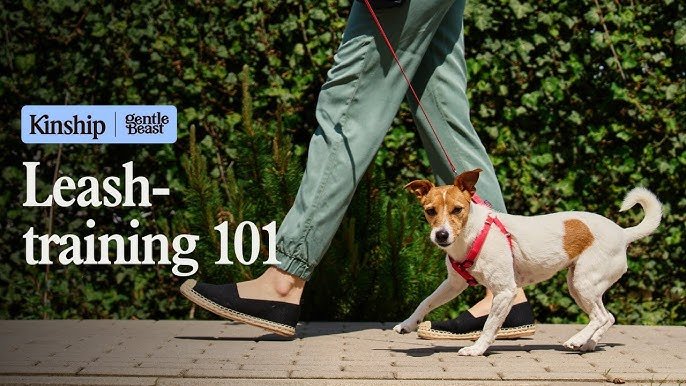
Training your dog to walk on a leash can feel challenging, but it doesn’t have to be. Imagine enjoying peaceful strolls without your dog pulling, tugging, or getting distracted.
You’re about to discover simple, effective steps that make leash training easy for both you and your furry friend. Keep reading, and you’ll unlock the secrets to stress-free walks that strengthen your bond and keep your dog safe.

Credit: pupford.com
Choosing The Right Leash And Collar
Choosing the right leash and collar is a key step in training your dog to walk on a leash effectively. The gear you pick affects your dog's comfort and your control during walks. Picking the right combination can make training easier and more enjoyable for both of you.
Types Of Leashes
Leashes come in various materials and styles. Nylon leashes are lightweight and affordable, making them great for everyday walks. Leather leashes offer durability and a comfortable grip, but they require maintenance to stay in good condition.
Consider the length too. A standard 4 to 6-foot leash provides control in most situations. Retractable leashes give your dog more freedom but can reduce your control, especially for beginners.
- Standard Leash:Good for training and control.
- Retractable Leash:Allows more freedom but less control.
- Chain Leash:Durable, useful for dogs that chew.
- Hands-Free Leash:Great for runners or joggers.
Think about your dog's behavior and your walking environment. Does your dog pull a lot? A shorter, sturdy leash might help. Do you want to give your dog some space? A longer leash or retractable style could be better.
Selecting A Comfortable Collar
Your dog's collar should fit snugly but not too tight. You should be able to fit two fingers between the collar and your dog's neck. A collar that's too tight can cause discomfort or injury, while one that's too loose might slip off.
Material matters for comfort. Soft nylon or leather collars reduce irritation. Avoid collars with rough edges or heavy hardware that can bother your dog.
| Collar Type | Best For | Considerations |
|---|---|---|
| Flat Collar | Everyday use | Check fit regularly; easy to attach tags |
| Martingale Collar | Dogs with narrow heads or that slip collars | Provides gentle tightening without choking |
| Head Collar | Dogs that pull strongly | Needs proper introduction to avoid resistance |
Have you noticed your dog’s reaction to different collars? Some dogs resist certain types or materials. Watching your dog’s behavior can guide you to the most comfortable and effective choice.
Preparing Your Dog For Leash Training
Preparing your dog for leash training sets the foundation for good walking habits. It helps your dog feel calm and confident before stepping outside. Start slowly and make each experience positive. This reduces stress and builds trust between you and your dog.
Introducing The Collar
Choose a comfortable collar that fits well. It should be snug but not tight. Let your dog wear the collar indoors first. Watch how your dog reacts. Praise your dog for calm behavior while wearing it.
Try these tips to help your dog accept the collar:
- Put the collar on for short times at first.
- Give treats and gentle petting when the collar is on.
- Allow your dog to explore and move freely with the collar.
Keep the experience positive and avoid forcing the collar on. Repeat this for several days until your dog seems comfortable.
Getting Used To The Leash
Attach the leash to the collar indoors next. Let your dog drag the leash around in a safe space. Supervise closely to prevent tangling or chewing.
Help your dog enjoy the leash by:
- Using treats to encourage movement with the leash.
- Calling your dog gently to follow while on the leash.
- Practicing short sessions to build tolerance.
Once your dog walks calmly with the leash inside, try holding the leash and walking together. Keep sessions short and fun. Patience is key to success.
Basic Leash Training Techniques
Teaching your dog to walk on a leash starts with simple, clear techniques. Basic leash training builds trust and good behavior. It creates a calm, controlled walking experience for both of you. The key is patience and consistency. Break training into small, easy steps. Keep sessions short and positive. Use rewards to encourage your dog’s good actions.
Starting Indoors
Begin leash training inside your home. This space is quiet and free from distractions. Attach the leash to your dog’s collar or harness. Let your dog walk around with the leash dragging gently. Hold the leash and follow your dog. Use a calm voice to encourage movement. Practice walking a few steps together. Stop if your dog pulls or resists. Give treats and praise for calm walking. Repeat short sessions daily to build comfort.
Using Treats And Rewards
Treats motivate dogs during training. Choose small, tasty treats your dog loves. Hold a treat near your dog’s nose to get attention. Reward your dog when it walks beside you without pulling. Use treats to guide your dog back if it strays. Praise your dog warmly with words and petting. Gradually reduce treats as your dog learns. Keep rewards consistent to reinforce good leash manners. Positive reinforcement helps dogs want to walk nicely.
Teaching Heel Position
The heel position means your dog walks close by your side. This keeps control and safety during walks. Start indoors by standing still with your dog. Hold a treat at your side to guide your dog. Take a few steps and reward your dog for staying close. Use a gentle tug on the leash if your dog moves ahead. Practice turning and stopping to keep your dog attentive. Repeat often until your dog stays at your side. This skill helps make walks smooth and enjoyable.

Credit: www.youtube.com
Handling Common Challenges
Training your dog to walk calmly on a leash often comes with a few bumps along the way. Handling common challenges is key to making walks enjoyable for both you and your dog. Understanding how to tackle issues like pulling, distractions, and anxiety can turn frustrating moments into opportunities for growth.
Dealing With Pulling
Pulling can turn a simple walk into a tug-of-war. Instead of yanking back, try stopping the walk every time your dog pulls. This teaches them that pulling won’t get them where they want to go.
You can also change directions suddenly when your dog pulls. This keeps their attention on you and discourages constant pulling. Have you noticed how your dog reacts when you stop moving? Use that moment to reward calm behavior with treats or praise.
Managing Distractions
Distractions are everywhere—squirrels, other dogs, even the wind. Start training in a quiet area where your dog can focus more easily. Gradually introduce distractions as your dog improves.
Keep your dog engaged by using high-value treats or favorite toys. Ask yourself, what really grabs your dog’s attention? Use those motivators to keep their focus on you during walks.
Overcoming Fear Or Anxiety
Some dogs feel nervous or scared when walking on a leash. If your dog shows signs of fear, slow down the pace and create a safe environment. Sit with them calmly before moving forward.
Try short, positive sessions and celebrate small victories. Have you ever noticed which noises or sights trigger your dog’s anxiety? Avoid those triggers initially, then gradually expose your dog to them with lots of encouragement and rewards.
Advanced Leash Skills
Advanced leash skills help make walks easier and more enjoyable. These skills improve control and communication between you and your dog. Training your dog to respond well in different situations builds confidence and safety.
Practice these skills regularly to see steady progress. Keep sessions short and positive to maintain your dog's interest.
Walking At Different Paces
Teach your dog to match your walking speed. Start by walking slowly and reward your dog for staying close. Change to a faster pace and encourage your dog to keep up without pulling. Use treats or praise to guide your dog smoothly between speeds.
Navigating Crowded Areas
Practice walking in places with more people or distractions. Keep the leash short but relaxed. Stay calm and focused to help your dog feel safe. Use gentle corrections if your dog pulls or gets nervous. Reward calm behavior to encourage good habits in busy spots.
Changing Directions Smoothly
Teach your dog to follow your lead when changing direction. Use a clear verbal cue or a gentle tug on the leash. Change direction quickly and praise your dog for following. This skill helps prevent pulling and keeps your dog attentive to your movements.

Credit: stationerypal.com
Maintaining Consistency And Patience
Training your dog to walk on a leash takes more than just a few tries. It demands steady effort and a calm attitude from you. Without consistency and patience, your dog can get confused or frustrated, making progress slow or even backward.
Setting A Training Schedule
Create a regular time each day dedicated to leash training. Short, frequent sessions work better than long, sporadic ones. For example, 10-15 minutes twice a day helps your dog build the habit without getting overwhelmed.
Stick to the schedule even when your dog seems uninterested or distracted. This builds a routine that your dog can expect and rely on. Have you noticed how dogs respond better when they know what to expect next?
Tracking Progress
Keep a simple log of each training session. Note down what worked, what didn’t, and any improvements you see. This helps you identify patterns and adjust your approach quickly.
Use clear markers like “walked without pulling for 5 minutes” or “responded to ‘heel’ command 3 times.” Tracking progress keeps you motivated and shows your dog’s growth over time.
Encouraging Positive Behavior
Reward your dog immediately when they walk calmly on the leash. Use treats, praise, or a favorite toy to reinforce good actions. This teaches your dog exactly what you want them to do.
If your dog pulls or resists, avoid harsh corrections. Instead, pause and wait for calm behavior before moving forward. How would your own learning improve if you were rewarded for the right moves rather than punished for mistakes?
Frequently Asked Questions
How Long Does Leash Training Take For Dogs?
Leash training typically takes 1 to 3 weeks with consistent daily practice. Patience and positive reinforcement speed progress. Each dog learns at its own pace based on age, breed, and personality.
What Equipment Is Best For Leash Training?
A well-fitted harness or flat collar with a sturdy leash works best. Avoid retractable leashes during training to maintain control and focus.
How To Stop A Dog From Pulling On The Leash?
Use positive reinforcement when your dog walks beside you. Stop walking when pulling occurs. Reward calm, loose-leash walking to encourage good behavior.
Can Puppies Start Leash Training Early?
Yes, puppies can start leash training as early as 8 weeks old. Begin with short, gentle sessions to build comfort and confidence.
Conclusion
Teaching your dog to walk on a leash takes patience. Start with short sessions. Gradually increase time as they improve. Praise your dog for good behavior. Use treats as rewards. Consistency is key to success. Keep the experience positive for your dog.
Choose a comfortable, safe leash and collar. Practicing daily builds confidence in your dog. Dogs love routine and clear instructions. Walking together strengthens your bond. Enjoy the journey with your furry friend. Walking on a leash becomes fun with practice.
Happy walking!